REVIEW · WARSAW
Warsaw’s No 1 cooking class-Polish dumplings with liqueur tasting
Book on Viator →Operated by Maria Oskroba · Bookable on Viator
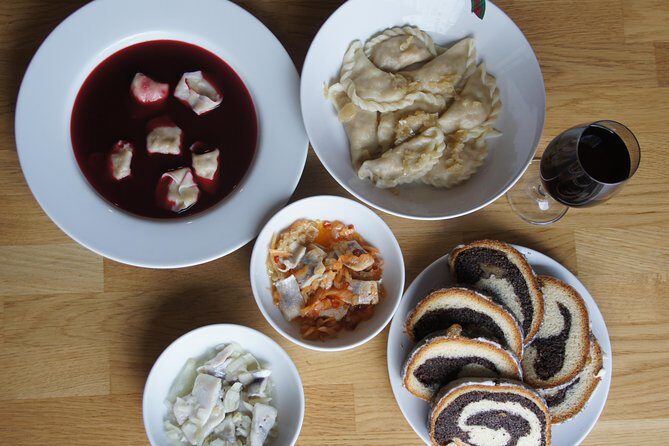
Pierogi sounds simple until you fold that first dumpling. In Warsaw, this class is a hands-on way to learn pierogi from scratch, then sit down to eat what you made, with a Polish liqueur tasting to finish.
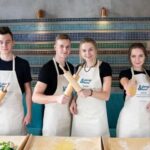
I love that it is genuinely interactive: you knead the dough, roll it out, learn folding techniques, and cook the dumplings as part of the same experience. I also like the small size, with a maximum of 10 people, so you get steady coaching from hosts such as Daria, Patricia, Ben, and others who guide the group in a relaxed, organized way. One consideration: it is not suitable for kids under 8, so plan on adult supervision if you bring a younger family member.
In This Review
- Key highlights that make this class worth your evening
- Warsaw pierogi in 2 hours: what you’re really signing up for
- Where it starts: Pierogi & More in Warsaw
- The class flow: dough, fillings, folding hacks, and boiling
- Getting vegetarian and vegan right, not as an afterthought
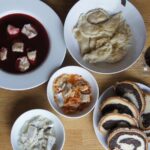
- The best moment: cooking your pierogi and eating them family-style
- Polish liqueur tasting: small pours, big culture points
- Price and value: does $77.97 make sense?
- Group size, language, and comfort: practical details to know
- Who should book (and who might skip it)
- FAQ
- How long is the pierogi cooking class?
- Is the class offered in English?
- What food will I learn to make?
- Is there a vegetarian or vegan option?
- Do I get to eat what I make?
- How many people are in the class?
- Is it suitable for children?
- Should you book Warsaw’s No 1 cooking class?
Key highlights that make this class worth your evening
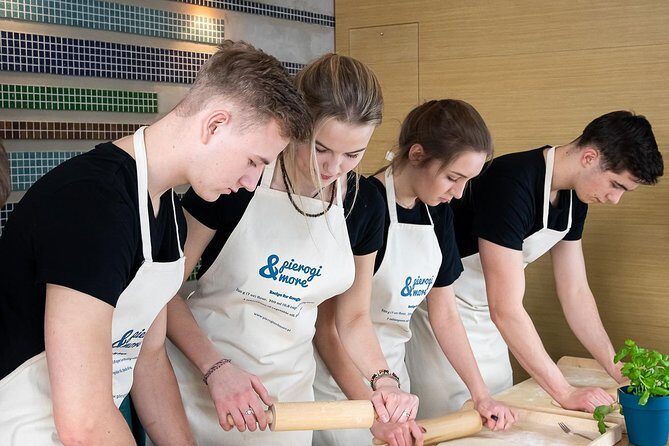
- Learn pierogi step-by-step, from dough kneading to proper rolling and sealing the edges.
- Meat and vegetarian fillings are included, and vegetarian or vegan options are available on request.
- You finish by cooking and eating your own dumplings, not just watching or sampling one small bite.
- Small group format (max 10) keeps the pace comfortable and helps the instructors coach more closely.
- English instruction is offered, plus the setting is near public transportation, so it is easy to fit into your day.
Warsaw pierogi in 2 hours: what you’re really signing up for
If you want an authentic Warsaw souvenir, this is one you can actually use at home. Pierogi are a national comfort food, and the best part here is that you do more than learn about them—you make them.
The class runs about 2 hours, and it is built around a clear rhythm: short intro, dough work, filling and folding, then cooking and eating together. You’ll also get a tasting of Polish liqueurs, which turns dinner into a mini celebration rather than a rushed food lesson.
Also, the vibe tends to be light and welcoming. Hosts often mix in small jokes and interactive moments during the evening, so you don’t feel like you’re stuck in a classroom.
Other Polish food tours in Warsaw
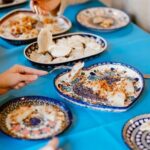

Where it starts: Pierogi & More in Warsaw
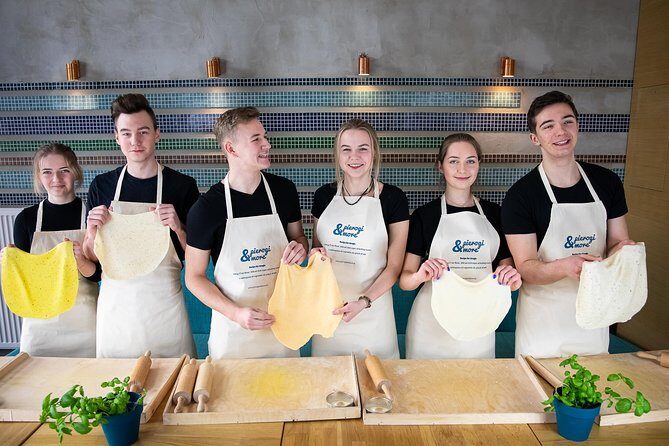
You meet at Pierogi & More warsztaty kulinarneStawki 3, 00-193 Warszawa. It is the kind of meeting point that makes life easier: it is near public transportation, and the activity ends back at the same location.
That matters more than people think. When you are spending an evening cooking, you do not want a complicated transfer plan. You want to get there, wash up, start on time, and keep your focus on food.
The facility is kept clean, and the setup is organized enough that even if you have never folded dumplings before, you won’t feel lost.
The class flow: dough, fillings, folding hacks, and boiling
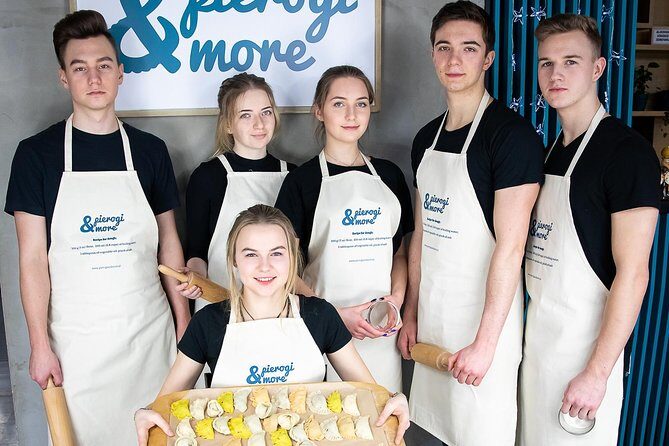
This experience starts with a quick introduction to pierogi—where they come from and why they matter in Polish food culture. That context helps you understand what you are making, instead of treating it like a generic dumpling.
Then you jump into the hands-on part. You learn how to knead the dough, roll it out evenly, and get it to the right thickness for proper sealing. This is where most people realize that technique beats effort. If your dough is too thick, the dumplings feel heavy; too thin and they can be harder to work with.
Next comes the fun part: fillings. You’ll work with meat and vegetarian filling options, and the instructor shows you how to portion so you’re not overstuffing. Overstuffing is the fastest way to get messy folds, and you’ll learn tricks to keep the filling where it belongs.
Folding is where you build confidence. You’ll practice different ways of sealing pierogi, along with small hacks that improve taste. Think of it as the difference between making something edible and making something satisfying—seasoning balance, how you handle the dough, and how you close the dumpling so it cooks evenly.
Finally, there is a demo and guidance on cooking. You learn how the dumplings get boiled, and you’ll see how they change as they cook. When you get that moment right, the whole batch becomes more than a project. It turns into dinner.
Getting vegetarian and vegan right, not as an afterthought
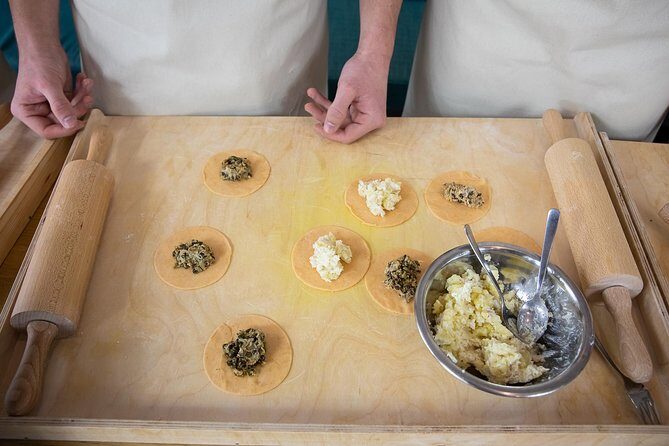
This class includes vegetarian and vegan options on request, and that flexibility is one of the reasons it earns repeat bookings. If your diet needs a clear plan, this is better than classes that treat substitutes as a last-minute compromise.
You’ll still get the core skills: dough handling, rolling, and folding techniques do not disappear just because you choose a different filling. That means you leave with a method you can repeat at home, not just a one-off substitution.
One strong sign of care is how they handle dietary needs to reduce cross-contact. For example, the approach described for vegan options involves cooking those first, then vegetarian, then other variations. If you have dairy restrictions, that kind of workflow is exactly what you want to see.
Practical takeaway for you: when you book, clearly request vegetarian or vegan so they can plan the prep order and ingredients. It is the difference between a smooth dinner and a scramble.
The best moment: cooking your pierogi and eating them family-style
The payoff here is real. You don’t just taste one dumpling and call it done. You eat what you produced, so the meal feels earned.
After boiling, you sit down in a family-style setup with the group. This is a big part of why the class works even if you are shy at first. Everyone is holding the same thing—freshly cooked pierogi—and that creates an easy conversation starter.
Portions tend to be generous. You should expect enough food to feel like you had dinner, not a snack. Some people even mention taking leftovers home, which makes this class one of the better value uses of an evening meal.
Also, you’ll notice the quality right away. Freshly boiled pierogi have a different texture than store-bought ones: the dough tastes softer, and the filling stays juicy. You’ll understand why pierogi are often a holiday food, and why people build whole family traditions around them.
Other Polish vodka tours and tastings in Warsaw




Polish liqueur tasting: small pours, big culture points
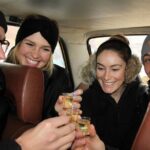
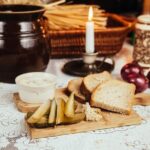
The liqueur tasting is included, and it functions like the finishing course of the night. It’s not presented as a hard sell; it’s more like a playful, cultural add-on that helps you close the loop on Polish food habits.
The instructors keep it light and interactive, which makes it easier to enjoy even if you do not drink much. It’s also a good moment to learn what people pair liqueurs with, and how Polish hospitality often works: food first, conversation second, and little rituals sprinkled in.
If you do not drink alcohol, I’d still ask what options are available when you arrive, since the tasting is part of the program. The tour data does not spell out alternatives, so a quick question on the day is smart.
Price and value: does $77.97 make sense?
At $77.97 per person for about 2 hours, you might wonder if it is pricey. For Warsaw, the value becomes clear when you break down what you actually get.
You’re paying for:
- hands-on teaching (not just watching),
- ingredient prep and cooking space,
- meat and vegetarian pierogi production,
- a full meal from what you made,
- and a Polish liqueur tasting.
That’s a lot bundled into one evening, especially with a maximum of 10 travelers. Smaller groups usually cost more per person, but they also tend to mean better attention from the host—more coaching during folding, more help getting the dough right, and less time waiting around.
Time matters, too. Two hours is short enough that you can still enjoy an evening out afterward, but long enough to actually learn a repeatable technique.
Group size, language, and comfort: practical details to know
This activity caps at 10 travelers, and it is offered in English. That combination is a win. You can follow instructions clearly while still getting a calmer teaching environment than big classes.
The pace is structured, and the staff circulate to help. That shows up in the way beginners are treated: you get correction when you need it, not after the dough has already dried out.
One comfort note from the experience itself: the room can run warm. So dress in layers. Bring something light you can shed, and do not assume it will feel like a cold restaurant.
If you’re traveling solo, you’ll still likely be placed smoothly into a station setup. Many cooking classes are built for pairs, but the instruction style here is patient, and the group atmosphere makes it easier to jump in without feeling awkward.
Who should book (and who might skip it)
You’ll love this class if you:
- want a hands-on Polish cooking skill, not just a food tour,
- like learning by doing, especially with dough and folding technique,
- want a group activity that still feels personal (max 10),
- need a dinner plan that is easy to execute and includes tastings.
You might want to skip it if:
- you’re not interested in cooking at all and only want to eat,
- you need a kid-friendly class for children under 8 (it is not suitable for that age group),
- or you are extremely sensitive to shared food handling, since the experience involves group family-style dining.
FAQ
How long is the pierogi cooking class?
It runs for about 2 hours.
Is the class offered in English?
Yes, the experience is offered in English.
What food will I learn to make?
You’ll learn to make pierogi with meat and vegetarian fillings, including dough kneading, rolling, folding techniques, and cooking them.
Is there a vegetarian or vegan option?
Vegetarian and vegan options are available on request.
Do I get to eat what I make?
Yes. The experience includes cooking and then tasting the pierogi you produced.
How many people are in the class?
The class has a maximum of 10 travelers.
Is it suitable for children?
It is not suitable for kids under 8 years old. If you bring a child, there must be at least one adult who takes care of the child during the class.
Should you book Warsaw’s No 1 cooking class?
If you want one evening in Warsaw that turns into a real skill, I’d book this. The value is strong because it is not a lecture—you knead, fold, cook, and eat. Add the Polish liqueur tasting and you get a full, memorable dinner experience, not a short gimmick.
Book it especially if you’re the type who likes to bring something home that works in your kitchen. You’ll leave with technique, confidence, and a meal you can repeat.