REVIEW · WARSAW
Warsaw: Polish Dumplings Cooking Class
Book on GetYourGuide →Operated by Pierogi & More Cooking Class · Bookable on GetYourGuide
Pierogi class in Warsaw is a hands-on win. You’ll learn how traditional pierogi are made, not just watched, at Pierogi & More with an English-speaking host and a short intro on where these dumplings fit in Polish food.
What I like most is how practical it feels: you mix and knead the dough, choose your filling (meat or vegetarian/vegan), and practice the folding and sealing steps until your dumplings look like they belong on a plate. The second big highlight for me is what happens after you cook: you eat a hearty family-style meal of pierogi with options for vegetarian and vegan diets, plus a Polish liqueur tasting, and you leave with emailed recipes and a link to class photos.
One possible consideration: alcoholic beverages aren’t included. The liqueur tasting is part of the experience, but drinks inclusion depends on whether you book an evening class, so plan for extra cost if you’re coming in the morning.
In This Review
- Key things I’d circle before booking
- Entering Pierogi & More: where to start and what to expect
- The first lesson: pierogi basics and your dough workflow
- Choosing fillings: meat, vegetarian, and vegan options that still feel Polish
- Folding and sealing: the technique that turns dough into real dumplings
- The hands-on pace: how the class stays fun instead of stressful
- Big meal time: what you eat after you cook
- Polish liqueur tasting: a sweet finish with a real flavor cue
- Who runs the class: English hosts and a friendly vibe
- Value check: is $75 worth it for pierogi in Warsaw?
- Logistics that matter (and the ones to ignore)
- Should you book this Warsaw pierogi cooking class?
- FAQ
- How long is the Warsaw Polish dumplings cooking class?
- Where do I meet the guide?
- Is the class taught in English?
- What’s included in the price?
- Are drinks included?
- Can I choose vegetarian or vegan pierogi?
- How many people are in the group?
- Is the class suitable for children?
- Is the experience wheelchair accessible?
- Is the booking refundable if I cancel?
Key things I’d circle before booking
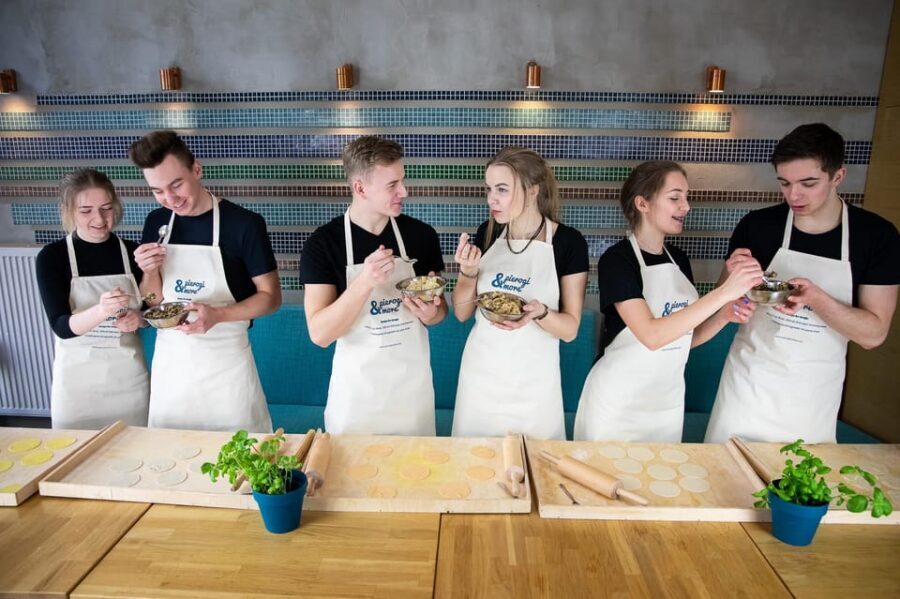
- Small-group size (max 10) keeps the class hands-on and means you can actually get help.
- English instruction helps you follow techniques and ask questions without guessing.
- Multiple filling paths: meat plus vegetarian and vegan options.
- Edge-sealing technique practice: you’ll learn folds and tricks to make dumplings hold together.
- You eat what you make, plus Polish liqueur tasting at the end.
- Leave with takeaways: emailed recipe info, a recipe booklet, and a photo link.
Entering Pierogi & More: where to start and what to expect
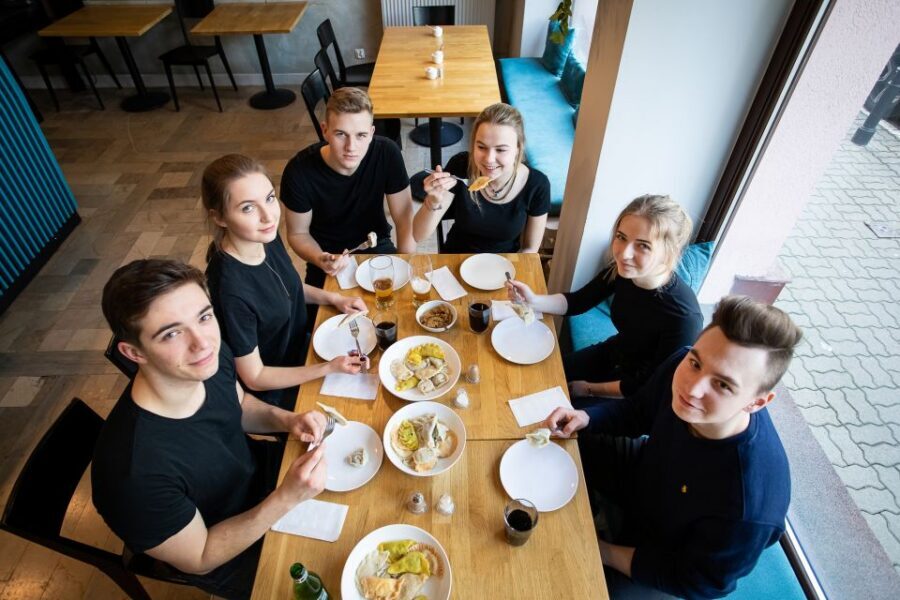
The meeting point is Pierogi & More at 3 Stawki Street, 00-193 Warsaw. The entrance is from the street, and you’re looking for a large Pierogi & More sign, so you won’t have to hunt around once you’re there.
Timing matters here because there’s a short introduction at the start. You’ll learn about the origins of pierogi and their place in Poland’s culinary landscape, so arriving on time helps you connect the cooking steps to the food story you’re being told.
The class runs 2 hours to 150 minutes. It’s built for a small group (limited to 10), and that size change is real: you’ll get more attention than you would in a larger workshop, especially when you’re learning the dough and folding methods.
Other Polish food tours in Warsaw

The first lesson: pierogi basics and your dough workflow
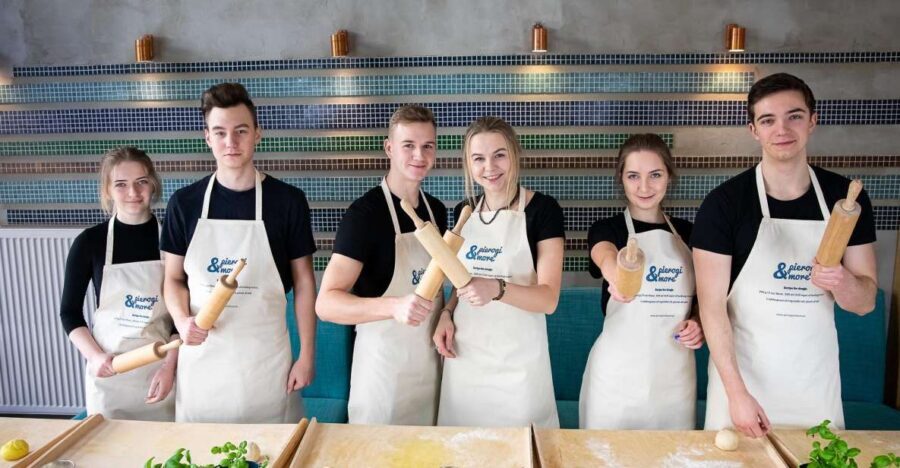
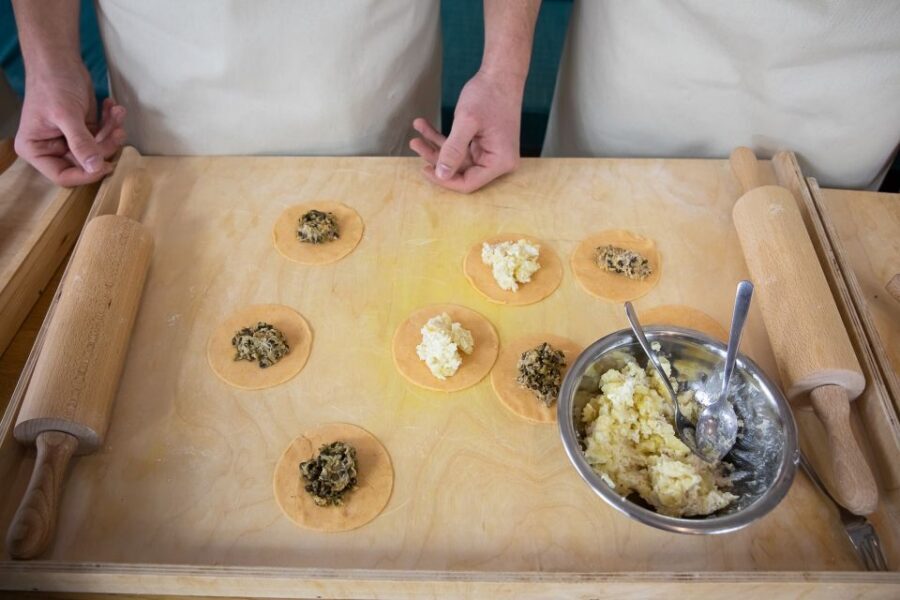
When the class starts, you’ll begin with dough. The structure is straightforward: you mix and knead, then keep working until the dough feels right for rolling and forming.
This is where the class earns its value. Pierogi can look simple from a distance, but getting dough texture correct is what separates chewy frustration from dumpling satisfaction. You’ll be shown how to handle it step by step, and that matters if you’ve never shaped dumplings before.
You’ll also get context early on. That initial explanation of where pierogi come from and why they matter in Polish cooking gives your hands-on work a purpose. It’s not just craft for craft’s sake; it’s learning a dish people actually grew up eating.
Choosing fillings: meat, vegetarian, and vegan options that still feel Polish
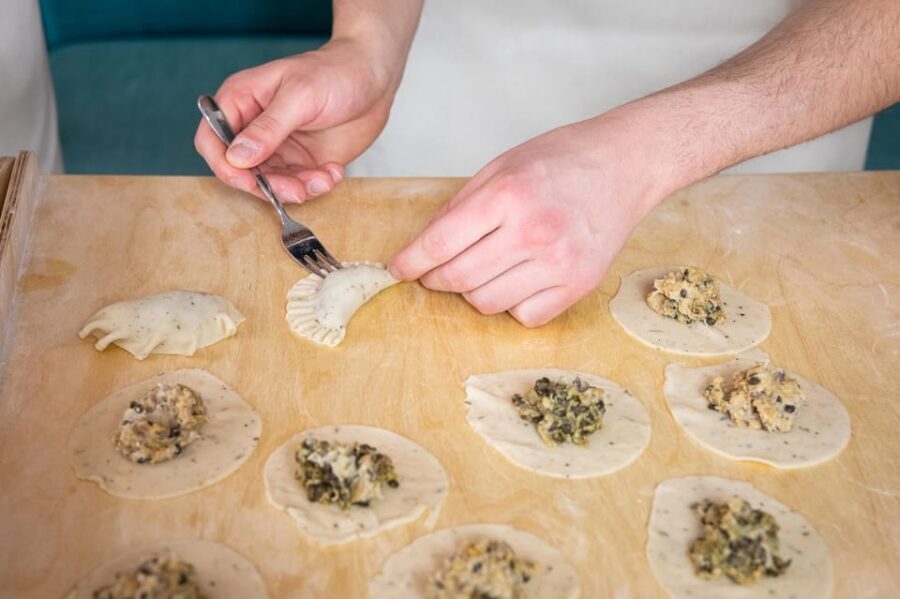
After dough basics, you choose how you want your pierogi filled. You can go with meat, or choose a vegetarian or vegan option.
I like this part because it lets you plan around your diet without turning the class into a compromise. If you’re cooking with friends and not everyone eats the same way, you can still stay together at one table and make your own batch.
Based on what past participants have said, the class can include multiple fillings across the group. One participant specifically mentioned making four types: vegan, vegetarian, and two meat options. Even if your exact lineup varies by session, the key is that you won’t be stuck with one predictable filling path.
You may also see toppings or flavor boosters used during the meal. One review called out onion oil served with the pierogi, and that’s the sort of detail that makes the food taste like a real Polish plate rather than a generic dumpling.
Folding and sealing: the technique that turns dough into real dumplings
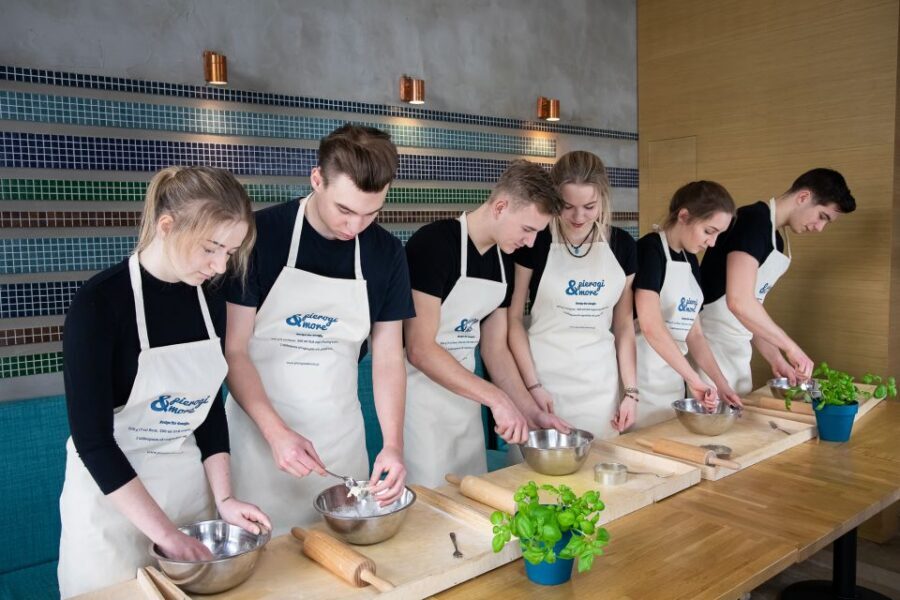
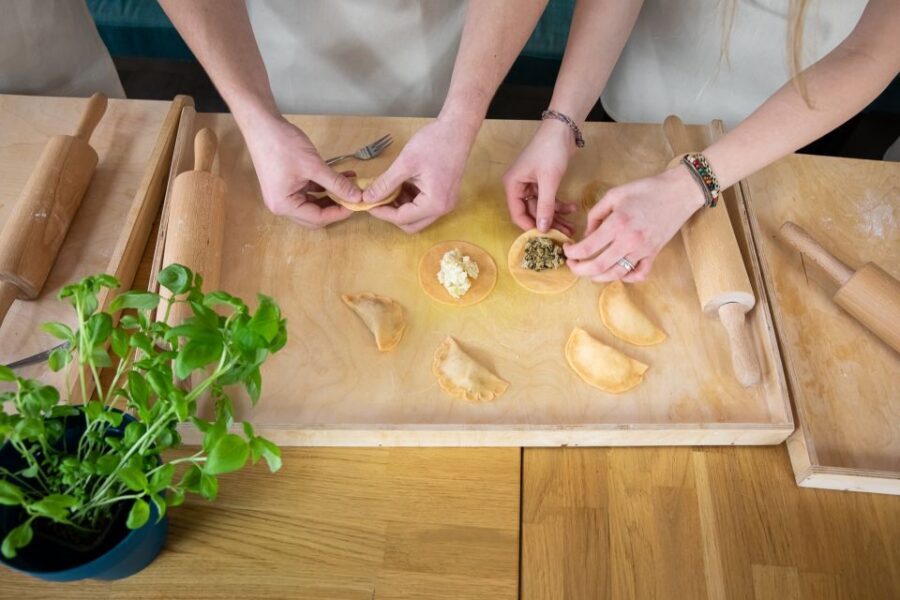
This is the heart of the class. You’ll learn the various techniques for folding the dumplings and pick up hacks that help make them extra tasty.
Edge-sealing is where beginners usually get stuck. If your seal isn’t tight, pierogi can open during cooking, and then you’ve got a dumpling that turns into a pasta-like mess. The format here helps: you’re guided through folding steps, and the group size means you can get corrections without feeling rushed.
Several people praised learning multiple sealing styles. One participant noted learning five different ways, which is a great sign if you like options. Another mentioned trying a shape similar to a tortellini-style fold and wanting more practice for the look.
If you’re the kind of person who cares about presentation, this section is for you. You’ll learn that pierogi edges can be more than functional. They can be a small craft choice, and it’s fun to compare results with the others at your table.
The hands-on pace: how the class stays fun instead of stressful
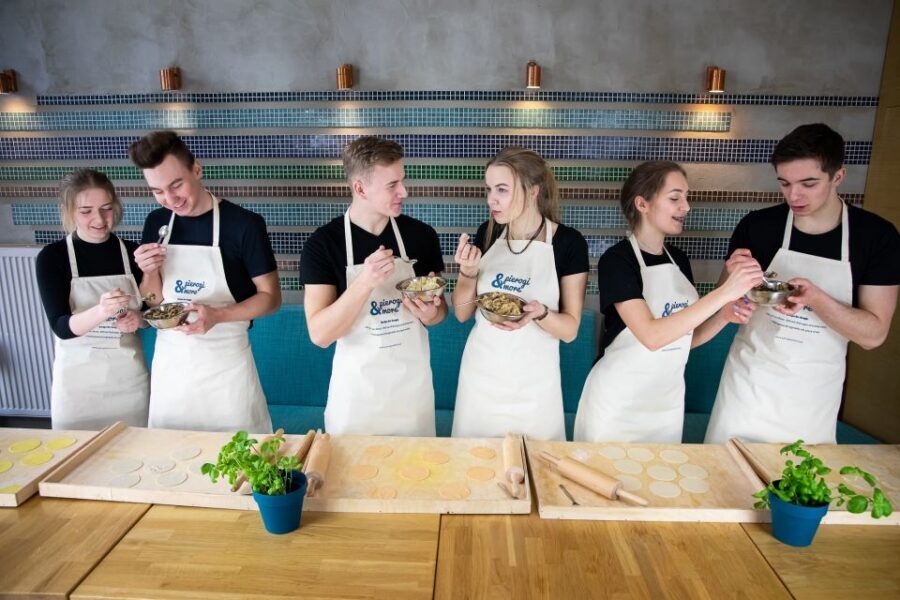
This isn’t a long lecture. You’re moving from dough to filling to shaping, with help along the way.
The small group size (up to 10) is a big reason it stays manageable. People specifically highlighted that instructors were patient and offered individual assistance, and that nobody felt left behind while they practiced their folding.
If you’re nervous about cooking, don’t overthink it. One review even suggested the class works for beginners, with clear steps and enough guidance to get dumplings that hold up and taste good.
There’s one language note to keep in mind. English instruction is listed, and most reviews say the hosts spoke clear English. Still, as with any live class, if an accent or speed makes you miss a step, it’s okay to ask for a repeat in plain terms. That’s part of making the experience work for you.
Other cooking classes in Warsaw
Big meal time: what you eat after you cook
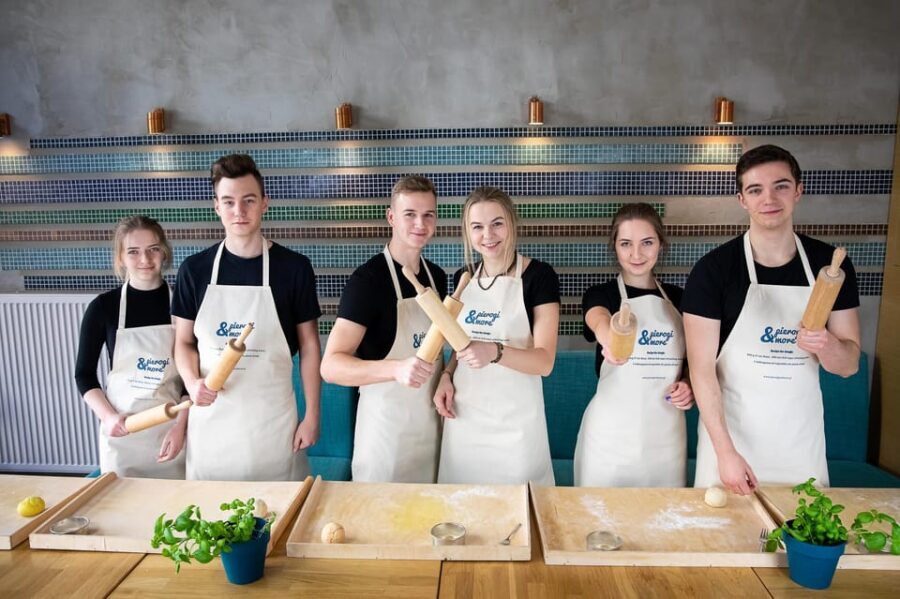
After you finish shaping, you get the payoff. You’ll sample your work with a plate full of pierogi that’s meant to fill you up.
The class includes a big meal, and vegetarian or vegan options are part of that meal. So even if you picked different fillings than your friend, you should still end up with a satisfying table spread.
This is one of those travel classes that doesn’t feel like a ticket to only learn. You get to eat what you made, which is why the whole thing lands better than a demo-only format.
If you’re a topping person, pay attention during the meal. One review called out onion oil, and that kind of finishing touch can be the difference between bland dumplings and dumplings that taste like you’d happily order them again.
Polish liqueur tasting: a sweet finish with a real flavor cue
At the end, you’ll enjoy a tasting of Polish liqueurs. This is included, and it’s described as a well-earned award after the cooking and eating.
One participant named cherry as a favorite. That gives you a clue: don’t expect only one style. Liqueurs can range from fruit-forward to more herbal or spiced notes, so you’re tasting beyond food itself.
Also remember the drink rules. Alcoholic beverages aren’t included. The liqueur tasting is included as part of the class, but if you want extra drinks beyond that, you may need to pay depending on whether you booked an evening or morning session.
Who runs the class: English hosts and a friendly vibe
The instructor is listed as English, and recent feedback includes hosts such as Daria, Ben, Maria, Marysia, Nina, and Patrycja. In other words, you’re likely to get a personable, practiced guide who can keep the room moving while still helping people who are slower with dough.
A few reviews praised hosts who kept everyone included and offered hands-on corrections. That’s exactly what you want in a cooking class. It’s not enough to have a recipe; you need someone to help you actually do it.
If you’re traveling solo or as a couple, the small group format also helps you meet people. Even if you’re focused on your dumplings, you’ll be sharing space and learning steps together, and that makes the class feel like a real evening plan, not a rigid production.
Value check: is $75 worth it for pierogi in Warsaw?
At $75 per person for about 2.5 hours, this class isn’t a budget snack. But value comes from what’s included, and here the list is meaningful.
You get:
- A pierogi-making class with dough, filling choice, and technique practice
- A big meal (with vegetarian or vegan options)
- Water
- A Polish liqueur tasting
- Recipes sent by e-mail plus a recipe booklet
- A link to pictures taken during the class
If you’ve ever tried to learn dumplings from a book, you know the gap isn’t knowledge. It’s execution. Here, you pay for guided technique, small-group help, and then the satisfaction of eating your own batch.
You also get a lasting souvenir that goes beyond taste. The emailed recipes and recipe booklet help you recreate it at home without guessing. The photo link is a small detail, but it’s handy when you want to remember the looks of your finished dumplings and show people what you learned.
Logistics that matter (and the ones to ignore)
You don’t need to bring special gear. What matters most is arriving on time for the intro, wearing clothes you’re comfortable getting flour on, and coming hungry enough for a big meal.
Also note the timing: it’s 2 hours to 150 minutes, and you should check availability for starting times. That matters if you’re pairing it with dinner plans or the Christmas market schedule during busy seasons.
One more practical point: the class isn’t suitable for children under 8. If you’re bringing kids, plan around that age guideline. One review mentioned a 12-year-old with cooking experience doing well, but the only firm rule you should rely on is the under-8 cutoff.
Wheelchair accessibility is listed. If you’re traveling with mobility needs, the venue should work, but it’s still smart to confirm details when booking since classroom layouts can vary by setup.
Should you book this Warsaw pierogi cooking class?
If you want a Warsaw activity that’s hands-on, social, and you get to eat what you make, book it. The small group (max 10), English instruction, and the fact that you leave with recipes and photos makes it a strong use of an evening or late afternoon.
Skip it if you’re looking for sightseeing only, because this is a cooking-focused session with active participation. Also be realistic about alcohol: liqueur tasting is included, but alcoholic beverages aren’t, and drink costs depend on whether you’re in an evening or morning class.
For most people, this is a very satisfying way to take home a Polish skill, not just a taste.
FAQ
How long is the Warsaw Polish dumplings cooking class?
It runs 2 hours to 150 minutes. Starting times vary, so you’ll want to check availability.
Where do I meet the guide?
Meet your guide at Pierogi & More, 3 Stawki Street, 00-193 Warsaw. Enter from the street and look for the large Pierogi & More sign.
Is the class taught in English?
Yes. The instructor is listed as English.
What’s included in the price?
The class includes pierogi making, a big meal with vegetarian or vegan options, water, Polish liqueur tasting, emailed recipes, a recipe booklet to take home, and a link to pictures taken during the class.
Are drinks included?
Alcoholic beverages aren’t included. Drinks are included in the price of the evening class only; if you book a morning class, you may order drinks at your own cost.
Can I choose vegetarian or vegan pierogi?
Yes. You can choose vegetarian or vegan options, and the meal afterward also has vegetarian or vegan options.
How many people are in the group?
It’s a small group limited to 10 participants.
Is the class suitable for children?
It is not suitable for children under 8 years.
Is the experience wheelchair accessible?
Yes, wheelchair accessibility is listed.
Is the booking refundable if I cancel?
The activity is non-refundable.