REVIEW · WARSAW
Warsaw: POLIN Museum of the History of Polish Jews Ticket
Book on GetYourGuide →Operated by Museum of the History of Polish Jews · Bookable on GetYourGuide
One museum, a thousand years. POLIN turns Polish Jewish history into a hands-on story route, and the audio guide helps you follow each era at your own pace.
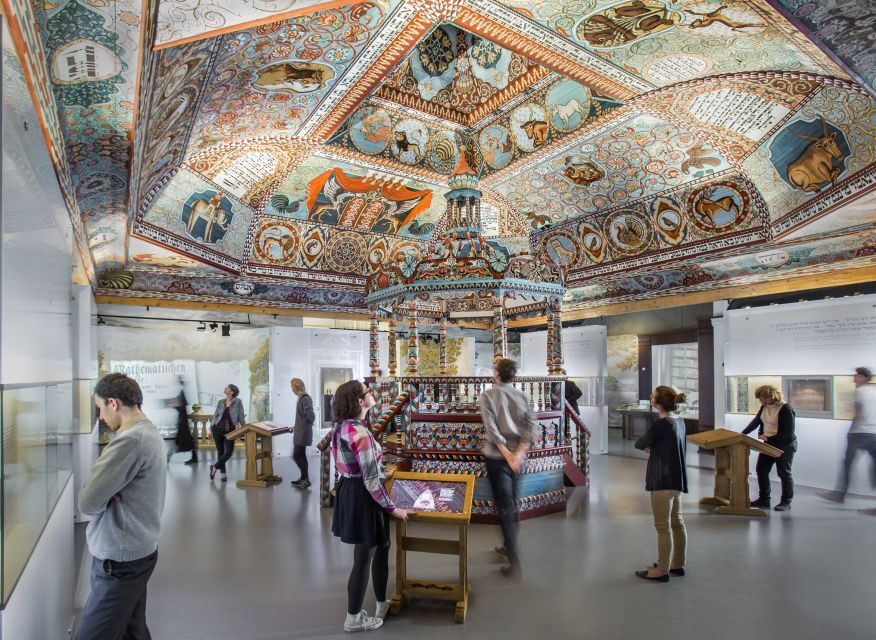
I especially like how the exhibits use artifacts and paintings plus hands-on stations, including the striking reconstructed synagogue ceiling and a clear flow through eight galleries. It’s the kind of design that keeps you moving without feeling rushed.
A drawback: it’s not a quick stop. Expect to plan 3–5 hours for the full experience, and remember the museum won’t let you enter the core exhibition after 2 hours before closing.
In This Review
- Key things to know before you go
- Why POLIN starts with everyday life, not just WWII
- Your 1-day visit plan: how long to budget and how closing works
- Entering smoothly: tickets, scanning, and what you can bring
- The 8 galleries: the story arc you’ll actually walk through
- A highlight you shouldn’t miss: the reconstructed synagogue ceiling
- Optional add-on: the ghetto fighters special exhibition
- Audio guide tech: why it’s helpful, and when it can annoy you
- What makes the museum design work for long visits
- Holocaust content: powerful, structured, and not just shock value
- Price and value: why $12 can be a bargain if you use the full day
- Who should book POLIN, and who might adjust expectations
- Should you book POLIN Museum in Warsaw
- FAQ
- How long should I plan to spend at POLIN?
- Can I leave the museum to get lunch and return the same day?
- What time restrictions should I know about for entry?
- Is a guided tour included?
- What languages are available for the experience?
- Does the museum require security scanning before entering?
- Are there rules for children and supervision?
- When is the museum closed?
Key things to know before you go
- Audio guide that tracks where you are: the narrative lines up with your position, so you don’t have to keep guessing.
- Eight galleries across 1,000 years: the story moves from early communities to modern life, not just the Holocaust.
- Terror is one dedicated section: it helps keep the WWII material clear and structured within the bigger history.
- Interactive “do something” moments: button panels and installations make you work a little, which helps the history stick.
- Plan for real walking time: many people end up staying well past the 2-hour core estimate.
- Food and breaks are built in: seating spots and a museum restaurant make long visits easier.
Why POLIN starts with everyday life, not just WWII
POLIN is built around a simple idea: you can’t understand the tragedy without seeing the long stretch of community life before it. That’s why the museum’s timeline covers centuries of Polish Jewish history, from early settlement to the present day.
I like the way the museum gives context before it ever gets to the worst chapters. You learn about community structures, religious and social diversity, and the role of Jewish people in broader Polish life, so the Holocaust section lands with more clarity instead of feeling like an isolated event.
The balance is part of the value here. Even though you will face the Holocaust head-on, POLIN also shows how culture and community were rebuilt after the Second World War. One strong takeaway is that Jewish life in Poland wasn’t a single story with a single ending—it was many eras, many voices, and many changes.
Other POLIN and Jewish heritage tours in Warsaw

Your 1-day visit plan: how long to budget and how closing works
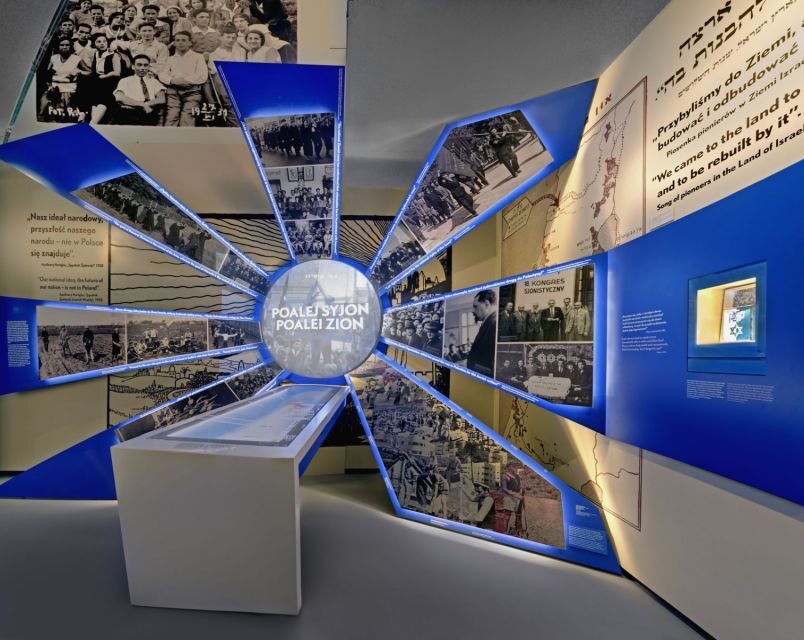
This ticket is valid for one day, and you can enter whenever you like during that day. The core exhibition is estimated at about 2 hours, but that’s the minimum most people should treat as a baseline.
In real life, you’ll likely do more. Many visitors report staying 3 to 6 hours depending on how much you read, how often you stop at interactive stations, and how deeply you listen to the audio guide.
Two timing rules matter a lot:
- The museum won’t accept entry into the core exhibition 2 hours before closing. You can still be inside, but you don’t want to arrive late and miss major sections.
- You can leave the museum for lunch and return the same day. If you’re the type who gets better after food, this is a smart option.
Quick practical tip: give yourself a cushion. If you start with a late time slot, you might have to skim the end instead of relaxing into it.
Entering smoothly: tickets, scanning, and what you can bring
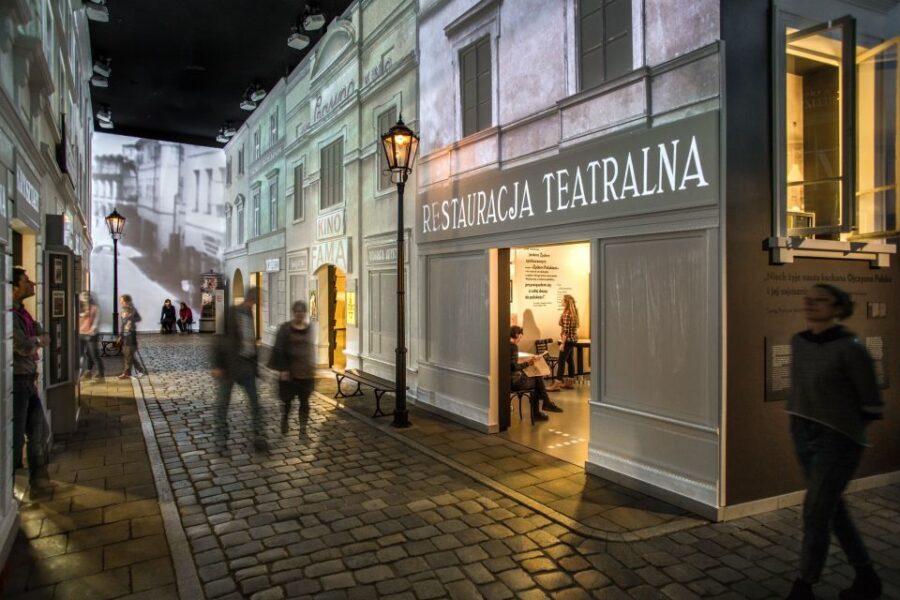
At the museum, you present your voucher to enter. The experience starts with electronic scanning before you reach the core exhibition area, so plan for that small security moment.
Also note the luggage rule: oversize luggage isn’t allowed. If you’re carrying big bags, plan to store them before you head in—or keep your load light.
Language is straightforward. The museum and audio materials are available in Polish and English, which is a big win if you’re traveling with people who don’t speak Polish.
And yes, the museum is wheelchair accessible, so mobility shouldn’t be a deal-breaker. The layout does include areas with lower ceilings, though, which can be a comfort issue for taller visitors.
The 8 galleries: the story arc you’ll actually walk through
POLIN is organized into eight galleries that move through time, using artifacts, paintings, interactive installations, and audio/visual storytelling. You’re not meant to breeze through. The museum is more like a guided path where the design nudges you to notice details.
Here’s the way the experience typically reads as you go:
- Early Jewish settlement and community life in Poland: you start with the origins and growth of Jewish communities.
- Community roles and individual figures: you see how Jewish people participated in and shaped society.
- Change over time: the museum shows shifts in religious life, social structures, and how modern pressures affected identity.
- The Holocaust and its impact: this is not a side chapter. The WWII material is presented as one major portion (people often point to the dedicated Terror section).
- After the Second World War: you finish with how culture and community were revived, even when the wounds were still fresh.
One reason this works well is that the museum doesn’t treat history like a single straight line. It shows how political, social, and religious diversity evolved—then shows how the Holocaust shattered it.
A highlight you shouldn’t miss: the reconstructed synagogue ceiling
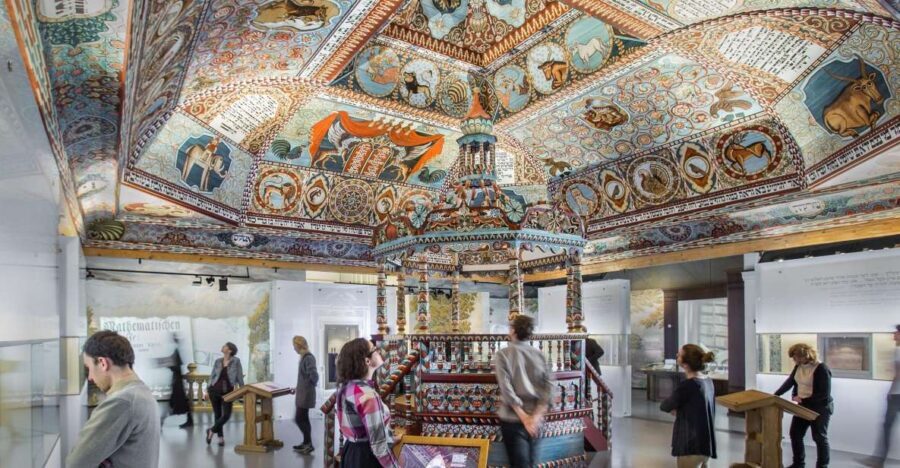
More than once, visitors flag the visual centerpiece: the reconstructed synagogue ceiling. It’s one of those moments where the room itself helps you feel the setting—like the museum briefly shifts from timeline to place.
If you’re tempted to speed up, this is where you should slow down. Even if you only catch a few minutes of the story around it, it tends to stick.
A few more Warsaw tours and experiences worth a look






Optional add-on: the ghetto fighters special exhibition
There’s also mention of an optional special exhibition about ghetto fighters. If you want a stronger focus on resistance and wartime agency, it’s worth checking whether it’s available during your visit. If it’s not, you’ll still get a full WWII framework inside the core galleries.
Audio guide tech: why it’s helpful, and when it can annoy you
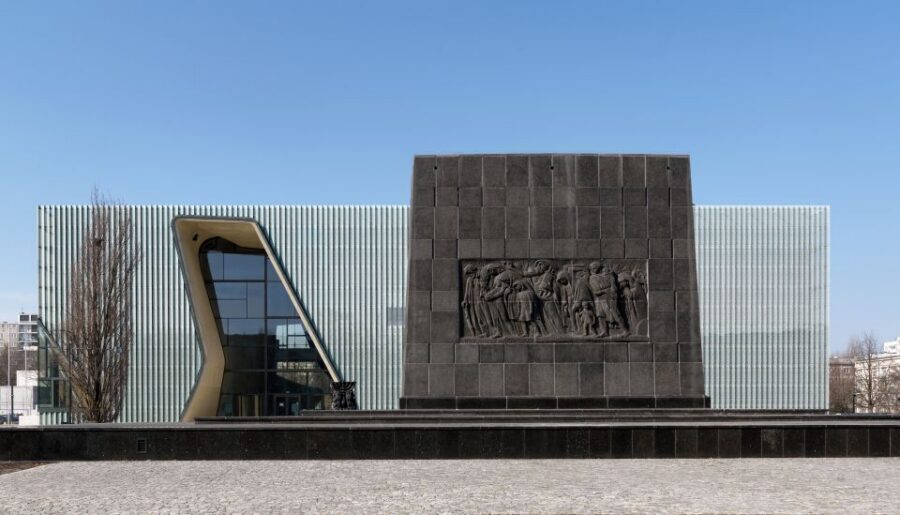
The audio guide is included, and it’s a key part of how POLIN stays readable and understandable. One of the best notes about the system is that it can recognize where you are and automatically give the correct narrative.
That matters because POLIN is full of text panels and historical objects. If the audio didn’t track your position, you’d constantly be orienting yourself instead of learning.
Still, there are two practical gotchas to keep in mind:
- Some people find it distracting when they’re reading wall text at the same time as listening. If you’re a slow reader, you might occasionally switch between listening and reading.
- Noise can happen. At times, larger school groups can make it harder to hear clearly in certain areas.
My advice: carry expectations. Use the audio to structure your visit, but don’t feel like you must listen to every single sentence. The best museum moments here aren’t only the audio—they’re the objects, the interactive pieces, and the pauses you take.
What makes the museum design work for long visits
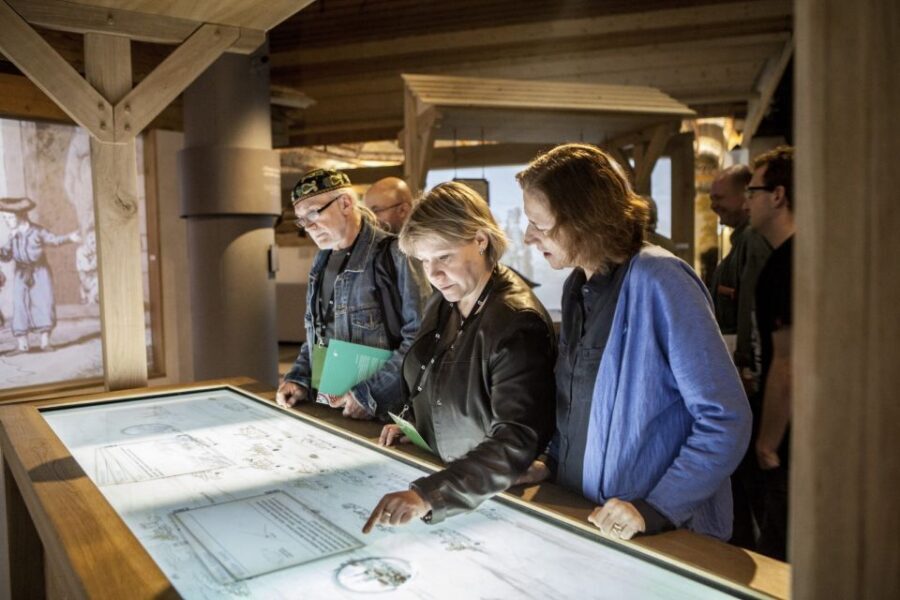
POLIN is built for pacing. Many people mention that it feels easy to move at your own speed, with plenty of stops and places to rest.
I also like that the museum includes frequent places to regroup. Seating is available throughout, and there are rest spots that help when you hit the heavier sections of the story. One tip you’ll hear is that bringing or using portable seating/chairs can help, especially if you want to linger at certain displays.
There’s also practical comfort in the food setup. The museum restaurant is described as cafeteria-style, but the quality is repeatedly praised, with generous portions for the price point.
If you’re planning a longer day, treat lunch as part of the plan—not a break you rush through.
Holocaust content: powerful, structured, and not just shock value
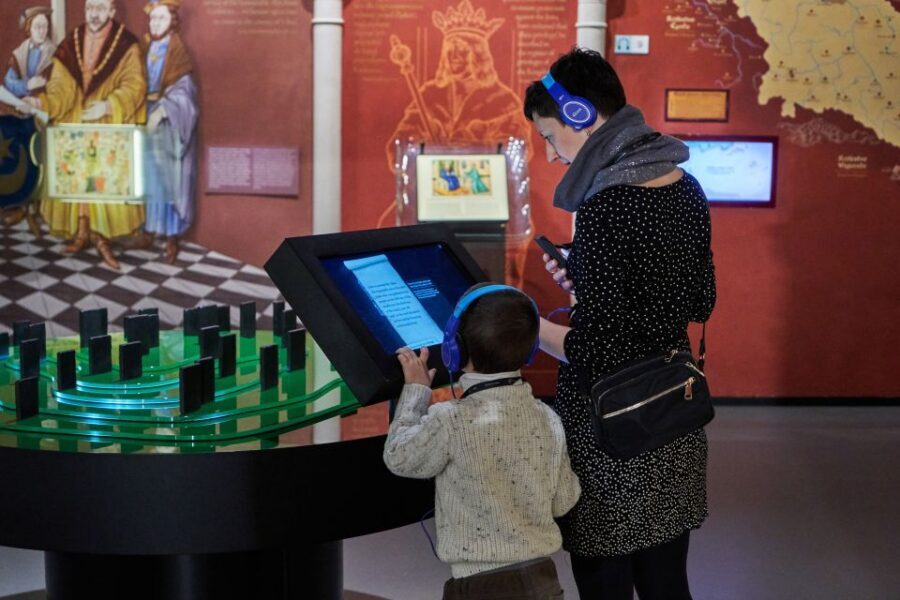
The Holocaust portion is undoubtedly intense. POLIN doesn’t hide it, and it doesn’t present it like trivia. Instead, it’s embedded in a larger framework of what was destroyed and how life was reshaped politically, socially, and religiously.
What I appreciate is that the museum doesn’t reduce Jewish history to only the final years of WWII. That matters because it pushes you to think beyond suffering and notice the full historical pattern—community life, change, diversity, and then catastrophe.
One consideration: if your personal priority is strictly WWII, you may still find yourself walking through a lot of earlier material first. Some visitors say they got tired during the pre-18th-century sections, and wished they had more energy for the 19th and 20th-century parts. If you’re short on time, build a plan that includes how you want to focus your attention.
Also keep expectations honest: one visitor felt the WWII portion could have been more impressive. That’s a useful reminder that even when the museum’s approach is strong, personal interests shape what feels like a “peak” moment.
Price and value: why $12 can be a bargain if you use the full day
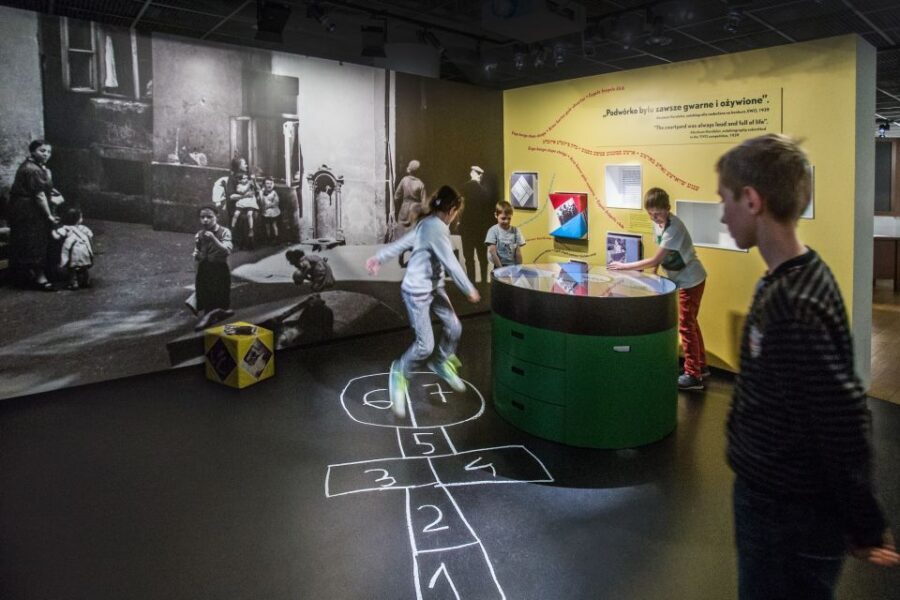
At about $12 per person, the ticket price is hard to argue with for what you get. The ticket includes:
- access to the permanent exhibition
- access to the temporary exhibition if it’s available
- an audio guide
You’re not paying for a guided group tour here. That keeps the cost down, and it also lets you control pacing. If you like museums where you can stop and think, this format fits well.
The real value is that POLIN gives you a full arc—1000 years—so you’re not buying a single themed hour. Even if you only do the core route, you should still come away with a clearer sense of how Jewish life in Poland formed, changed, endured, and was devastated—then rebuilt.
Who should book POLIN, and who might adjust expectations
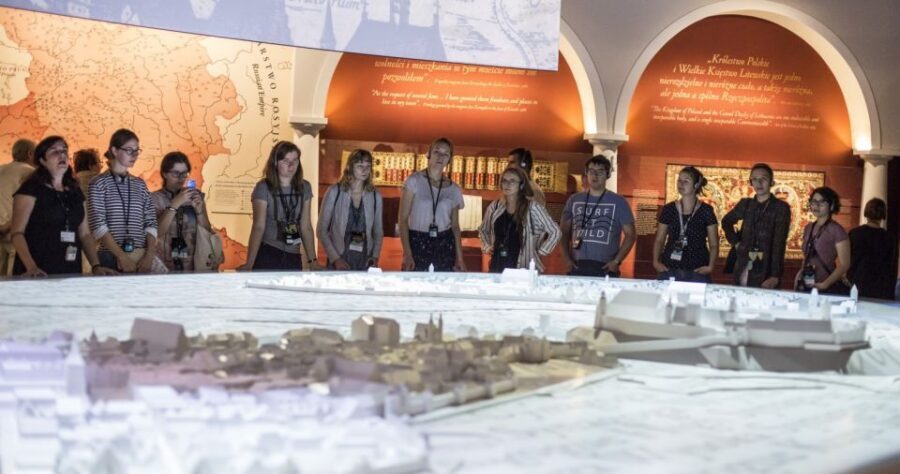
I’d send POLIN to anyone who wants real historical context, not just a single dramatic chapter. It’s especially good if you like museums that combine objects + storytelling + interactive stations.
It also pairs well with other Warsaw and Poland history stops. One visitor described POLIN as a meaningful complement to Auschwitz Birkenau, because it provided additional context beyond what you see in a site focused on the Holocaust.
That said, you should adjust expectations if:
- you want a short, light visit (this isn’t that)
- you’re sensitive to heavy subject matter (plan your pace)
- you’re mainly interested in the most recent centuries and WWII (you’ll still travel through earlier eras first)
If you’re traveling with kids, note the age rules: children 7 and younger can enter for free, while kids 12 and younger need adult supervision at all times.
Should you book POLIN Museum in Warsaw
Yes, if you have at least half a day and you want a structured, story-driven way to understand Polish Jewish history. The combination of audio guidance, interactive design, and a 1000-year timeline makes it excellent value, even at the modest price.
I’d especially book it if you want more than a Holocaust museum. POLIN gives you the context that helps the WWII story make more sense, and it ends with how culture was revived after the Second World War.
If you’re tight on time, don’t gamble on squeezing it in. Pick a start time early enough that you’re not cutting off the core exhibition by arriving too late.
FAQ
How long should I plan to spend at POLIN?
The core exhibition is estimated at about 2 hours, but many visitors end up staying 3 to 6 hours. Plan for more time if you want to use the interactive stations and listen carefully to the audio guide.
Can I leave the museum to get lunch and return the same day?
Yes. You can leave to have lunch and return within the same day.
What time restrictions should I know about for entry?
Admission to the core exhibition closes 2 hours before the museum’s closing time. You can still visit other areas if you’re inside, but don’t arrive too close to the cutoff.
Is a guided tour included?
No. A guided tour isn’t included; you’ll have access to the permanent exhibition, temporary exhibition access (if available), and an audio guide.
What languages are available for the experience?
The materials are available in Polish and English.
Does the museum require security scanning before entering?
Yes. Every guest must undergo electronic scanning before entering the core exhibition.
Are there rules for children and supervision?
Children aged 7 or younger enter free of charge. Children aged 12 or younger need to be supervised by an adult at all times.
When is the museum closed?
The museum is closed on Tuesdays.