REVIEW · WARSAW
Warsaw: Warsaw Ghetto Private Walking Tour with Hotel Pickup
Book on GetYourGuide →Operated by PolinTours · Bookable on GetYourGuide
A memory you can walk. This private tour turns the Warsaw Ghetto into real streets and named places, with context you can actually follow. You’ll cover why the Nazis built the ghetto, how liquidation worked, and how the 1943 uprising changed everything—at a pace you can keep up with.
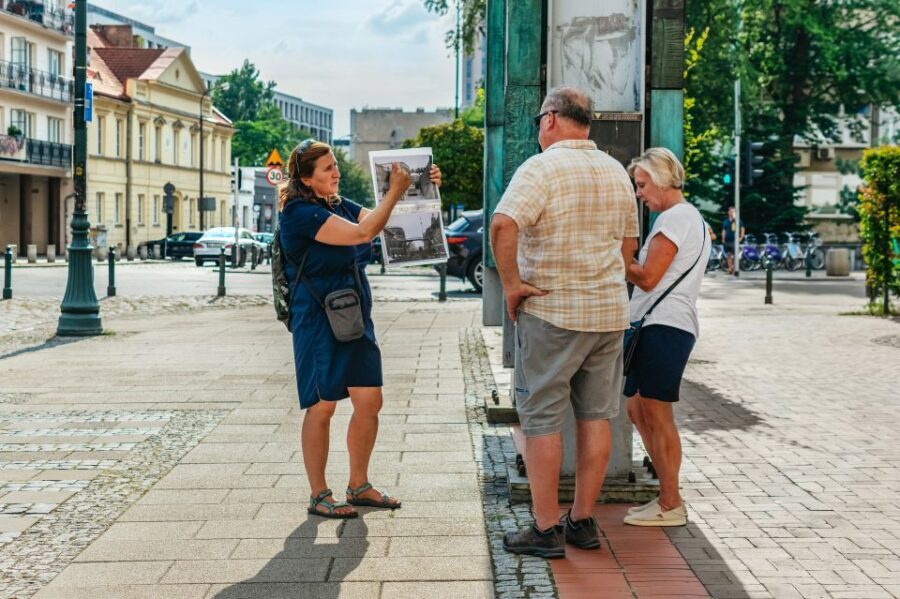
I especially love that it pairs walking with concrete visuals like old photos and maps, so the gaps between then and now don’t feel fuzzy. I also like that it ends in the most haunting context points, including Umschlagplatz and the Monument to the Ghetto Heroes. One thing to plan for: it’s heavy, and it’s not designed for kids under 14 or anyone with mobility limits.
In This Review
- Key Highlights You’ll Care About
- Warsaw Ghetto: How A City Was Turned Into A Trap
- Getting There: Private, 3 Hours, And A Real Walk Route
- Tracing The Ghetto Boundaries: Walls, Fragments, And What’s Left
- “The Last Street” And The Weight Of Location
- Synagogue Stop: Warsaw’s WWII Survivor Still In Use
- Umschlagplatz: The Collection Point And Its Cold Symbolism
- The Warsaw Ghetto Uprising: Why People Took Up Arms
- Cost And Value: Is $84 Worth It For A 3-Hour Private Tour?
- Practical Planning: What To Bring, What To Expect
- Who Should Book This Warsaw Ghetto Tour
- Should You Book It?
- FAQ
- How long is the Warsaw Ghetto Private Walking Tour?
- What does the tour include?
- Is hotel pickup guaranteed?
- What languages is the tour offered in?
- What sites are included during the tour?
- Do I need to pay anything at the synagogue?
- Is food and drinks included?
- What should I bring?
- Who is this tour not suitable for?
Key Highlights You’ll Care About

- Umschlagplatz symbolism: how the collection point fits into the mechanics of destruction
- Fragments of ghetto walls: see what’s left and what it means in today’s city
- Last street of the ghetto: a short walk that carries a lot of weight
- Warsaw’s surviving WWII synagogue: still in operation, not just a ruin
- The 1943 uprising story: why armed resistance happened, and what followed
- Private group flow: you can ask questions and set a comfortable pace
Warsaw Ghetto: How A City Was Turned Into A Trap
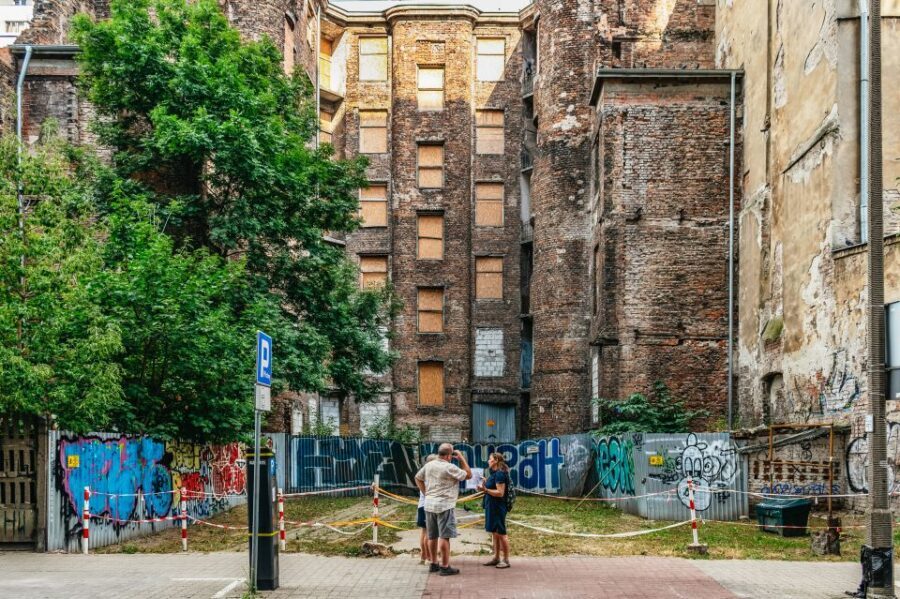
Start with the timeline, because it matters. In 1940, the Nazis established the ghetto in the heart of Warsaw. Jews from Warsaw and the surrounding area were crammed into about 4 square kilometers—more than 400,000 people in a space that simply could not support normal life.
The tour makes the scale hard to forget: around 100,000 people died from exhaustion, hunger, and disease inside the ghetto. Then comes the grim math of deportation: more than 300,000 were killed in Treblinka. And that’s not just a statistic. It’s why everyday choices—where you went, what you carried, who you trusted—had life-or-death consequences.
One detail I value here is the framing around intent. You’ll hear about the supposed logic of destruction and how the Nazis turned planning into execution. It’s not presented as vague evil. It’s shown as a system with steps, roles, and timing.
Other private tours in Warsaw



Getting There: Private, 3 Hours, And A Real Walk Route
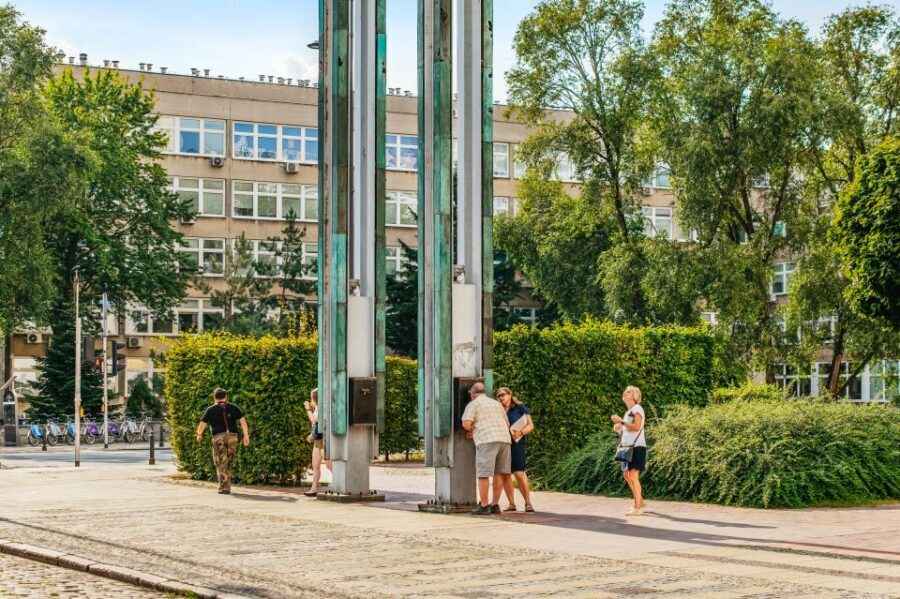
This is built as a private group tour, lasting about 3 hours. You have a licensed guide, plus transportation by car and hotel pickup/drop-off included in the experience. Pickup is also described as optional, so you should treat the meeting point as your main anchor.
Your meeting point is Prozna st. 9, between Bistro Charlotte Menora and Strefa Restaurant. Look for the guide holding a PolinTours sign. Practically, that means you can arrive a few minutes early, confirm you’ve got the right group, and stop worrying.
The walking is central. Comfortable shoes are not a suggestion here; they’re the difference between learning and suffering. You’ll cover several key sites connected to the ghetto’s boundaries and major locations. The tone stays respectful, but the pace still requires stamina.
Also note the limits: this tour isn’t suitable for children under 14, and it isn’t recommended for people with mobility impairments. The route is built around walking and site viewing.
Tracing The Ghetto Boundaries: Walls, Fragments, And What’s Left
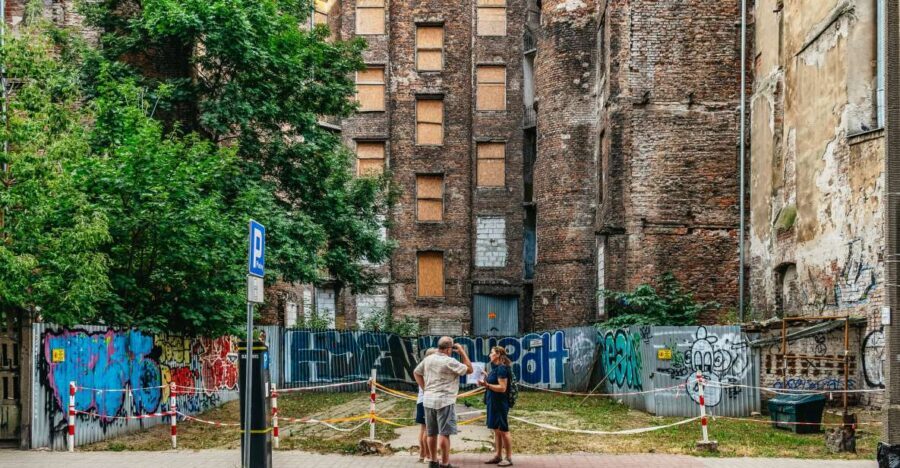
One of the most powerful parts is seeing what survives in the modern city. You’ll explore fragments of the ghetto walls and understand where the boundary would have felt tight and final.
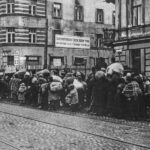
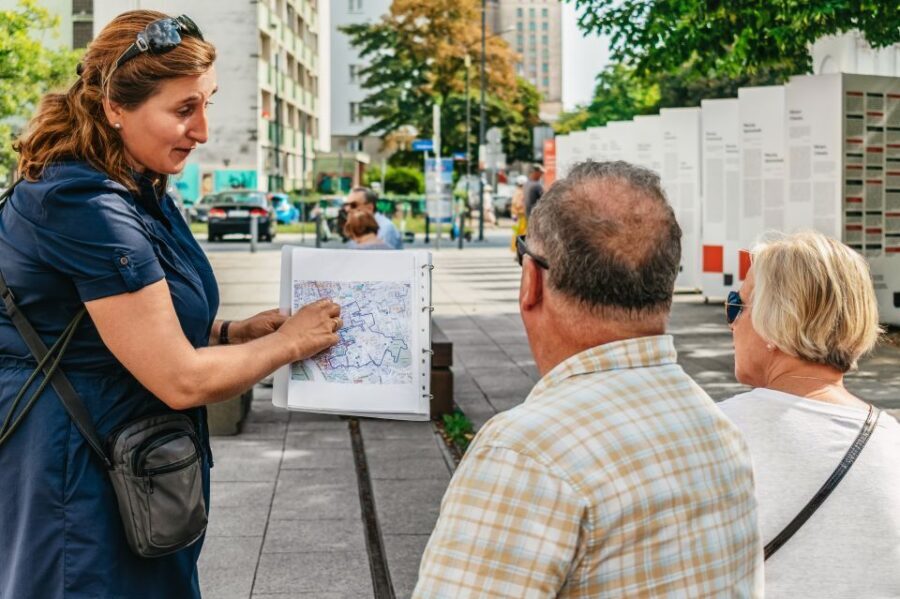
In Warsaw today, it’s easy to walk past pieces of history without realizing they matter. That’s exactly why a good guide is crucial. With maps and old photos, you can match a present-day corner to the wartime layout, and suddenly the city makes sense as a document.
You’ll also learn about the neighborhoods located within the ghetto area—how the ghetto wasn’t only a single street or one district, but an entire enclosed living space. That’s where the story shifts from tragedy-as-a-concept to tragedy-as-a daily schedule.
If you’re the type who likes to ask questions, this is a good tour for that. The format gives time for clarifying details, like why the Nazis designed this as a forced enclosure in the first place, and why it became part of a larger “final solution” plan.
“The Last Street” And The Weight Of Location
The tour includes the last street of the ghetto, plus nearby reminders of the ghetto’s layout. The wording sounds simple, but the experience feels concentrated. A single street can carry the entire emotional timeline: start with confinement, watch the pressure build, then reach the moment the Nazis tried to erase what was inside.
This is where I think the tour does something rare. It doesn’t treat the ghetto sites like postcards. It uses location as evidence. You’re shown real places and then connected back to what happened there—how the Nazis tried to make the end inevitable, and how people responded when that end became clear.
It’s also where you’ll notice how the tour connects “big history” to small lived experiences. The guide explains everyday life in the ghetto, and the explanation helps you understand why rebellion was not just heroic in theory—it was desperate in practice.
Synagogue Stop: Warsaw’s WWII Survivor Still In Use
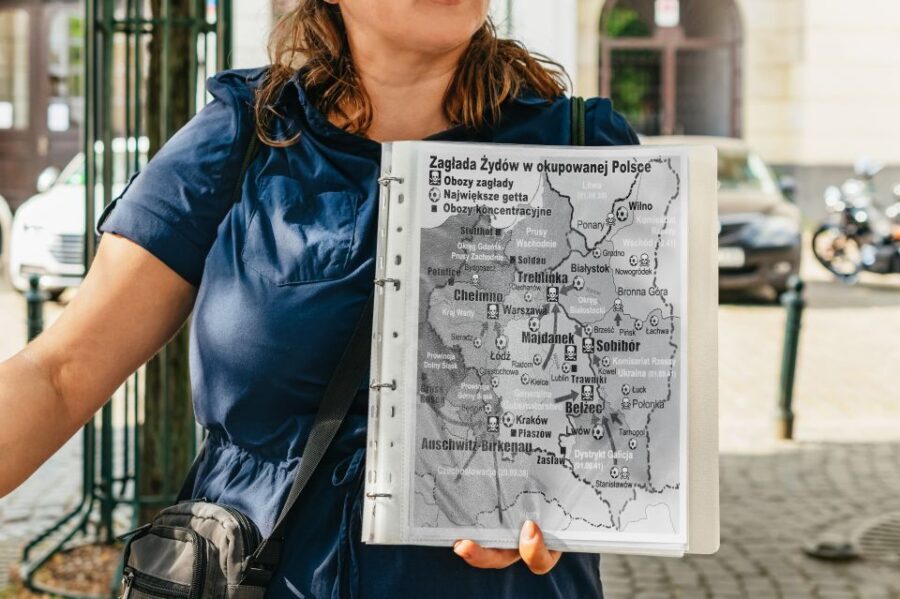
The tour includes a visit to the only synagogue in Warsaw that survived the Second World War and is still in operation. That’s a huge difference from many Holocaust sites, which are often only ruins or empty foundations.
This stop matters because it resists the idea that everything was destroyed. Yes, the war was catastrophic. But the story isn’t only about loss. It includes continuity—religious life and community that didn’t end when the Nazis tried to erase Jewish existence from the city.
There is also a practical item: you’ll need to plan a donation/entrance payment for the synagogue, 20 PLN (about 5 EUR or 5 USD, depending on current exchange rates). Bring cash if you can.
If you’re sensitive to intense sites (and you should be), give yourself a moment here. It’s not just a historical marker. It’s a living place that survived.
Other walking tours we've reviewed in Warsaw





Umschlagplatz: The Collection Point And Its Cold Symbolism
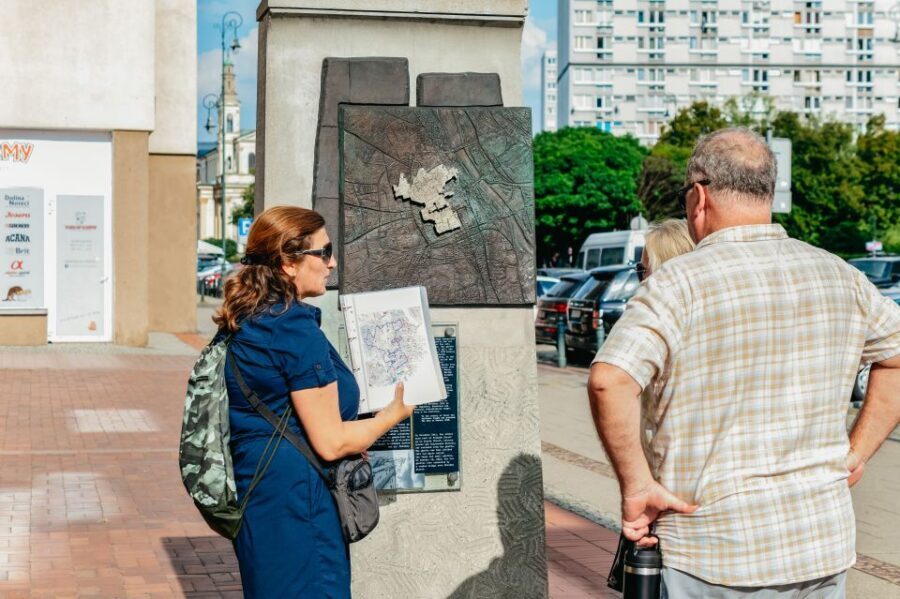
Then comes Umschlagplatz, described in the tour as a place with deep symbolism: the collection point. If you know only the broad outlines of deportation, this stop gives you a sharper mental picture of how the process was organized.
The tour connects Umschlagplatz to the liquidation phase. You’ll learn where the Nazis put their plan into action, and how deportation wasn’t random—it followed a system. Understanding that system is part of what makes this tour feel so important: it shows the machinery, not just the outcome.
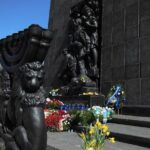
From there, you’ll also see the Monument to the Ghetto Heroes. This isn’t only a memorial stop. It ties the earlier “why” (confinement and destruction) to the “how” (resistance and uprising), so the story holds together emotionally instead of feeling like separate facts.
The Warsaw Ghetto Uprising: Why People Took Up Arms
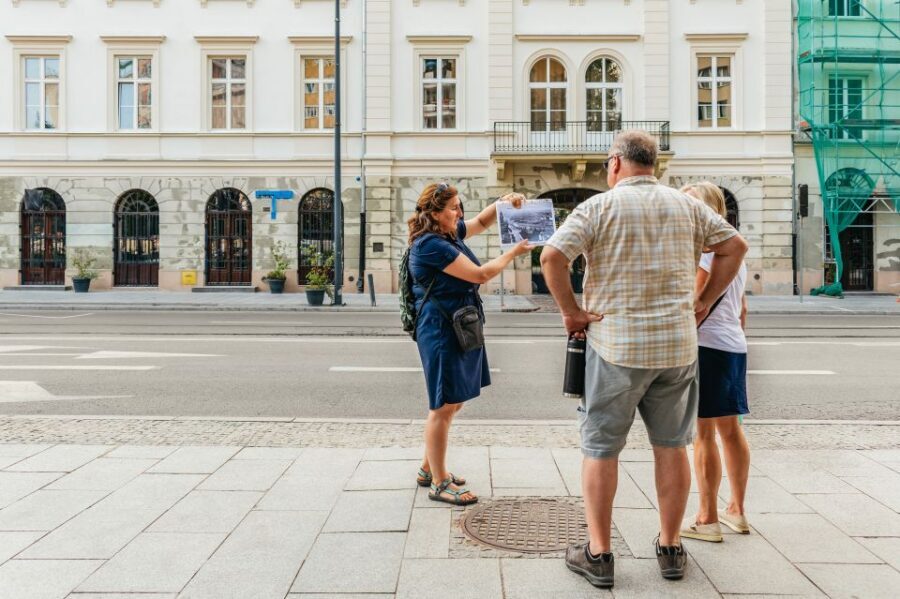
The uprising is the emotional hinge of the whole experience. As the Nazis attempted to completely liquidate the ghetto, an uprising broke out in 1943.
The tour explains that the unequal struggle between the rebels and armed German troops lasted nearly one month. In revenge, the Nazis destroyed the ghetto completely. That’s the brutal arc.
But what the tour helps you grasp is why the uprising was chosen at all. You’ll hear about why the Jews took up arms—how desperation, timing, and the knowledge of what was coming pushed people toward resistance even when odds were terrible.
You’ll also learn about who helped—and the guide’s coverage emphasizes that resistance and survival involved networks and choices, not just isolated acts. That detail keeps the story from turning into a single-name legend.
A thread you may recognize from popular culture appears here too: the tour mentions Władysław Szpilman, whose story is connected to The Pianist by Roman Polanski. It’s a way to remember that survivors weren’t abstract figures. They were real people living through the end of the ghetto era.
Cost And Value: Is $84 Worth It For A 3-Hour Private Tour?
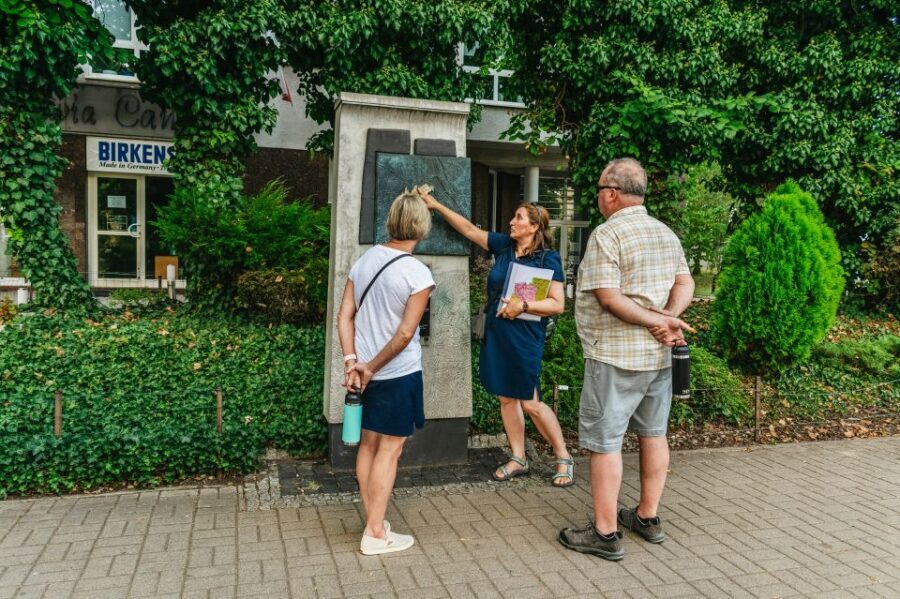
At $84 per person for about 3 hours, this isn’t a budget add-on. The question is whether the private, guided format earns its keep.
Here’s why it can feel like good value:
- You’re not trying to self-route through locations that have few obvious markers. The guide ties the city to the ghetto’s shape.
- You get a licensed guide plus city plan materials and booklets.
- The tour includes car transportation and optional hotel pickup/drop-off, so you’re not spending your limited time stitching together transit and walking.
- The private setup means you can ask questions and move at your pace, which matters a lot for heavy topics.
If you compare this to group tours, the private element is usually what justifies the price. Many reviews highlighted that the tour kept people engaged for the full duration and answered questions thoughtfully. That’s the practical payoff: you leave with a coherent story, not a pile of disconnected stops.
The one price-related consideration is simply this: because this subject is so important, it can feel emotionally loaded to pay a premium. If you’re price-sensitive, consider whether you’d rather do a longer independent visit plus one museum hour, or invest in a tight guided narrative.
Practical Planning: What To Bring, What To Expect
This tour is strict about comfort and respect. Bring:
- Comfortable shoes
- Hat and/or head covering (or a kippah)
- Sunscreen (it’s still a walk in open air)
- Cash for the synagogue entrance/donation
Not allowed:
- Oversize luggage
- Luggage or large bags
That’s worth taking seriously. If you’re traveling light already, good. If not, use lockers before you arrive so you don’t spend your tour managing bags.
Also keep in mind the content. This is built around the establishment and liquidation of the largest ghetto in Europe, and the story includes deaths from hunger, disease, and extermination. The guide handles it with a neutral, factual tone, but the material is inevitably painful. Plan your day accordingly.
Who Should Book This Warsaw Ghetto Tour
This tour fits best if you:
- Want a guided, location-based explanation rather than reading isolated plaques
- Prefer a private format that lets you ask questions
- Are looking for a clear timeline: 1940 establishment → liquidation plan → 1943 uprising → total destruction
- Would benefit from maps and old photos while walking through modern Warsaw
It’s not a fit for everyone. If you need a stroller-friendly route or have mobility constraints, this isn’t designed for that. If you’re traveling with kids under 14, you’ll need a different option.
Should You Book It?
Yes, you should book this tour if you want the Warsaw Ghetto story told with structure and place-based detail. The format is made for understanding: you walk to real remnants, you visit the surviving synagogue, and you end with the key turning points like Umschlagplatz and the uprising.
Skip it only if you’re not ready for intense, heavy history on foot, or if your mobility needs won’t work with an outdoor walking route.
If you do book, do one smart thing: wear good shoes, bring cash for the synagogue, and give yourself time afterward to sit with what you just learned instead of rushing straight to the next stop.
FAQ
How long is the Warsaw Ghetto Private Walking Tour?
The tour lasts about 3 hours.
What does the tour include?
It includes a licensed tour guide, transportation by car, city plan and information booklets, and hotel pickup and drop-off.
Is hotel pickup guaranteed?
Pickup is described as optional. You should plan to meet at Prozna st. 9 and look for the PolinTours sign.
What languages is the tour offered in?
The live tour guide is available in English and German.
What sites are included during the tour?
You’ll see fragments of ghetto walls, the last street of the ghetto, Umschlagplatz, the Monument to the Ghetto Heroes, and you’ll visit the only Warsaw synagogue that survived the Second World War and is still in operation.
Do I need to pay anything at the synagogue?
Yes. There is a synagogue payment/donation of 20 PLN (or about 5 EUR or 5 USD).
Is food and drinks included?
No. Food and drinks are not included.
What should I bring?
Bring comfortable shoes, a hat, head covering (or a kippah), sunscreen, and cash.
Who is this tour not suitable for?
It’s not suitable for children under 14 or for people with mobility impairments.