REVIEW · WARSAW
Warsaw: Old Town Guided Walking Tour
Book on GetYourGuide →Operated by Walking Poland Group · Bookable on GetYourGuide
History hits hard in Warsaw. This Warsaw Old Town guided walking tour strings together the UNESCO Old Town core with the Royal Castle area and the Warsaw Mermaid photo spot. I like that it moves fast enough to feel efficient, but still gives you context as the streets change from royal to tragic.
I also love the human touch. The walk stays small (up to 25–30 people), and the guide style is practical and story-led, with plenty of laughs mixed in by guides like Anthony, Thomas, and Antek.
The main thing to plan for is comfort. It’s a true walking tour, so winter cold, snow, and rain can make those 2 hours feel longer than you expect. Dress for the weather, not the forecast.
In This Review
- Key points that make this tour worth your time
- Starting at Sigismund’s Column: Your Warsaw orientation marker
- Royal Castle Gardens and the Royal Castle vibe
- Rynek Starego Miasta and the Warsaw Mermaid photo
- The Narrowest House façade: a detail you’ll remember
- St. John’s Cathedral and the Jesuit Church: faith, architecture, and time
- The City Wall remnants and the Barbican: defense lessons in stone
- Old Town viewing terrace: the river-and-city perspective
- New Town and Marie Curie’s birthplace: science inside the same city
- Ghetto boundary markers and the Ghetto Wall Monument: remembering 1943
- Warsaw Uprising Monument (1944): why the story is bigger than one day
- How the 25–30 person group style actually improves the experience
- Guide quality: the best part is the balance
- Timing, pace, and what to do if you want extra value
- Price and value: how $13 fits a tour this packed
- Who this tour is best for
- Should you book this Warsaw Old Town walking tour?
- FAQ
- How long is the Warsaw Old Town guided walking tour?
- Where does the tour start?
- Where does the tour end?
- What price should I expect?
- How big are the groups?
- What languages is the live guide available in?
- Is the Old Town area part of UNESCO?
- Does this tour include WWII and Jewish history sites?
- Is this a pay-as-you-wish style tour?
- Can I cancel for a full refund?
Key points that make this tour worth your time
- Castle Square start right by Sigismund’s 22-meter column, so you get your bearings fast
- UNESCO Old Town route with the Mermaid, the Narrowest House façade, and major churches
- Royal Castle Gardens + castle grounds to understand the city’s old power before WWII
- Old walls, Barbican, and a terrace view for a sense of how Warsaw defended itself
- WWII focus without stopping the flow at ghetto boundary markers and the Warsaw Uprising Monument
- Small group paths that help you see more and hit fewer crush points in peak areas
Starting at Sigismund’s Column: Your Warsaw orientation marker
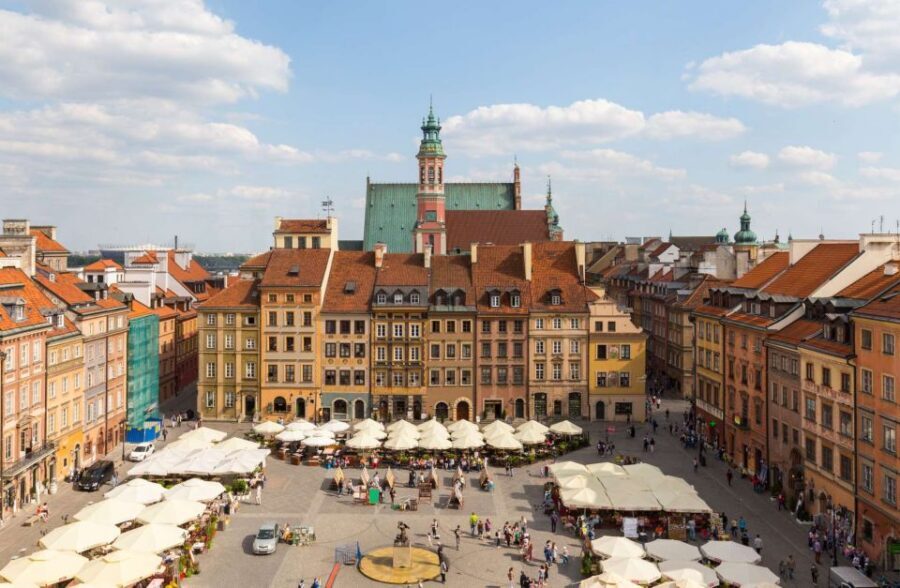
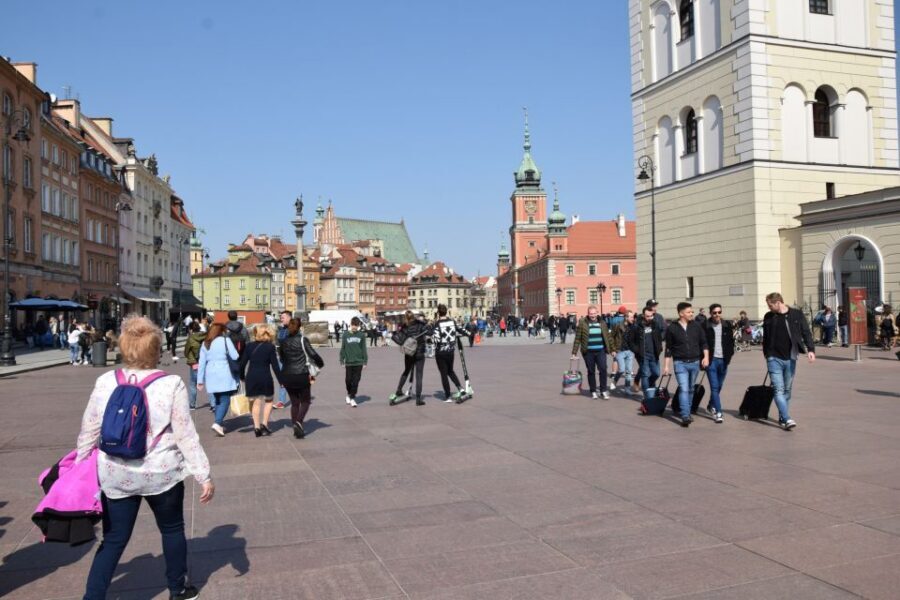
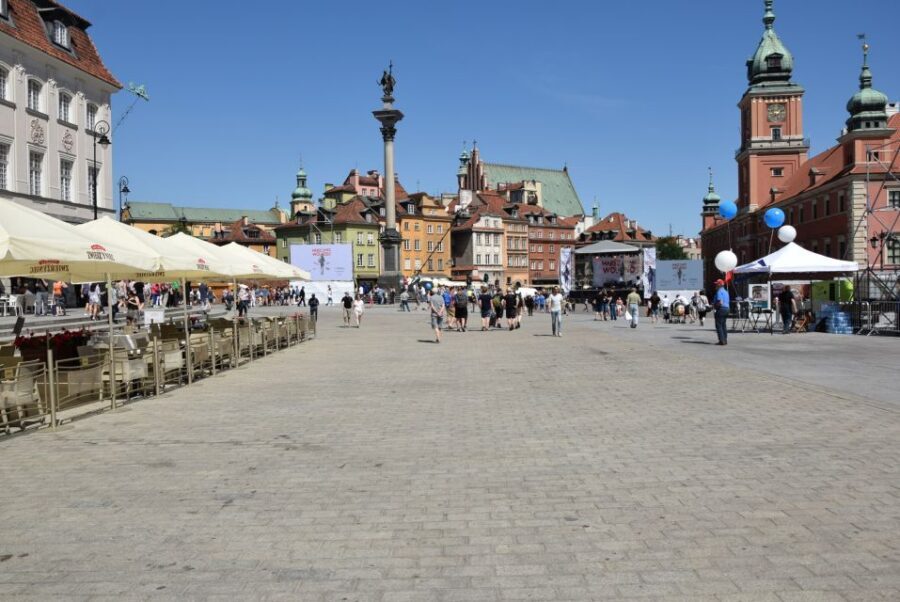
Your tour begins on Castle Square, in front of Sigismund’s Column, a tall 22-meter landmark that’s hard to miss. It’s a smart start because it puts the Royal Castle zone and the Old Town geography into view right away.
You’ll then start walking into the medieval street grid where Warsaw’s story is told block by block. Look for the guide holding a white umbrella so you don’t lose time hunting in the crowd.
Other Warsaw Old Town tours and walks


Royal Castle Gardens and the Royal Castle vibe
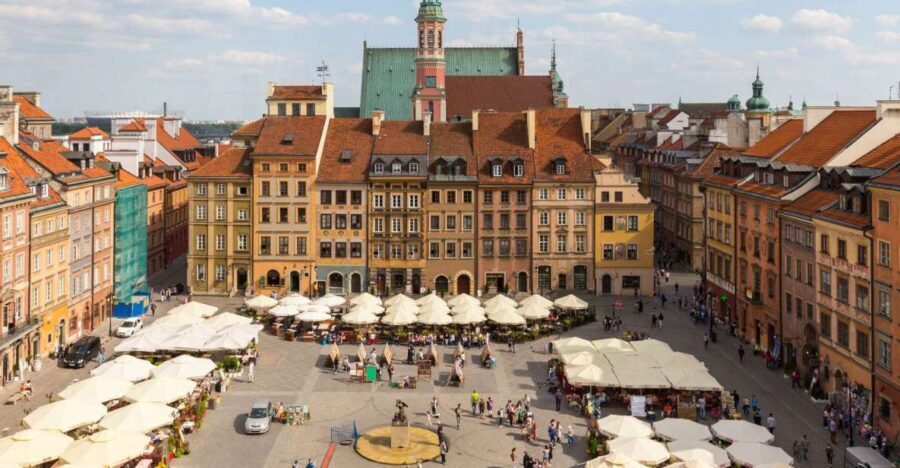
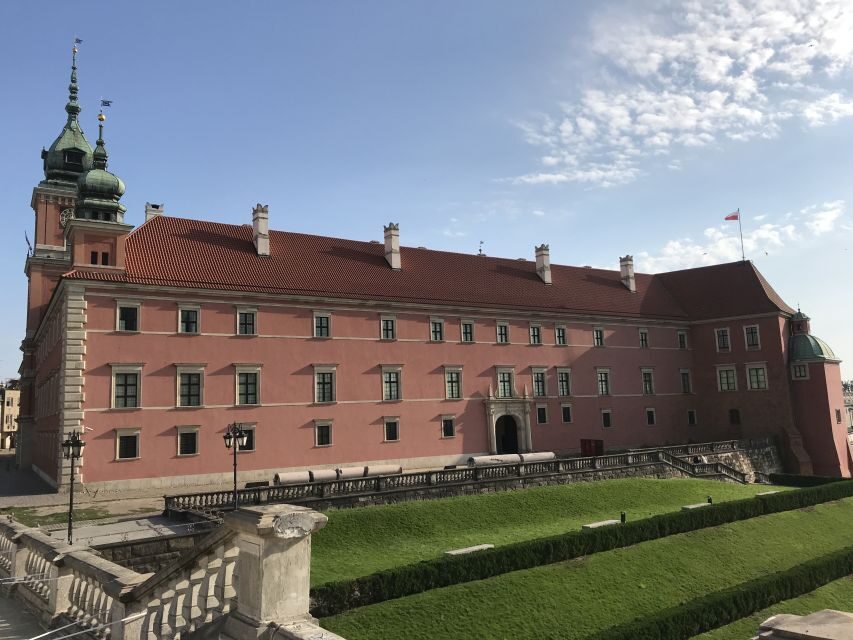
The first big “wow” stop is the Royal Castle Gardens. Even when you’re just outside and looking around, the gardens help you understand the tone of pre-war Warsaw: formal, ordered, and tied to royalty.
Then you connect that vibe to the Royal Castle area. The tour frames the castle as part of Warsaw’s identity, not just as a pretty backdrop, so the later WWII stops hit harder.
Rynek Starego Miasta and the Warsaw Mermaid photo
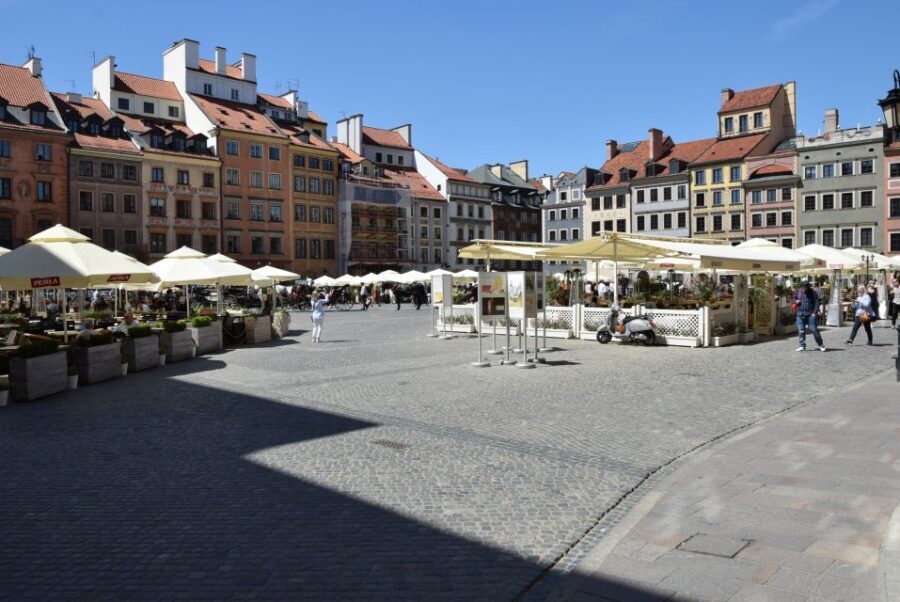
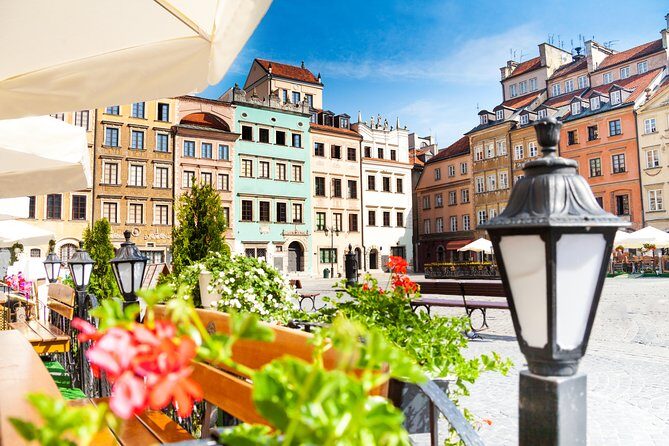
Rynek Starego Miasta is the postcard heart of the Old Town, and it’s where the tour keeps things concrete. You’ll spend time at the Market Square, where you can take a picture with the Warsaw Mermaid statue.
That photo moment matters more than it seems. It gives you a visual anchor for the rest of the walk, because the Mermaid is tied to the Old Town’s repeated rebuild-and-repair story.
The Narrowest House façade: a detail you’ll remember
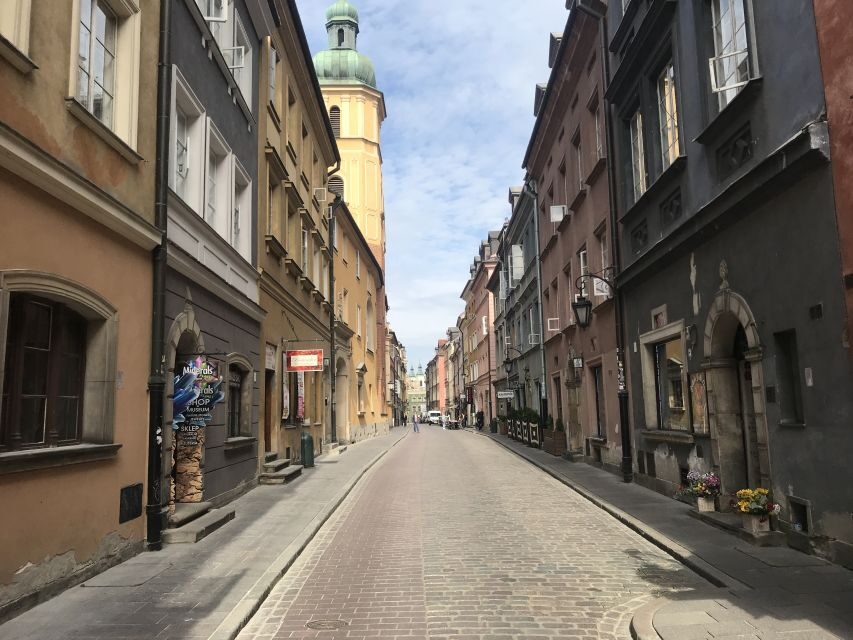
Next comes a quick architectural stop: the Narrowest House façade. It’s one of those Warsaw oddities that makes the city feel human, inventive, and a little stubborn.
This is where the tour’s pace helps. It’s short, focused, and it gives your brain a break from big historical themes without dropping the thread.
St. John’s Cathedral and the Jesuit Church: faith, architecture, and time
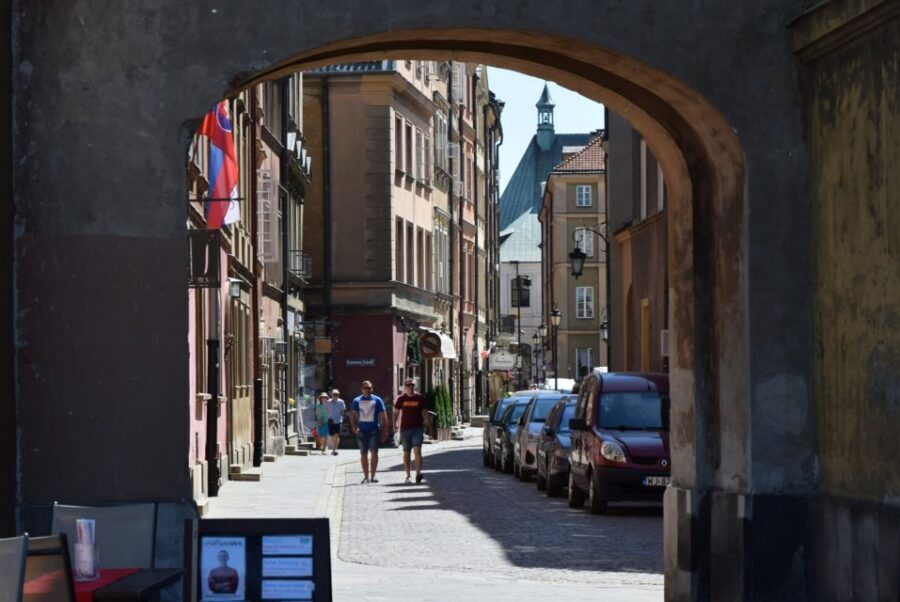
You’ll also see St. John’s Cathedral and the Jesuit Church. These aren’t just stop-and-snap buildings; the guide uses them to show how religion and civic life shaped Warsaw’s layout and public spaces.
In practical terms, it’s a relief to shift from palaces and squares to landmarks that explain how a city organizes community. If you care about architecture at all, these stops give you more than a quick glance.
Other walking tours we've reviewed in Warsaw






The City Wall remnants and the Barbican: defense lessons in stone
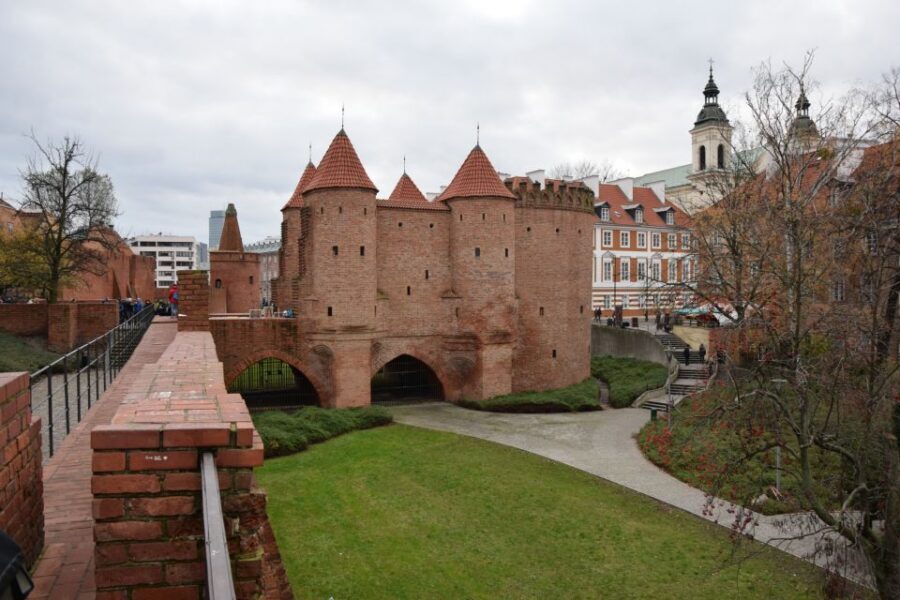
As the tour moves toward the defensive structures, you get a different Warsaw. You’ll encounter remnants of the city wall and then the Barbican, which brings the idea of protection into focus.
This part helps you understand why Old Town isn’t just pretty. It’s a fortified urban story, built for survival, and the guide connects that to the later WWII narrative without turning it into a lecture marathon.
Old Town viewing terrace: the river-and-city perspective
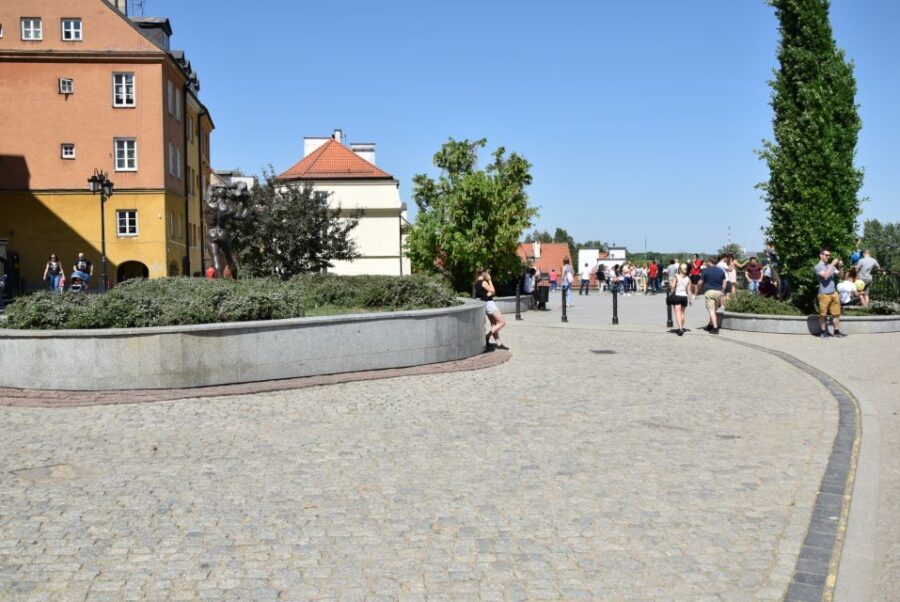
A viewing terrace stop gives you a panoramic break. You’ll get a wider view over the river and the cityscape, which is useful because Warsaw can feel “grid-like” while you’re walking street level.
Take a minute here, even if you’re tempted to keep moving. This view helps you map what you saw and gives the history stops a sense of scale.
New Town and Marie Curie’s birthplace: science inside the same city
The tour expands beyond Old Town into New Town. One highlight is Marie Curie’s birthplace, which changes the tone in a good way: from royal power and war trauma to real-world achievement.
It’s a smart pairing. You come out of WWII-linked sites, then you’re reminded that Warsaw produced thinkers, inventors, and future-facing ambition.
Ghetto boundary markers and the Ghetto Wall Monument: remembering 1943
Jewish heritage takes center stage as you reach the ghetto boundary markers and the Ghetto Wall Monument. The guide explains the significance of Jewish history in Warsaw and the dramatic events of WWII, including the Jewish Uprising of 1943.
This is the part of the tour where you should expect emotion. It’s not light sightseeing, and the value is in how the guide frames facts with respect, so you leave with understanding rather than just photos.
Warsaw Uprising Monument (1944): why the story is bigger than one day
You’ll then stand before the Monument of the Warsaw Uprising of 1944. The guide’s job here is hard: explain a major event clearly while helping you grasp what it meant for the people of Warsaw.
If you’re short on time in Warsaw, this is one of the most important stops. It turns the rest of the tour from “places to see” into “events that shaped a city,” especially when you’ve already walked the Old Town streets that were rebuilt after destruction.
How the 25–30 person group style actually improves the experience
Keeping the group capped at 25–30 people makes a difference on a walking tour. You’re not trapped behind a sea of umbrellas, and the guide can answer questions without rushing you through every stop.
I like that guides also use quieter paths. That means you get the Old Town look without spending your whole time stuck in the tightest crowd pockets.
Guide quality: the best part is the balance
Across guides named in past tours—Anthony, Antony/Antony variants, Thomas, and Antek—the repeated theme is a mix of humor with seriousness. You get facts and structure, but the tone stays human, which helps when the subject matter turns dark.
One review thread also pointed to the guide being patient with slower group members. That’s worth knowing because walking tours can leave some people behind, and this one appears to handle that better than many.
Timing, pace, and what to do if you want extra value
The total duration is 2 hours, so the pace is efficient by design. You’ll hit major highlights: Royal Castle Gardens, Market Square and the Mermaid, churches, defensive structures, a terrace view, then New Town and the WWII memorial stops.
Your best move is to show up ready to walk and ready to listen. Bring comfortable shoes, keep your camera accessible for the Mermaid and terrace, and don’t be afraid to ask questions when the guide pauses.
Price and value: how $13 fits a tour this packed
At $13 per person for a 2-hour guided walk, the value looks strong on paper. You’re getting a licensed city guide, a route that includes multiple landmark clusters, and commentary that connects royal Warsaw, rebuilt Warsaw, and wartime Warsaw into one story.
There’s also a key detail: this is described as a general pay-as-you-wish tour. The amount you pay covers a reservation fee and the guide’s payment, so it’s worth reading that model before you go so the end-of-tour expectations feel comfortable, not awkward.
Who this tour is best for
This tour is great if you want a fast first introduction to Warsaw’s Old Town and the larger historical context around it. If you like walking tours that connect architecture to real events, you’ll appreciate how the stops build from square to castle to memorials.
It’s also a good fit for couples, solo visitors, and small groups who want a guide to help you understand what you’re seeing without needing museums to get context.
Should you book this Warsaw Old Town walking tour?
Yes, if you want an efficient 2-hour route that covers the Old Town highlights and then explains why WWII history is woven through the streets. The small group size, the focus on major landmarks, and the guide style that mixes humor with respect make it a strong choice.
Skip it only if you know you’ll struggle with winter outdoor walking or you prefer purely light sightseeing with no WWII and ghetto-related memorial stops.
FAQ
How long is the Warsaw Old Town guided walking tour?
The tour lasts 2 hours.
Where does the tour start?
It starts in Castle Square in front of Sigismund’s Column (the 22-meter-high column).
Where does the tour end?
The tour ends at plac Krasińskich 01, 00-238 Warszawa, Poland.
What price should I expect?
The price listed is $13 per person.
How big are the groups?
Group size is limited to a maximum of 25–30 people, even for public walking tours.
What languages is the live guide available in?
The tour is offered with a live guide in English and German.
Is the Old Town area part of UNESCO?
Yes. The Old Town is a UNESCO World Heritage site (since 1980).
Does this tour include WWII and Jewish history sites?
Yes. The route includes stops connected to the Warsaw Uprising 1944 and Jewish heritage, including the ghetto boundary markers and the Ghetto Wall Monument.
Is this a pay-as-you-wish style tour?
You are joining a general pay as you wish tour. The amount you pay covers a reservation fee and the guide’s payment.
Can I cancel for a full refund?
Yes. Free cancellation is available up to 24 hours in advance for a full refund.