REVIEW · WARSAW
World War 2 in Warsaw walking tour in English
Book on GetYourGuide →Operated by Orange Umbrella Tours Warsaw · Bookable on GetYourGuide
Warsaw tells its WWII story in plain sight. This English walking tour links the former Nazi German District, Adolf Hitler Square, and the old Jewish Ghetto to what actually happened there. It keeps things human, not just historical.
I especially like the small-group feel and the fact that the guides are Poles born and raised in Warsaw. I also love how the walk uses war photographs and personal family stories, so you see how occupation and resistance played out on real streets.
One drawback to consider: this is a heavy topic and you’re on your feet for about 150 minutes. On very cold days, like the -17 to -20°C reports people shared, the route can feel long even when the guide is doing everything right.
In This Review
- Key Things I’d Highlight Before You Go
- Entering the WWII Warsaw That Still Shows Through
- Meeting at the 20-Meter Column and Spotting the Orange Umbrella
- Former Nazi German District and Adolf Hitler Square: Reading Power in the Streets
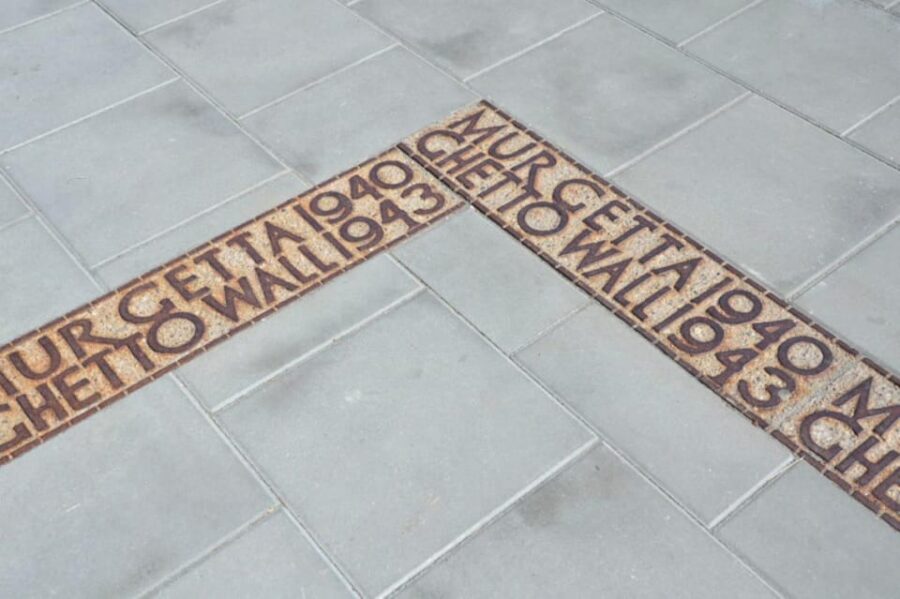
- Former Jewish Ghetto and the 1943 Uprising Story
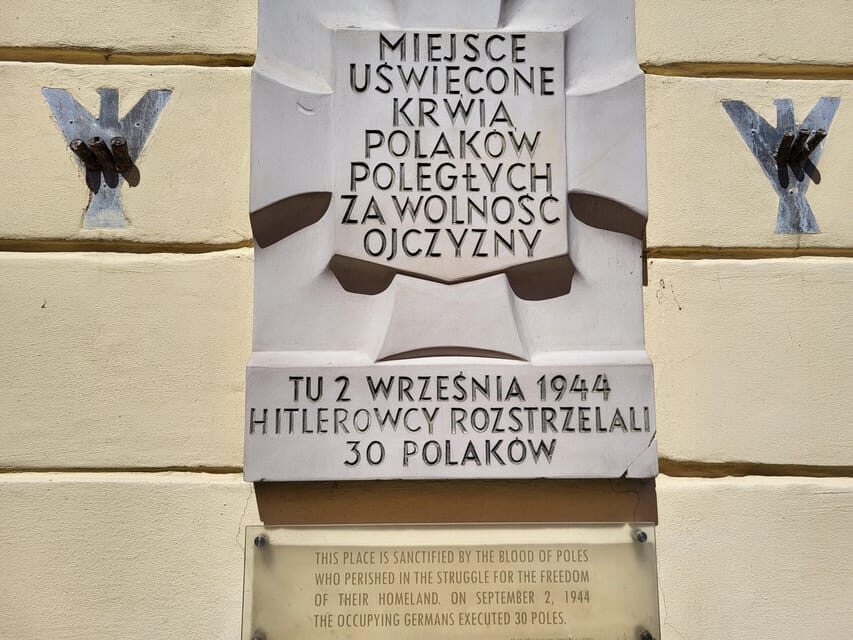
- Execution Sites and 1944 Polish Resistance Strongholds
- How Guides Use Photos, Family Stories, and the Human Scale
- Pace, Group Size, and Cold-Weather Reality
- Price and Value: Why $20 Works for 2.5 Hours
- Who Should Book This WWII Warsaw Walk (and Who Might Not)
- Should You Book This Warsaw WWII Walking Tour?
- FAQ
- How long is the World War 2 in Warsaw walking tour?
- How much does it cost?
- What language is the tour guide?
- Where do I meet the guide?
- What World War 2 events and locations are covered?
- What’s included in the tour besides walking?
- Is it a small-group tour?
- Is the tour wheelchair accessible?
- What if my plans change?
- Should I tip the guide?
Key Things I’d Highlight Before You Go
- Local, Warsaw-born guides who bring a personal sense of place to major WWII sites
- War photographs and family stories that turn street corners into lived experience
- Core stops tied to two uprisings: the 1943 Jewish Ghetto Uprising and the 1944 Warsaw Uprising
- Occupation geography on foot: the former Nazi German District, former Adolf Hitler Square, and the former Jewish Ghetto
- Execution and resistance locations connected to the Polish Resistance in 1944
- A clear meeting routine: find the guide with the Orange Umbrella by the tall 20-meter column
Entering the WWII Warsaw That Still Shows Through
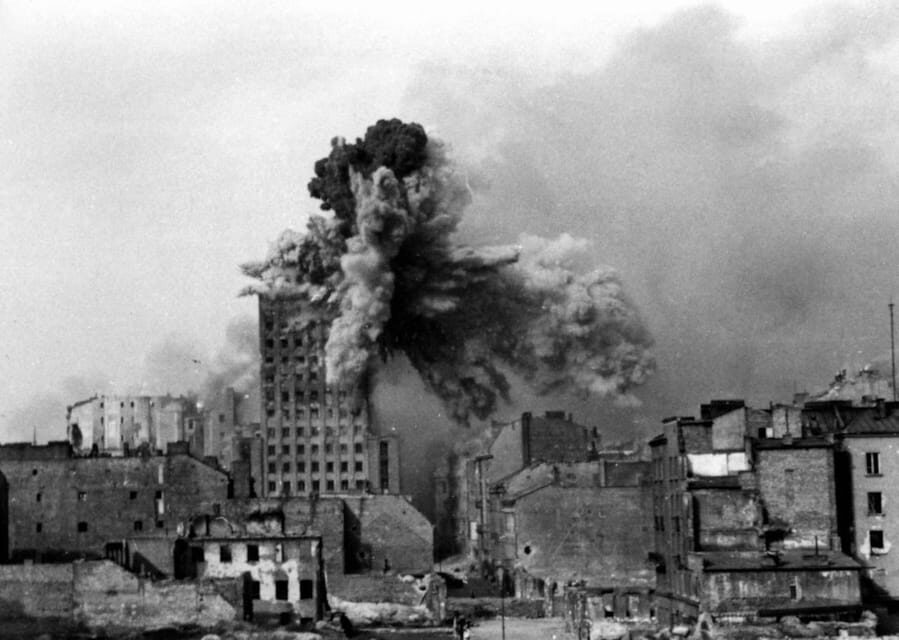
This walk focuses on the kind of history that doesn’t stay behind glass. Warsaw took some of Europe’s hardest blows in World War II, and the city’s landscape still carries the memory of bombings, occupation, and resistance.
You’ll hear how everyday life unfolded under the SS’s watch. And you’ll also follow the courage of two uprisings—first in 1943 in the Jewish Ghetto, then in 1944 during the Warsaw Uprising. It’s grim subject matter, but the tour doesn’t drown you in it. It gives you landmarks, names, and a story arc you can actually follow.
What I like is that the tour doesn’t treat the uprisings like a single dramatic moment. It frames them as the result of specific pressures, specific locations, and people pushing back as conditions tightened.
Other walking tours we've reviewed in Warsaw

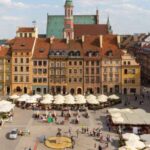

Meeting at the 20-Meter Column and Spotting the Orange Umbrella
Your starting point is simple: look for the guide holding an Orange Umbrella near a 20-meter-high column with a statue on top. That’s useful when you’re arriving in a hurry or dealing with wintry weather.
Once you find the group, the guide typically sets expectations quickly. You get a sense of the route’s logic—why you’re walking from one kind of site to another—before you hit the deeper emotional parts.
Practical tip: give yourself a few extra minutes at the meeting spot. In cold weather, it’s easy to arrive, wait, and then realize you still need to warm up before the walking starts.
Former Nazi German District and Adolf Hitler Square: Reading Power in the Streets
The tour takes you to the former Nazi German District and to the former Adolf Hitler Square. Even if the area looks different today, your guide will explain how these places functioned under occupation.
This section matters because it shows how control wasn’t abstract. It was built into the city’s layout and daily routines. You’ll hear about bombings and about how civilians were forced to live under constant intimidation, including direct SS presence.
I like the way this part stays grounded. Instead of turning it into a lecture about generals, it connects systems of power to places you can point at. That makes the later sections—ghetto resistance and the uprising—feel less like separate chapters and more like consequences.
Former Jewish Ghetto and the 1943 Uprising Story
Next comes the former Jewish Ghetto. This is where the tour gets especially personal and emotionally sharp, because the guide ties the space to the 1943 Jewish Ghetto Uprising.
The guide approach helps here. Several guides are known for mixing street-level explanation with visual evidence—war photographs—and with family stories that clarify what people faced day to day. Guides like Magda, Goska, and Piotr are often singled out for telling the story clearly and keeping the group engaged even when the topic is hard.
If you prefer to learn history through direct context, this section tends to work well. You’re not only memorizing dates. You’re seeing why the uprising happened where it did and how the situation became impossible.
A consideration: this section is intense. If you’re sensitive to the subject matter, plan your energy accordingly—avoid booking it when you’re already exhausted, and consider bringing a small bottle of water even in winter.
Execution Sites and 1944 Polish Resistance Strongholds
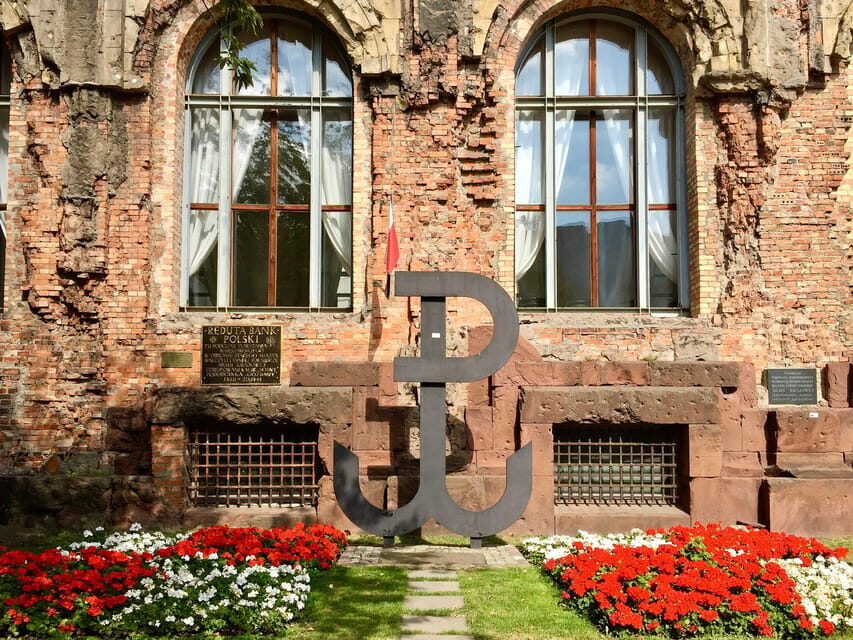
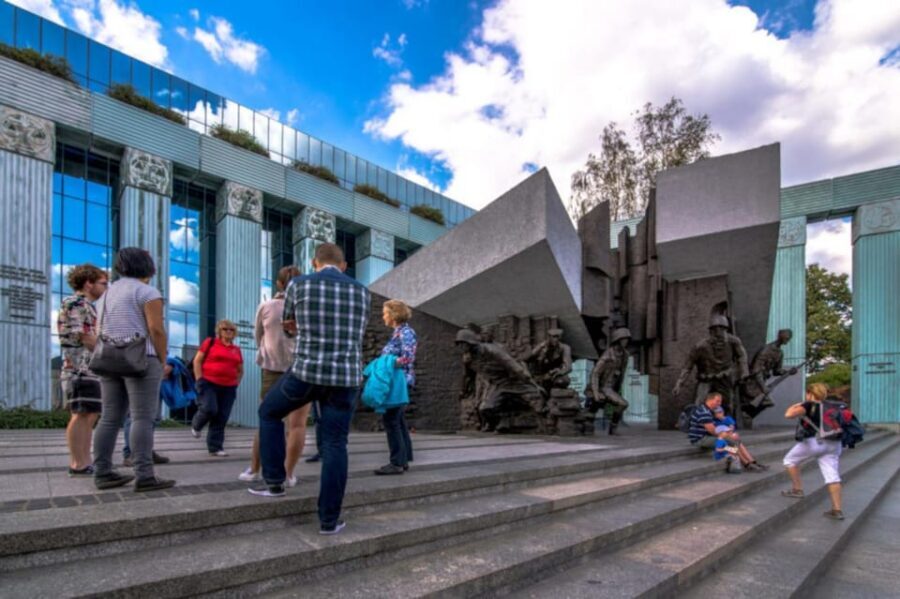
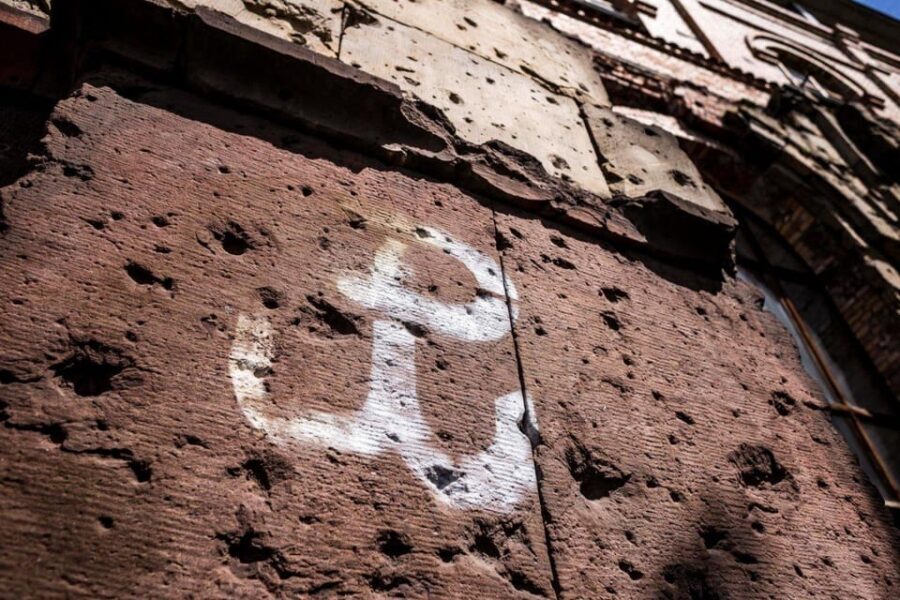
The tour then turns to execution sites and to strongholds connected with the Polish Resistance during the 1944 Warsaw Uprising. This portion is important because it shows the resistance side of the story: organization, locations, and the stakes of acting.
The strongest part is how your guide explains the local geography of resistance. You’re not just hearing that resistance existed. You’re learning how resistance used specific urban spaces and how the occupation responded.
More than once, guides are praised for handling the pace and tone well—serious where it needs to be serious, but never confusing. Guides mentioned in the group reports include Iga, Eliza, Andrew, and Albert, each described as both careful with the material and good at explaining the complicated parts.
One practical note: even though the subject is heavy, the route is designed as a walk with motion, not a stationary slog. People reported that the time flew by, and that the experience stayed coherent over the full 2.5 hours.
Other WWII history tours in Warsaw


How Guides Use Photos, Family Stories, and the Human Scale
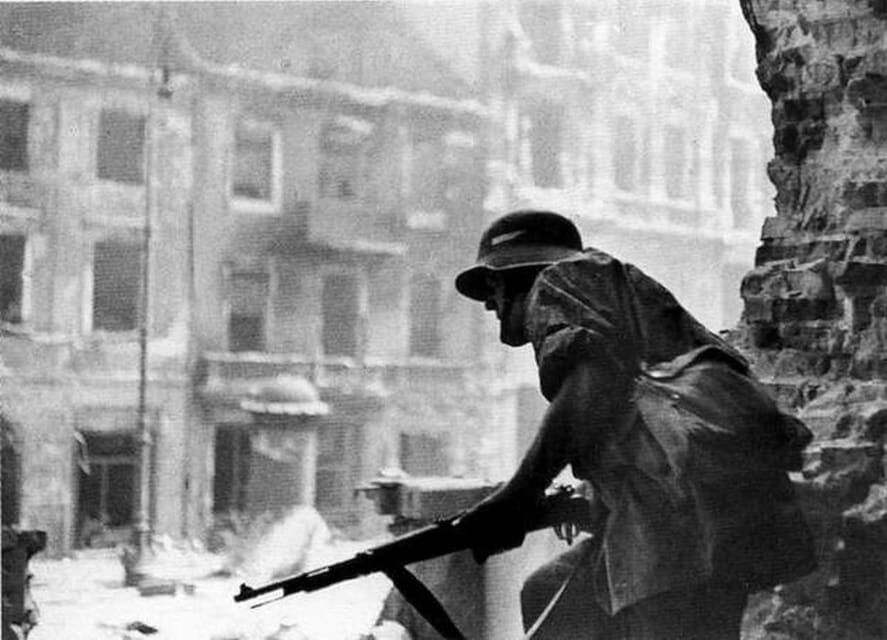
This tour’s special sauce is how it brings the city alive using evidence you can feel. The included war photographs help you see what Warsaw looked like before and during the war. The personal family stories add the missing layer: how it felt for real people, not just how it looks in a textbook.
I also like that the guides often add small, unexpected human details. One story that stood out in group feedback involved the Central Bank and its workers under occupation—exactly the kind of detail that makes you realize how wide the impact was.
And yes, humor exists in a cautious way. Several guides are praised for lightening the mood without downplaying horror, which is a real skill. It helps you stay present instead of switching off emotionally.
If you’re doing this tour because you want more than museum facts, this is the value. You get context plus personality, delivered by locals who understand the city beyond its monuments.
Pace, Group Size, and Cold-Weather Reality
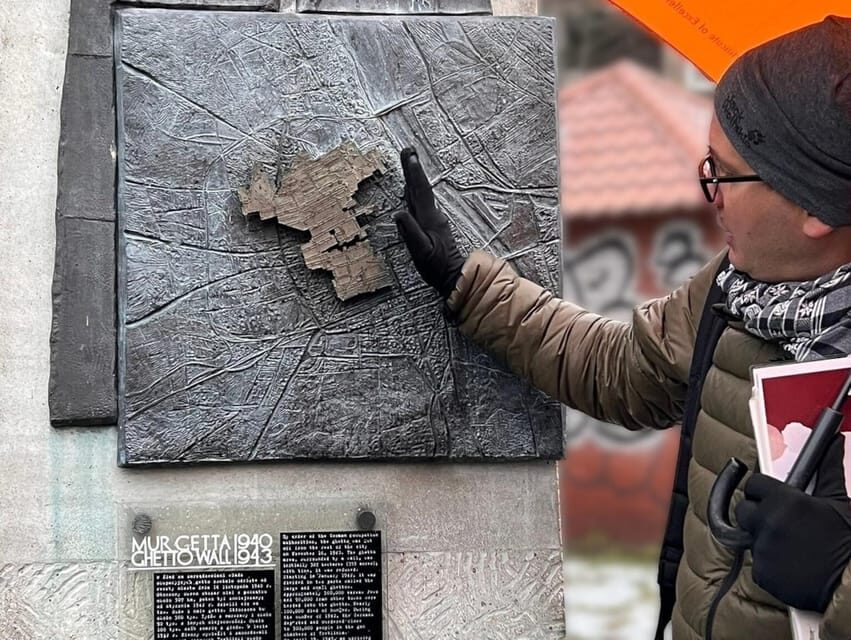
The tour is listed at 150 minutes, and it’s a walking experience in small groups. You’ll also join a group of other tourists, so you should expect a shared pace with time for questions.
Pace is usually smooth, but be aware that the route still requires walking through winter streets. Group feedback included cases where extreme cold limited how long people could comfortably manage outside. That doesn’t mean the tour is poorly organized. It means Warsaw winters can be brutal.
My advice: dress for wind as well as temperature. Bring gloves you can type with if you want to check a map later. Have a hat, scarf, and layers that trap heat. If you run cold easily, treat your warm-up before the start as part of the tour.
Price and Value: Why $20 Works for 2.5 Hours
At $20 per person, you’re paying for a live English guide for about 150 minutes, plus the extra storytelling tools like war photographs and personal family narratives. For a topic this dense, that’s a fair value proposition.
Also, the guide’s role isn’t just reciting facts. It’s translating a complex, emotionally layered history into something you can follow while walking. That takes preparation and, frankly, moral care.
One thing to keep in mind is tipping. The activity notes that broker commission, agency commission, and taxes consume 60% of your payment. If the guide truly lands the experience for you, tip directly. It helps make sure the person doing the heavy lifting isn’t only working on a thin margin.
Who Should Book This WWII Warsaw Walk (and Who Might Not)
This tour is a great fit if you want WWII history tied to specific places—not just a general overview. If you like learning through visuals and human stories, the inclusion of war photographs and family memories is a strong match.
It also works well for first-timers to Warsaw, because you’ll see core historical areas and understand how the city was reshaped. Families with teenagers have been happy with the experience, and the best guides handle questions with clarity and sensitivity.
If you’re looking for a light, casual outing, this isn’t that. If you’re physically limited by walking time, it’s labeled wheelchair accessible, but it’s still outdoors. In that case, consider how comfortable you are with winter conditions and request guidance from the operator before you go.
Should You Book This Warsaw WWII Walking Tour?
I’d book it if you want a guided walk where the history is tied to real locations: Nazi-occupied spaces, the former Jewish Ghetto, execution sites, and Polish Resistance strongholds tied to the 1944 uprising. The combination of local guides, war photographs, and family stories is exactly what makes it more than a standard sightseeing route.
Book it sooner rather than later because the experience depends on having an English live guide and a small-group setup. And when you arrive, plan to take it seriously. That sounds obvious, but it’s the difference between rushing through somber streets and actually understanding why the city looks the way it does.
FAQ
How long is the World War 2 in Warsaw walking tour?
The tour lasts 150 minutes.
How much does it cost?
It costs $20 per person.
What language is the tour guide?
The live tour guide speaks English.
Where do I meet the guide?
Meet at the spot near a 20-meter-high column with a statue on top. Look for the guide holding an Orange Umbrella.
What World War 2 events and locations are covered?
You’ll learn about bombings and everyday life under the SS, and you’ll cover the 1943 Jewish Ghetto Uprising and the 1944 Warsaw Uprising. You’ll also see places connected to the former Nazi German District, the former Adolf Hitler Square, the former Jewish Ghetto, execution sites, and Polish Resistance strongholds.
What’s included in the tour besides walking?
A professional local guide is included, and the tour is enriched with war photographs and personal family stories.
Is it a small-group tour?
Yes. It’s described as small groups, and you’ll join a group of other tourists.
Is the tour wheelchair accessible?
Yes, it is wheelchair accessible.
What if my plans change?
You can reserve now and pay later. There’s also free cancellation up to 24 hours in advance for a full refund.
Should I tip the guide?
The activity information suggests tipping if you feel the tour was good. It also notes that broker commission, agency commission, and taxes consume 60% of the payment, so tipping helps the guide directly.