REVIEW · WARSAW
Warsaw: Old Town Highlights Walking Tour in English
Book on GetYourGuide →Operated by Walkative Tours · Bookable on GetYourGuide
Warsaw’s past comes at walking speed. This Old Town Highlights tour gives you a fast, memorable route from Krakowskie Przedmieście to the Old Town walls, with stories that connect famous names to some very hard moments in Polish history.
I especially love how the walk makes big landmarks feel personal. You get key stops like the Copernicus Monument and the place where Chopin’s heart is buried, then you keep moving along the Royal Route and into the emotional weight of the city’s 20th-century story.
One consideration: this experience is set up as a pay-what-you-wish style tour, so the $26 price is not your final total. You’ll likely want to bring a little extra budget mindset for rewarding your guide at the end.
In This Review
- Key highlights to know before you go
- A 2.5-hour Old Town story walk on Krakowskie Przedmieście
- Copernicus Monument and the Royal Route: seeing the ceremonial spine of Warsaw
- Presidential Palace and Warsaw University buildings: where politics meets education
- Chopin’s heart burial place: a short stop with a big emotional pull
- Krakowskie Przedmieście colors and the Old Town that feels enclosed
- The reconstructed Royal Castle: standing in front of Warsaw’s comeback
- How the WWII uprisings story fits into modern Warsaw
- Price and pacing: what $26 buys you in real value
- What to bring, and how to survive the weather like a local
- Should you book this Warsaw Old Town Highlights walking tour?
- FAQ
- Where is the meeting point for the Warsaw Old Town highlights tour?
- How long is the tour?
- What language is the guide?
- Is the tour wheelchair accessible?
- What should I bring?
- Does the tour run in bad weather?
- Is anything included besides the guide?
- What is the payment style for this tour?
Key highlights to know before you go
Copernicus to the Royal Route: start on Krakowskie Przedmieście and walk the ceremonial spine of Warsaw.
Chopin’s heart location: a small stop that carries huge symbolism for Polish culture.
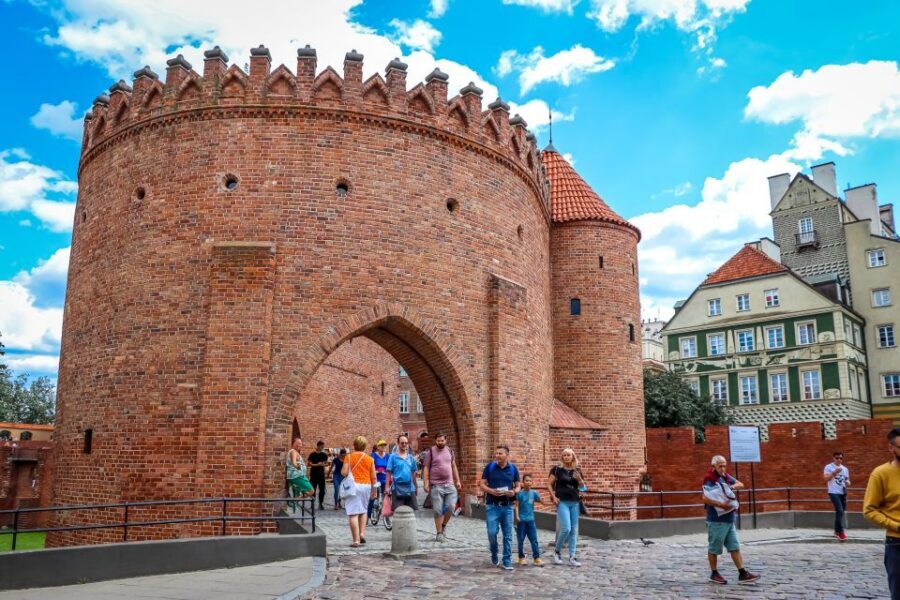
Old Town walls and the rebuilt Royal Castle: you see how Warsaw rose again, block by block.
Presidential Palace and Warsaw’s university area: you learn how power and ideas sit side by side here.
WWII uprisings explained with clarity: not just dates, but how events shaped everyday life and identity.
A 2.5-hour Old Town story walk on Krakowskie Przedmieście
If you want Warsaw in one focused hit, this is the kind of tour that helps you get your bearings fast. It runs about 150 minutes, and it’s built for seeing the big visual icons plus the context that turns them from postcards into understanding.
You meet by the Nicolaus Copernicus Monument on Krakowskie Przedmieście Street 2. Look for the guide holding a yellow umbrella. This matters more than you’d think in Warsaw, because Krakowskie Przedmieście is long and busy, and “nearby” can still be a few minutes of extra walking.
The pace is steady: you’re outside for the vast majority of the tour. The good news is that the tour is structured so you’re never just standing and waiting. If weather turns ugly, the organizer says they’ll find cover, so you’re not stuck freezing through the whole thing.
Other Warsaw Old Town tours and walks


Copernicus Monument and the Royal Route: seeing the ceremonial spine of Warsaw
The tour kicks off with Copernicus, and that’s a smart start. The Nicolaus Copernicus Monument is not just a famous statue—it’s a way of framing Warsaw as a city of ideas, learning, and identity, not only a city of surviving and rebuilding.
From there you walk the Royal Route, the grand ceremonial corridor that historically connected the city’s key royal and civic spaces. Along this stretch, you’ll get an easy visual sense for why Warsaw became Poland’s cultural center in the first place. You’re not just observing buildings; you’re walking a line that historically mattered.
You’ll also get famous cultural references woven into the route, including mentions of figures like Chopin and Marie Curie. These names don’t stay trapped in museums. In this format, they’re tied to places and moments—so it clicks in your head as you move.
Presidential Palace and Warsaw University buildings: where politics meets education
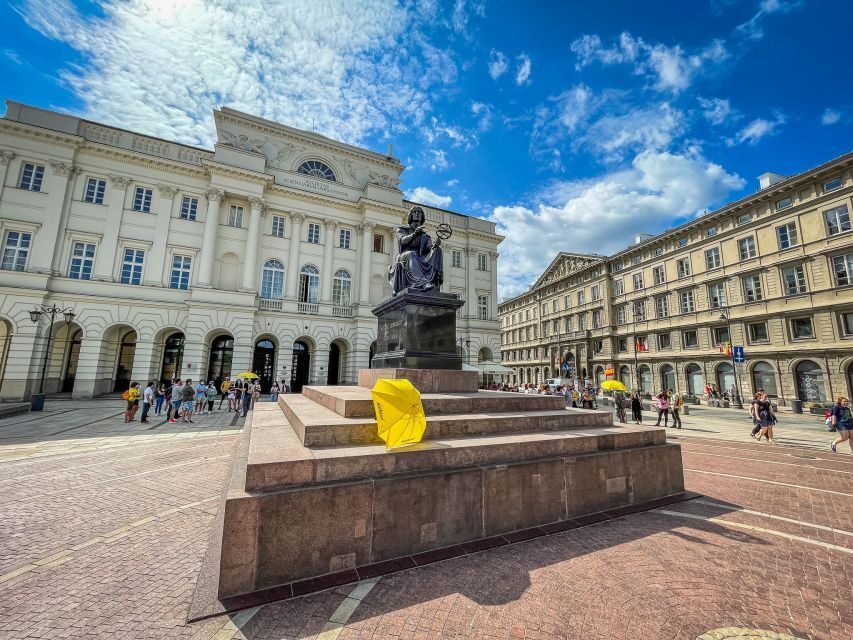
As you continue along the Royal Route, you’ll reach the Presidential Palace area and the Warsaw University buildings. Even if you’re not a history buff, it helps to see these sites with a guide’s framing, because they tell a story about how the capital functions.
The Presidential Palace is where modern state power is visibly “present.” The university buildings add the other side of that equation: the long-term engine of education, debate, and research. Together, they show Warsaw’s shift from a city constantly interrupted by war to one that’s now presented as a hub for trade, tourism, education, and politics.
This is one of the tour’s strengths: it doesn’t treat modern Warsaw as a blank page. Instead, you’re learning how the past presses on the present—without turning the whole walk into a grim lecture.
Chopin’s heart burial place: a short stop with a big emotional pull
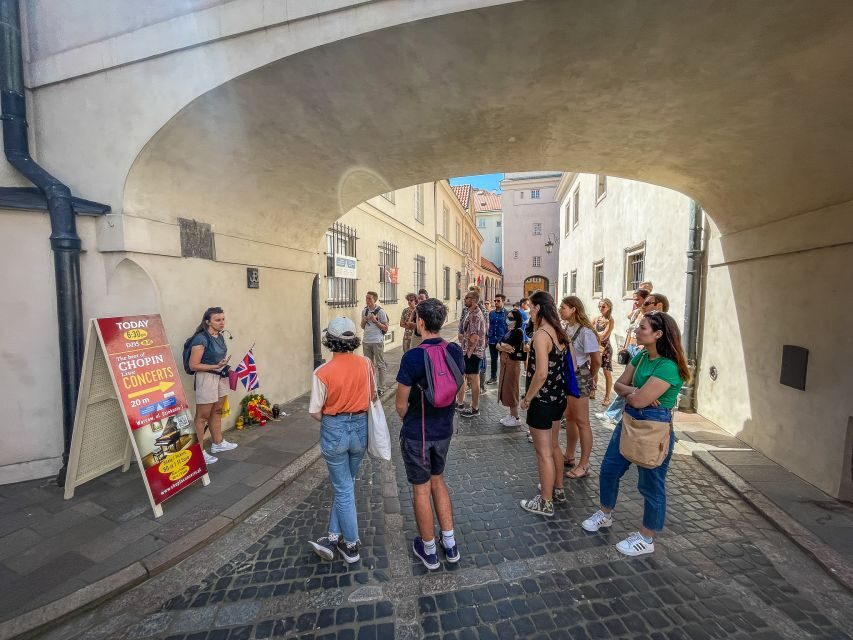
One of the most meaningful stops is at the place where Chopin’s heart is buried. It’s the kind of location that can feel small on foot, but it lands because it connects national culture with very real stakes.
Chopin isn’t just a composer you’ve heard. Here, he’s tied to the physical memory of Poland—how art can become part of a country’s identity. When a guide connects that symbol to the broader history of Warsaw, it helps you understand why people here still treat cultural figures as part of national resilience.
I like how this tour balances emotional weight with movement. You don’t linger too long in a way that drains energy. Instead, you absorb the symbolism, then you keep walking toward the Old Town’s wall-lined heart, where the city’s survival story becomes impossible to ignore.
Krakowskie Przedmieście colors and the Old Town that feels enclosed
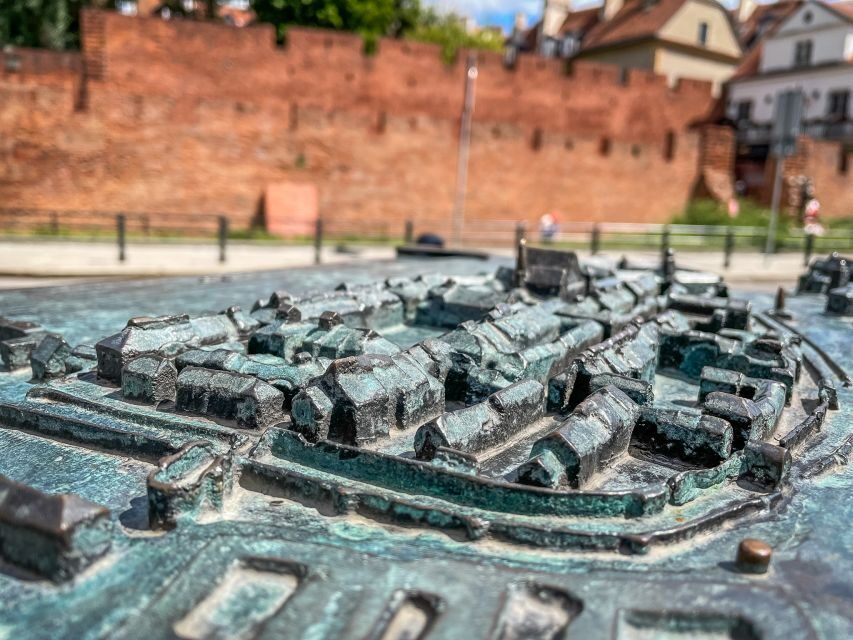
Krakowskie Przedmieście is one of those Warsaw streets where the look alone can make you smile. The tour highlights the colourful character of the street and how it leads into the Old Town area.
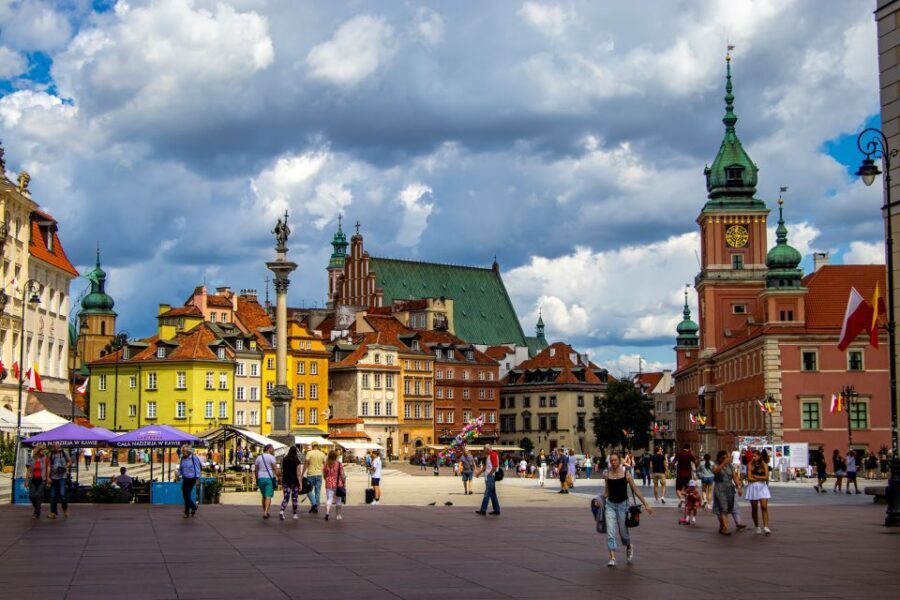
From there, you move into Old Town encased by city walls. That physical enclosure changes the feeling of the walk. You shift from wide, grand civic views into a more enclosed sense of “this is the city’s core.” It’s a helpful contrast, especially after the Royal Route’s big political and educational landmarks.
The guide’s storytelling also matters here. Multiple guides on this tour are praised for keeping things lively—using humor and clear pacing—so you stay engaged while you’re learning about complex events. Names that show up often in guest praise include Michael, Andrzej, Ana, Lucas, and Jack. Even when the topic turns heavy, they’re described as able to keep it understandable.
Other walking tours we've reviewed in Warsaw






The reconstructed Royal Castle: standing in front of Warsaw’s comeback
One of the most visual moments comes at the reconstructed Royal Castle. Seeing it on foot, with the guide explaining what was lost and what was rebuilt, changes your perspective.
This is where the tour’s “why” becomes most tangible. You aren’t only admiring architecture. You’re seeing a promise made in stone and brick after destruction. The castle becomes a symbol of the city’s refusal to disappear.
And that ties directly to the tour’s history section. You’ll hear about Warsaw’s tragic WWII experience, including the way the city was devastated and later rebuilt. You’ll also learn about the complexities of the two largest uprisings against Nazi rule that blazed through the city. The goal is not to overwhelm you with a textbook. It’s to help you understand why Warsaw is both dramatic and complicated—and why its survival carries real meaning.
How the WWII uprisings story fits into modern Warsaw
If you’re short on time, this tour is one of the best ways to connect “what you see” to “what it meant.” The guide frames Warsaw’s WWII story as part of a wider Polish and regional context—how national decisions, occupation realities, and local resistance shaped what happened.
The hardest part of Warsaw’s past is also the most instructive. When a guide explains the uprisings with nuance—rather than just listing events—you come away understanding the city’s rebirth as something earned, not accidental.
This also helps your next steps in the city. After this walk, you’ll recognize that Warsaw’s present identity didn’t replace the past. It grew out of it. When you later visit monuments or museums on your own, you’ll read them differently.
Price and pacing: what $26 buys you in real value
At $26 per person for 150 minutes, this tour sits in the sweet spot for a first visit. You’re paying for a live guide, not just access to sights. And the structure matters: in a couple hours, you cover the Royal Route highlights, a key cultural stop tied to Chopin, the Old Town walls, and the reconstructed Royal Castle, all while getting historical context.
There’s also a catch worth understanding. The tour is described as a pay-what-you-wish style arrangement, where the amount you pay covers the reservation fee and the guide’s payment. If you like your guide’s storytelling, you’ll probably want to reward them accordingly. That makes it a good fit for travelers who like to support guides and aren’t trying to squeeze every cost into a single hard number.
What you get for your time is also important. Many guests praise the pace and how quickly you feel you understand the city. One recurring theme in the guide praise is humor and clear English delivery, which is exactly what you want when you’re learning tough history outdoors.
What to bring, and how to survive the weather like a local
The only explicit “must bring” is comfortable shoes. That’s not generic advice; it’s practical. This tour is built around walking long enough to see multiple major points, and the route includes stretches where you’ll be standing and looking as the guide explains what you’re seeing.
It’s rain or shine. The organizer says they’ll find cover if it rains or gets cold. Still, I’d treat the tour like an outdoor experience, not a casual stroll. Dress for the day you actually get, not the perfect weather you imagined. 3,062 reviews and counting: Krakow private drivers.
Also, because the meeting point is specific and the guide uses a visual cue (the yellow umbrella), give yourself a little buffer time. It saves stress and keeps you from missing the start.
Should you book this Warsaw Old Town Highlights walking tour?
Book it if you want a first-time-friendly overview that connects major sights with the hard history behind them. It’s a great match for you if you feel the urge to understand Warsaw instead of just collecting photos.
Pass on it or consider an alternative if you strongly dislike the pay-what-you-wish model, because your spending may feel flexible at the end. And if you want a purely light, entertainment-heavy walk, this tour does include the complexity of wartime tragedy and uprisings—handled with care, but it’s still serious.
FAQ
Where is the meeting point for the Warsaw Old Town highlights tour?
You meet next to the Nicolaus Copernicus Monument on Krakowskie Przedmieście Street 2. The guide will be holding a yellow umbrella.
How long is the tour?
The tour duration is 150 minutes (about two and a half hours).
What language is the guide?
The live tour guide speaks English.
Is the tour wheelchair accessible?
Yes, it is listed as wheelchair accessible.
What should I bring?
Wear comfortable shoes. The tour is outdoors for most of the time.
Does the tour run in bad weather?
It runs rain or shine. If it rains or gets cold, the team finds cover.
Is anything included besides the guide?
The tour includes a guided walking tour with a guide. Hotel pickup/drop-off and food and drinks are not included.
What is the payment style for this tour?
When you book, you join a pay-what-you-wish format, where the amount you pay covers a reservation fee and the guide’s payment. If you prefer a smaller private tour, you can request it.