REVIEW · WARSAW
From Warsaw: Lublin and Majdanek State Museum Day Tour
Book on GetYourGuide →Operated by AB Everest Travel · Bookable on GetYourGuide
Two sites, one hard lesson. I love how the Majdanek museum guide turns World War II history into clear, specific images, and I love Lublin’s Old Town story tied to the Council of Four Lands. The main catch: this day includes an intense concentration camp visit, and it’s not suited for young kids.
You’ll get an early start with hotel pickup and a comfortable ride out of Warsaw, then guided time at both stops in English or Spanish. With all entrances and tickets included, you spend your energy on the sites—not on ticket counters or logistics.
In This Review
- Key takeaways before you go
- Getting from Warsaw: the 1.5–2 hour ride each way
- Majdanek State Museum: the second-largest camp after Auschwitz
- The exhibits that make Majdanek feel real: shoes, clothing, and camp farming
- Lublin’s Old Town: why the city matters in Polish-Lithuanian history
- Council of Four Lands: Jewish self-government you can actually imagine
- Krakow Gate promenade and your one-hour lunch reset
- Guides make or break sensitive history days
- Early pickup, ticket lines, and the value of doing it in one organized day
- Price and value: is $231 fair for a Warsaw day trip?
- Who this tour suits best (and who should skip it)
- Should you book this Warsaw-to-Lublin and Majdanek tour?
- FAQ
- How long is the Warsaw to Lublin and Majdanek day tour?
- What’s included in the price?
- Are meals included?
- Do I need to buy tickets in advance?
- What languages are available for the live guide?
- Is pickup from my Warsaw hotel included?
- Is the tour suitable for children or wheelchair users?
Key takeaways before you go
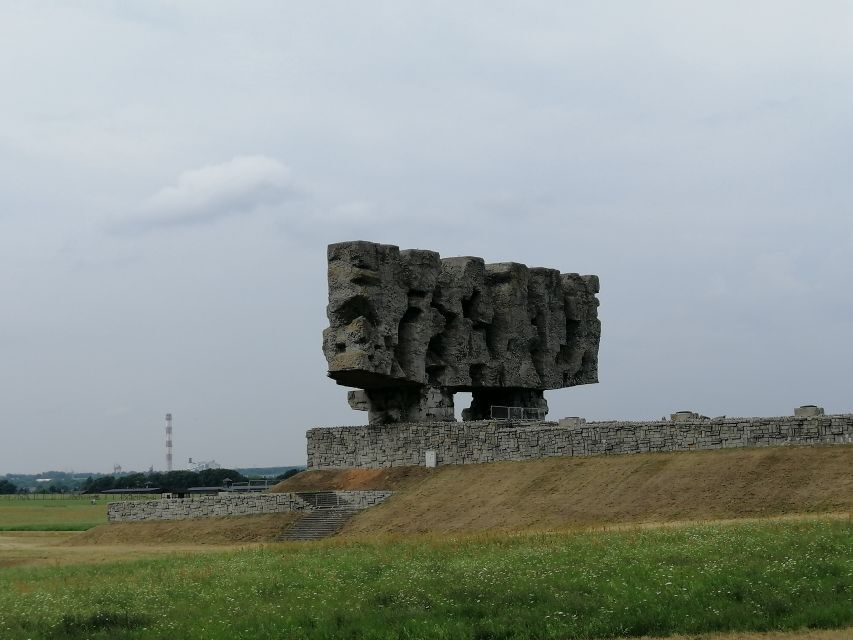
- Majdanek is the emotional anchor: a guided visit to the second-largest camp in occupied Poland
- Lublin adds context beyond the camp: Old Town scenes plus the 1569 Union story
- Council of Four Lands + yeshiva history: Jewish self-government and a royal-academy-level school
- One hour for lunch and rest: plan food timing because meals aren’t included
- English-speaking driver and live guide: pickup is handled, and you’ll have commentary on-site
Getting from Warsaw: the 1.5–2 hour ride each way
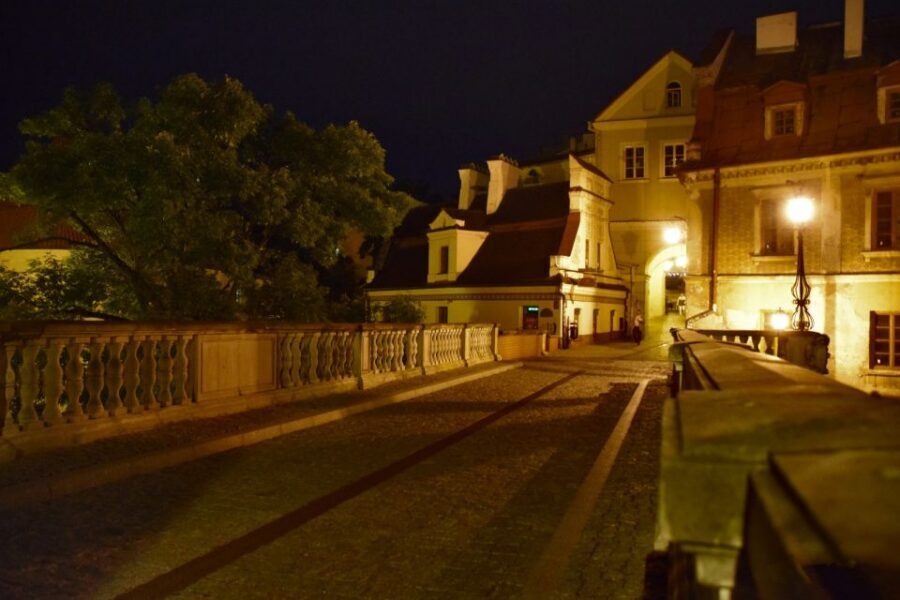
This is a full 10-hour day, and the schedule runs on travel time as much as sightseeing. You’re picked up early from your Warsaw hotel and driven to Lublin (about 1.5–2 hours), then you head back in the evening with the same driver.
In real life, that kind of set-up matters. A day trip like this works best when you don’t have to manage trains, transfers, and ticket timing on the fly. Here, you’re collected on a sign (your name is used), and the driver waits briefly—so you’ll want to be ready in the hotel lobby ahead of the scheduled pickup window.
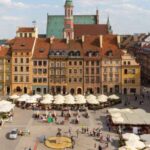
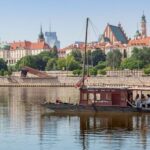
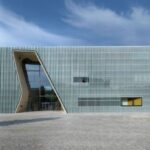
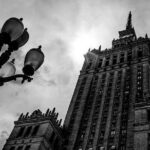
Other museum experiences in Warsaw
Majdanek State Museum: the second-largest camp after Auschwitz
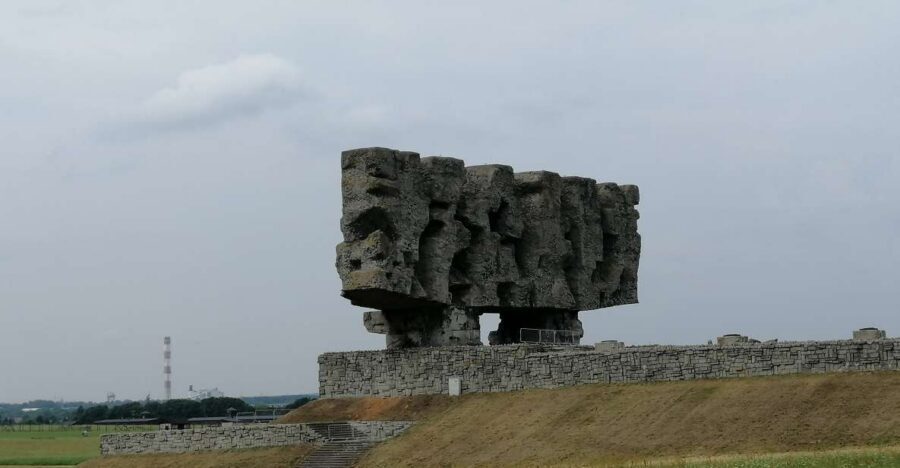
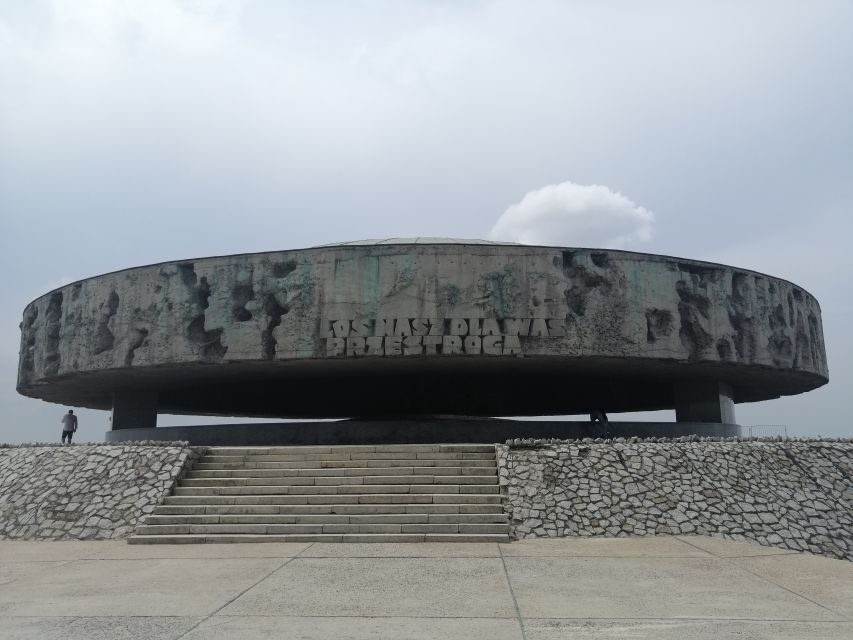
Majdanek is about a few kilometers beyond Lublin, in the parts of the region that were turned into camp grounds. It was established by the Germans in 1940, and visiting it with a live guide gives you a structure that’s easy to follow while the subject is difficult.
You’ll start with a guided visit in your chosen language, where the focus is not just on dates. The tour approach frames Majdanek as part of the broader system of the Nazi authorities in the General Government—so you can understand the camp as a mechanism, not only a memorial.
Expect the mood to be heavy. Even if you know the basics, the museum presentation is designed to make you connect policies to real human loss. If you’re sensitive to the subject, go in knowing you’ll be processing a lot.
The exhibits that make Majdanek feel real: shoes, clothing, and camp farming
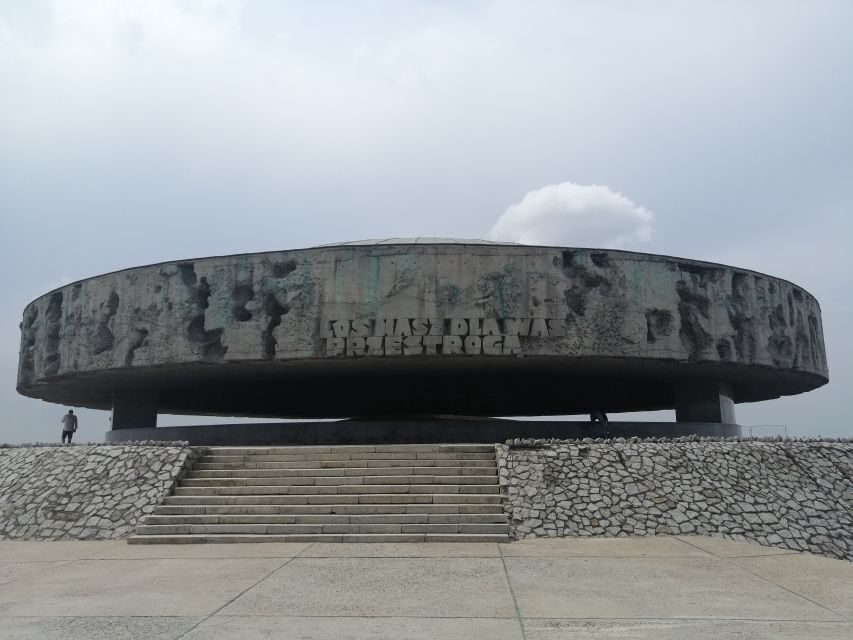
What I find especially powerful here is how the museum uses everyday objects to show what the machinery did to people. The guided explanation points you to an exhibition on Nazi policy in the General Government, along with camp equipment and clothing—items that help you see how the system was run and how prisoners were reduced to property.
Then come the moments that linger. You’ll see thousands of pairs of shoes stolen from prisoners, which turns the scale into something visual and concrete. Another exhibit detail is the camp farm setup, including a pile of manure—and the description of how a farm’s ingredients were connected to human ashes from the crematorium. It’s the kind of detail that is hard to forget because it forces you to confront how thoroughly the system converted bodies into “use.”
That’s why having a guide helps. You’re not just looking at artifacts; you’re getting context about why those artifacts were kept and displayed.
Lublin’s Old Town: why the city matters in Polish-Lithuanian history
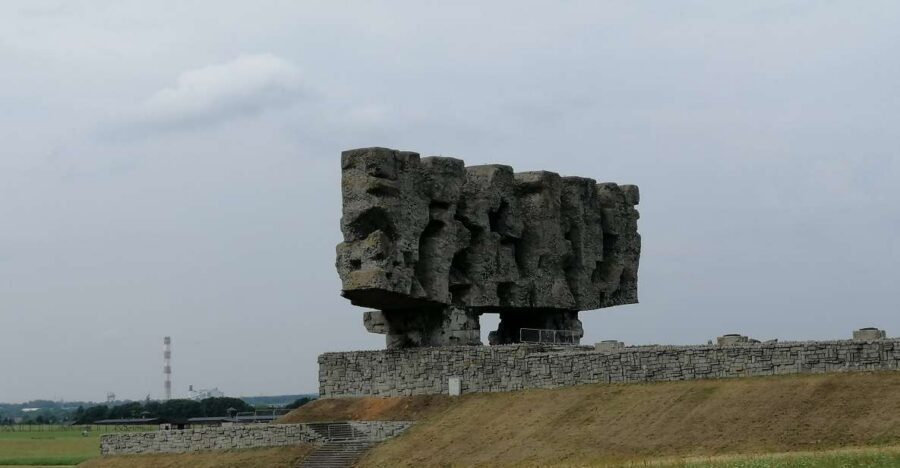
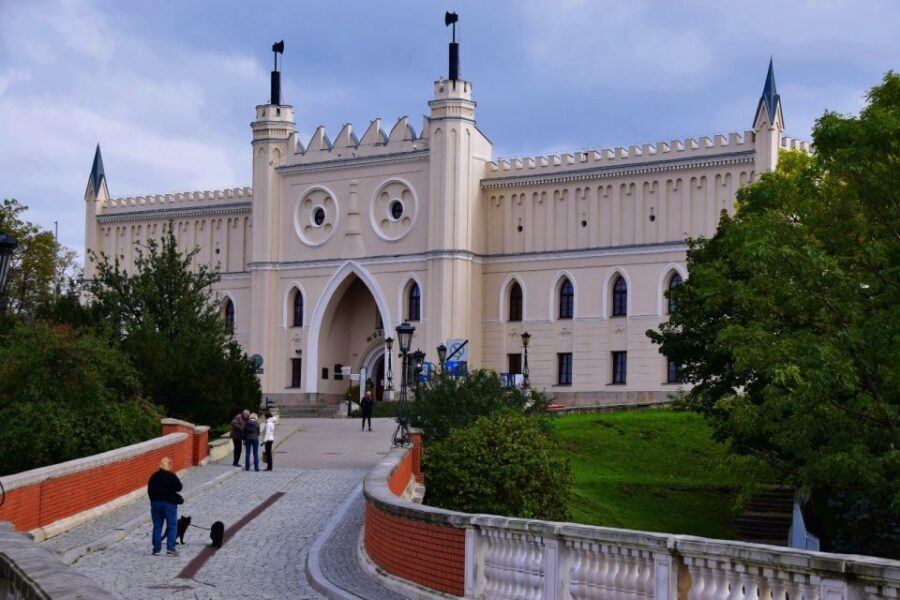
After Majdanek, the day shifts from camp grounds to a city with layers you can still walk through: Lublin. You’ll spend guided time with a local guide, and you’ll hear how Lublin became a major political center.
One of the key historical anchors is 1569, when the Kingdom of Poland and the Grand Duchy of Lithuania signed the Union that created the Polish-Lithuanian Commonwealth—the largest state in Europe until the 18th century. Standing in Lublin while hearing this timeline makes the history feel closer than it does from a book.
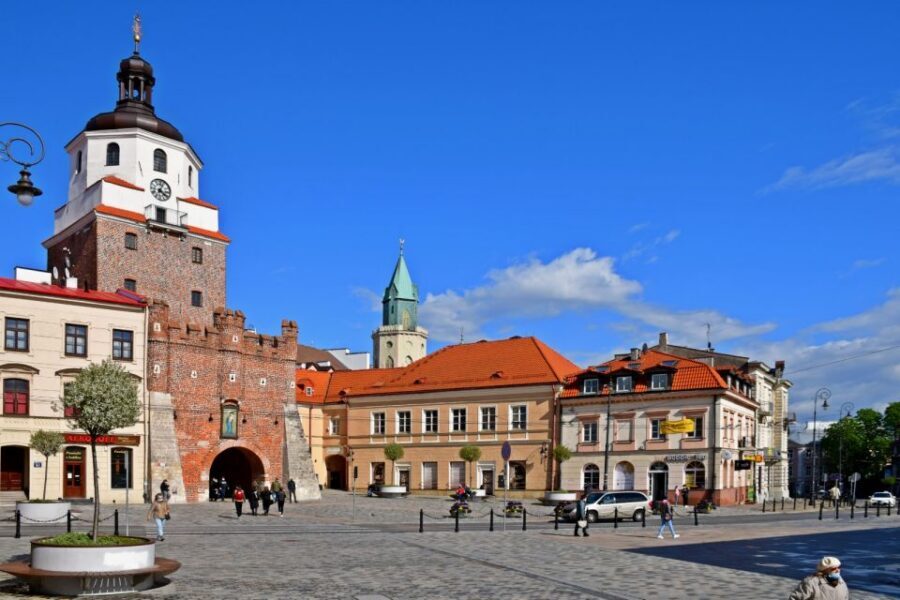
You’ll also get pointers for what to see in the Old Town and along the promenade near the Krakow Gate. The point isn’t to cram everything in—it’s to give you a satisfying sense of place, so Lublin becomes more than a transit stop between Warsaw and another museum.
Council of Four Lands: Jewish self-government you can actually imagine
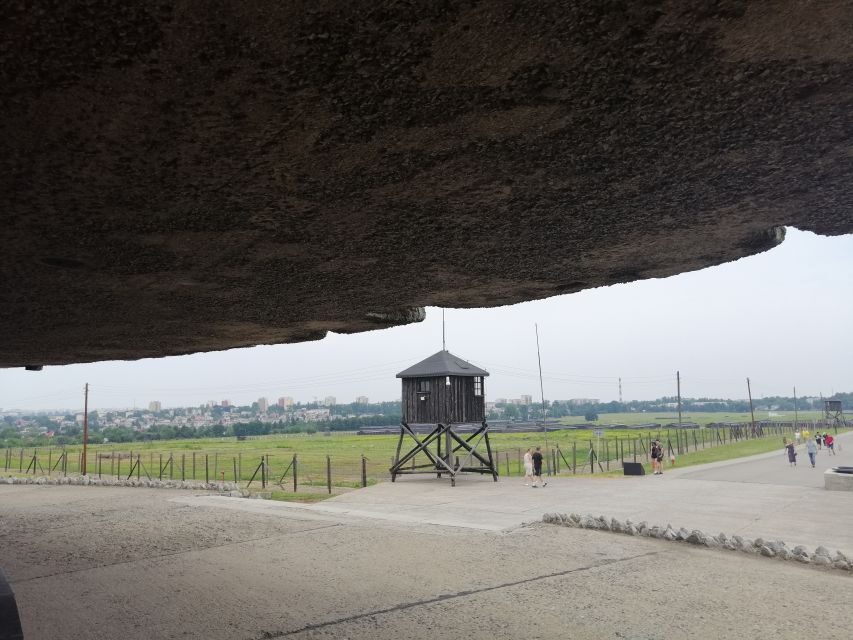
Lublin isn’t only a backdrop for major Polish events. It’s also tied to Jewish community life on a big scale, and the tour explains a phenomenon that many people have never heard of.
You’ll learn about the Council of Four Lands, described as Jewish self-government operating in the city starting in the sixteenth century. Even if you don’t know the terminology ahead of time, the guide’s job is to connect the concept to what it meant for community structure and authority.
That theme continues with the story of a Jewish religious school—an institution called a yeshiva—which from the beginning of the seventeenth century had the status of a royal academy. This matters because it shows how Jewish learning and governance were not just local traditions; they were recognized forms of leadership within the wider state context.
If you like history that’s specific—names, time periods, institutions—this part of the day tends to click. It adds texture to the region without pulling focus away from the earlier reality of Majdanek.


Krakow Gate promenade and your one-hour lunch reset
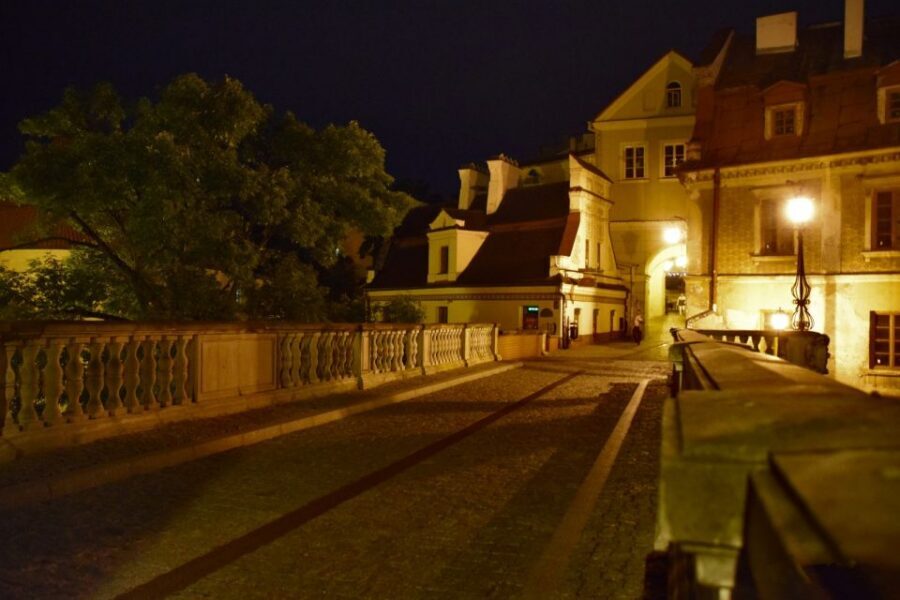
After the guided portion in Lublin, you get free time—about one hour—for lunch and rest. Meals and drinks are not included, so you’ll need to plan on paying out of pocket.
One hour can be enough to eat and reset, but it also means you should move with intention. Decide early whether you want a sit-down meal or something quick, and keep an eye on the time so you’re not rushing back to the pickup point.
This short break is also your chance to absorb the city’s atmosphere after the intensity of Majdanek. Walking near landmarks like the Krakow Gate promenade helps you transition, and it makes the Lublin portion feel like a real visit rather than a checklist.
Guides make or break sensitive history days
You’re getting live guidance, with languages offered in English and Spanish. That’s not a small detail for this itinerary. With topics like Majdanek, good narration helps you connect exhibits to meaning, and it also helps you avoid turning the visit into confusing silence.
Based on guide examples tied to this route, you might encounter guides such as Maxymillian or Tomasz, both described as personable and focused on explanation. Another guide name that shows up is Yola, also highlighted for giving clear explanations across the tour’s two main parts.
Here’s the balanced note: with any guide, you might hear more than strict facts—some people prefer a purely historical tone, while others don’t mind interpretation. If you want the narration to stay strictly on history and museum content, choose the language you’re most comfortable with and listen for how the guide frames their comments.
Early pickup, ticket lines, and the value of doing it in one organized day
Let’s talk practicality. This tour handles the big friction points:
- early morning pickup and evening drop-off from your Warsaw accommodation
- transport by car or minivan with an English-speaking driver
- guided tours in both Majdanek and Lublin
- all entrances and tickets included
- skip the ticket line
That last one is especially useful on a day like this. When you’re dealing with timing across two locations, losing time to queues can throw off your whole rhythm. You also don’t have to figure out where to purchase entry or how long the guided sections will take—your schedule is managed for you.
Also note the total length: 10 hours. Plan your energy accordingly. This isn’t a “quick stop” kind of outing—it’s a day with one long emotional anchor and one city exploration afterward.
Price and value: is $231 fair for a Warsaw day trip?
At $231 per person for a 10-hour round trip, the price isn’t cheap on paper—but it can be good value when you look at what’s included.
You’re paying for:
- hotel pickup and return
- private-style transport by car/minivan for the full day
- live guided tours at Majdanek and Lublin
- entrance fees and tickets for both
- a guided experience in English or Spanish
The part you’re not paying for is straightforward: food and drinks. Since meals aren’t included, your real total depends on what you choose to eat during that ~one-hour window.
So the value equation is simple: if you’d otherwise spend time and money coordinating transport and tickets yourself, this format usually wins. If you’re comfortable DIY planning and don’t mind handling transfers and entry timing, you might compare alternatives—but you’d be trading away the guided structure for time spent managing logistics.
Who this tour suits best (and who should skip it)
This is a strong fit if you want a guided, structured visit to both Majdanek and Lublin in one day, without navigating independently from Warsaw. It also suits you if you care about specific historical themes: the Nazi camp system, the Council of Four Lands, and the 1569 political union that shaped the Polish-Lithuanian Commonwealth.
It may not suit you if you’re bringing children under 10, since the tour is marked as not suitable for children under 10. It’s also marked as not suitable for wheelchair users. (The activity text also mentions wheelchair accessibility, but the explicit “not suitable” note is what you should treat as the deciding signal.)
Most importantly, if you prefer light sightseeing, this isn’t that kind of day. This itinerary is designed around difficult history, followed by a city with its own meaningful context.
Should you book this Warsaw-to-Lublin and Majdanek tour?
Yes, if you want a well-organized day trip that pairs the gravity of Majdanek State Museum with the historical depth of Lublin’s Old Town, including the Council of Four Lands and the yeshiva story. The included tickets, guided narration, and time-managed transfer make it a sensible way to cover two major experiences without wasting half your day figuring things out.
Hold off if you’re not ready for intense WWII subject matter, or if your schedule can’t handle a long day with only about an hour for lunch. And if you have strong preferences about how guides present historical topics, pick the language that puts you most at ease and be ready to steer your expectations toward museum explanations.
If this topic is on your list, this route gives you a focused, guided way to see it—transport included, entrances included, and real context built into the day.
FAQ
How long is the Warsaw to Lublin and Majdanek day tour?
It lasts about 10 hours.
What’s included in the price?
Hotel pickup and drop-off in Warsaw, transportation by car or minivan with an English-speaking driver, guided tours in Majdanek and Lublin, and all entrance tickets.
Are meals included?
No. Food and drinks are not included.
Do I need to buy tickets in advance?
No. All entrances and tickets are included, and the tour includes skipping the ticket line.
What languages are available for the live guide?
The live tour guide is available in English and Spanish.
Is pickup from my Warsaw hotel included?
Yes. The driver will pick you up from your accommodation and hold a sign with your last name.
Is the tour suitable for children or wheelchair users?
It’s not suitable for children under 10. For wheelchair needs, the information provided includes a note that it is not suitable for wheelchair users, even though wheelchair accessibility is also mentioned—so you should confirm before booking.