REVIEW · WARSAW
In 10 days around Poland – by train, with hotels and local tours
Book on Viator →Operated by GFP Travel - Tours in Poland · Bookable on Viator
Poland by rail feels wonderfully organized. This 10-day route threads together Warsaw, Gdansk, Malbork, Poznan, Wroclaw, and Krakow with comfortable 1st-class trains, centrally placed hotels, and local guides so you spend less time figuring things out and more time looking up at real buildings.
I especially like the mix of big “must-see” stops with time to breathe. First-class train tickets and station-to-hotel driver pickups take the stress out of transit, and you get guided walking tours in each city that actually connect landmarks to history (from Warsaw’s Royal Route to Gdansk’s Solidarity sites). The tour also feels well run on the human side—manager Tomasz showed up in the details through quick, flexible help when plans needed adapting, and guides like Jola made meeting points feel straightforward.
One consideration: it’s not a sit-and-sip itinerary. You’ll be doing regular half-day to full-day guided walks, plus a moderate fitness level is expected, and dinners are not included, so plan on some extra evenings budgeting your own food.
In This Review
- Key highlights worth planning for
- The big idea: a rail route that makes Poland feel easy
- Warsaw: first night basics and how the Old Town tour is paced
- Warsaw to Gdansk by direct train: the smooth mid-trip reset
- Gdansk full day: shipyard history plus Oliva’s organ music
- Malbork Castle: the kind of day trip you’ll remember
- Poznan: a calmer city with strong architectural stops
- Wroclaw: train-in, guide-led, and built around rivers
- Krakow: a half-day Old Town tour that sets you up for nights out
- Day 10 near Krakow: choose your history, music, or underground world
- Price and value: what $3,900 really buys you
- Who this tour fits best (and who should think twice)
- Should you book this Poland by train tour?
- FAQ
- What cities are included in the 10-day Poland by train route?
- Are train tickets included, and what class do you use?
- Is the tour guided in English?
- How big is the group?
- Are breakfasts included?
- Are dinners included?
- What are your Day 10 options near Krakow?
- Is the experience refundable if you cancel?
Key highlights worth planning for
- 1st-class trains + driver pickups: station-to-hotel transfers are handled, so your travel days stay light.
- Small group cap (max 10): you’ll get a more personal pace than big bus tours.
- City guides with major landmarks: Royal Castle and Old Town in Warsaw, Solidarity-era sites in Gdansk, and the baroque highlights in Wroclaw.
- A true day trip to Malbork Castle: the large medieval brick fortress is a full-on experience.
- Day 10 choice near Krakow: Auschwitz-Birkenau, Wieliczka Salt Mine, or Kazimierz in the Jewish district.
- English-speaking service: you’re guided in English throughout the included tours.
The big idea: a rail route that makes Poland feel easy
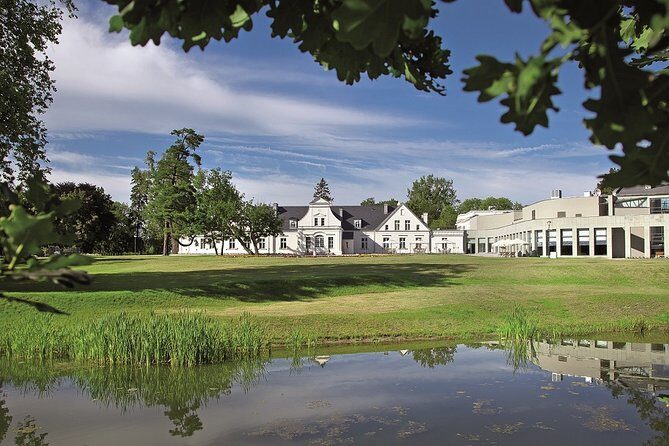
This tour’s main strength is how it’s built around rail travel. Instead of packing in long bus days and constant hotel shuffles, you move by direct trains between key cities and keep transfers simple. You’re also staying in 3 / 4 hotels, generally in central areas, which matters more than people think: when you’re close to sights, you walk more, and you wait less.
The small group limit (up to 10 travelers) is a quiet but real upgrade. It means guides can pace the group, answer questions without losing the room, and keep the day from turning into a rushed assembly line. It’s also why this feels like a “learn as you go” trip instead of a checklist.
If you're still narrowing it down, here are other tours in Warsaw we've reviewed.


Warsaw: first night basics and how the Old Town tour is paced
Day 1 is all about getting you settled. You’re met at Warsaw’s arrival point (airport or train station) and transferred to a centrally located hotel. That initial handoff matters because it sets the tone: you start the trip already oriented, with your first evening mostly free to rest.
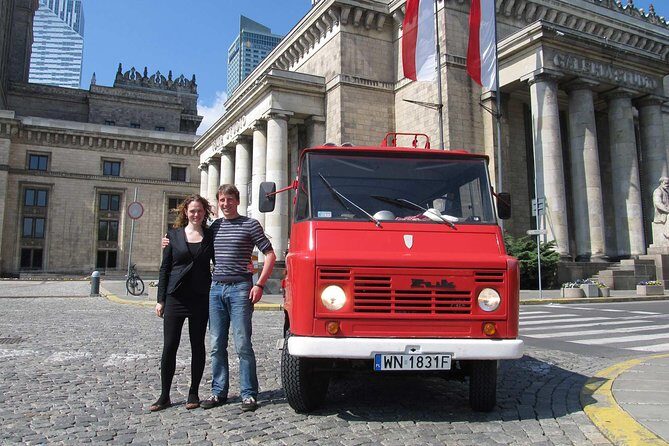
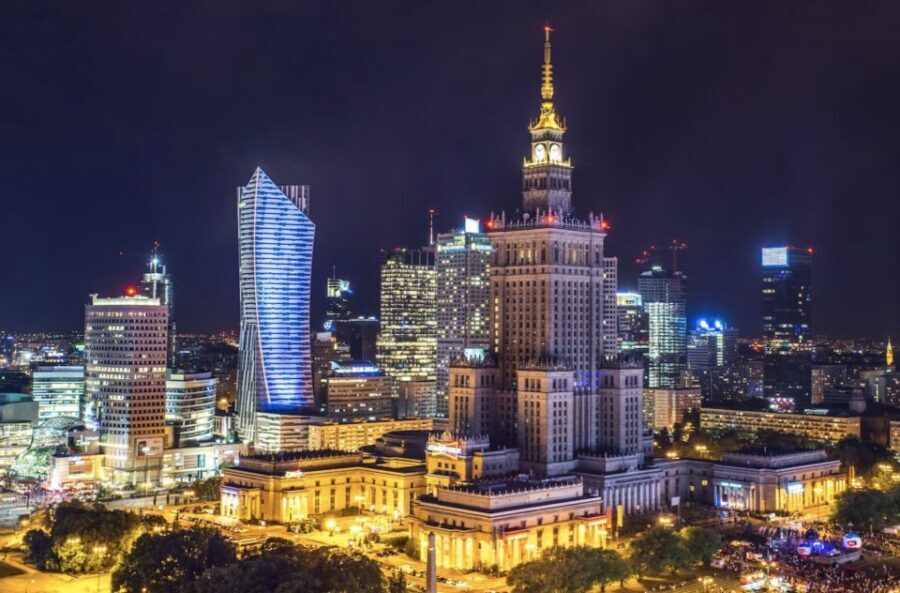
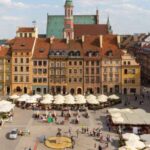
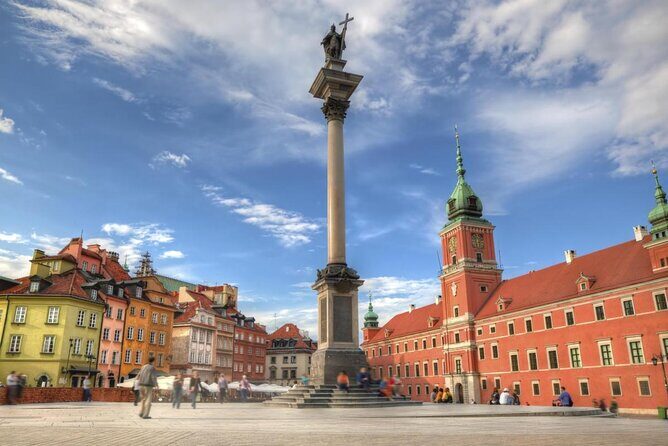
Day 2 then delivers Warsaw in a guided sweep. You’ll cover Old Town highlights including the Royal Castle, the Royal Route, Old Market Square, the Barbican, Krakowskie Przedmiescie, and Lazienki with its gardens and the Palace on the Water. It’s a strong sampler of what makes Warsaw feel both European and determined—reconstructed heritage, polished streets, and enough variety to keep the day from blending together.
A practical tip: Lazienki and the gardens can involve walking on uneven ground. Wear shoes that handle cobblestones without complaint. If you’re arriving from a long flight, build in a slow afternoon after the tour—your itinerary already leaves that breathing space.
Warsaw to Gdansk by direct train: the smooth mid-trip reset
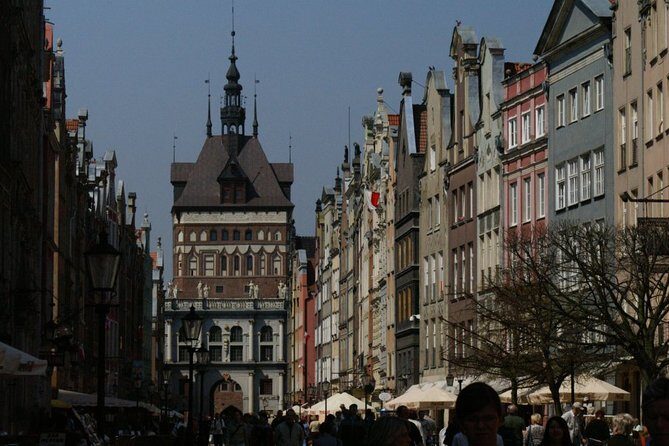
One of the easiest wins here is the way the travel day is handled. On Day 3, you get breakfast, then you’re transferred to the Warsaw train station and take a direct train to Gdansk. You reach Gdansk later that day, and then another driver transfer brings you to your centrally located hotel.
This is exactly the kind of pacing that keeps rail travel from feeling like work. You’re not hopping between random connections, and you’re not burning your whole day on logistics. Also, because the tour uses 1st-class train tickets, you tend to get a calmer ride with more comfortable seating—useful on a day when you’ll likely want to wander later.
Gdansk full day: shipyard history plus Oliva’s organ music
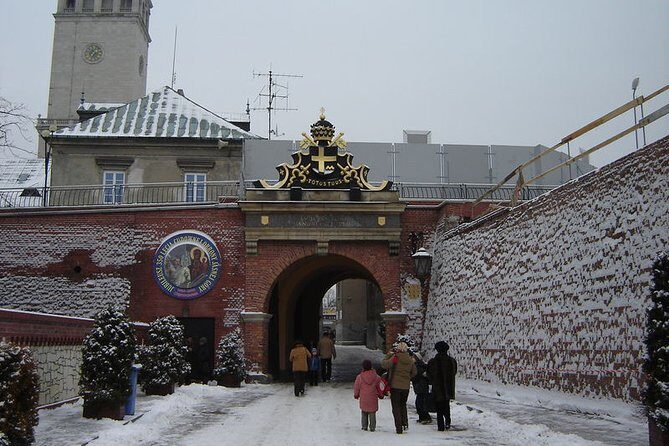
Day 4 is where Gdansk becomes more than pretty streets. You’ll do a whole-day guided tour featuring the Golden Gateway, Neptun’s Fountain, Artus Court, Uphagen House, Dluga Street, Mariacka Street, the wooden Crane on the Motlava River, and the Solidarity Monument at the Gdansk Shipyard. That shipyard stop is key, because it connects the city’s beauty with the political momentum that grew out of it.
After that, the itinerary pivots to a very different kind of Polish culture: an organ music concert at Oliva Dome, in the Oliva district. It’s a smart pairing. After the industrial and political weight of the shipyard sites, music gives your brain a reset, and it also makes the day feel unique compared to other “two-city” Poland trips.
Even better: you still get private time later. Use it for a slow walk along the waterfront or for a casual meal without a schedule hanging over you.
Malbork Castle: the kind of day trip you’ll remember
Day 5 is your Malbork day—breakfast first, then a transfer to Malbork for the largest medieval brick castle in Poland. This isn’t a quick photo stop. You’ll join a half-day guided tour of the castle, with lunch available in the castle restaurant if you want that on-site convenience, and then you’ll return to Gdansk in the afternoon.
Why it works: medieval brick architecture has a distinct look, and a guided visit helps you understand what you’re seeing—fortifications, layout logic, and why this place mattered. If you love history but also enjoy structure, you’ll likely find this day satisfying rather than exhausting.
One thing to plan for: castle touring usually means more stairs and more walking than you expect. Go in with energy, not just curiosity.


Poznan: a calmer city with strong architectural stops
Then you shift west. Day 6 takes you by train from Gdansk to Poznan, followed by check-in and a guided tour. Poznan is described as known for fairs, but what you’ll actually feel on a walking tour is a blend of religious, civic, and baroque layers.
The included sights cover the Cathedral, the Renaissance Town Hall, and the Baroque Church of St. Mary Magdalene. This is a good day for travelers who like variety without spending hours on transit. The tour time is shorter than some other days, leaving the afternoon open for your own pace.
Practical idea: after a guided tour, I like to pick one neighborhood to wander slowly. In Poznan, that means you can linger around the civic center without feeling like you’re missing something essential.
Wroclaw: train-in, guide-led, and built around rivers
Day 7 moves you from Poznan to Wroclaw with another direct train, and a driver meets you at the station. Wroclaw is the kind of city that tends to reward walking—rivers, bridges, and a visual mix that feels distinct from the north-coast vibe of Gdansk.
Day 8 is the guided highlight day. You’ll see Ostrów Tumski with its Cathedral, plus the University area and Aula Leopoldina, and you’ll finish with a stroll around the Market Square and the historic gothic City Hall. That sequence makes sense: it starts with the religious heart, moves to academic baroque splendor, then lands you in the city’s public square.
The review feedback also hints at why Wroclaw feels special day-to-day: people note the river atmosphere and even the tram system. Your included tour centers on key landmarks, but once you’re finished you’ll have plenty of time to enjoy Wroclaw’s street-level character.
Krakow: a half-day Old Town tour that sets you up for nights out
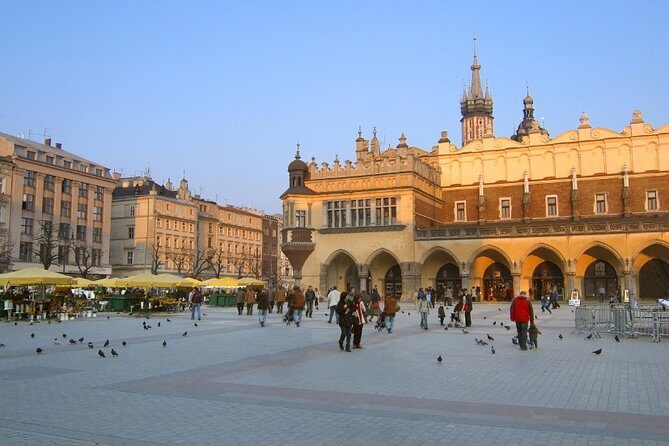
Day 9 is your transition to Krakow. You’ll take a direct train, get met at the station, transfer to a centrally located hotel, and then get a half-day city tour of the Old Town. The route includes Rynek Glowny (Central Square), the Cloth Hall, St Mary Basilica, and a walk along the Royal Route up to Wawel Hill for the cathedral and Royal Castle.
This is the best kind of city tour timing. A half-day guided visit gives you the “map in your head” needed for the rest of your trip, while leaving your evening free. The itinerary even suggests an optional dinner with live music in a regional restaurant (45 USD per person). If you want to taste Krakow at night, that’s a good way to do it without hunting for options on the spot.
A practical note: Krakow’s Old Town area is walk-heavy. If you’ve been doing lots of guided days already, take advantage of that “private walk” time to go slower rather than cramming more sights into every hour.
Day 10 near Krakow: choose your history, music, or underground world
Your final day is designed as a pick-your-own highlight. After breakfast, you’ll enjoy a half-day tour connected to Krakow’s region, with choices including:
- Wieliczka Royal Salt Mine
- Auschwitz–Birkenau Nazi German Camp – Museum
- Kazimierz (Jewish district in Krakow)
This choice is the big emotional and thematic fork of the trip. If you want a life-and-labor kind of wonder, Wieliczka is often the ticket. If you want the hardest history in the itinerary, Auschwitz–Birkeanu is the one. If you want Krakow culture and community history, Kazimierz is a strong option.
Once you finish, you transfer to Krakow airport or train station for departure. That keeps the ending clean—no last-minute city driving, no scrambling.
Price and value: what $3,900 really buys you
At $3,900 per person for about 10 days, this tour is priced like a rail-and-guide package, not like a low-cost backpack route. The value comes from several things that add up fast if you book separately:
- 1st-class train tickets between cities
- local guides in major stops (with admissions included on key tour days)
- air-conditioned vehicle transfers with drivers
- 3 / 4 centrally located hotels
- breakfast included for 9 mornings
- English-speaking support
- group size kept small (max 10)
Dinners are not included, so you’ll need to budget your evenings. But the upside is flexibility: you can choose where and how you eat instead of being tied to one group meal each night.
For me, the best value angle is the time saved. When transit is handled and guides are scheduled, you spend less energy on logistics and more on actually seeing Poland.
Who this tour fits best (and who should think twice)
This fits best if you:
- want Poland by rail with minimal friction
- enjoy guided history tied to real places (not just museum panels)
- like small-group pace and don’t want bus chaos
- can handle moderate walking and standing
You might think twice if you:
- want a very slow, flexible pace every day (some days include whole-day guided touring)
- need lots of downtime between stops
- dislike choosing between major experiences on Day 10 (you have three different directions, each with a different feel)
Should you book this Poland by train tour?
If you want a straightforward rail loop that hits the headline cities—plus real day trips—you should book. The standout strength is the structure: direct trains, driver pickups, central hotels, and guided sightseeing that gives context instead of just passing through landmarks.
I’d say go for it if you’re comfortable with walking days and you’re okay budgeting for dinners. And if Day 10 is your decision point, pick the option that matches your trip mood: wonder (salt mine), weighty history (Auschwitz–Birkeanu), or cultural neighborhood time (Kazimierz). When that choice is right for you, the whole itinerary clicks.
FAQ
What cities are included in the 10-day Poland by train route?
The tour runs through Warsaw, Gdansk, Malbork (day trip), Poznan, Wroclaw, and Krakow, with Day 10 based around a choice near Krakow.
Are train tickets included, and what class do you use?
Yes. Train tickets are included and are listed as 1st class.
Is the tour guided in English?
Yes, the tour is offered in English.
How big is the group?
The tour has a maximum of 10 travelers.
Are breakfasts included?
Yes. Breakfast is included for 9 days.
Are dinners included?
No. Dinners are not included.
What are your Day 10 options near Krakow?
On Day 10 you can choose a half-day tour of Wieliczka Royal Salt Mine, Auschwitz–Birkeanu Nazi German Camp – Museum, or Kazimierz in Krakow.
Is the experience refundable if you cancel?
No. The experience is non-refundable and cannot be changed for any reason. If it’s canceled because a minimum traveler number isn’t met, you’ll be offered a different date/experience or a full refund.