REVIEW · WARSAW
Warsaw Highlights by Bike with Breathtaking Sceneries
Book on Viator →Operated by Warsaw City Tours by Lukasz · Bookable on Viator
Warsaw by bike saves your feet. With Lukasz guiding, you can see major sights in hours without the usual map-and-stamina grind. I like the way the ride mixes practical orientation with clear stories about Chopin, WWII, and the Communist era.
What really clicked for me was the easy pacing that still feels like a full sightseeing day. You cover a wide stretch of the center, and the guide keeps the group moving smoothly so you’re not stuck waiting at every corner.
One thing to consider: this is a time-packed route. If you like to linger in places for long stretches or you’d rather do zero-effort sightseeing, you may feel the 2 hours 30 minutes includes plenty of pedaling.
In This Review
- Quick highlights you’ll feel on the ride
- Why Warsaw by Bike Beats the Usual Sprint-and-Stop Plan
- Price and Timing: What $40.48 Buys You in Real Sightseeing
- Where You Start: Smolna Meets the Old Town Route
- Stop-by-Stop: Chopin, Royals, and the Center’s Big Names
- Fryderyk Chopin Museum and the Chopin Heart moment
- University of Warsaw and the polish of classic institutions
- Tomb of the Unknown Soldier and Saxon Gardens
- Presidential Palace and the Castle Square approach
- Old Town Squares: How to See the Real Warsaw Mood
- Rynek Starego Miasta: the oldest square in Warsaw
- Warsaw Royal Castle Gardens: the photo angle most people skip
- New Town Market: cloister convent still functioning
- WWII Memory and the Ghetto Boundary Markers Route
- Warsaw Uprising Monument
- Warsaw Ghetto boundary markers
- Marie Curie: a different kind of legacy
- The Vistula Riverfront: Breaks, Views, and Local Life
- Vistula Boulevards: a best-in-class walking and biking edge
- Poniatówka: the largest sand beach on the wild side
- The iconic skyline bridge photo stop
- Elektrownia Powiśle: Ending With Modern Warsaw
- Who This Bike Tour Fits Best
- Should You Book Warsaw Highlights by Bike?
- FAQ
- How long is the Warsaw Highlights by Bike tour?
- What time does the tour start?
- Where do I meet the guide?
- Is there a mobile ticket?
- What kinds of sights are included?
- Are admission tickets required for the stops?
- How difficult is the ride?
- How big is the group?
- What if the weather is bad?
Quick highlights you’ll feel on the ride
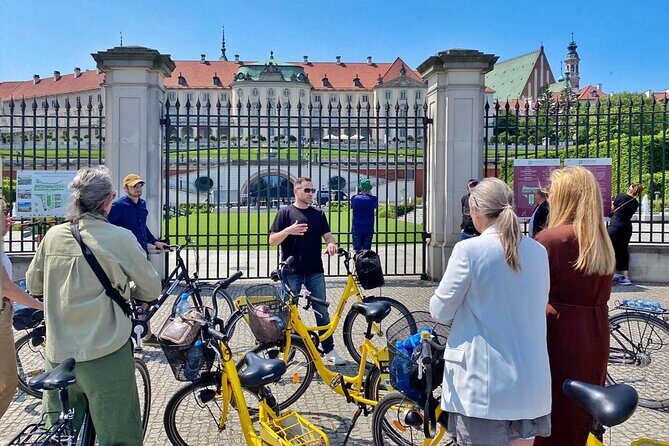
- Small group (max 10) so you get real time with the guide, not just a headcount
- A smooth, easy route that works for moderate fitness without turning into a workout
- Two major history tracks: Chopin heart and museums, then WWII memory and the Ghetto boundary markers
- Old Town views in smart spots, including the Royal Castle gardens photo angle that many miss
- Vistula riverfront break with biking/walking-friendly scenery and local hangout energy at Poniatówka
- A modern contrast finish at Elektrownia Powiśle, a repurposed prewar power plant
Why Warsaw by Bike Beats the Usual Sprint-and-Stop Plan
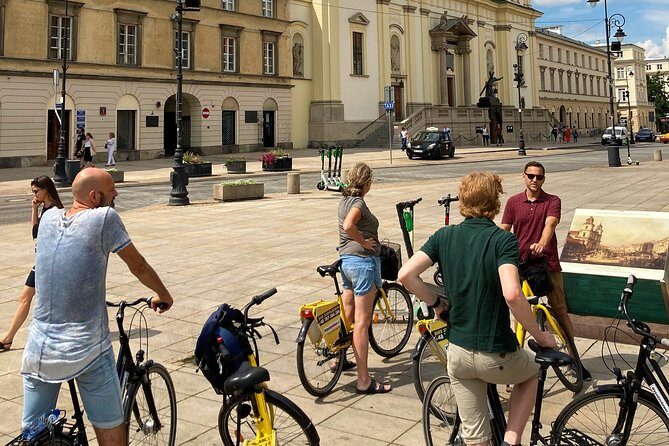
Warsaw is a big city center, and on foot you can burn time fast just moving between sights. This bike tour cuts that problem down. You roll through the areas that most visitors want—Old Town, major WWII markers, and the riverfront—without spending your trip doing laps around intersections.
I also appreciate that the guide’s job is more than pointing. You get context as you pass important buildings, so the sights connect into a bigger picture instead of being a list. Lukasz is specifically praised for being engaging and packed with information in a short time, which is exactly what you want when you only have a day or two.
The bike format also helps your photos. You’ll get closer angles to the Castle square vibe and the river views than you’d get just pausing on a sidewalk. And because you’re not walking the whole way, you can keep your energy for the stops that matter most to you.
Other cycling tours in Warsaw

Price and Timing: What $40.48 Buys You in Real Sightseeing
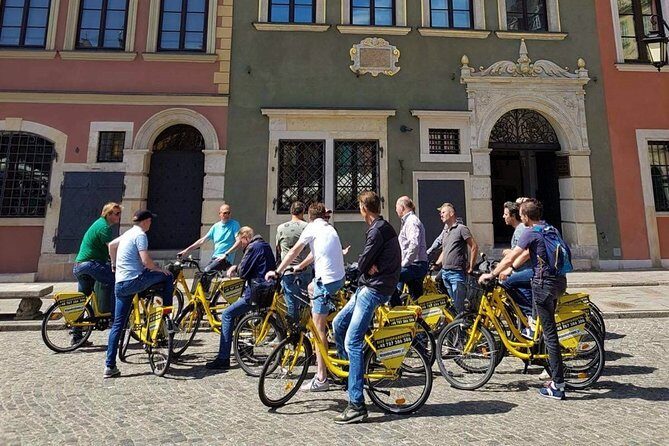
The price is $40.48 per person for about 2 hours 30 minutes, starting at 11:00 am and ending back at the same meeting point. For many people, that length is the sweet spot: enough time to feel like you saw Warsaw’s core, but not so long that you feel fried afterward.
Value-wise, two things help. First, it’s guided, and the stops are where stories matter—Chopin landmarks, WWII memorial points, and the Old Town squares. Second, the listed stops show admission tickets as free for each museum/church component on the route. That means you’re not adding surprise entry fees on top of the tour price.
There’s also the “small group” factor: with a maximum of 10 people, the guide can keep bikes lined up, explain as you go, and handle questions without turning your ride into a silent queue.
Where You Start: Smolna Meets the Old Town Route
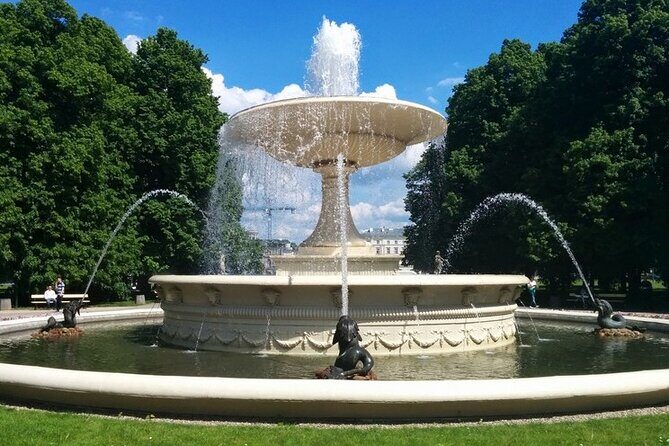
You meet at Wygodny Rower, Smolna 10 (00-375 Warsaw). It’s near public transportation, so you’re not stuck planning a complicated arrival. The tour ends back at the same spot, which is handy if you’re heading straight to lunch or a later museum.
Before you roll, the guide positions bikes so you’re set for comfort and control. That matters more than people think. With stops in tight streets and parks, feeling stable from the beginning keeps the ride relaxing instead of tense.
You’ll also want to dress for the day. The route combines shaded and open-air stretches, plus a river area, so think layers. If weather gets ugly, you might be offered a walking alternative based on how the tour has been handled in the past.
Stop-by-Stop: Chopin, Royals, and the Center’s Big Names
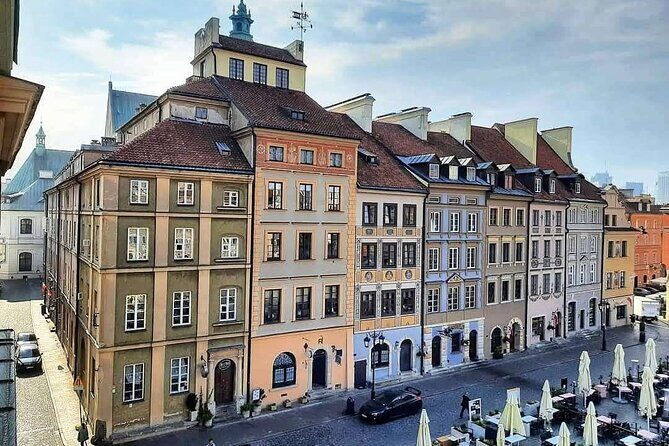
This is the first half of the tour energy: music, memorials, and power buildings, all before you hit the Old Town core.
Fryderyk Chopin Museum and the Chopin Heart moment
You start at the Fryderyk Chopin Museum, dedicated to Poland’s best-known composer. Even with a short stop, it’s a strong way to set the tone for the day. Chopin isn’t just a composer here—his story threads through Warsaw’s identity.
Next comes Holy Cross Church (Kościół Świętego Krzyża), famous for the resting place of Chopin’s heart. That’s a detail most people don’t know until they’re standing in front of it, and it helps you understand why Warsaw treats Chopin with such care.





University of Warsaw and the polish of classic institutions
Then you pass the University of Warsaw (Uniwersytet Warszawski) area. The stop is brief, but it signals the city’s academic legacy—Warsaw isn’t only about palaces and monuments. It also shaped ideas, research, and public life.
You also stop at Raffles Europejski Warsaw, described as the oldest hotel in Warsaw, opened in 1857, and inspired by 16th-century Renaissance palaces from Rome and Venice. That’s a useful contrast point. It shows how Warsaw absorbed European styles while building its own modern identity.
Tomb of the Unknown Soldier and Saxon Gardens
The Tomb of the Unknown Soldier is a sober stop that anchors the tour’s wartime and national memory theme. Then you move into Saxon Gardens, described as the oldest public park in Poland. It’s a good reset: a breath of green space right in the center, before you roll into the political and Old Town heart.
Presidential Palace and the Castle Square approach
You’ll reach the Presidential Palace (Pałac Prezydencki w Warszawie), the official headquarters of Poland’s president. Even if you can’t go inside, the stop helps you place the city’s government landscape in your mind.
After that, it’s on to Castle Square (Plac Zamkowy), the key Old Town square with the Royal Castle. This area is where a bike tour really earns its keep. You get the approach and the scale without walking a long circuit just to see the same views from one angle.
And if you’re a fan of architecture, you’ll likely notice the tour also keeps you close to other landmark streets tied to major sights like the National Theater, mentioned as part of the highlights. The guide’s route helps you connect those dots as you ride.
Old Town Squares: How to See the Real Warsaw Mood
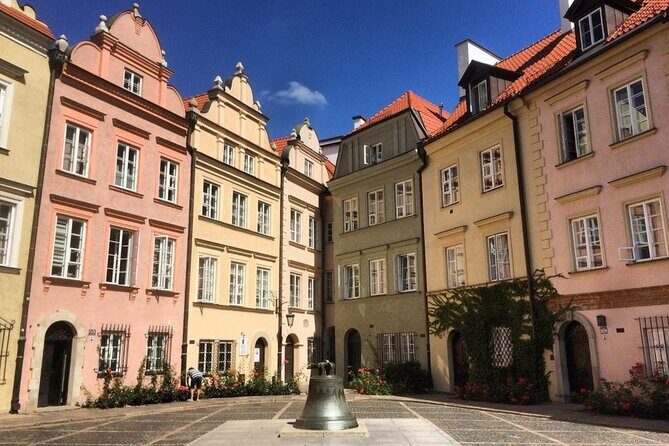
Old Town in Warsaw can be busy, and standing still for too long can feel like waiting. By bike, you’re allowed to soak in the vibe while still covering ground.
Rynek Starego Miasta: the oldest square in Warsaw
You hit Rynek Starego Miasta (Old Town Market Square), described as the oldest square in Warsaw. This is the classic “postcard meets lived-in life” zone, with buildings that tell you the city rebuilt itself after catastrophe.
The best part of stopping here on a bike tour is the pacing. You get a short window to orient yourself visually, then you roll onward with a guide’s explanation in your head.
Warsaw Royal Castle Gardens: the photo angle most people skip
One of the most practical “smart stops” is Warsaw Royal Castle Gardens. It’s a photo spot with royal gardens and a breathtaking view of the Castle facade. The route notes that this angle is often missed by visitors, and I agree with the logic: people rush from square to square, but gardens give you the breathing space and the viewpoint that makes the Castle feel bigger and more three-dimensional.
If you want the best photo, this is your moment. Stand, look, and take it in from the direction that shows the facade cleanly.
New Town Market: cloister convent still functioning
Next is New Town Market Square, where there’s a still-functioning cloister convent. That small detail adds weight. It’s not only about old buildings; it’s about places that kept working after the city’s upheavals.
WWII Memory and the Ghetto Boundary Markers Route
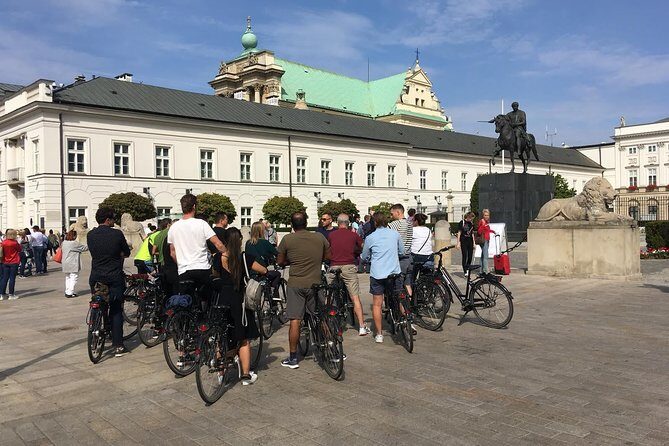
The middle of the tour shifts from scenic Old Town charm into hard history. The bike format still helps here, because it keeps you moving without turning the experience into a long slog.
Warsaw Uprising Monument
You pause at the Warsaw Uprising Monument, a World War II memorial. This stop matters because it gives you a point of reference for what the city endured and how it remembers. You’ll feel the tour’s theme tightening: history here isn’t abstract; it’s tied to neighborhoods and streets.
Warsaw Ghetto boundary markers
Then you reach Warsaw Ghetto boundary markers, marking the former Jewish Ghetto site. This is the kind of stop where you want to listen carefully, because boundary markers can look simple until you understand what they represent.
Even with a short visit, the guide’s explanations help you connect the markers to the broader WWII story, including how the city navigated occupation and resistance.
Marie Curie: a different kind of legacy
After the WWII-focused stops, you shift to science and achievement at Muzeum Marii Sklodowskiej-Curie, noted as Marie Curie’s birthplace. That change of pace is valuable. It shows Warsaw’s contribution to world progress, not only its trauma and survival.
The Vistula Riverfront: Breaks, Views, and Local Life
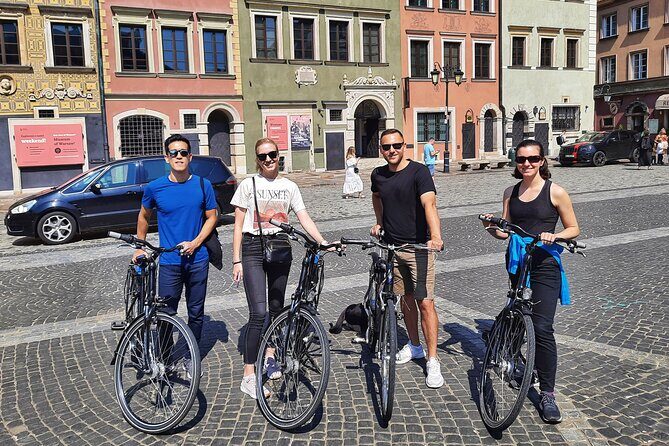
Once you head toward the river, the tone lightens without losing meaning. The Vistula is one of Warsaw’s best public spaces, and the tour makes sure you get time along it.
Vistula Boulevards: a best-in-class walking and biking edge
You stop at Vistula Boulevards, described as the best public space in Warsaw along the river. It’s set up for strolling, jogging, biking, and in summer it’s also tied to the city’s nightlife energy.
Even if you don’t plan a full evening out, this is where you’ll appreciate the city’s scale. From the river, Warsaw feels less like a set of monuments and more like a living capital.
Poniatówka: the largest sand beach on the wild side
Next comes Poniatówka, described as the largest sand beach on the wild side of the river and part of an important nature reserve. It’s also a hangout spot for locals, which helps you see what the river means day-to-day, not just as a tourist backdrop.
That’s a nice balance after history stops. You get a place where people actually relax.
The iconic skyline bridge photo stop
There’s also a dedicated stop at an iconic bridge with a stunning city skyline view. This is one of those moments where bike tours shine: you can reach a viewpoint quickly and then spend a few minutes getting the shot and the perspective.
Elektrownia Powiśle: Ending With Modern Warsaw
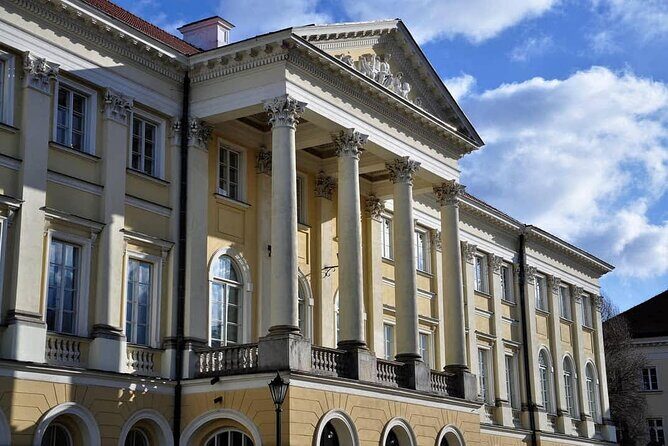
The last featured stop is Elektrownia Powiśle, described as a prewar power plant transformed into a multi-purpose hub. It’s a fitting finish because it shows Warsaw’s ability to reuse and reinvent.
You end back where you started, so you’re not stranded on the far edge of town. Instead, you finish near your original meeting point and can plan the rest of your day with less guesswork.
Who This Bike Tour Fits Best
This tour is designed for an easy ride and is suitable for all fitness levels and ages in the way it’s advertised, while also asking for a moderate physical fitness level. Translation: you should be comfortable pedaling for a couple hours, but you don’t need to train like a cyclist.
It’s ideal if:
- you want a fast orientation to Warsaw’s center on day one or two
- you like your sightseeing with short, story-rich explanations
- you prefer a small group and less time lost navigating
It might be less ideal if:
- you hate riding bikes in busy streets (even at an easy pace)
- you want maximum time at fewer stops rather than quick hits across many sights
- you’re traveling with someone who can’t handle steady cycling for 2+ hours
Should You Book Warsaw Highlights by Bike?
I’d book it if you want the best kind of efficiency: lots of iconic Warsaw in a short, guided ride. The combination of Old Town squares, WWII markers, and a proper riverfront break makes it feel like you saw the city from multiple angles, not just a single district.
The price also makes sense for what you get: a guided loop, a small group cap, and stops with free admission listed across the route. If you’re the type who gets bored by long museum marathons, this format can be a smart match.
If you like to linger for 30-60 minutes per place, plan a second day for slower exploration. This tour works best as the opener that sets your mental map—then you go back on foot where you want more time.
FAQ
How long is the Warsaw Highlights by Bike tour?
It runs for about 2 hours 30 minutes.
What time does the tour start?
The start time listed is 11:00 am.
Where do I meet the guide?
You meet at Wygodny Rower, Smolna 10, 00-375 Warsaw, Poland.
Is there a mobile ticket?
Yes. You’ll receive a mobile ticket.
What kinds of sights are included?
The route includes Chopin-related stops, Old Town highlights like Castle Square and Old Town Market Square, WWII-related points such as the Warsaw Uprising Monument and Ghetto boundary markers, and riverfront areas like the Vistula Boulevards and Poniatówka, ending near Elektrownia Powiśle.
Are admission tickets required for the stops?
The provided stop details list admission tickets as free for the sights on the route.
How difficult is the ride?
It’s described as an easy ride suitable for all fitness levels and ages, and you should have moderate physical fitness for the activity.
How big is the group?
The maximum group size is 10 travelers.
What if the weather is bad?
You may be offered a walking alternative if inclement weather happens, based on how the tour has been handled previously.