REVIEW · WARSAW
Krakow and Auschwitz Small-Group Tour from Warsaw with Lunch
Book on GetYourGuide →Operated by AB Poland Travel · Bookable on GetYourGuide
A day trip that hits hard, then comforts you. This Krakow and Auschwitz tour links the gravity of Auschwitz-Birkenau with a guided walk through Krakow Old Town, with lunch in between. It’s a full schedule, but it’s built to keep the day moving without you having to figure out routes or tickets.
I especially liked how the Auschwitz portion is organized: a long, focused guided visit (about 3.5 hours) that covers both Auschwitz and Birkenau, plus museum stops with original artifacts. I also really enjoyed the Krakow segment because the guide doesn’t just point—you get a route that takes in major landmarks like St. Mary’s Basilica, Krakow Barbican, Sukiennice, and Wawel Hill. One consideration: even with a small-group format (up to 8), the Auschwitz experience can feel less “small” once you’re in the camp with other visitors and shared flow.
If you’re choosing this, you’re choosing structure. You’ll leave Warsaw early, you’ll return late (around 23:00 or later), and you’ll need an ID or passport ready. Still, for the price, the mix of transport, admissions, guided time, and lunch is a solid value when you want one-day efficiency.
In This Review
- Key things to know before you go
- From Warsaw To Two Big Stops: The Day’s Real Rhythm
- Auschwitz-Birkenau With Skip-The-Line Entry and a Guided Route
- Birkenau Inside the Tour: Why the Layout Changes How You See It
- Lunch Timing: When You Eat Changes the Feel of the Day
- Guided Krakow Old Town: Landmarks You Can Actually Place on a Map
- Wawel Hill, Cathedral, and Castle: The Royal Anchor of the City
- Transportation and Small-Group Reality: What Up to 8 Really Means
- Price and Value: Is $392 Worth One Hard Day?
- What to Bring and How to Prep So the Day Goes Smooth
- Who This Tour Fits Best (And Who Should Choose Something Else)
- Should You Book This Krakow and Auschwitz Day Trip?
- FAQ
- How long is the tour?
- Where do pickups happen in Warsaw?
- What is included for Auschwitz-Birkenau?
- Is lunch included, and where do we eat?
- How big is the group?
- Can I get a refund if I cancel?
Key things to know before you go
- Small group (up to 8) keeps the pace calmer on the bus and helps the guide manage questions.
- Skip-the-ticket-line saves time at Auschwitz-Birkenau so your guided hours stay useful.
- Auschwitz + Birkenau in one guided block helps you connect the layout and what you’re seeing.
- Lunch is included as soup, a main course, and water, timed either in Auschwitz or Krakow.
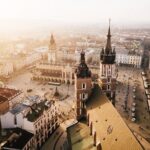
- Krakow Old Town highlights are guided: Town Hall Tower, St. Mary’s Basilica, Krakow Barbican, and Sukiennice.
From Warsaw To Two Big Stops: The Day’s Real Rhythm
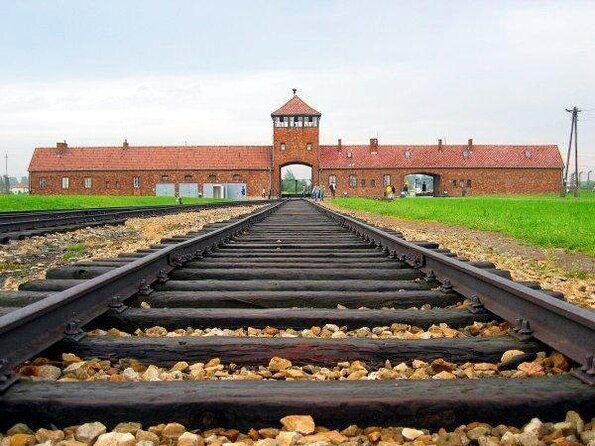
This is a long, one-day loop: pickup in Warsaw, guided Auschwitz-Birkenau, lunch, guided Krakow Old Town, then back to Warsaw. Expect a schedule that runs on timing more than wandering. If you like to plan your day down to the minute, you’ll feel comfortable here.
The ride itself matters. You start with pickup either from your Warsaw city-centre hotel or a specific meeting point at Marszałkowska 98-100, depending on the option you book. You’ll travel with an English-speaking driver, and you’re told clearly to wait in the hotel lobby about 10 minutes before pickup when you’re picked up from lodging.
By the end, you’re back in Warsaw around 23:00 or a bit later. That late arrival is normal for a full-day Auschwitz + Krakow combo, and it’s part of the value: one guided trip instead of piecing together separate tours.
Other Auschwitz day trips from Warsaw
Auschwitz-Birkenau With Skip-The-Line Entry and a Guided Route
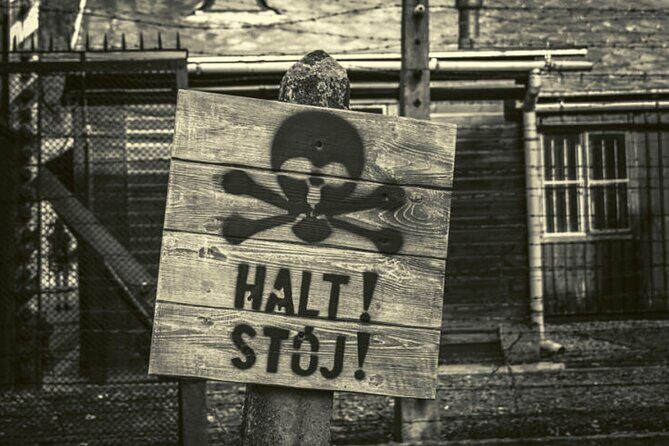
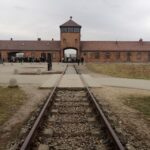
The Auschwitz visit is the emotional center of the day. You’ll go first to Auschwitz Nazi Concentration Camp, and your guided tour includes Birkenau. The guided portion is about 3.5 hours, which is long enough to slow down when you need to, but not so long that it turns into a fog of names and objects.
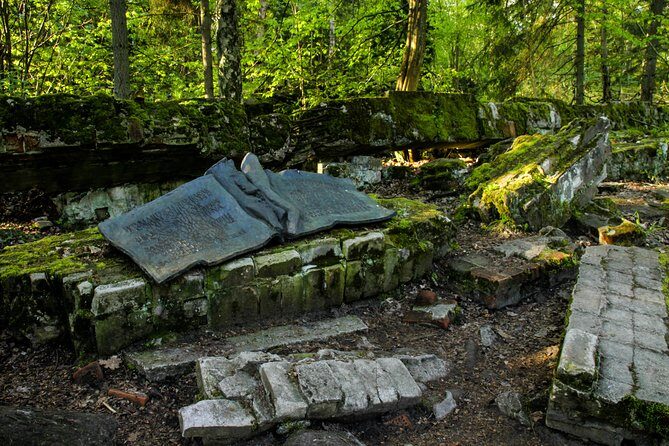
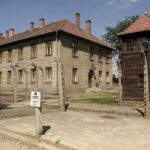
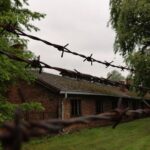
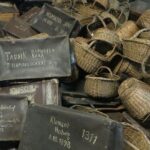
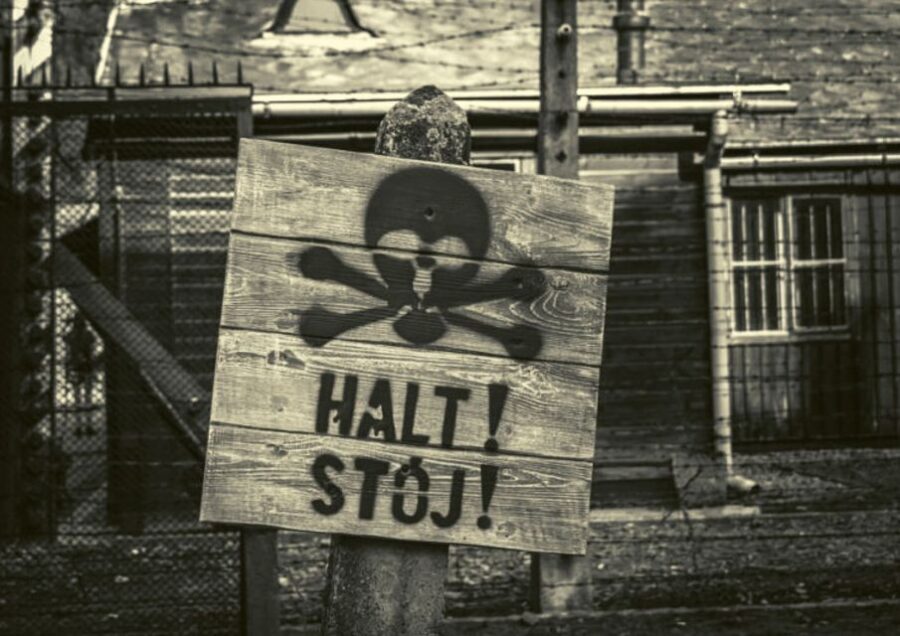
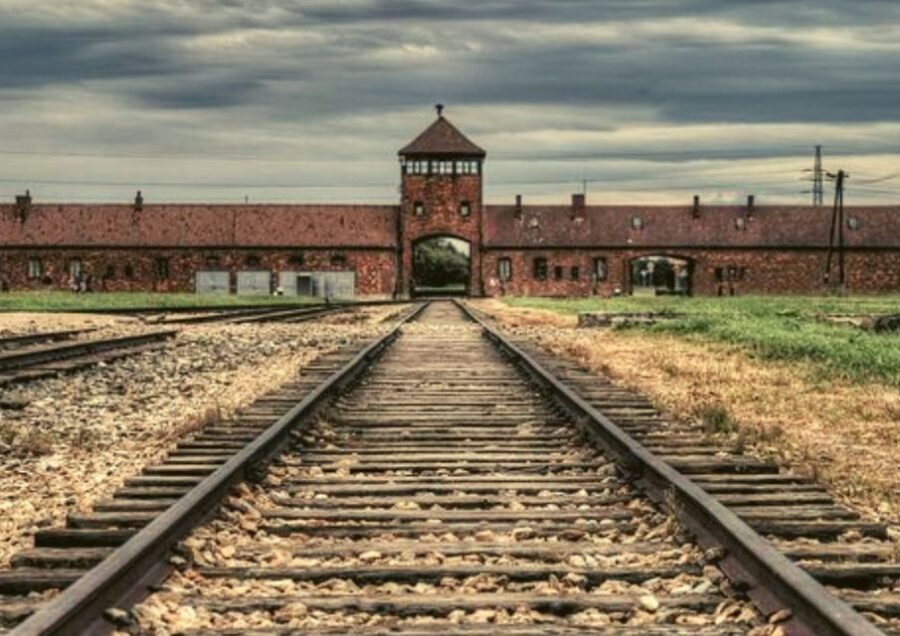
You’ll also visit the museum portion with original material. That includes things like original documents and personal belongings such as suitcases and shoes. Seeing preserved elements matters too: you’ll see original fences, wooden watchtowers, and railway ramps that have been preserved. Those details don’t just explain the past—they show the physical reality of the site.
A key point for your expectations: Auschwitz is described as a network of concentration and extermination camps built and operated by the Third Reich in Polish areas annexed by Nazi Germany during World War II. That framing helps the guide connect what you’re looking at to the bigger system.
This is one of those places where the “guided” part is not optional. Without context, it’s easy to scan and move on. With a guide, you’re more likely to understand why specific objects and preserved structures are shown the way they are.
Birkenau Inside the Tour: Why the Layout Changes How You See It
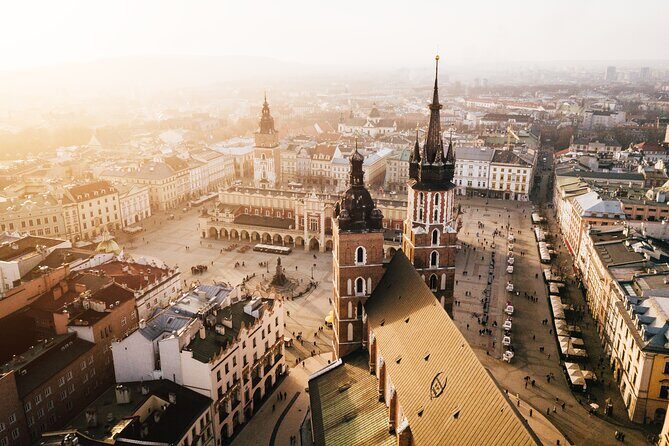
Birkenau isn’t tacked on as a quick photo stop. Your guided Auschwitz-Birkenau program is designed as one connected experience, with the tour including both camps. That makes a real difference because the shift between Auschwitz and Birkenau changes scale, pacing, and how you process what you’re viewing.
In practical terms, you’ll be walking and listening across preserved areas, not just stepping onto a bus and being dropped off. The preserved fences, watchtowers, and railway ramps you’ll see create an internal map in your head. Then, when the tour reaches Birkenau as part of the same guided flow, it feels less like a second site and more like a continuation.
For many people, this is the most important reason to do a guided format rather than a DIY plan. When you’re dealing with something this heavy, you want the day to be organized so your brain isn’t juggling logistics while trying to absorb meaning.
Lunch Timing: When You Eat Changes the Feel of the Day
Lunch is included and it’s simple: soup, a main course, and water at a standard restaurant. There’s also an upgrade option mentioned for a special menu at an exclusive restaurant, but that would be an extra charge.
Here’s the detail that affects your experience: lunch happens either in Auschwitz or in Krakow, depending on timing. That means the same tour can feel slightly different. If lunch is in the Auschwitz area, it keeps you in the emotional frame of the morning a bit longer. If lunch is closer to Krakow, you get a smoother mental transition before you enter the Old Town.
This is also where you should plan your energy. You’re leaving Warsaw and returning very late, so don’t treat the lunch break like a casual intermission. It’s one of your few controlled pauses, so eat well and rehydrate.
If you’re sensitive to long travel and stressful sights, it helps to think of lunch as a reset point. Even a basic meal can help you stay steady for the Krakow portion, which is lighter but still involves walking.
Guided Krakow Old Town: Landmarks You Can Actually Place on a Map
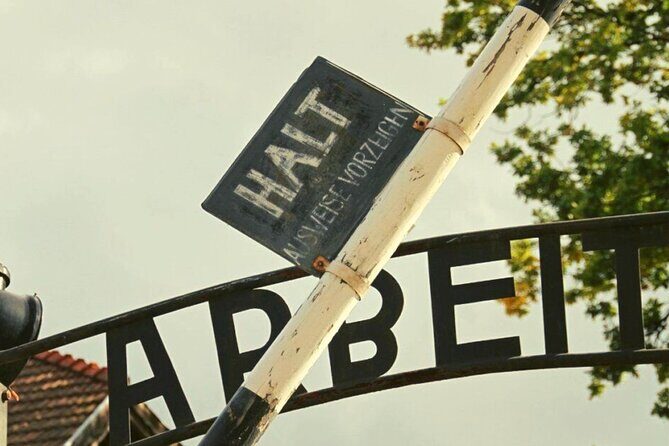
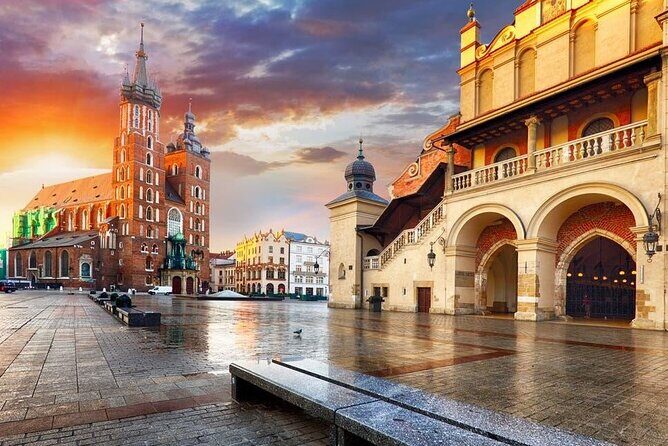
After Auschwitz, you head into Krakow Old Town for a guided tour that’s about 2 hours. This is a compact introduction to the center, and it works best when you stay present rather than trying to cram extra sights on your own.
The guide takes you to a set of major points so you build a clear mental map:
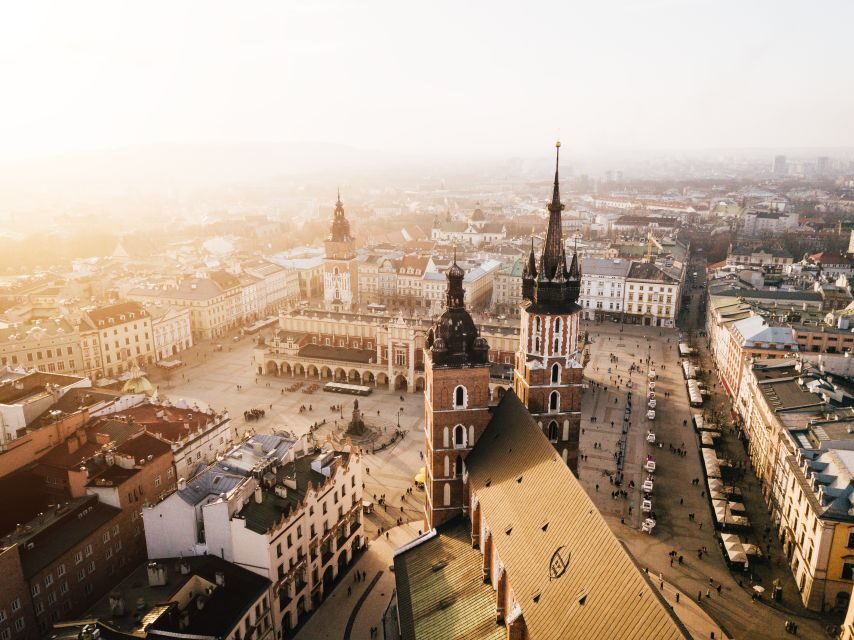
- Town Hall Tower
- St. Mary’s Basilica
- Krakow Barbican
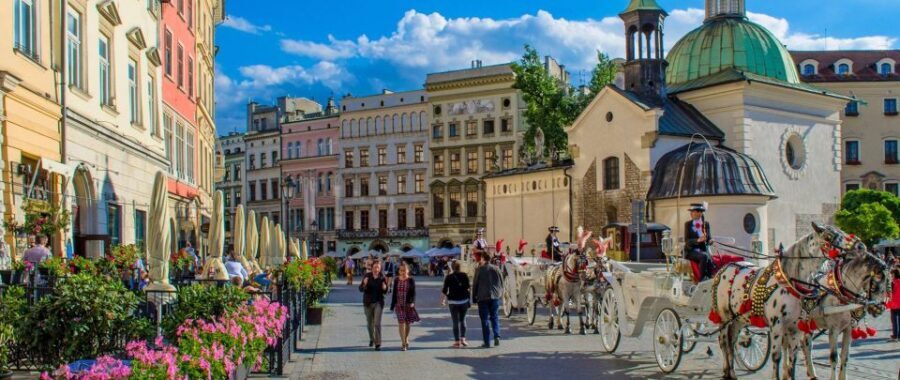
- Sukiennice (Cloth Hall)
These aren’t random stops. They’re the kinds of landmarks that help you understand Krakow’s street structure and how the city’s central spaces connect. Even if you’ve seen pictures before, being guided helps you understand what each place contributes to the overall feel of Old Town.
One of my favorite parts of a good Krakow walk is the way a guide can connect buildings to use—where people gathered, where civic life happened, and why certain streets funnel you toward key views. On this route, you’re set up to notice those connections without needing a big museum day.
Other Krakow day trips from Warsaw
Wawel Hill, Cathedral, and Castle: The Royal Anchor of the City
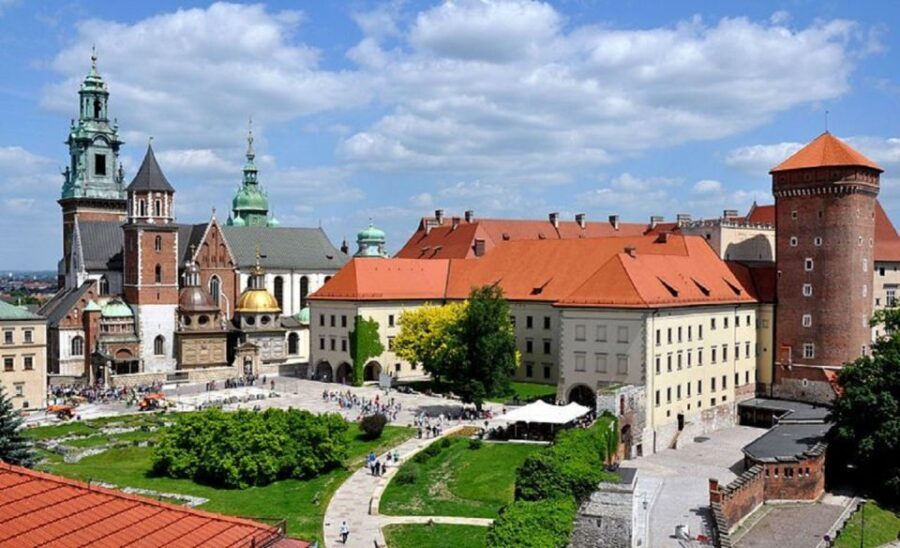
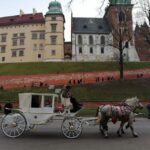
If Old Town is the stage, Wawel Hill is the anchor. The tour highlights Wawel Hill with its Cathedral and Castle, described as a place connected with royal coronations, weddings, and funerals. That matters because it reframes what you’re seeing: this isn’t just architecture—it’s a site tied to major life events in the story of the region.
You’ll also hear about age and setting. Some of the oldest stone buildings on Wawel Hill date back to the 10th century. That gives you a sense of continuity while you’re standing in a space where centuries stack on top of each other.
At the foot of the hill, on the bank of the Vistula River, there’s a cave tied to the Wawel Dragon legend. The cave is now a popular tourist stop. You might not need the legend to enjoy the moment, but it adds personality to the final stretch of the day and gives you something lighter to hold onto after Auschwitz.
Transportation and Small-Group Reality: What Up to 8 Really Means
This tour is listed as small group with a limit of 8 participants. That’s a sweet spot for comfort. On long days, you want space, and you want fewer people competing for attention when the guide is pointing things out.
That said, big sites don’t always behave like small groups once you’re inside. Auschwitz is a large, busy place, and even if your group is small on the bus, the flow inside museums and preserved areas may be shared with other visitors. So plan your mindset for steady pacing rather than guaranteed privacy.
The good part is the format is still designed to reduce friction:
- You skip the ticket line.
- You get an English-speaking driver.
- You get live guided time in Krakow, and the tour is described with an English live guide.
That combination is what makes the day work. Without it, Auschwitz alone can turn into a time sink, and then Krakow becomes rushed.
Price and Value: Is $392 Worth One Hard Day?
At $392 per person, this isn’t a cheap outing. But it’s also not just transportation and a vague walking tour.
What you’re paying for includes:
- Pickup in Warsaw city centre (or a defined meeting point)
- Transportation by car/minibus
- English-speaking driver
- English live guiding and guided tours
- Admission to Auschwitz-Birkenau museums and camps
- Lunch (soup, main course, water)
- Skip-the-ticket-line
Value is about trade-offs. You’re paying to compress two major destinations into one organized day with minimal decision-making. If you were to plan this yourself, you’d spend time figuring out tickets and timing, and you’d risk losing guided context—the part that makes Auschwitz and the Krakow walk land better.
The late return is part of the value equation too. You’re using a full day to cover an entire itinerary, not just “a taste.” If your priority is seeing both places in one trip with guides and admissions handled, this price can feel fair.
What to Bring and How to Prep So the Day Goes Smooth
Keep it simple:
- Bring your passport or ID card. You’ll need it for the sites.
- Be ready for a full-day pace: pickup timing matters, and you’ll be back in Warsaw late.
If you’re arriving in Warsaw from somewhere else, I’d try to schedule some buffer before and after this tour. Not because the tour is “unsafe,” but because it’s emotionally intense. After Auschwitz, you’ll still be walking around Krakow Old Town and Wawel Hill, so you’ll want your body to cooperate.
Also, plan your clothing for walking and a long day. Your schedule includes museum time and outdoor preserved areas, then city walking in Krakow.
Who This Tour Fits Best (And Who Should Choose Something Else)
This tour is best for you if:
- You want one-day organization for Auschwitz-Birkenau and Krakow.
- You prefer guided context over self-guided wandering, especially at Auschwitz.
- You’d rather pay for a package than coordinate tickets, timing, and transport on your own.
It may be less ideal if:
- You hate long travel days and late returns.
- You need frequent breaks and lots of free time.
- You’re very sensitive to crowds at large sites like Auschwitz, since the camp experience can still be busy even with a small-group bus format.
Should You Book This Krakow and Auschwitz Day Trip?
I’d book it if you’re in Warsaw and your top goal is to cover both destinations with guided time and admissions handled. The Auschwitz portion gives you museum artifacts and preserved structures through a guided route, and the Krakow portion follows with a well-chosen highlights walk that includes Wawel Hill, Cathedral, and Castle.
Choose another option if you want more breathing room or if you’d rather spend multiple days—one for Auschwitz and one for Krakow—so the emotions and walking don’t stack on top of each other.
FAQ
How long is the tour?
It’s a one-day tour. Starting times depend on availability.
Where do pickups happen in Warsaw?
Pickups include a Warsaw city-centre hotel pickup, or you can choose one of two pickup location options at Marszałkowska 98-100.
What is included for Auschwitz-Birkenau?
Admission to the Auschwitz-Birkenau museums and camps is included, and you skip the ticket line. You also get a guided tour of Auschwitz that includes Birkenau.
Is lunch included, and where do we eat?
Lunch is included as soup, a main course, and water at a standard restaurant. Lunch is timed either in Auschwitz or Krakow depending on the schedule.
How big is the group?
It’s a small group limited to 8 participants.
Can I get a refund if I cancel?
No. This activity is non-refundable.
If you want, tell me your travel month and whether you prefer earlier or later pickup times. I can help you decide if this timing works with your overall Krakow/Poland plans.