REVIEW · WARSAW
Warsaw City Game: Discovering Famous Polish Heroes
Book on GetYourGuide →Operated by XperiencePoland · Bookable on GetYourGuide
Warsaw has layers, and this game helps you read them fast. You’ll move through the city center and Old Town while solving puzzles, doing fun team challenges, and collecting points along the way.
Two things I really like about this experience: it turns sightseeing into an active challenge, and it gives you practical, structured context on Polish history through a game format. One thing to consider: it’s not a quiet, sit-down tour—if you want low-energy museum time, the “do tasks at stations” style may feel a bit much.
In This Review
- Key points at a glance
- The idea: sightseeing as a real city challenge
- What you’ll actually see: Old Town, Royal Route, and big landmarks
- Palace of Culture and Science: a recognizable starting landmark
- The Royal Route (Krakowskie Przedmieście Street): history you can walk
- The Royal Castle: formal setting for a puzzle break
- Warsaw Old Town and the Main Market: the photo zone with a purpose
- Warsaw city center: where the story turns local
- How the game works: points, team tasks, and station order
- Team-building exercises that don’t feel forced
- Guides and booklets: where the learning actually happens
- Duration and pacing: can you enjoy it without rushing?
- Who this tour is best for
- Practical tips so your game goes smoothly
- Price and value: what $53 gets you (and why it may be worth it)
- Final verdict: should you book Warsaw City Game?
Key points at a glance
- A point-based city game where teamwork and problem-solving lead you to the next clue
- Old Town plus downtown landmarks, including the UNESCO-listed Old Town area and the Main Market
- Live English guide(s) plus printed booklets to keep the story straight
- Included entry tickets for special sites on the route
- Prizes for the winners, with a final score to wrap up the fun
- Route can vary based on your group preferences, so your game may feel a bit different
The idea: sightseeing as a real city challenge
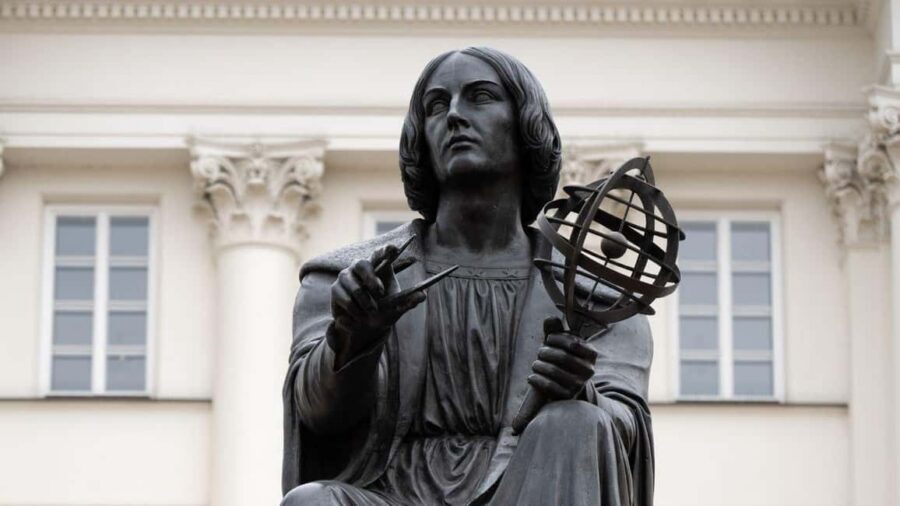
This isn’t the kind of walking tour where you quietly follow and nod. It’s a Warsaw city game—a guided adventure that uses puzzles, stations, and a clear path from start to finish. The goal is simple: think together, answer correctly, and keep moving in order.
For me, that changes everything. When you’re solving something, you’re paying attention. When you’re moving, you actually start noticing the small details you normally glide past—street layout, landmark placement, and the way Old Town spaces guide your view. It’s a smart way to see the “famous Warsaw” without turning it into a checklist.
It also fits a specific kind of traveler: you like interaction. You don’t mind getting a little competitive. And you’re okay with stepping outside your comfort zone for a few playful tasks. The guide’s job is to keep it fun and organized, not to lecture you for hours.
And yes, it ends in the usual way: points counted, a winner declared, and everyone walking away with a story they’ll repeat later.
Other city tours we've reviewed in Warsaw


What you’ll actually see: Old Town, Royal Route, and big landmarks
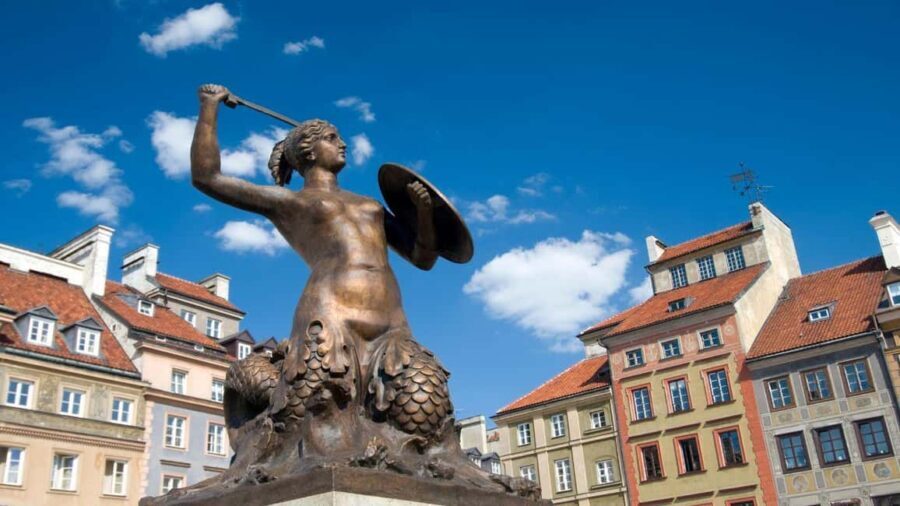
The route is built around major landmarks you can recognize on a first trip, plus enough Old Town immersion to make the history feel “in place,” not just read from a plaque. The exact path can change depending on your group preferences, but these are the headline stops you can expect to encounter during the game:
- Palace of Culture and Science
- The Royal Route (Krakowskie Przedmieście Street)
- The Royal Castle
- Warsaw Old Town, including the Main Market
- Warsaw city center
Let’s break down why each of these matters and what to watch for.
Palace of Culture and Science: a recognizable starting landmark
This stop gives you an anchor in the middle of the action. Even if you’re not an architecture expert, the Palace of Culture and Science is one of those Warsaw sights that people instantly point at on maps. In a city game, that’s useful—it helps you orient yourself and gives the game a strong “checkpoint” feel.
Practical upside: landmarks like this are easier to regroup around. If your team needs a quick mental reset, a big visual point helps everyone get back on the same page faster.
Potential drawback: it can be a busy area, so the game rhythm matters. If your group gets distracted easily, you’ll want to stay focused on the station order.
The Royal Route (Krakowskie Przedmieście Street): history you can walk
Krakowskie Przedmieście Street is part of the Royal Route, and that matters because it’s a corridor through the city where the story is meant to be experienced on foot. In a game setting, this stretch becomes more than a corridor between sights. It turns into an in-between zone where you’re actively reading the city for clues.
I like this part because it’s where teams often find their flow. You’re not just looking at one place—you’re moving through a line of important settings, and the puzzle format keeps you from zoning out.
Watch for this: if you split focus too much, you can miss instructions. Phones help (photos and note-taking), but the guide’s directions still need your full attention.
The Royal Castle: formal setting for a puzzle break
The Royal Castle stop brings a more ceremonial, story-heavy mood to the game. Even with no lecture, the setting naturally pushes you to pay attention. In a city game, that’s a good match: the environment supports the theme, and the challenge keeps you engaged.
Practical tip: wear comfortable clothes and shoes. Stops like this are often “pause and read” moments, and you’ll want to stay nimble and ready for whatever quick task the guide sets at the station.
A consideration: because the castle setting can invite slower browsing, it may tempt you to wander off-style. Just keep the station order in mind.





Warsaw Old Town and the Main Market: the photo zone with a purpose
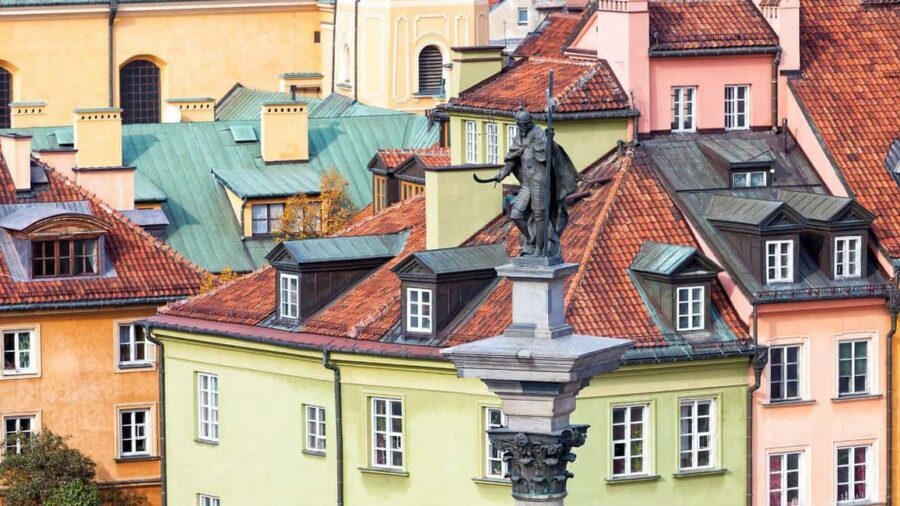
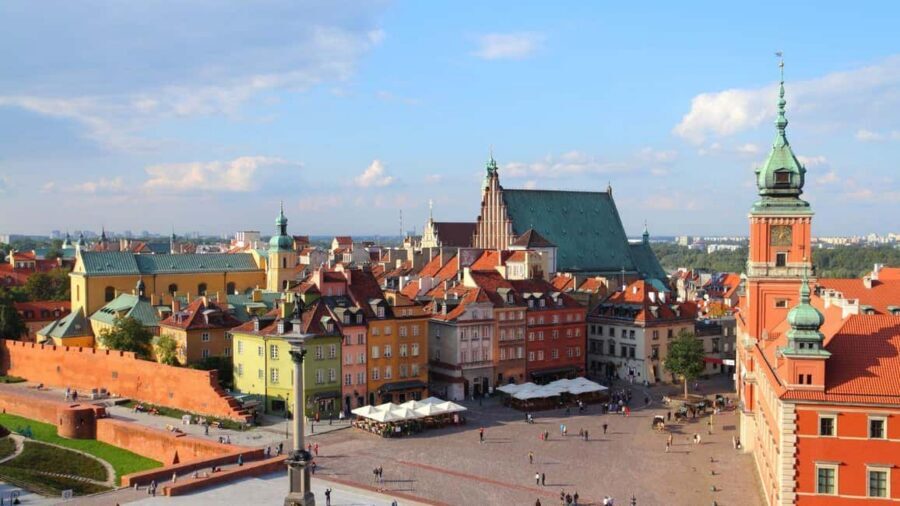
Old Town is the part people come to Warsaw for—and here, it also works as the “payoff” section of the game. The Main Market area gives you a concentrated hit of classic Old Town views, and because it’s a UNESCO site, it carries extra weight beyond the postcard version.
This is where I’d expect the game to feel most rewarding. When your clues lead you into a famous historic space, you get that feeling of, yes, you’re in the right place—and you understand why it matters. You also get the best excuse to stop and take pictures, because the setting is genuinely worth it.
What to do for the photos: charge your phone beforehand. The tour information is blunt about it—this is a photo-friendly route, and you don’t want to run out of battery mid-game.
Warsaw city center: where the story turns local
The game also includes time in Warsaw city center, which helps balance Old Town’s “heritage concentration” with everyday city life. This is where the history theme doesn’t feel like it’s trapped in the past. You’re learning the story while still experiencing the city as a living place.
If you’re the type who enjoys small street moments—signs, façades, the look of a neighborhood—this section usually lands well because you’re not just moving from attraction to attraction.
How the game works: points, team tasks, and station order
At the heart of this experience is the structure: solve puzzles, complete challenges, and follow each station in order to reach the final destination. Along the way, you’ll score points. At the end, you add up your points and the winner gets a special prize.
This format makes teamwork practical, not just a slogan. You can’t succeed by doing everything alone. Someone has to read clues carefully, someone has to spot details, and someone has to keep the team moving to the next station. It’s basically a friendly, guided “escape room” but played across the streets.
Team-building exercises that don’t feel forced
The tour includes team-building exercises intended to inspire collaboration and fun. The key here is that they’re short and game-like, not long speeches. If your group is comfortable joking with each other, you’ll likely have a blast.
If your group is quiet or nervous, the guide matters a lot. One review specifically praises Kamil for a great job. That kind of guide energy usually turns awkward moments into laughter instead of stress.
Guides and booklets: where the learning actually happens
You’ll have a live tour guide in English (and it can be one or two local guides). That’s important because puzzles are only half the experience. The other half is interpretation: you want to understand what you’re learning, not just “get the answer.”
You also get booklets with information. In real life, these help you connect the dots after a clue moment. If someone in your group is slower to process, the booklet becomes a shared reference point instead of leaving people behind.
And you’ll have entry tickets to special sites. That means you’re not just doing external sightseeing. You should expect at least a couple of “you’re here” moments where tickets remove friction and let you focus on the game.
Duration and pacing: can you enjoy it without rushing?
The tour runs about 2.5 hours. That’s a good length for a city game because it’s long enough to feel like an adventure, but short enough that you won’t feel wrecked afterward.
The practical reality: you’ll be walking and you’ll be doing tasks at stations. So your best move is to treat this like an active sightseeing block. Comfortable shoes are a must. Comfortable clothes too—because you may need to move quickly between stations and stay ready for short “do this” challenges.
If you’re visiting Warsaw for the first time and you want Old Town plus downtown without spending the entire day, this fits well.
Who this tour is best for
This works best when you match the “game mindset.”
- Groups of friends who want an activity, not just a lecture
- Travelers who learn better by doing, not by reading alone
- People who like competition in a friendly way (points, prizes, a winner)
- First-timers who want Old Town and major landmarks but don’t want a straight museum marathon
It may feel less ideal if you prefer quiet, self-guided wandering or if you don’t enjoy puzzles and tasks. Also, it’s not suitable for pregnant women, so plan accordingly.
Practical tips so your game goes smoothly
A city game is simple, but small prep makes a huge difference. Here’s what I’d focus on based on the tour instructions.
- Charge your phone before you go. You’ll likely take lots of pictures.
- Wear comfortable shoes. You’re moving through multiple areas.
- Bring comfortable clothes—you’ll be performing fun challenges.
- Leave alcohol and drugs at home. They’re not allowed.
- Pay attention to the station order. The route depends on following each clue step-by-step.
Also, since the routes can vary based on group preferences, keep your expectations flexible. Your exact balance of Old Town vs. downtown might shift, but the overall concept stays the same: history clues + team tasks + points.
Price and value: what $53 gets you (and why it may be worth it)
The price is $53 per person for a 2.5-hour English guided city game. On the surface, that’s more than a basic walking tour. The value case is that you’re paying for a structured experience that combines several things at once:
- a live guide guiding the game and keeping it organized
- booklets to support the learning
- entry tickets to special sites as part of the route
- prizes for the winners
- an interactive format (puzzles and challenges), not just commentary
If you compare this to paying separately for a guided experience plus site entries, the bundle approach makes sense—especially for short trips. For longer stays, you’d still find value because the game format makes it easier to remember what you saw.
The main “value risk” is personal preference. If you don’t enjoy team puzzles, you may feel like you paid for the activity design more than the sightseeing. But if you do enjoy interactive sightseeing, this price is easier to justify.
Final verdict: should you book Warsaw City Game?
If you want Warsaw Old Town plus downtown landmarks, and you’d like the history to come at you through a fun challenge, I’d book it. The format is built to keep you engaged for the full 2.5 hours, and the included site entries and guides add real substance to the game.
Book this tour if:
- you enjoy puzzles and team challenges
- you’re traveling with a group that likes shared activities
- you want a guided way to experience Old Town (including the Main Market) without getting stuck in slow museum pacing
Skip it if:
- you want a quiet, low-interaction walk
- you dislike competitive games or structured tasks
- the idea of performing challenges feels like a mismatch for your style
Overall, this is a smart way to turn a first trip to Warsaw into something memorable—and it gives you a prize-worthy story to bring home.