REVIEW · WARSAW
From Warsaw: Small-Group Tour to Bialowieza National Park
Book on GetYourGuide →Operated by AB Poland Travel · Bookable on GetYourGuide
Bialowieża feels like a time machine. This full-day small-group trip brings you into one of Europe’s oldest forests and explains how the place works. I especially liked the 3-hour strictly protected forest walk and the hands-on stop at the European bison show reserve. The group stays small, and the day is packed with variety—nature, animals, and history in the same plan.
I love how much you get for your time: a real focus on Białowieża’s living world, not just quick photo stops. I also like the way the guides keep it practical, including the fact that the strictly protected reserve requires an English-speaking guide.
One consideration: it’s a long day away from Warsaw, and the primeval forest section is a real walking experience. If you don’t like walking for hours, plan on taking it slow and wearing shoes made for uneven paths.
In This Review
- Key highlights worth your attention
- Getting out of Warsaw and into Białowieża’s world
- The strictly protected primeval forest walk (and why it matters)
- Seeing European bison up close, plus the rest of the reserve
- Park Palace: a tsar hunting garden in the middle of wild forest
- The oldest building in Białowieża: a wooden manor with many lives
- St. Nicholas Orthodox Parish: red brick and a rare iconostasis
- Białowieża Towarowa and the tsar’s restaurant lunch stop
- Wildlife viewing time after lunch: where the day clicks
- Price and value: is $399 worth it?
- The kind of guide who makes it better (Cyryl’s impact)
- Who this Białowieża day trip is for
- FAQ
- FAQ
- How long is the Białowieża tour from Warsaw?
- What does the price include?
- Do I need a guide for the strictly protected forest area?
- How many people are in the group?
- Is the bison show reserve always open?
- Where do we meet in Warsaw?
- Should you book this tour?
Key highlights worth your attention
- Primeval forest, strictly protected: a guided 3-hour walk you can’t do on your own
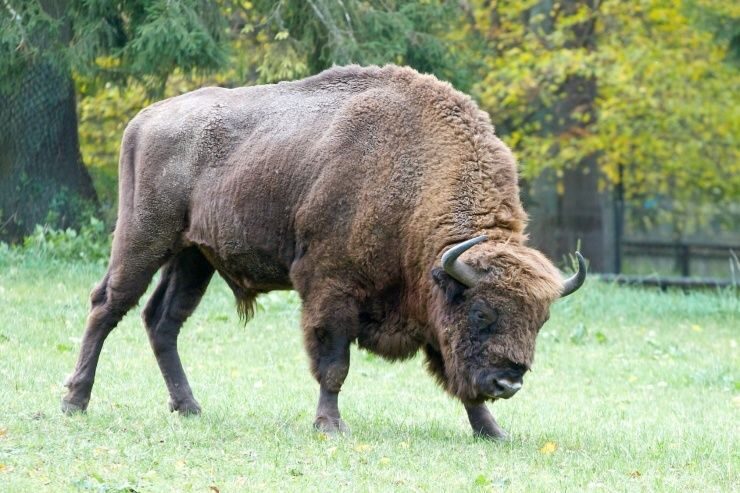
- Bison and more in the show reserve: not only bisons, also deer, elk, wolves, and more
- Small group size (up to 8): you get easier answers and less crowding
- Historic stops inside the park area: a tsar hunting garden, a wooden manor, and a red-brick Orthodox church
- One practical lunch plan: traditional Polish lunch with water, served during the day
Getting out of Warsaw and into Białowieża’s world
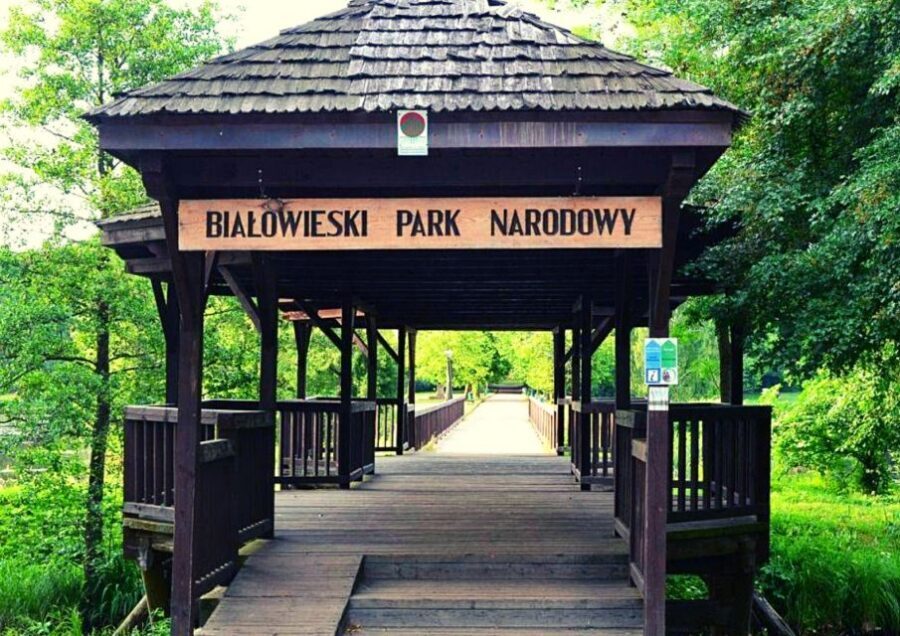
This is the kind of day trip that changes your mood fast. One minute you’re thinking about traffic and city schedules; the next, you’re heading into Białowieża National Park, one of Poland’s oldest national parks and among the oldest protected forest areas in Europe.
What makes this experience work is the balance. The day is not only about seeing animals. You also get the context for why this forest is different—older than most European forests you’ll know, and protected in a way that lets living things do what they do best: survive, reproduce, and adapt.
You start with a pickup in central Warsaw at Marszałkowska 98-100. From there, the trip runs on an easy rhythm: travel time, then steady time in the park, then a lunch break before more sightseeing. A big plus here is that you’re not stuck figuring out logistics on your own.
The transport is comfortable and small-group sized, using a car or minibus (like an Opel Vivaro or Mercedes Vito, or similar). The driver and guide communicate in English, which matters once you’re standing in the forest and trying to understand what you’re actually looking at.
If you're still narrowing it down, here are other tours in Warsaw we've reviewed.

The strictly protected primeval forest walk (and why it matters)
The heart of the day is the 3-hour walking tour in the strictly protected area. This is not a casual stroll you can wing. You go with an English-speaking guide because the reserve is set up so visitors can experience it without treating it like an attraction.
Why I think this is valuable for you: it keeps the focus on observation. In a primeval forest like this, the details are the point—tree forms, light gaps, the way the forest floor changes underfoot, and signs of wildlife activity. A guide also helps you separate what you’re seeing from what you’re guessing.
It also helps that this is a place with an unusually broad range of life. The forest is described as home to about 25,000 animal species and 1,000+ plant species. Even if you don’t spot a fraction of that in a single day, knowing that scale changes your expectations. You’re not hunting for one spectacular moment; you’re learning how a whole ecosystem looks when it isn’t heavily managed.
A practical note: the walk is 3 hours. You’ll want good footwear and the mindset to go slower than you would on a city sidewalk.
Seeing European bison up close, plus the rest of the reserve
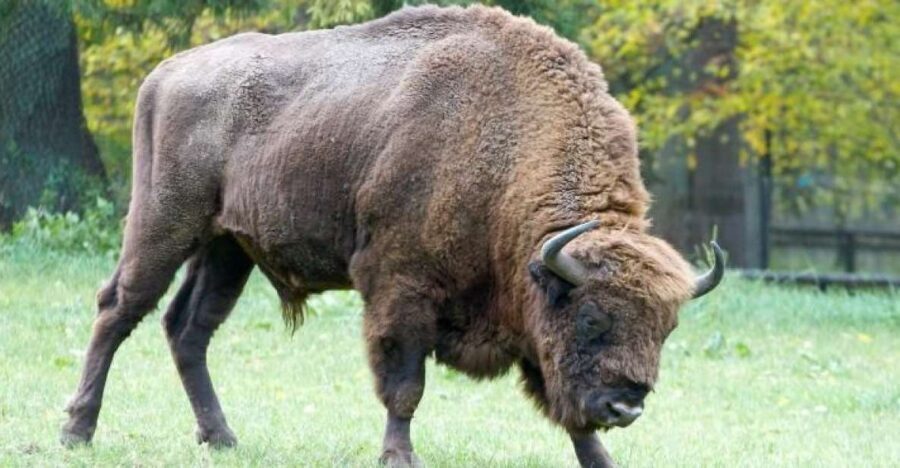
No visit to Białowieża is complete without the bison part. You’ll visit the European bison show reserve, and it’s a good reminder that nature here isn’t one-species theater.
Despite the name, the reserve is home to more than bisons. You might also see deer, elk, wild boars, wolves, tarpans, Polish horses, lynx, and even żubron (a hybrid of bison and domestic cattle) living in semi-natural conditions.
That variety makes the visit feel more grounded. You’re seeing an ecosystem shaped around large animals, but it’s not only about one charismatic species.
Timing matters for one specific reason. The bison show reserve is closed on Mondays from October 15 to April 15. If your trip date falls during that window, double-check that your plan still includes the bison stop.
Park Palace: a tsar hunting garden in the middle of wild forest
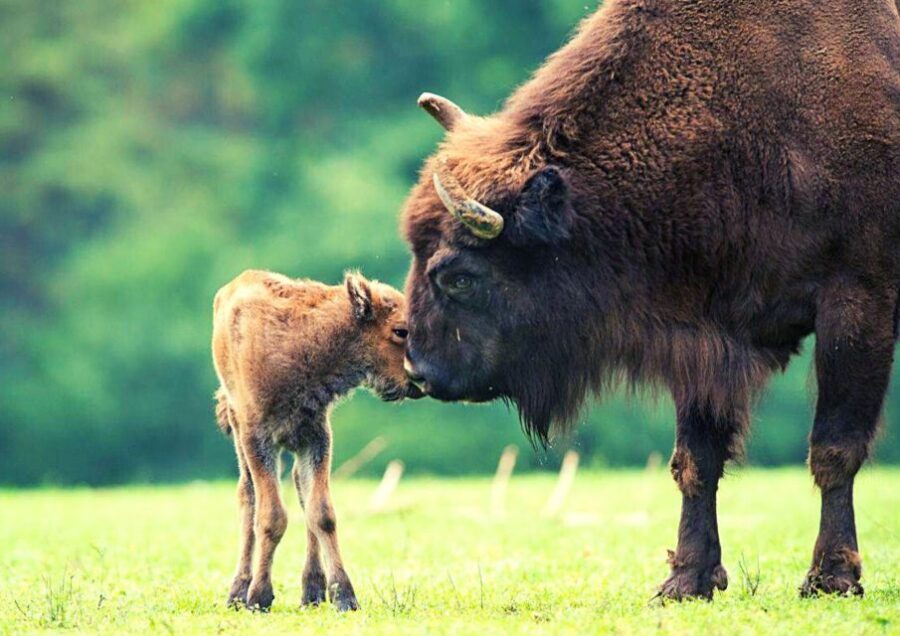
After the main nature time, you get a change of pace with a historic stop: Park Palace, a garden located in the heart of the forest that served as a hunting residence for the Russian tsars.
This isn’t about turning Białowieża into a museum day. The value is that you see how people related to this forest historically. A hunting residence in a primeval forest says something about power, access, and the human urge to control nature. Today, the rules are very different—and that contrast makes the site more than a pretty story.
On days when wildlife is active, you may also spot animals like deer, wild boar, or fox while you’re walking around the park area. You can’t count on sightings, but the possibility keeps the area feeling alive, not staged.
The oldest building in Białowieża: a wooden manor with many lives
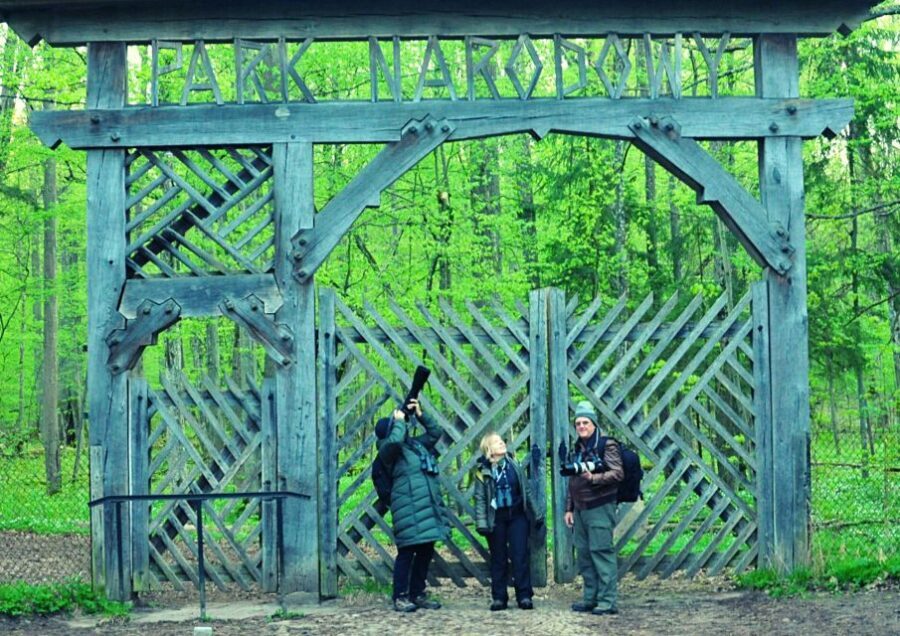
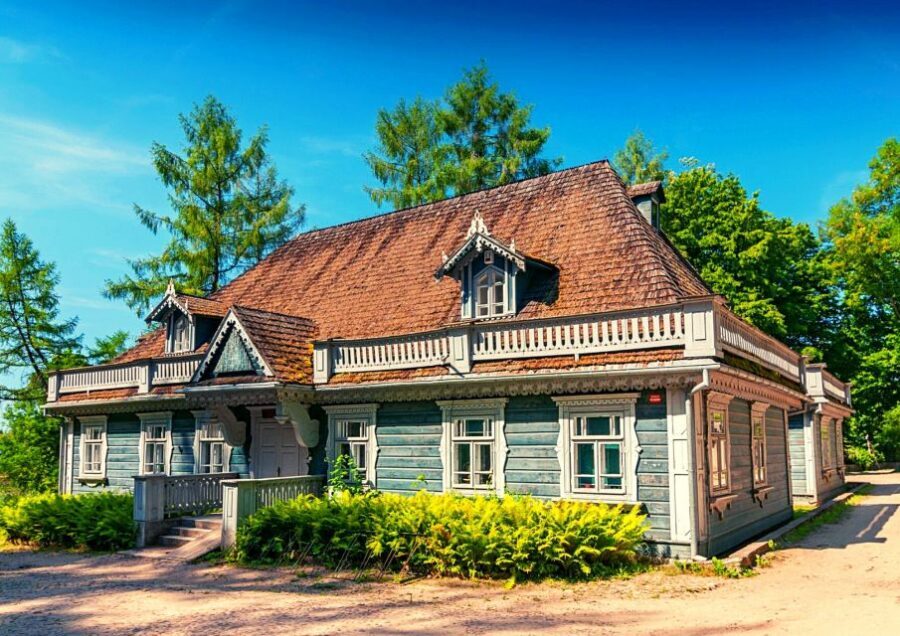
Another stop that adds substance is the oldest building in Białowieża, a wooden manor house that has served multiple roles over time. It’s described as having been a seat of the Governor of Grodno and a relaxation place for Tsar Alexander II.
What I like about this kind of stop is how it layers the place. The forest is the main character, but these buildings explain that the region has been used and adapted by people in very different ways. Over the years, this manor house has also been used as a museum, a field hospital, a restaurant, a casino, and even a kindergarten. That list is a reminder that history isn’t always neat. Buildings change jobs because society changes needs.
Even if you don’t linger for a long time inside, it’s a meaningful break from pure outdoor time, and it makes the day feel complete rather than one-dimensional.


St. Nicholas Orthodox Parish: red brick and a rare iconostasis
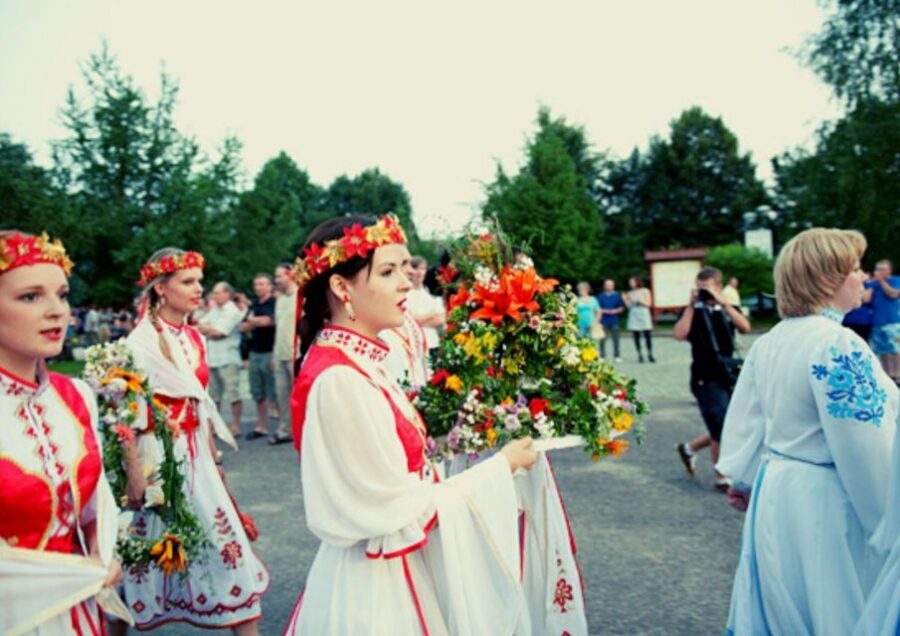
Then you get a very specific architectural detail: the Orthodox Parish of St. Nicholas, built in the late 19th century with striking red brick architecture. It was founded by Tsar Alexander III and served for a long time as the tsar’s private temple.
The interior is known for a porcelain iconostasis, and it’s described as the only one of its kind in Poland. Even if you don’t consider yourself a religious architecture fan, this is the kind of feature that helps you see the region’s cultural footprint.
This stop is also a good reminder that Białowieża isn’t just a wilderness bubble. It sits within a human story, with churches and buildings that reflect political ties and everyday life.
Białowieża Towarowa and the tsar’s restaurant lunch stop
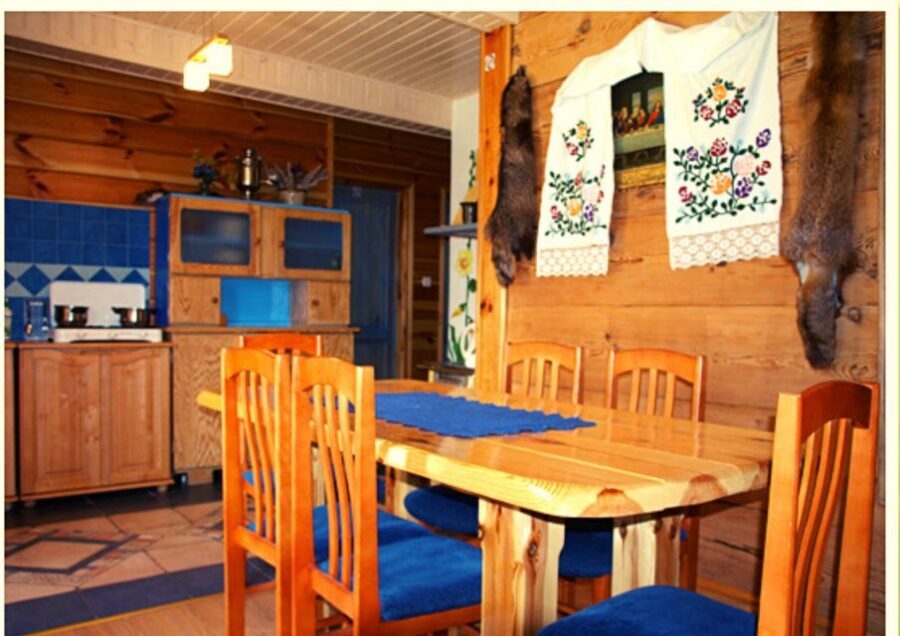
For lunch, you’ll visit Białowieża Towarowa, which includes the tsar’s restaurant located in an old railway station building. This is one of those practical travel moments that still feels special.
You’ll be invited to eat, and from the outside you can admire the luxury railroad wagons that were transformed into a tsarist saloon and are now a hotel.
Lunch itself is planned as a traditional Polish meal. The standard format is one dish and water, though the day’s menu may come with choices depending on what’s available at the restaurant. In past trips, people have said they had menu choice, which is nice when you don’t want a one-size-fits-all meal.
At this point in the day, you’ll probably feel the rhythm: walk, animals, history, then a sit-down reset before more wildlife viewing and general sightseeing.
Wildlife viewing time after lunch: where the day clicks
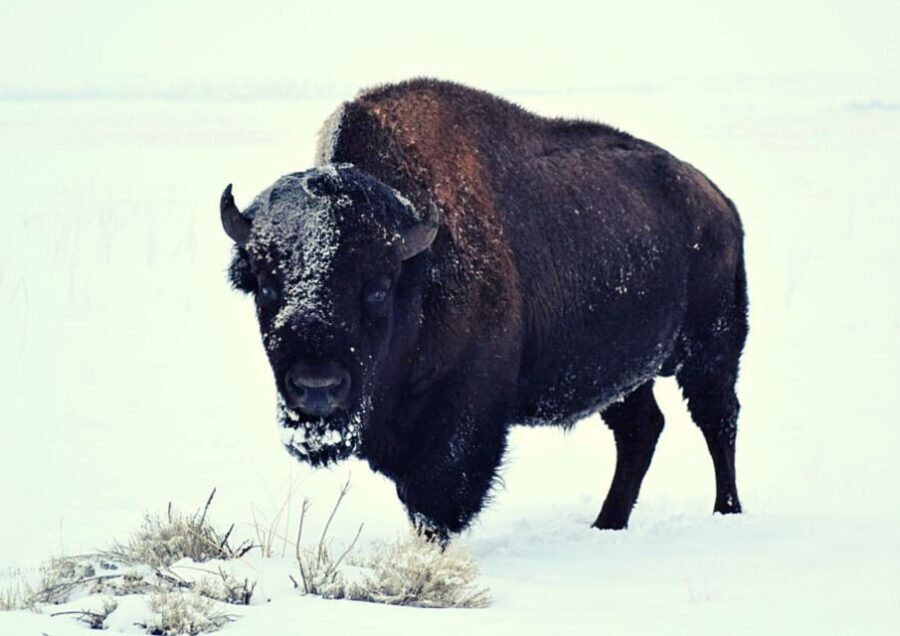
After lunch, the schedule shifts again to sightseeing and wildlife viewing for a couple of hours. This window is where the forest starts to feel less like a destination and more like an environment you can read.
If the morning walk helped you understand the place, the wildlife viewing time is where you put that understanding to use. You’ll often spot different things after lunch than you did earlier, simply because animal activity can shift and light changes under the canopy.
This is also where a good guide earns their fee. The guide can point out what’s easy to miss and explain what you’re seeing—especially for people who don’t know European forest ecology.
Price and value: is $399 worth it?
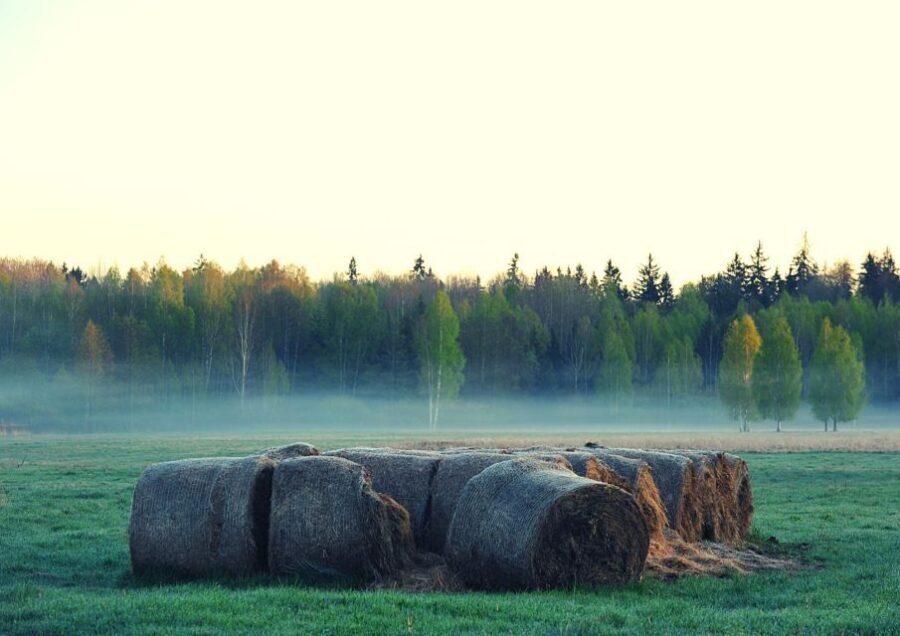
At $399 per person for about 15 hours, the price can feel steep on paper. Here’s how I think about value.
You’re paying for three things that are hard to replicate cheaply:
- Time and transport: the day runs from central Warsaw and includes full-day logistics in a small vehicle
- Guiding where it’s required: the strictly protected reserve needs an English-speaking guide, so you’re buying access with rules built in
- A full mix of inclusions: entry fees, the reserve access, and lunch are included
Small group size matters too. With a maximum of 8 participants, the guide can handle questions and you’re less likely to feel herded. If you compare this to doing Białowieża independently, the “hidden” cost is usually time plus correct access to the protected areas.
Still, I’d be honest: if your goal is only a quick bison sighting and a few photos, this may be more than you need. If you want a guided day that gives meaning to what you’re seeing, the structure helps.
The kind of guide who makes it better (Cyryl’s impact)
One small detail from past trips really signals what’s worth expecting: the driver Cyryl has shared local history and even personal observations about recent events during the drive.
That might sound like background noise, but it matters. When you’re heading out of Warsaw into a protected forest area, context makes the day stick. You arrive ready to pay attention instead of treating everything as random scenery.
The guide in the strictly protected reserve is also a key part of the experience. Since you must go with a guide there, you’re not stuck with vague explanations or language barriers.
Who this Białowieża day trip is for
This tour fits best if you:
- want a guided primeval forest experience you can’t do independently
- care about both wildlife and the human story of the area
- prefer a small group pace (up to 8)
- want an English-speaking day plan that includes lunch and entry fees
It might not be ideal if you:
- dislike long days and walking
- travel only for one animal photo moment
- are scheduling a Monday during the bison reserve closure window (Oct 15–Apr 15)
FAQ
FAQ
How long is the Białowieża tour from Warsaw?
The tour runs for about 15 hours.
What does the price include?
The price includes transport by car/minibus from Warsaw city center, an English-speaking driver, a guided English tour in the strictly protected forest area (about 3 hours), entry fees to Białowieża National Park and the bison show reserve, and traditional Polish lunch (one dish and water).
Do I need a guide for the strictly protected forest area?
Yes. The strictly protected reserve requires a guide, and the tour includes an English-speaking guide for the approximately 3-hour walking section.
How many people are in the group?
This is a small group limited to 8 participants.
Is the bison show reserve always open?
No. The European bison show reserve is closed on Mondays from October 15th until April 15th.
Where do we meet in Warsaw?
Pickup is at Marszałkowska 98-100.
Should you book this tour?
I’d book it if you want a guided, full-day way to experience Białowieża’s real protected core, plus a practical mix of animals and historic context. The value is in the access and the structure: you get entry fees, lunch, and a guide where you need one, all without turning the day into a planning project.
Skip it only if you’re expecting a light stroll and easy short sightseeing. This is a working day in the field—beautiful, but focused on walking and animal viewing in a protected environment. If that sounds like your kind of travel day, this one is worth it.