REVIEW · WARSAW
Warsaw: Guided tour of the Cold War Museum
Book on GetYourGuide →Operated by Cold War Museum · Bookable on GetYourGuide
The Cold War comes with VR and real artifacts. This guided visit at the Muzeum Zimnej Wojny im. generała Kuklińskiego turns big geopolitics into something you can handle: original devices, maps, and uniforms from the era. You also get a guided story that stays grounded in the Polish perspective, not just the usual US vs. USSR framing.
I especially love the mix of interactive learning and heavyweight facts. The museum’s multimedia set-up includes touch screens, multimedia tables, a cinema segment, and an interactive quiz that keeps the pacing snappy. In our tour experience, the guides stood out too, with Filip providing an exceptional English survey of Poland through the Cold War years, and Cyprian bringing serious energy in Polish.
One thing to consider: this museum doesn’t treat the Cold War as a fun history theme. Expect an emotional dose of repression and consequences, and note the tour is not suitable for wheelchair users.
In This Review
- Key highlights you’ll care about
- Cold War Museum in Warsaw: a polished, hands-on take on heavy history
- Where the tour starts near Old Town Square (and why the building has weight)
- The guided tour flow inside: how you move through 90 minutes
- Original devices, maps, and uniforms: the part that makes it feel real
- Cold War timeline that includes everyone involved
- Space flights and the space station hologram: when competition turns sci-fi
- Three VR games and a robot guide: learning without lectures
- The heavy moral questions: victims, aggressors, survivors
- Space for kids (and for dogs): who this tour suits best
- Price and value: what $78 per group really means
- Practical tips that help you get more from the tour
- Should you book the Warsaw Cold War Museum guided tour?
- FAQ
- Where does the tour meet in Warsaw?
- How long is the guided tour?
- Is the ticket line skipped?
- What’s included in the guided tour price?
- What languages are available for the guided tour?
- What attractions will I be able to try during the tour?
- Is this tour suitable for wheelchair users?
- Can I bring my dog?
- What rules should I know before I go inside?
Key highlights you’ll care about
- Poland-focused Cold War story that frames the rivalry between blocs from a local viewpoint
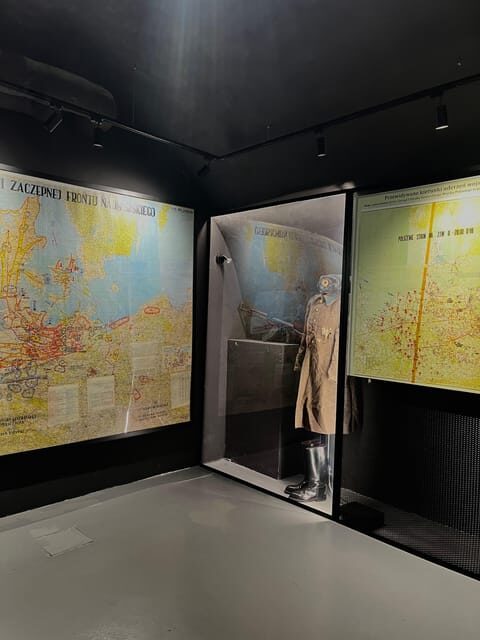
- Original Cold War materials like devices, maps, and uniforms used during the period
- Multimedia quiz plus three VR games, so learning sticks without feeling like a lecture
- Space-flight history and a hologram of a space station
- Autonomous robot guide inside a museum designed around multimedia (and it’s unique for Poland)
- A setting with real scars, since the building’s history connects to the communist militia era
Cold War Museum in Warsaw: a polished, hands-on take on heavy history
Warsaw can do history in big, official ways. This museum does it in a different style: modern screens, games, and real objects, all wrapped around a clear storyline. The result is a tour that moves fast enough for repeat attention, yet deep enough to leave you thinking afterward.
You’ll see the exhibition cover the full arc of the Cold War, and it doesn’t shy away from the human cost. The museum’s narrative also leans on major late-Cold War figures such as President Ronald Reagan, Pope John Paul II, and General Ryszard Kukliński. That matters, because it ties world events to the people who pushed them.
And yes, there’s VR. Not a gimmick VR booth either, but three separate VR games that let you feel like you’re stepping into the era’s world. The key is that the tech is used to teach, not just to distract.
Other guided tours in Warsaw


Where the tour starts near Old Town Square (and why the building has weight)
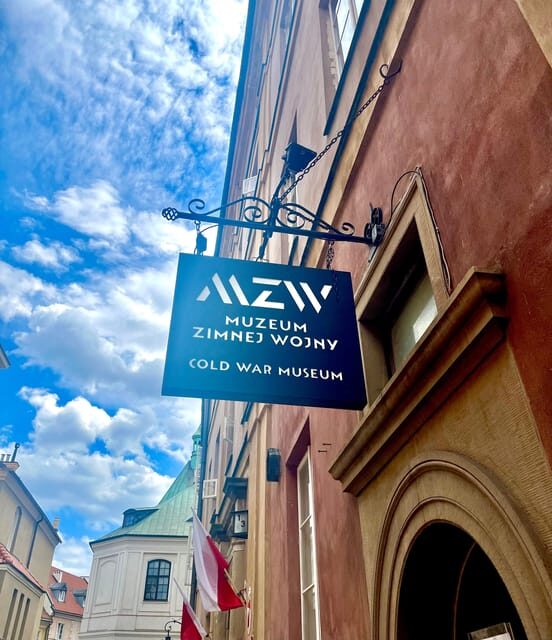
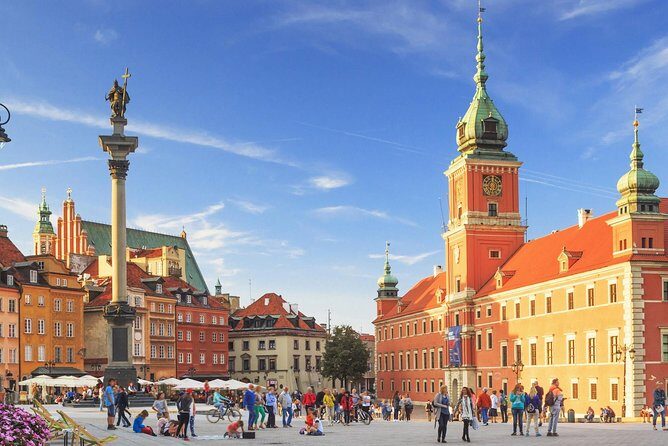
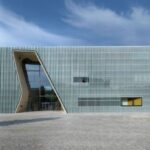
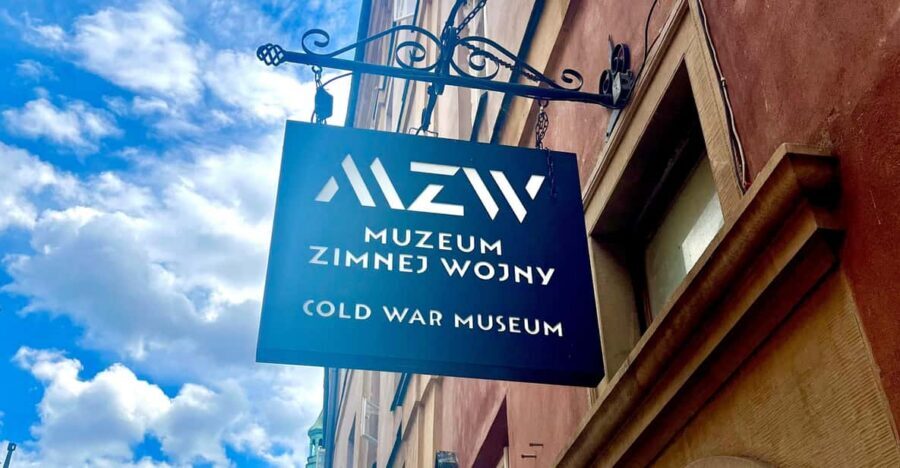
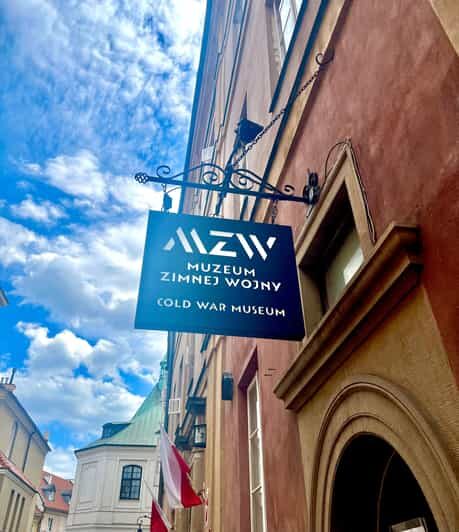
The meeting point is about 40 meters from Old Town Square, at the Registry Office of the Capital City Warsaw. That’s a helpful anchor if you’re staying near the Old Town, and it also puts you in the part of the city where you can walk off to sights afterward.
The museum is housed in a place with its own Cold War shadow. During the Polish People’s Republic, the address served as a communist militia station, and it was tied to the case of Grzegorz Przemyk, a high-school graduate who was beaten to death during the martial law period. This isn’t just trivia on a wall—it’s part of how the exhibition frames the setting.
So when you step inside, you’re not just visiting a “topic museum.” You’re walking into a physical location that carries the memory of the system being described.
The guided tour flow inside: how you move through 90 minutes
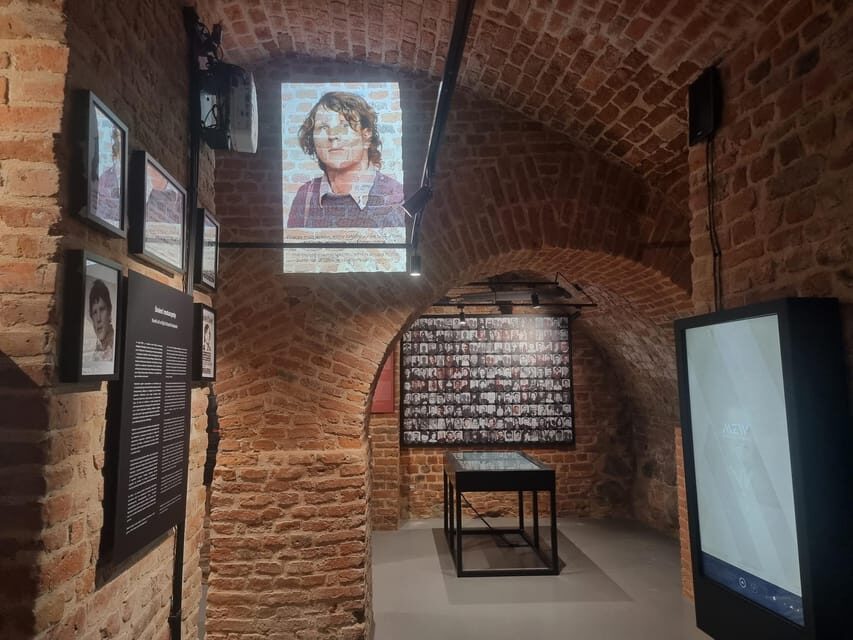
Your guided visit runs about 90 minutes to 2 hours, so it’s long enough to cover the main exhibition without dragging. The museum is set up so the guide can steer you between exhibits, media stations, and interactive zones in a sensible order.
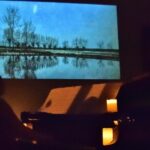
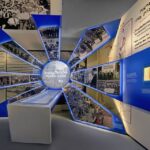
The tour is built around a mix of display types. You’ll rotate through classic exhibit space where you can look at original materials, then move into the more “digital lab” parts like touch screens and multimedia tables. There’s also cinema content inside the exhibition, which breaks the momentum and gives your eyes a rest while the story keeps moving.
The guide also brings structure through a multimedia quiz about the Cold War. It’s the kind of activity that helps you check your understanding as you go, instead of realizing at the end that a key piece of the timeline didn’t stick.
Original devices, maps, and uniforms: the part that makes it feel real
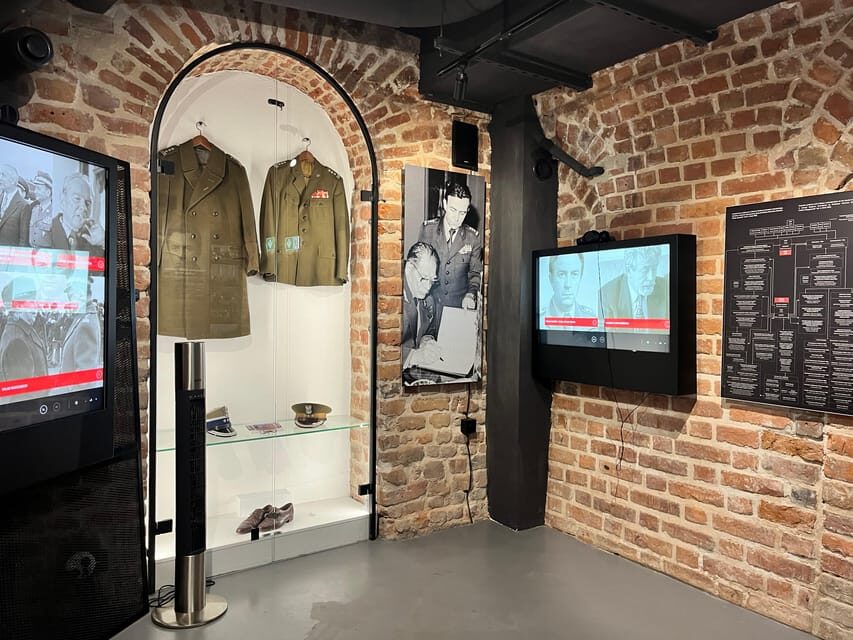
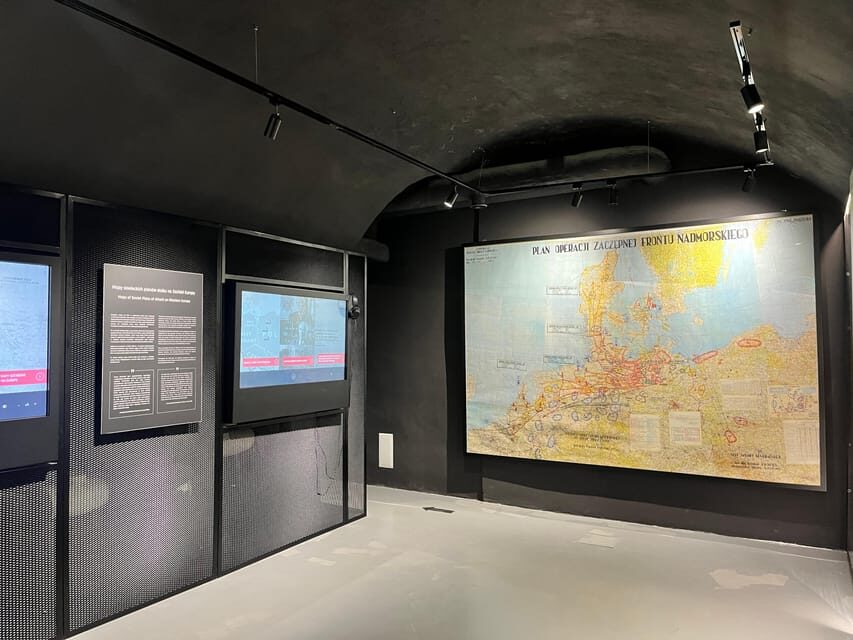
One of the museum’s strongest offers is that it doesn’t rely only on screens. You can see original devices, maps, and uniforms used during the Cold War. When you handle the idea of surveillance, propaganda, or military posture, a “real object” changes the feel immediately.
This is where the Polish point of view becomes more than a slogan. You’re not only learning what happened between the superpowers. You’re shown how the rivalry played out across systems, borders, and everyday control—through artifacts that help you visualize how the era operated.
If you like history that has physical proof, this section will likely be your favorite. It also gives you a stable reference point for the later VR games, because you’re not starting from zero.
Cold War timeline that includes everyone involved
The exhibition presents the entire Cold War period and highlights Poland’s role in the victory of what it calls the free world over Soviet communism. That framing is political, but it’s also direct, and the museum clearly tells you what it wants you to pay attention to.
It also covers the period from beginnings through the course of the Cold War. And it isn’t limited to just two countries. The content includes all countries taking part in the fight against the Evil Empire, which broadens the scope beyond a single storyline.
In practical terms, that means the guide can help you understand the timeline without getting lost in details for every nation. You’ll come away with a clearer “map in your head” of how the Cold War evolved, rather than a pile of dates.
Other museum experiences in Warsaw


Space flights and the space station hologram: when competition turns sci-fi
Cold War history often gets reduced to tanks, spies, and speeches. Here, the museum adds a different layer: the history of space flights and the competition for technological status.
You’ll see a hologram of a space station as part of this section. It’s a memorable way to bring the theme into the modern world, because the rivalry in the space race didn’t just mean rockets. It meant prestige, influence, and the promise (or threat) of future power.
If you’re traveling with someone who likes science or space history, this part helps keep the experience balanced. Even if you came for politics, you’ll still enjoy how the story connects the same Cold War pressure to the sky.
Three VR games and a robot guide: learning without lectures
The museum’s interactive tech is one of the reasons the tour works so well. You’ll play three VR games, using VR goggles to experience story elements that match the Cold War theme. It’s not silent wandering through exhibits; you’re engaged, reacting, and learning as part of the activity flow.
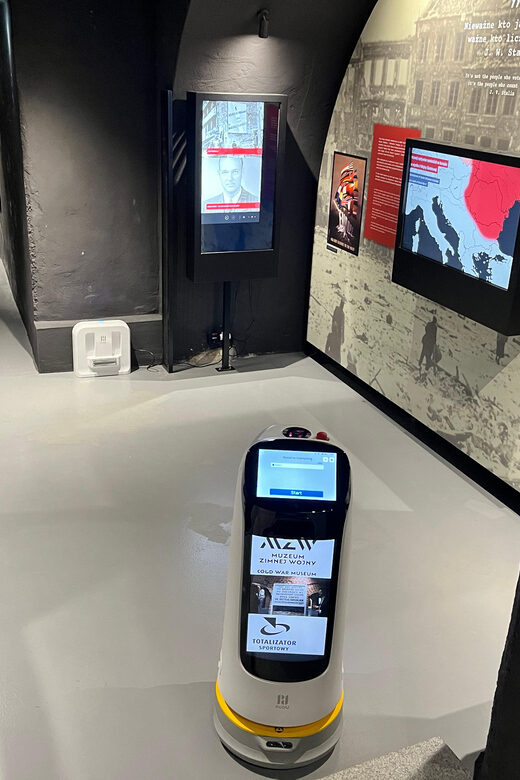
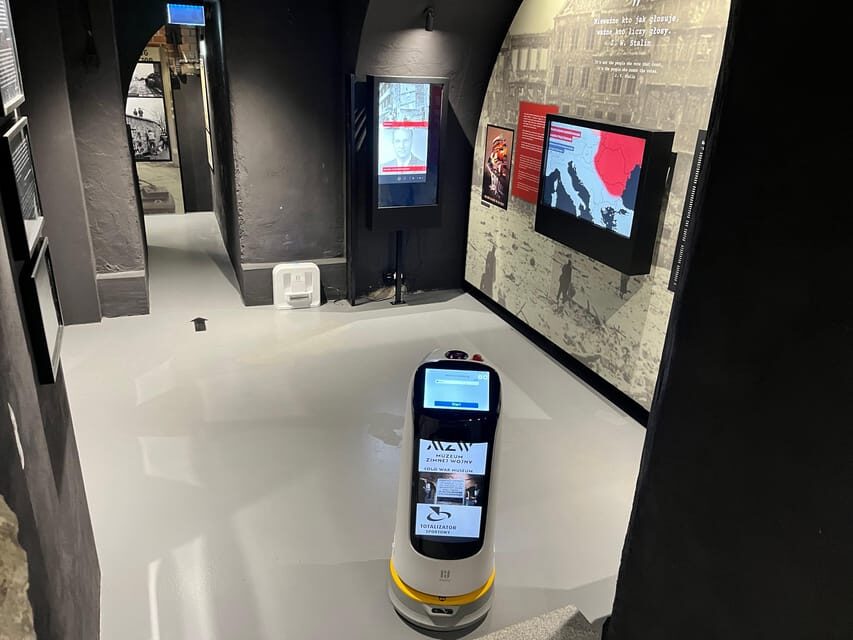
Add in the museum’s “autonomous guide” robot, and you have a learning environment that feels designed for different learning styles. This museum is the first and only in Poland to have a robot that serves as an autonomous guide, so you’re getting a distinctive experience, not something you’ve seen in every other attraction.
Then there are the multimedia touch screens and multimedia tables. Those help fill in details you might otherwise miss when a guide is speaking. In other words, you don’t have to rely on your memory alone—you can confirm and expand while you’re there.
The heavy moral questions: victims, aggressors, survivors
The museum’s narrative isn’t neutral in the way a textbook sometimes tries to be. It explicitly includes consequences, victims, aggressors, and survivors, and it ties those categories to how the Cold War played out in Poland.
This is where you should prepare yourself. Reviews and description match the tone: the material is fascinating, but also terrifying at times. That makes sense, because the exhibition isn’t just about political strategy. It’s also about brutality and resistance, including the case tied to Grzegorz Przemyk and the martial law context.
If you like history that includes suffering and moral stakes, you’ll likely appreciate the museum’s honesty. If you prefer light storytelling only, you might find parts of this difficult. Either way, this isn’t a watered-down experience.
Space for kids (and for dogs): who this tour suits best
The museum is open to all ages, and it’s built to work with children too. There are plenty of attractions for younger visitors, and the interactive formats can keep kids engaged when they might otherwise lose attention in a traditional gallery tour.
It also welcomes four-legged visitors, so you don’t have to leave your dog behind to take part. That’s rare for museums, and it’s a comfort if your travel style includes a pet.
At the same time, note the tour is not suitable for wheelchair users. So plan your route and movement needs accordingly before you book.
Price and value: what $78 per group really means
The price is listed as $78 per group, up to 10 people, with a 90-minute to 2-hour guided tour. What makes that feel like good value is the group pricing model: if you’re traveling as a family or a small group of friends, the cost can stretch further than a per-person ticket.
You’re also not paying only for entry. You’re paying for guided interpretation, plus access to the museum’s attractions inside the exhibition, including VR and multimedia stations. If you like context—someone explaining how everything connects—this format is often worth it.
If you’re a solo traveler or a very small group, it can still be a fair buy, but the value depends on whether you’ll use the guided element. For many people, the guide makes the biggest difference, especially with a Polish perspective that you may not already know well.
Practical tips that help you get more from the tour
Here are the small things that tend to matter most with a museum day like this.
First, you’ll want to dress comfortably for VR goggles and standing/walking between stations. The tour is timed, and you don’t want clothing that makes movement annoying.
Second, the museum rules are clear: no smoking, no food or drinks, and no vaping or alcohol/drugs. Plan to eat beforehand or afterward so you stay focused on the exhibits.
Third, language choice matters. The live guide is available in Polish and English, and the guided tour can also be in Polish, English, Russian, German, and Spanish depending on what’s offered. If you’re relying on English, it’s worth checking the schedule so you get the language you want.
Finally, if you’re coming from Old Town, build in a little time to reach the meeting point and stay calm. The tour moves through the museum quickly enough that arriving rushed can hurt your enjoyment.
Should you book the Warsaw Cold War Museum guided tour?
I’d book it if you want a Warsaw museum that goes beyond facts on a wall. The combination of original Cold War artifacts, a guide-led multimedia quiz, and the surprise hit of three VR games makes it easier to remember what you’re seeing.
I’d think twice if you want a light, purely entertaining history stop. This museum pulls hard on the consequences of repression and the moral weight of the era, and the setting ties into real suffering.
If your group includes teenagers, the interactivity helps. If your group includes space fans, the hologram and space-flight story give you an extra thread to follow. And if you care about Poland’s voice in the Cold War story, this place is built specifically around that angle.
FAQ
Where does the tour meet in Warsaw?
The tour starts at the Registry Office of the Capital City Warsaw. The meeting point is about 40 meters from Old Town Square.
How long is the guided tour?
Plan for about 90 minutes to 2 hours.
Is the ticket line skipped?
Yes. Skip the ticket line is included.
What’s included in the guided tour price?
Admission to the exhibitions, access to all attractions within the exhibition, and the guided tour are included.
What languages are available for the guided tour?
The guided tour is offered in Polish, English, Russian, German, and Spanish.
What attractions will I be able to try during the tour?
The tour includes access to multimedia attractions such as touch screens, multimedia tables, VR goggles (three VR games), a hologram of a space station, and cinema content, plus an autonomous guide robot.
Is this tour suitable for wheelchair users?
No. It is not suitable for wheelchair users.
Can I bring my dog?
Yes. Four-legged visitors are welcome.
What rules should I know before I go inside?
No smoking, no food and drinks, no vaping, and no alcohol or drugs are allowed.