REVIEW · WARSAW
Warsaw: Majdanek Concentration Camp & Lublin Guided Day Tour
Book on GetYourGuide →Operated by Warsaw Private Tours WPT1313 · Bookable on GetYourGuide
Two cities, one unforgettable lesson about Europe. This full-day tour pairs a careful visit to Majdanek with time to explore Lublin’s Old Town, so you leave with context, not just photos. I especially like the way the camp visit is guided and explained, and I also like the comfort and pacing of the luxury Mercedes van for a long day. The main drawback: it is emotionally heavy, and you should be ready for a moderate amount of walking.
After hotel pickup, you’ll ride out to Lublin with an expert English guide, then stop for a traditional Polish lunch in a milk bar before returning to the streets. Expect organized sightseeing time in Lublin, plus admission fees and even a set of tour photos included in the package. If you prefer purely light, casual sightseeing, this probably won’t feel like the right fit.
In This Review
- Key highlights at a glance
- Price and time: what you’re paying for in this 10-hour day
- Your English guide and the tone of the day
- Majdanek: what remains you’ll walk through and why it matters
- Holocaust context: how the guide connects Polish Jewish history to the camp
- The emotional reality check: how to prepare for a somber day
- Lunch in a Polish milk bar: the reset you’ll be glad you planned
- Lublin Old Town: narrow streets, big stories, and real architecture
- Getting there in a Mercedes van: comfort versus long transit
- Practical tips for shoes, questions, and when the museum is closed
- Who this tour suits best (and who should pick something else)
- FAQ
- How long is the Warsaw: Majdanek Concentration Camp & Lublin Guided Day Tour?
- What’s included in the price?
- Is lunch included?
- What language will the guide speak?
- Is this a private group tour?
- How much walking should I expect?
- Is the tour wheelchair accessible?
- Is the museum open on Mondays?
- Are children allowed?
- Should you book this Majdanek and Lublin tour?
Key highlights at a glance
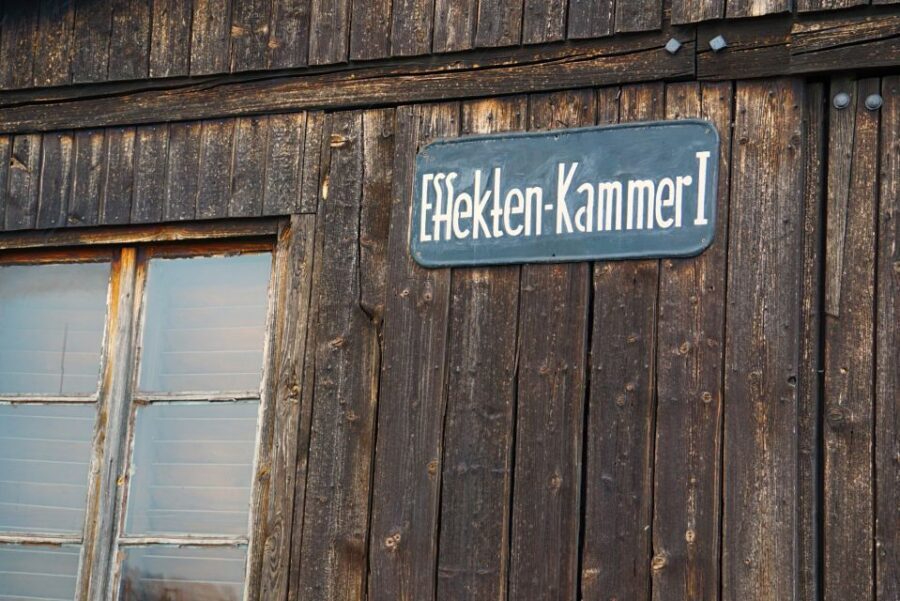
- Majdanek in a city setting: the camp sits within city boundaries, which makes it feel unusually close to everyday life
- Barracks area that survived: you’ll see what remains that were captured more or less intact in 1944
- Front gate monument moment: a memorial spot that symbolizes the conditions prisoners endured
- Lublin’s Old Town walk: narrow cobbled streets plus palaces, sacral architecture, and tenement houses
- Comfort for the long ride: a luxury Mercedes van for the multi-hour one-way transfer
- Lunch in a Polish milk bar: traditional food included, giving your day a real reset
Price and time: what you’re paying for in this 10-hour day
At $353 per person, this is not a “cheap bus tour.” You’re paying for a private group setup, hotel pickup and drop-off, a luxury Mercedes van, an expert guide, admissions, and lunch. You’re also paying for time: the day runs 10 hours, but a big chunk of that is transit.
Here’s the practical math: you’ll spend about six hours riding total, with three hours each way, and only about four hours for sightseeing between Majdanek and Lublin. That means you won’t have days to wander at your own pace. But it also means you get a tightly organized day that connects the somber history of Majdanek with the human-scale beauty of Lublin.
If you hate being stuck in transit, this is the one part to consider. If you’re okay with a long drive in exchange for a very focused day, the value starts to make sense. The tour is also set up as an adult, history-forward experience: it isn’t aimed at young kids, and it assumes you can handle a museum setting and a bit of walking.
Other guided tours in Warsaw

Your English guide and the tone of the day
This tour is led by an English-speaking guide, and the pacing matters because the subject is difficult. The guide is there to explain not only what happened at the camp, but how it fit into the Nazi regime’s plans during World War II. That context is the difference between reading signs and actually understanding what you’re looking at.
I also like that the camp visit is structured with time for a human response. In guides of this caliber, you often get room to pause and absorb what the site communicates rather than feeling rushed. One guide named Marcin has been noted for being very knowledgeable and kind, and for handling questions well.
You should still expect a moderate amount of walking. Comfortable shoes aren’t optional, because you’ll be on your feet in areas where the ground and pathways can be uneven. And because this is a private group tour, you can usually set a better pace than in large group settings.
Majdanek: what remains you’ll walk through and why it matters
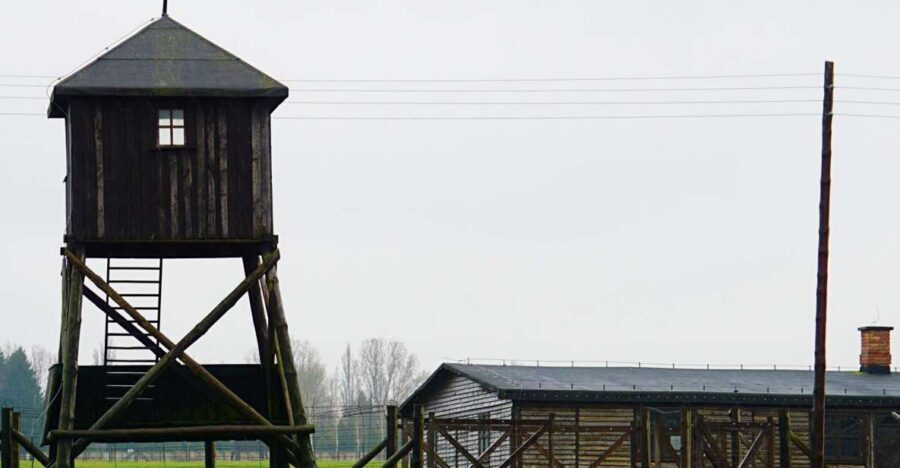
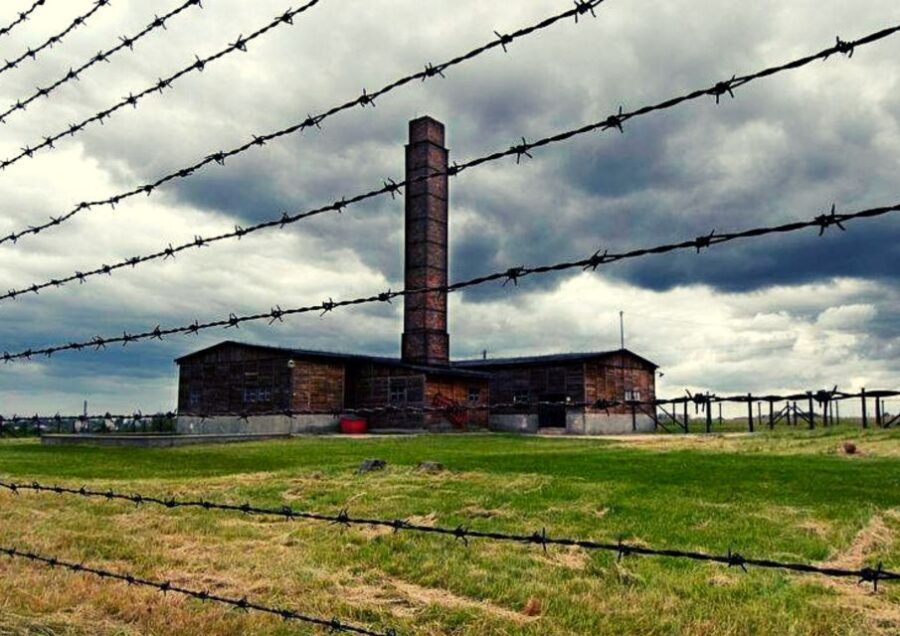
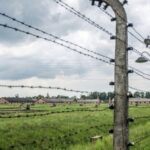
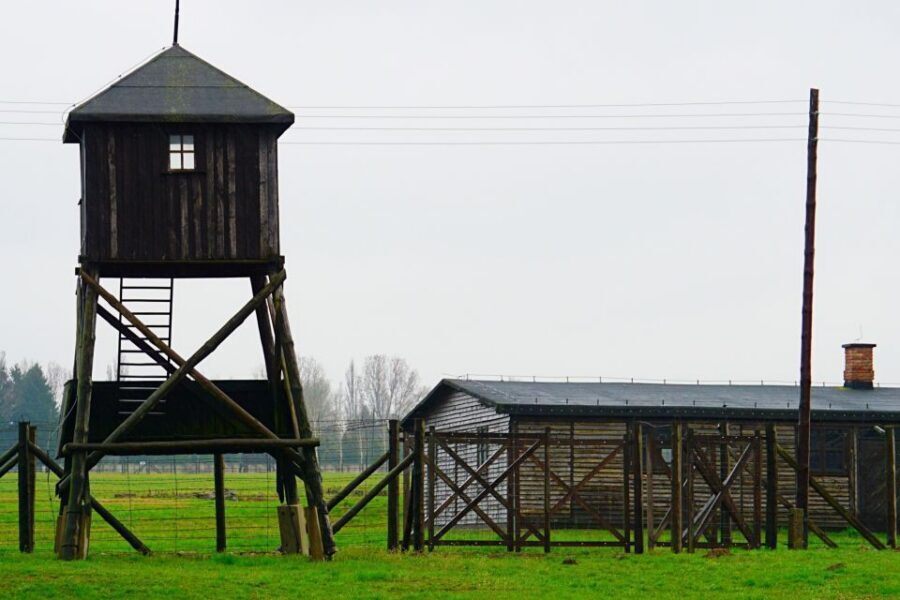
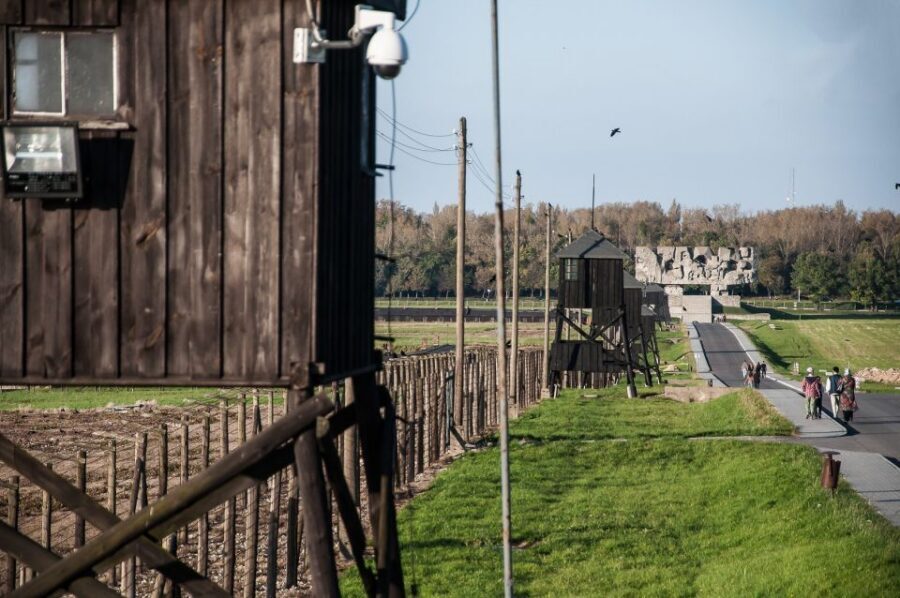
The heart of the day is the visit to Majdanek Concentration Camp. You’ll be escorted through what remains of the camp barracks, and the key detail is that these areas were captured more or less intact in 1944. That survival changes the experience. Instead of imagining the site from scattered ruins, you’re looking at structures that convey scale and organization in a very direct way.
Majdanek is also unusual because it was located within city boundaries. That sounds like a trivia point, but it changes how the place hits you. You’re not picturing history “over there in the distance.” You’re seeing how such a system existed close to ordinary geography, which makes the story feel more stark and immediate.
One more detail you’ll likely encounter is a monument at the former front gate. It symbolizes the conditions prisoners lived in. It’s the kind of stopping point that gives the visit a clear emotional and historical marker, so the tour doesn’t just move from one building to another.
Holocaust context: how the guide connects Polish Jewish history to the camp
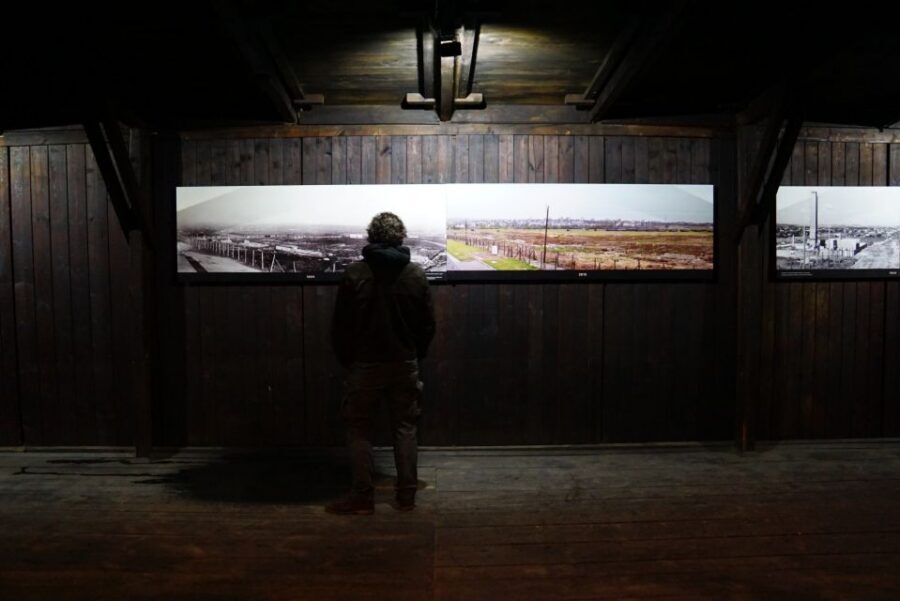
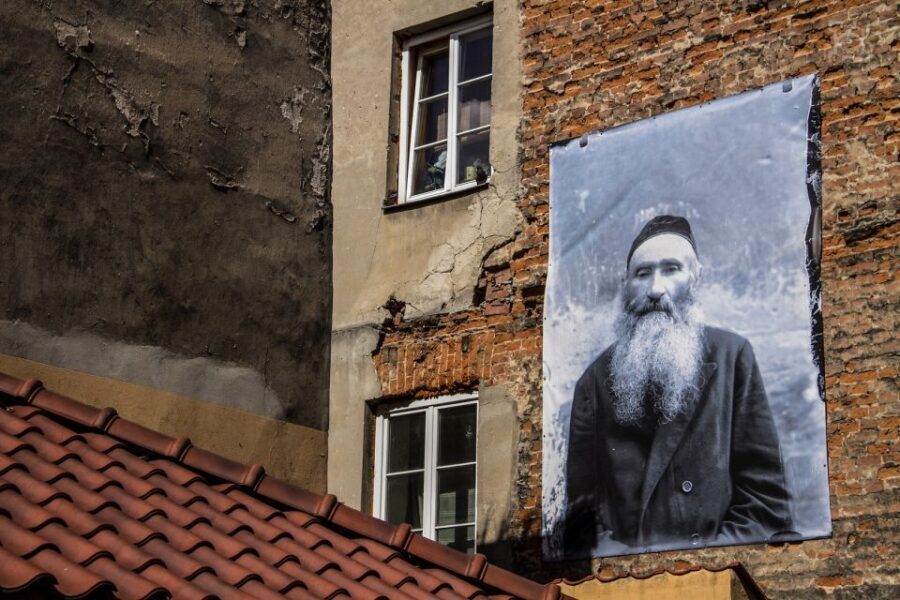
You’ll hear more than camp-site facts. The tour focuses on the history of Polish Jews and how Majdanek fit into Nazi objectives during World War II. When this is handled well, it prevents the visit from becoming a set of disconnected scenes.
A good guide also helps you understand why a place like Majdanek is part of a wider system. You’re not only learning about a single location; you’re learning how the regime operated and how that affected people. That bigger frame is why this tour pairs Majdanek with the later walk in Lublin—because it turns the day from tragedy into comprehension, and then into a sense of place.
I’d go into this expecting facts and explanations, not entertainment. Even with a great guide, the material is hard. If you want light and funny, you’ll likely feel out of sync here.
The emotional reality check: how to prepare for a somber day
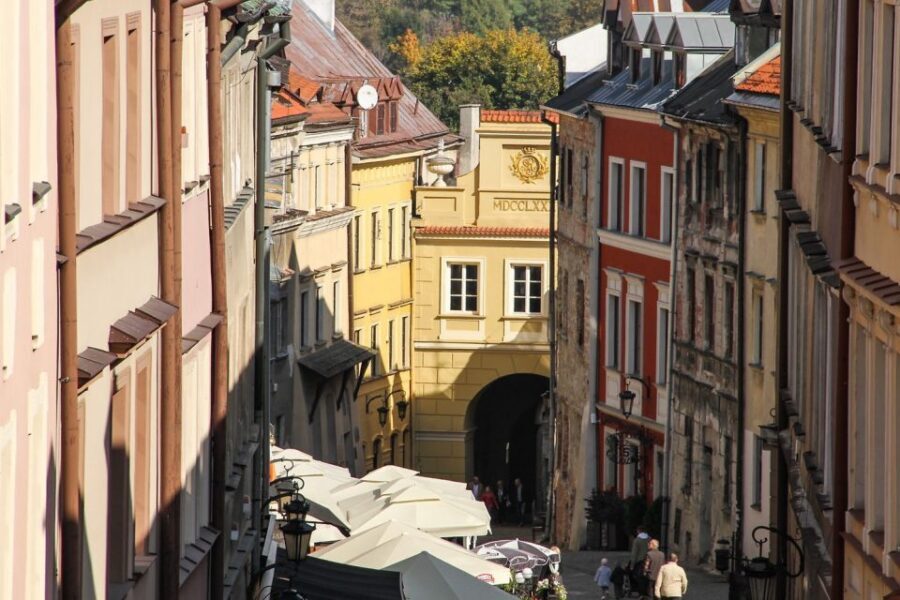
This is a death camp visit, so expect the day to feel heavy. In practical terms, that means you’ll want to take breaks when you can, and you’ll want to avoid over-scheduling your own plans right after.
I also suggest mentally preparing for a mix of walking and standing still. You’ll spend time in museum-like areas and memorial spaces where you’ll probably stop more often than you would in a typical walking tour. Bring patience, not just stamina.
If you’re sensitive to this kind of history, don’t try to “power through” without allowing yourself moments to step back. A guide who’s experienced with the subject can help by answering questions clearly and giving time for reflection, which makes the experience more bearable without turning it casual.


Lunch in a Polish milk bar: the reset you’ll be glad you planned
After the camp, you’ll have traditional Polish lunch in a milk bar. This is one of the smartest parts of the itinerary because it gives your mind a break while still staying connected to everyday Polish food culture.
Milk bars are usually known for simple, comforting meals, and in a tour day that’s emotionally demanding, that simplicity can be a relief. You’re also better able to enjoy the next part—Lublin—because you’re fed and not running on adrenaline and caffeine.
Since lunch is included, you don’t have to waste time searching for a place that fits the group schedule. That matters when you only have a limited window for sightseeing later.
Lublin Old Town: narrow streets, big stories, and real architecture
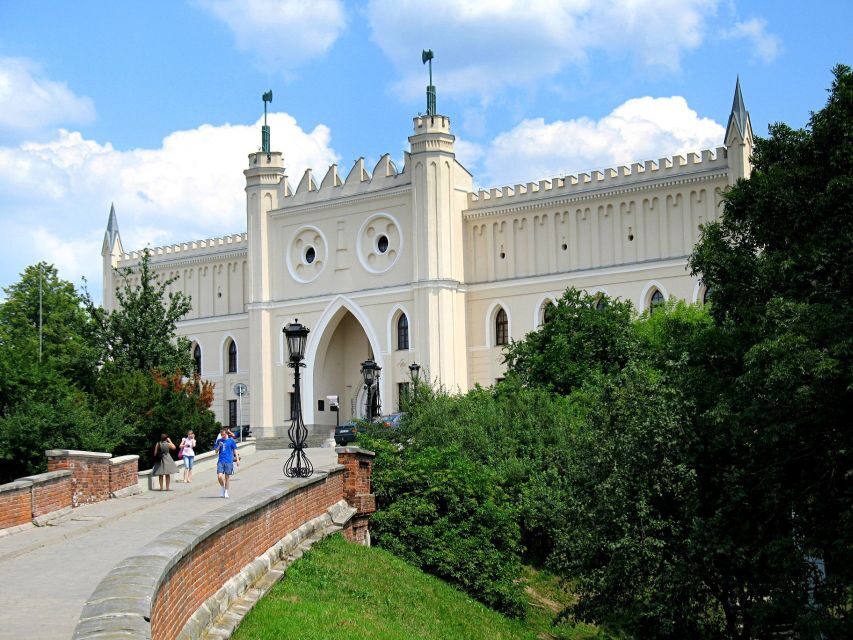
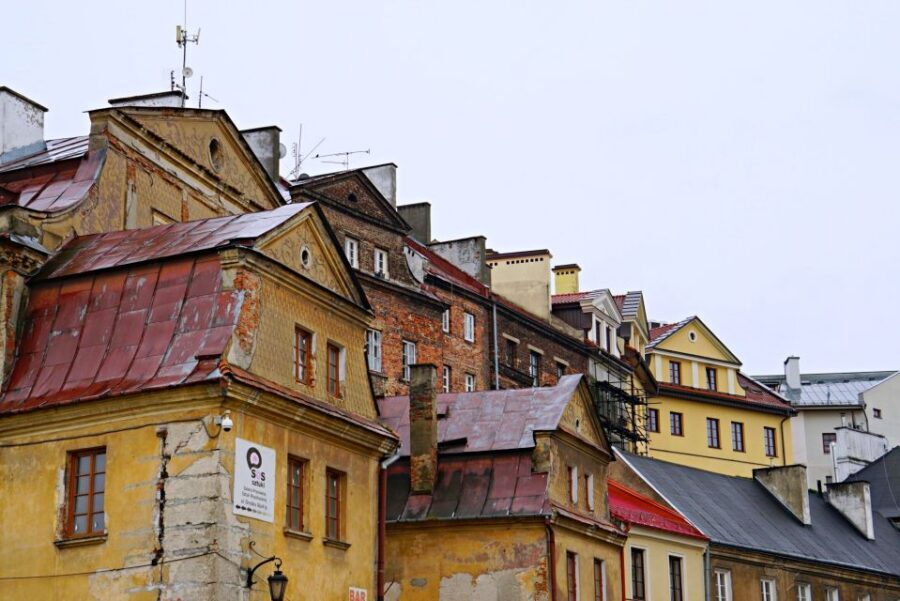
After lunch, you head into Lublin, often nicknamed Little Cracow, Vienna of the North, and Little Jerusalem. Those names aren’t just branding. They point to the city’s past wealth, its religious and cultural architecture, and the historical importance of Jewish life in the area.
Your guide will walk you through the Old Town’s narrow cobbled streets, and you’ll see why Lublin is described as one of the most beautiful cities in East Poland. The highlights you’ll look for include palaces, sacral architecture, and tenement houses—the kind of building variety that makes a walking tour more than a photo stop.
This is also where the day starts to feel balanced. Majdanek gives you tragedy and structure; Lublin gives you urban character and the sense of how people lived, built, and shaped their city. It won’t erase the camp, but it helps you complete the story with a sense of place.
In terms of time, you only have about four hours for combined sightseeing across the day. That means the Lublin portion is designed to be focused. If you want to shop slowly or do museums on your own, you might need a separate trip.
Getting there in a Mercedes van: comfort versus long transit
One of the most practical benefits is the transportation. You’ll ride in a luxury Mercedes van, and the van time is broken into manageable chunks by the structure of the day. Still, you’re spending three hours one way, which is the part that can feel long no matter how comfortable the vehicle is.
For me, the key question is: will you accept the time commitment? If you’re traveling from Warsaw and want a one-day solution, this format is efficient. If you have limited patience for driving, you’ll feel the squeeze because you don’t have extra sightseeing time to compensate.
A private group setup helps here because you can keep your own pace. It’s easier to handle comfort needs than in larger, less flexible tours.
Practical tips for shoes, questions, and when the museum is closed
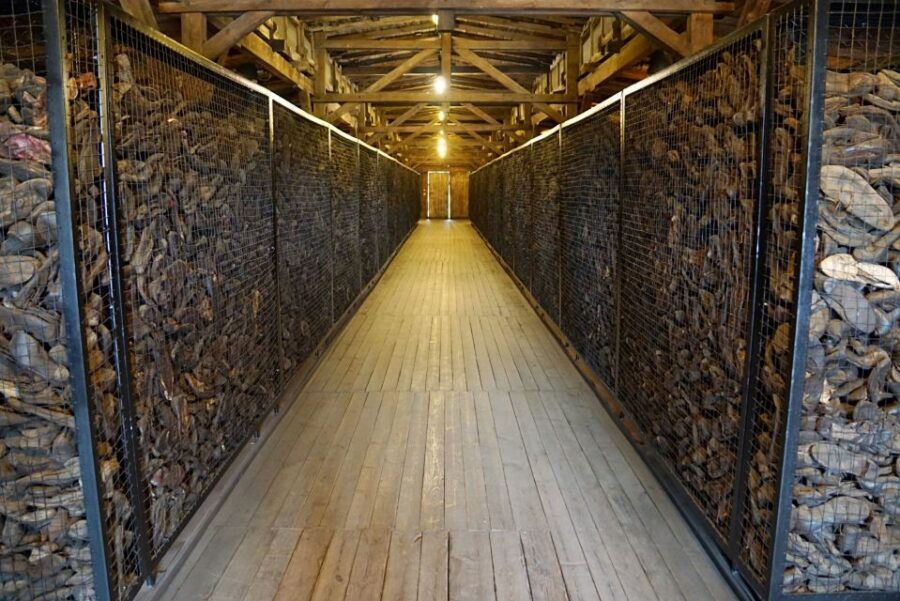
This tour includes a moderate amount of walking, so comfortable shoes are the main requirement. If you’re thinking of wearing boots, keep them practical for walking on museum paths and city streets. Bring something for your back and legs too, because memorial sites often mean lots of time standing and reading.
Two timing notes matter. First, the museum is closed on Mondays, so avoid booking those dates if you want the camp visit. Second, the tour lasts 10 hours, so plan your day around it and don’t schedule anything important right afterward.
You’ll also want to know your restrictions ahead of time: pets aren’t allowed, and the tour isn’t suitable for children under 14. Wheelchair access is available, and that’s a real plus if mobility is a concern.
Finally, bring questions. The guide’s job is to translate complex events into explanations you can understand while you’re standing in front of the evidence. A guide like Marcin has been praised for answering questions well, which helps the day feel less like a checklist and more like learning.
Who this tour suits best (and who should pick something else)
This is ideal if you want a guided, structured day that connects history to real sites. You’ll get the camp visit, Polish Jewish historical context, lunch, and a guided walking tour in Lublin’s Old Town—without having to plan transit and timing yourself.
It’s also a good fit for teens and adults who can handle serious material. Since it’s not suitable for kids under 14, consider this more of an adult-or-older-teen experience.
If your goal is purely leisure sightseeing, you may find the emotional weight overwhelming. And if you’re the type who needs lots of free time to roam, the strict time allocation (especially with four hours total sightseeing) could feel limiting.
FAQ
How long is the Warsaw: Majdanek Concentration Camp & Lublin Guided Day Tour?
The tour lasts 10 hours.
What’s included in the price?
The price includes hotel pickup and drop-off at centrally located hotels, transportation in a luxury Mercedes van, an expert guide, lunch in a milk bar, photos from the tour, all admission fees, and guided time in Majdanek and Lublin.
Is lunch included?
Yes. Lunch is included at a milk bar with traditional Polish cuisine.
What language will the guide speak?
The live tour guide speaks English.
Is this a private group tour?
Yes, it is listed as a private group.
How much walking should I expect?
The tour requires a moderate amount of walking.
Is the tour wheelchair accessible?
Yes, the tour has wheelchair access.
Is the museum open on Mondays?
No. The museum is closed on Mondays.
Are children allowed?
The tour is not suitable for children under 14.
Should you book this Majdanek and Lublin tour?
Book it if you want one well-organized day that gives both meaning and context: Majdanek with guided explanations, then Lublin Old Town with a real sense of place. The comfort details matter too—hotel pickup, a luxury Mercedes van, lunch included, and admission fees taken care of—so you’re not juggling logistics while dealing with heavy material.
Skip it if you need a lighter day, or if the idea of a death-camp visit and a moderate walk feels like too much. Also skip Monday dates because the museum is closed. If you’re prepared for an emotionally serious but guided experience, this is a strong way to connect history to the city you’re visiting.