REVIEW · WARSAW
From Warsaw: Auschwitz-Birkenau Small Group Tour with Lunch
Book on GetYourGuide →Operated by AB Poland Travel · Bookable on GetYourGuide
A visit to Auschwitz-Birkenau changes your pace of thinking. I like that this is a small-group day trip with a live English guide, and that you go beyond the main headlines to see key sites and personal artifacts. I also appreciate the practical touch of skip-the-ticket-line entry, so you spend more of your time on the ground and less standing around.
One consideration: it’s a long 12-hour day with a set lunch slot. If your pickup is later than you expect, the timing can feel tight, and the included meal may seem pretty basic.
In This Review
- Key things worth knowing before you go
- A very long day out of Warsaw
- Getting from the Warsaw Marriott to Oświęcim without chaos
- Inside Auschwitz: guided time, key visuals, and what to watch for
- Birkenau and the open-air sites that hit differently
- The museum materials: artifacts and period photos that add weight
- Lunch at a local restaurant: included, simple, and timed
- Small group logistics and what the English guide changes
- Price and value: is $350 a fair deal for this day?
- Who this tour fits best
- Should you book this Auschwitz-Birkenau tour?
- FAQ
- How long is the tour?
- Where do I meet the driver in Warsaw?
- What does the lunch include?
- Is the tour guided and in English?
- How big is the group?
- Do I need to bring my passport or ID?
Key things worth knowing before you go
- Small group of up to 8 means you’re not swallowed by a crowd.
- Skip-the-line entry saves time before a very long day.
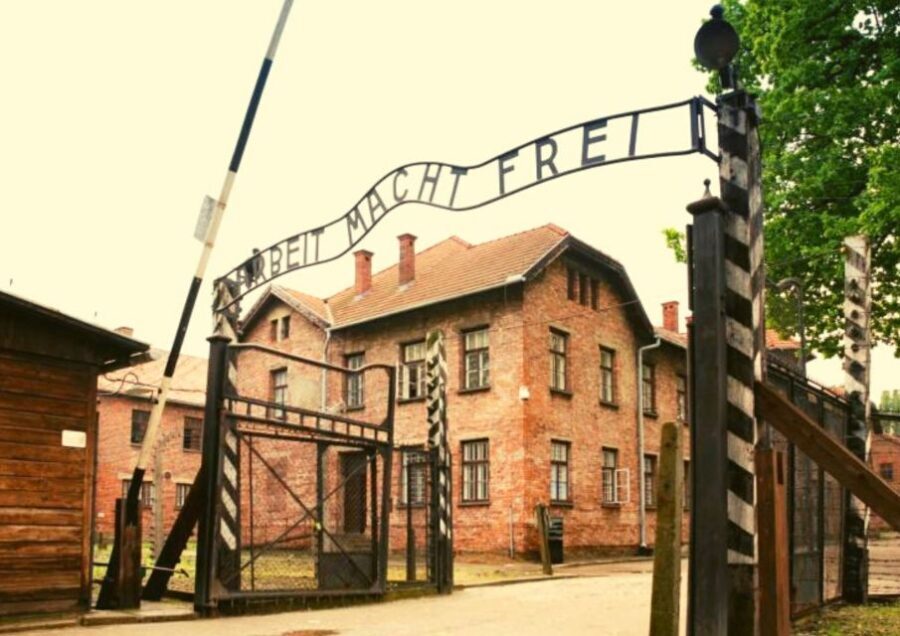
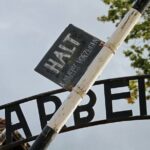
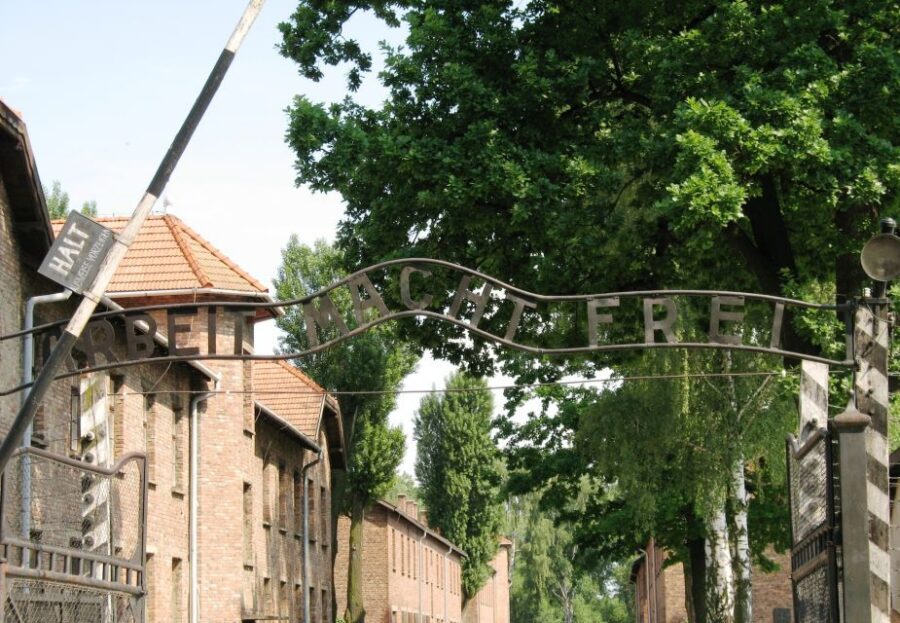
- Arbeit Macht Frei gate and original outdoor sites are part of the guided flow.
- Guided tour length is set at 3.5 hours at the Auschwitz-Birkenau Memorial and Museum.
- Lunch is included (a basic Polish meal plus water), but it’s not a gourmet pause.
- Pickup from the Warsaw Marriott makes it easier than hunting for other meeting points.
A very long day out of Warsaw
This is not a quick side trip. At 12 hours, you’re basically signing up for a full day of travel plus a serious guided visit. That long ride matters, because your energy level affects how well you can follow the guide, read signage, and process what you’re seeing.
The trip takes you from Warsaw to Oświęcim, where the Auschwitz-Birkenau Memorial and Museum sits. Plan for the day to feel structured: you don’t get the luxury of wandering at your own speed for hours and then strolling back to the bus.
The emotional weight is real. What helps is how the tour is organized: you get transportation, a guide, and clear time blocks, so you’re not trying to manage logistics while your brain is already overloaded.
Other Auschwitz day trips from Warsaw
Getting from the Warsaw Marriott to Oświęcim without chaos
You meet the driver right in front of the Marriott Hotel lobby in Warsaw. From there, you’ll head to the memorial site and return for drop-off at either Marszałkowska 98-100 or the Warsaw Marriott Hotel.
Because the drive is substantial, I’d treat this like a day trip with commuting rules. Bring a bottle you can finish, wear shoes that can handle lots of walking, and keep your ID or passport easy to grab. The tour requires passport or an ID card, so don’t bury it in a bag you’ll need five minutes from the bus door.
One small but important practical thing: on long drives, bathroom breaks are usually part of the rhythm. In past departures, drivers have been described as thoughtful about stops, and that can make the whole day feel less like a “survival mission” before you even reach the memorial.
Inside Auschwitz: guided time, key visuals, and what to watch for
Your main stop is the Auschwitz-Birkenau Memorial and Museum with a guided tour lasting 3.5 hours. This is where the tour’s structure really pays off. You don’t just look at buildings; you hear how the camp system worked and what life meant for the prisoners, with context designed to help the site click into place.
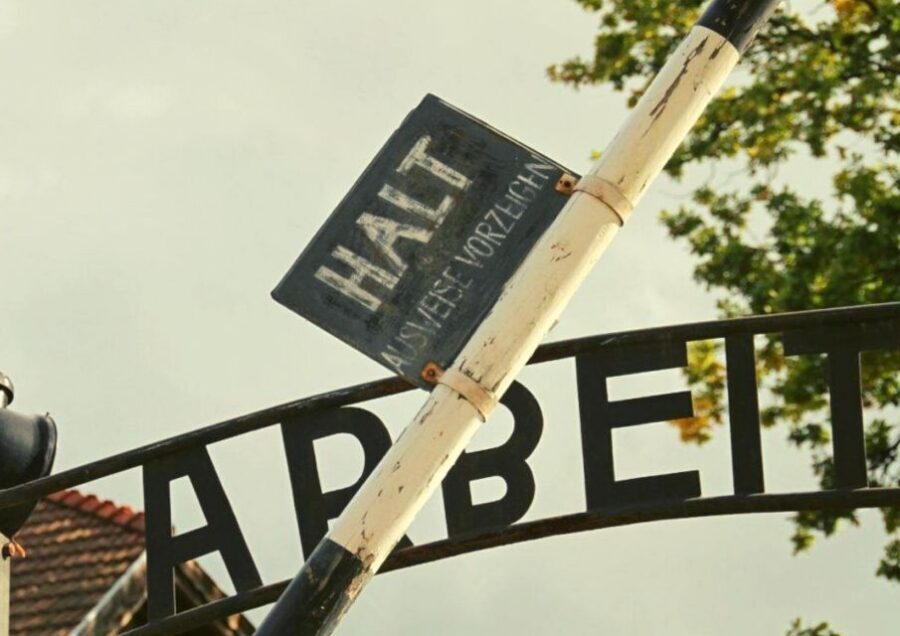
The guide takes you to major landmarks, including the infamous Arbeit Macht Frei gate. You’ll also cover the origins of the camp and how prisoners lived there, not only through the “big story,” but through details that explain what the place was built to do.
Here’s the part you should prepare mentally for: you’ll be moving through an intense sequence of locations. If you’re the type who wants to stop and read every sign cover-to-cover, you may feel rushed in some outdoor areas. The best approach is to pick moments to slow down—don’t try to absorb everything at maximum speed.
Birkenau and the open-air sites that hit differently
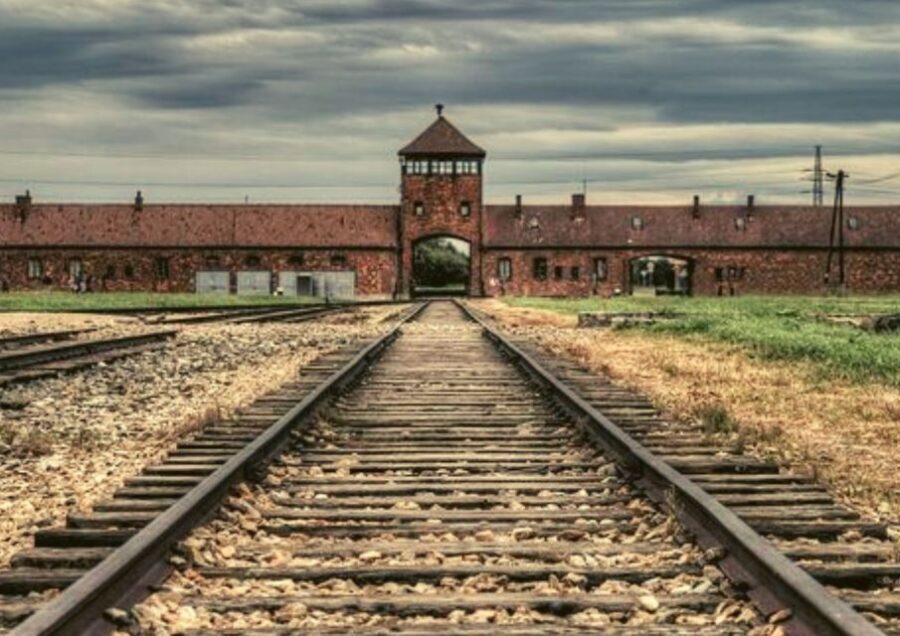
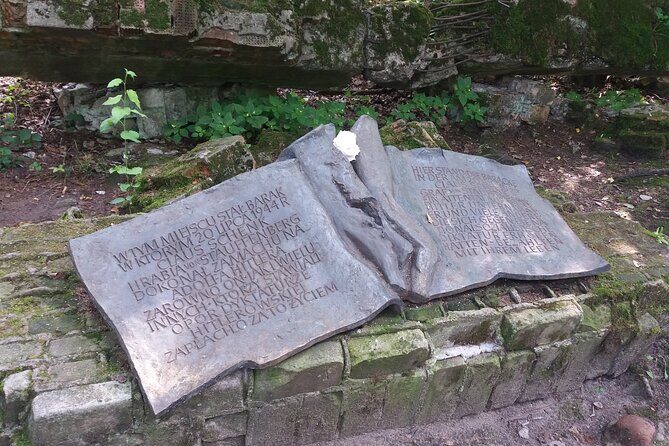
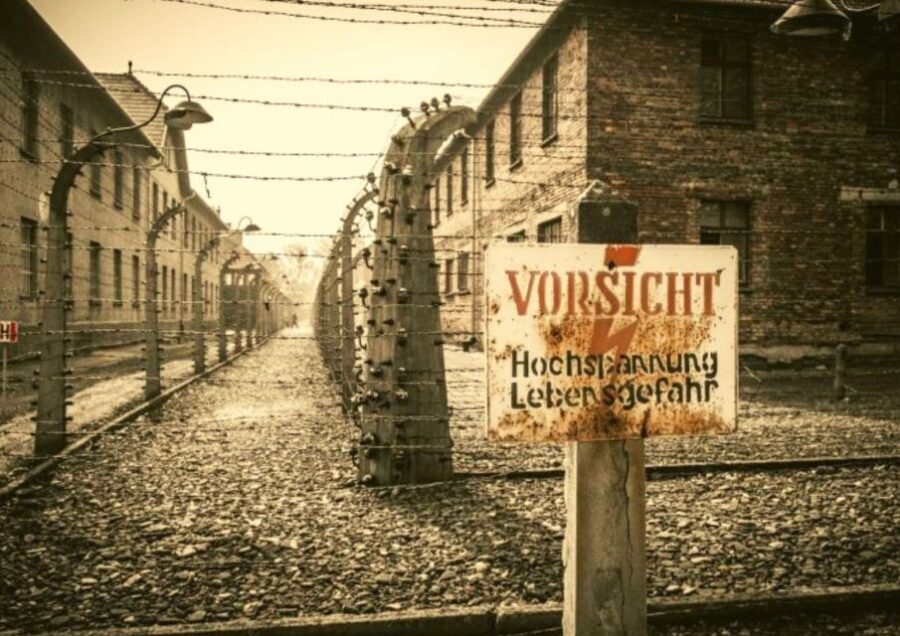
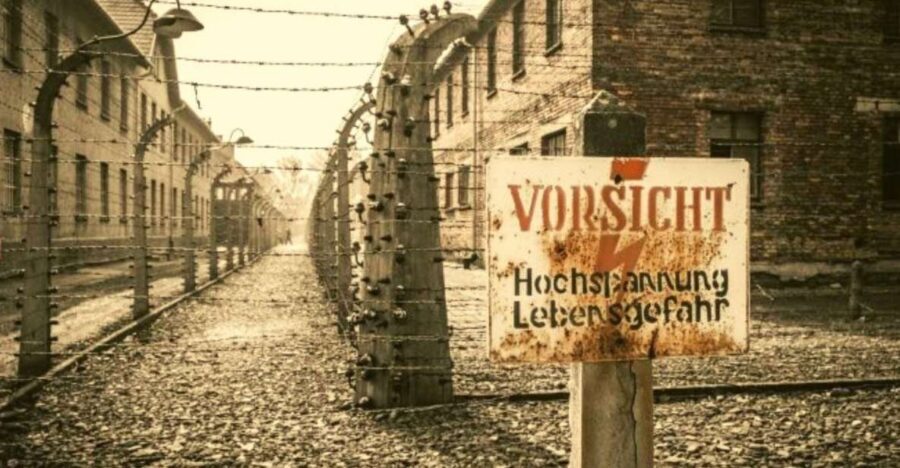
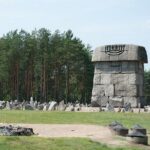
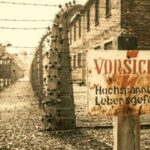
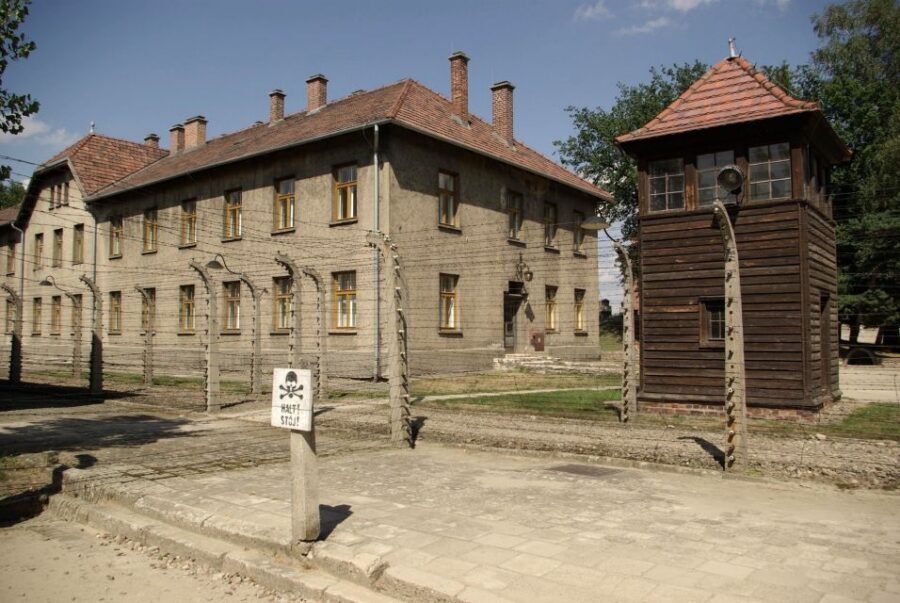
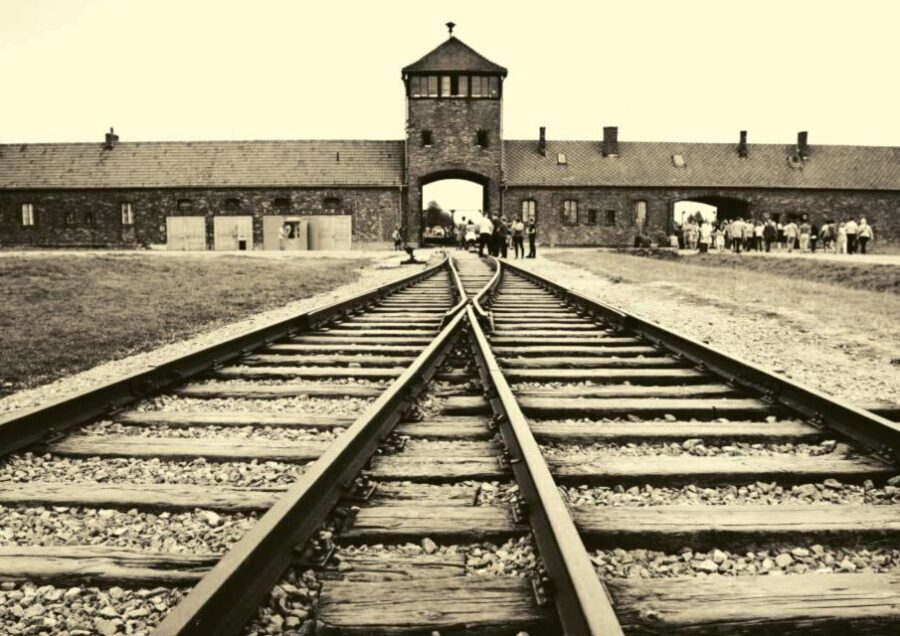
The outdoor sections are the ones people remember long after. You’ll see original remains and reminders of what happened, including the railway ramps and watchtowers, plus other parts of the camp layout.
This is where scale changes the whole experience. In the memorial settings, sightlines and spacing are part of the story. When you’re standing where buildings and rails once shaped prisoner movement, the information the guide provides lands differently than it does from a photo.
One practical note: the outdoor portion can feel like more of the day than visitors expect. So if you’re sensitive to cold, heat, or rain, dress for the weather. Also, keep your eyes up as much as your head is down—you’ll often miss context if you’re staring at the ground while you walk.
If you prefer a slower pace, the group format still helps. With up to 8 people, the guide can usually keep everyone together without losing the room’s meaning. You’ll still want to stay near the guide when they’re explaining something specific. Otherwise, you might catch fewer of the spoken details.
The museum materials: artifacts and period photos that add weight
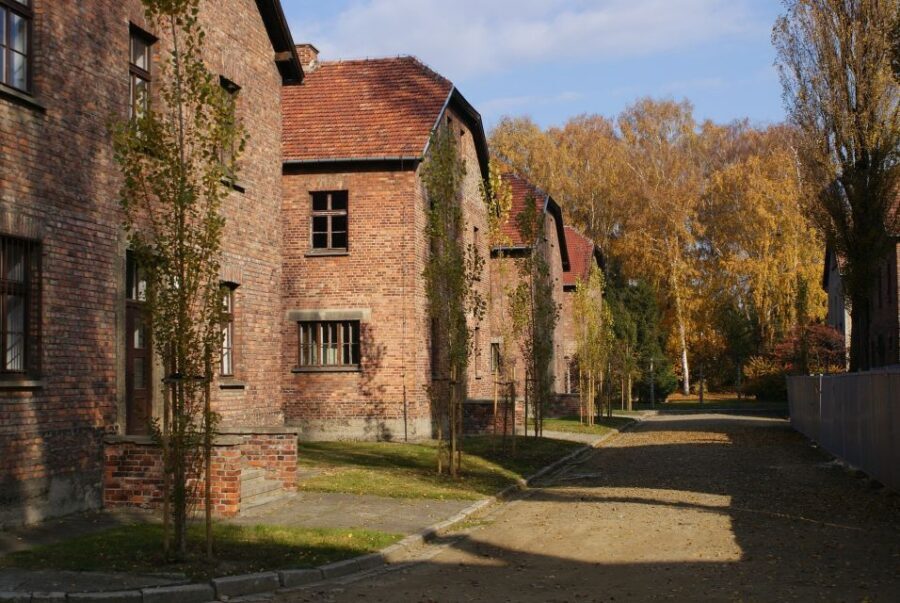
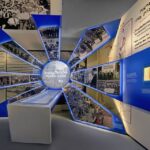
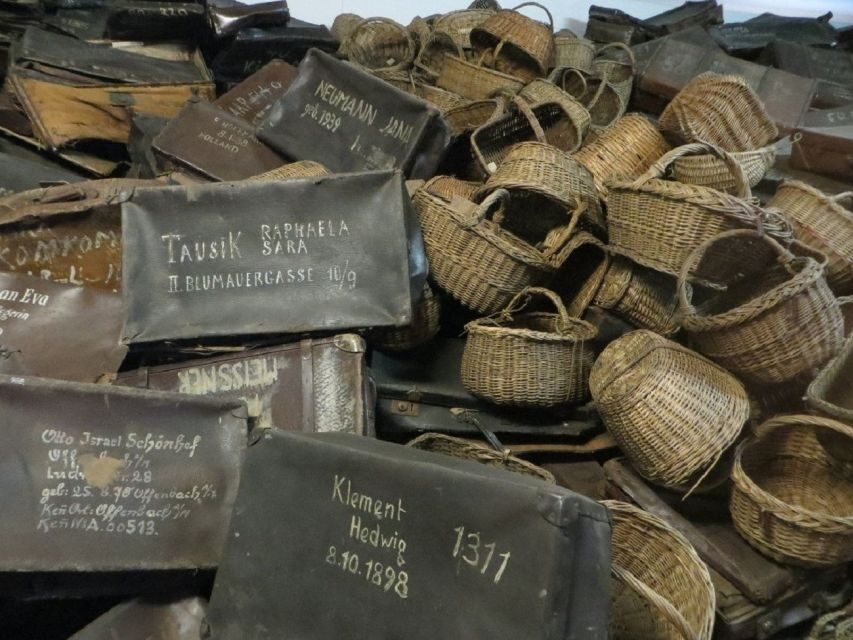
The museum portion is where you get the “why this matters” evidence. You’ll see period photographs and personal artifacts that bring individual lives into focus rather than leaving you only with the architecture and the labels.
This is also where the tour’s guided element matters most. It’s one thing to read descriptions at your own pace; it’s another to hear the way the guide connects those objects to the larger story of more than 1.3 million Jews and prisoners murdered by the Nazis, including people from Poland, France, and Italy.
I like museum time in a guided format because it helps you avoid the common trap of treating the artifacts like random exhibits. When the guide explains how the materials fit together, you’re less likely to feel like you’re collecting facts and more likely to understand the human consequences.
If you’re the type who wants to take notes, do it. But keep note-taking from turning into a shield. Sometimes the most helpful “documentation” is simply noticing what makes you stop.
A few more Warsaw tours and experiences worth a look

Lunch at a local restaurant: included, simple, and timed
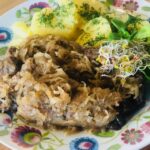
After the guided visit, you’ll get lunch at a local restaurant for about 1 hour. The included meal is basic—examples given include pierogi, chicken soup, or schnitzel, plus water.
This isn’t a “celebration lunch.” Think of it as a refuel so you can make it through the emotional second half of the day (the ride back counts too). If you want to eat more than what’s included, plan to spend a little extra on the side.
One past participant found the included lunch very simple and noted that the drink situation felt less generous than expected, with water from the faucet used. Since the tour says water is included, the takeaway for you is: don’t assume a premium meal. Come hungry, but don’t come expecting a top-tier restaurant experience.
Also, because the schedule is fixed, you’ll want to be ready to eat when the group eats. If you’re a “wait until I feel ready” person, you may feel rushed if the timing shifts due to the drive.
Small group logistics and what the English guide changes
This tour runs as a small group limited to 8 participants. That size is a sweet spot for a place like Auschwitz-Birkenau. You still feel the significance without getting lost in a sea of people, and your guide can usually maintain the flow without leaving you behind.
The guide is live and in English. In practical terms, that means you get explanations while you’re standing in context, not after you’ve walked away. You can also ask questions if the guide pauses long enough for it, which is useful when you hit a detail you don’t fully grasp.
The tour also skips the ticket line, which is a real time-saver. At this site, waiting outside is the worst kind of wasted energy. Getting through faster lets you concentrate on what’s in front of you.
One more detail that can affect your experience: there may be a mix of spoken guidance and additional interpretive tools depending on how your group session runs. If you’re someone who relies heavily on listening, keep your attention tight during transitions, especially as you move from indoor museum space to the outdoor areas.
Price and value: is $350 a fair deal for this day?
At about $350 per person, you’re paying for more than a ticket. You’re paying for transportation from Warsaw, hotel-area pickup and drop-off, entrance fees, a guided experience, and a basic included lunch.
So the value question becomes: does the day feel organized and guided enough to justify the long drive and fixed time blocks? For many people, the answer is yes, because the alternative is planning your own transport, booking timed entry, and trying to coordinate a guide on your own while already stressed by logistics.
The $350 price also makes sense if you care about the “how,” not just the “where.” A site like Auschwitz-Birkenau is heavy. Having a guide in real time helps you connect the dots instead of only collecting captions.
That said, your satisfaction will depend on how well the day’s timing works for you. One downside example from a previous departure: if the morning departure feels later than expected, you can arrive around lunch time, and the meal becomes the least satisfying part of the day. In other words, the tour price is only as good as the schedule you land on.
Who this tour fits best
This is a strong choice if you want a structured day, minimal planning, and an English guide taking you through the major parts of the Auschwitz-Birkenau Memorial and Museum.
I think it also works well if you’re traveling on your own but don’t want to go it alone at a place this intense. The small group keeps the experience human-sized.
If you want maximum freedom—stopping whenever you want for as long as you want—this might feel a little too scheduled. The visit time is fixed at 3.5 hours, lunch is timed, and you’ll be moving with the group rhythm.
It’s also not a “quick history hit.” Expect it to take over your day. If you’re planning more travel the same evening, build in buffer time. Your mind will still be processing long after you get back to Warsaw.
Should you book this Auschwitz-Birkenau tour?
Book it if you want a well-organized, guided visit with skip-the-line entry and simple included lunch, all with pickup from the Warsaw Marriott and a small group size.
Skip or consider a different approach if you know you struggle with tight schedules, dislike long road trips, or need extra time for reading every sign without moving with the guide. At Auschwitz-Birkenau, you’re not just sightseeing—you’re learning on a clock.
If you do book, give yourself the best chance to enjoy the day: confirm your pickup time, pack your ID, wear comfy walking shoes, and treat the lunch as fuel, not a reward.
FAQ
How long is the tour?
The tour runs for 12 hours in total for one day.
Where do I meet the driver in Warsaw?
You meet the driver in front of the lobby entrance at the Marriott Hotel.
What does the lunch include?
Lunch is a basic meal at a local restaurant, with options like pierogi, chicken soup, or schnitzel, plus water.
Is the tour guided and in English?
Yes. You’ll have a live tour guide and the tour is offered in English.
How big is the group?
The group is limited to up to 8 participants.
Do I need to bring my passport or ID?
Yes. You should bring a passport or ID card for the visit.