REVIEW · WARSAW
Multi-ethnic Warsaw – guided walk through the old town
Book on Viator →Operated by PolinTours · Bookable on Viator
Warsaw’s Old Town tells immigrant stories fast. I like the way this walk connects German-born families to real streets and buildings, and I also love the clear focus on the Saxon period building boom you can actually see as you move. The only catch: it’s a tight 2 hours, so if you want long museum time at each stop, you’ll feel a bit rushed.
You start at Rynek Starego Miasta and finish at Pijalnia Czekolady E.Wedel, so the tour stays practical: history first, then a sweet payoff that’s been linked with chocolate culture for over 150 years. One more consideration is group format: it’s private for your group, but it’s still a scheduled walking route, so comfortable shoes matter.
In This Review
- Key highlights before you go
- Walking Rynek Starego Miasta: where multi-ethnic Warsaw starts
- Royal Castle area and Saxon rebuilding: how the city got shaped
- Krakowskie Przedmiescie: entrepreneurs, artists, and the city economy
- Saxon Gardens: a quick lesson in planning and public space
- Evangelical Augsburg Lutheran Church: architecture with a story
- University of Warsaw: ideas tied to streets and institutions
- E.Wedel chocolate stop: a sweet ending with real staying power
- Price and time: what $70 buys you in Warsaw
- Group feel and the guide factor (why it matters on a short walk)
- Who should book this walking tour (and who might skip it)
- Should you book Multi-ethnic Warsaw?
- FAQ
- What is the duration of the Multi-ethnic Warsaw walking tour?
- Where does the tour start and end?
- Is the tour private?
- Are admission tickets included for the stops?
- What is included in the price?
- Are public transport tickets included?
- What happens if weather is bad?
Key highlights before you go
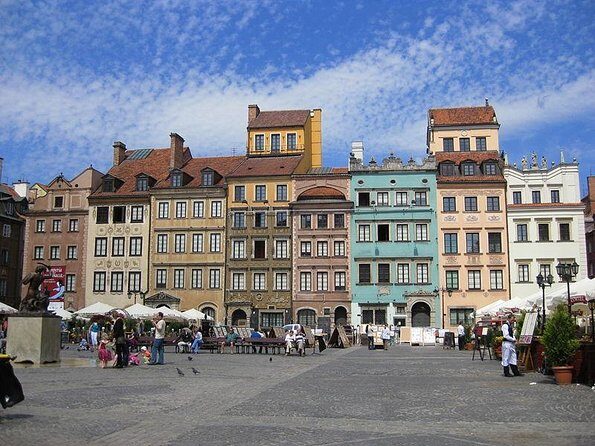
- Rynek Starego Miasta: a square-level introduction to why German-speaking families settled and shaped Warsaw
- Royal Castle + Saxon-era urban growth: short stops that explain how the city took its shape
- Krakowskie Przedmiescie: ideas, industry, publishing, and science tied to specific places
- Saxon Gardens: a quick lesson in planning and development from the Saxon period
- Evangelical Augsburg Lutheran Church: faith, architecture, and eventful history in one stop
- E.Wedel finish: a classic Warsaw chocolate house to wrap up the story
Walking Rynek Starego Miasta: where multi-ethnic Warsaw starts
Most Warsaw “Old Town” walks zoom in on views. This one starts a little differently, with people. You begin at Rynek Starego Miasta, the heart of the historic district, and your guide frames the big idea right away: Warsaw didn’t grow in isolation. Over centuries, immigrants from German-speaking countries moved in, built lives, and left traces that still show up in the cityscape.
What I like about starting here is that the history isn’t abstract. You’re standing in the exact kind of public space where newcomers would have met officials, traded goods, found jobs, and built reputations. It makes the rest of the route feel less like a lecture and more like a walking map.
A small practical tip: even though the first stop is short (around 15 minutes), give yourself a moment before the story starts. Look around—street lines, building heights, and the way the square opens up. Then the names and connections your guide shares will stick faster.
Other Warsaw Old Town tours and walks

Royal Castle area and Saxon rebuilding: how the city got shaped
From the Old Town square, the route heads toward the Royal Castle in Warsaw area. You’ll see representative buildings, churches, and gardens that helped form the architectural face of the city. The key theme here is the Saxon period, described as a time of intense construction and urban development.
This matters because “Warsaw” is not one single architectural chapter. It’s a layered city. When your guide ties specific structures to the Saxon-era push, you start noticing patterns: why certain areas developed the way they did, and how planning decisions affected streets, civic life, and the look of neighborhoods.
The tour keeps the pace moving—about 15 minutes at this stop—so you won’t get a full deep dive inside any one building. But you will get enough context to appreciate what you might see later on your own. If you’re the type who likes to recognize details on the street, you’ll probably enjoy this format a lot.
Krakowskie Przedmiescie: entrepreneurs, artists, and the city economy
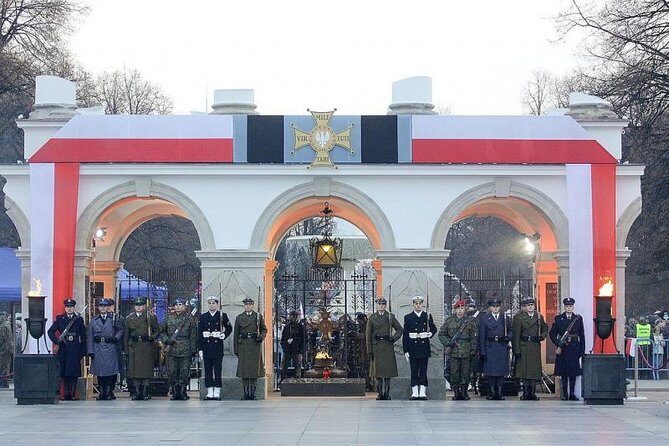
Next comes Krakowskie Przedmiescie, and the focus shifts from construction to people. Here, you hear about entrepreneurs, industrialists, architects, publishers, artists, scientists, and poets—people who contributed specialized knowledge that helped stimulate economy, science, and culture.
This is one of those stops where the time limit actually works in your favor. It’s long enough to connect names to roles, but short enough that you stay oriented. The route suggests a bigger truth: a city’s growth isn’t only about buildings. It’s about the thinkers and doers who use those buildings—printing presses, schools, workshops, institutions, and salons.
You get around 30 minutes at this stage, which is the longest single stretch on the walk. If you’re the type who asks questions, this is a good place to do it. The stop is paced to allow that back-and-forth without derailing the whole day.
Saxon Gardens: a quick lesson in planning and public space
After the city-and-people stop, you move to Saxon Gardens. Again, the tour returns to the Saxon period theme: intensive construction and urban development.
Even if you don’t fully grasp every historical detail on first pass, you’ll understand the concept. Gardens and open areas in a city aren’t just decoration; they’re part of how urban life is organized. This stop helps you see that Warsaw’s development included planning for recreation, circulation, and civic identity—things you can’t always tell from buildings alone.
The garden time is about 15 minutes. That short window can feel “too brief” if you’re a slow wanderer, but it’s also perfect for refocusing. You’ll finish the route with a clearer sense of what the city planners were thinking about, not just who was famous.
Evangelical Augsburg Lutheran Church: architecture with a story
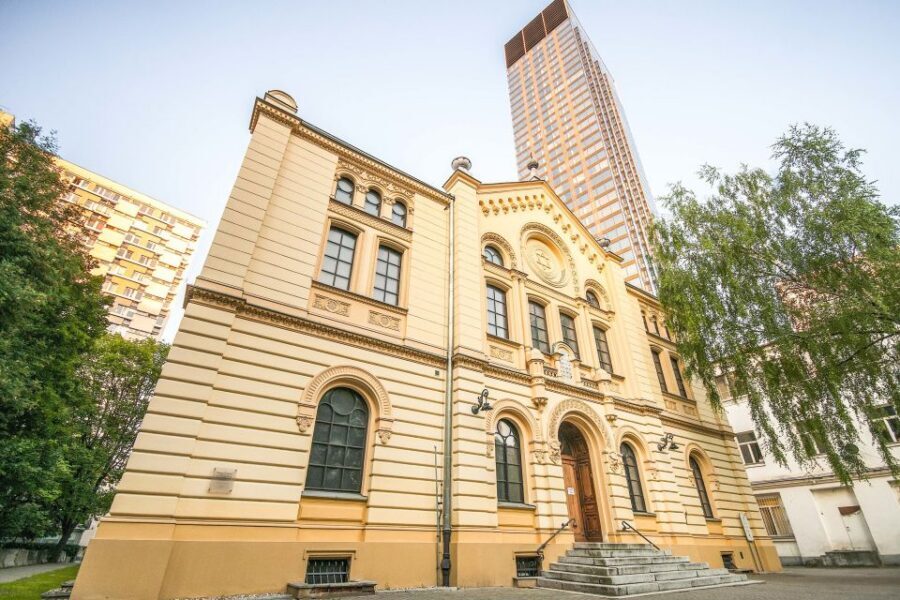
At around 15 minutes, you visit the Evangelical Augsburg Lutheran Church, where you admire the church and hear about its eventful history.
This stop is valuable because it adds a different angle to the multi-ethnic story. Warsaw’s history isn’t only about one community or one faith tradition. By including a Lutheran church and highlighting its background, the tour gives you a broader view of how diverse communities lived side-by-side—especially during periods when politics, religion, and culture shaped daily life.
If you care about architecture, you’ll likely enjoy simply observing details as your guide talks. And if you’re more into social history, the church context can help you understand how immigrant groups navigated belonging and community structures.
Other guided tours in Warsaw



University of Warsaw: ideas tied to streets and institutions
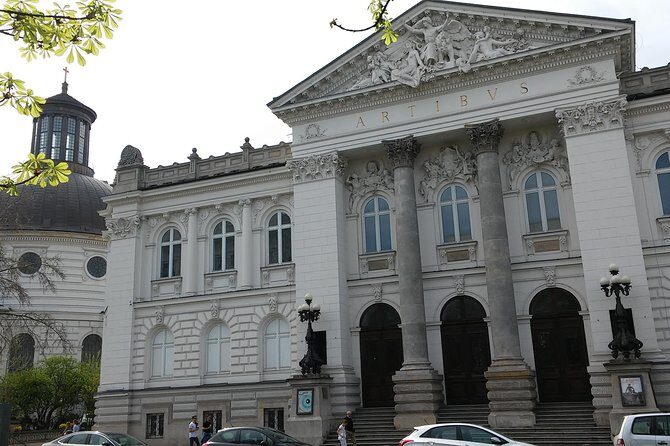
The next big stop is University of Warsaw (Uniwersytet Warszawski), with a focus on architecture and the kind of people who helped shape the city’s intellectual life. You’ll see representative buildings tied to the architectural character of Warsaw, and you’ll hear about architects, publishers, artists, scientists, and poets connected to stimulating economy, science, and culture.
This is also where the tour makes something feel current: you discover that well-known brands founded back then still show up in today’s cityscape, and that many neighborhoods and streets still carry the names of notable Poles you get to choose from within the story your guide shares.
I like this part because it bridges the gap between “old” Warsaw and “now” Warsaw. You’re not just collecting facts; you’re learning how traces of older institutions persist in the everyday map.
Time here is around 15 minutes, so again: no long museum session. But you’ll likely leave with a sharper eye for university-area buildings and street names.
E.Wedel chocolate stop: a sweet ending with real staying power
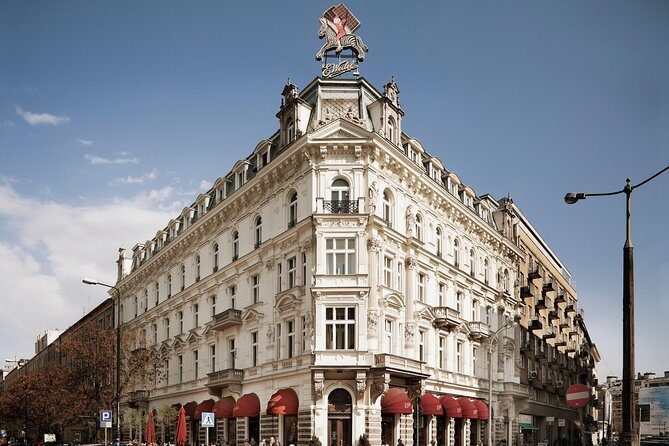
The walk closes at Pijalnia Czekolady E.Wedel on Szpitalna 8. The tour treats this as more than a snack break. You learn that Emil Wedel’s chocolate tradition has been part of Warsaw life for over 150 years.
This is a smart finish for two reasons. First, it gives you a moment to decompress after a brisk historical walk. Second, it grounds the story in something tangible. Food culture is a big part of how cities remember themselves, and E.Wedel is an easy place to end because it feels both local and iconic.
A practical note: even if you’re not a hardcore chocolate person, the stop works. You can use it to regroup, check your photos, and plan what you want to do next in Warsaw with the history you just picked up.
Price and time: what $70 buys you in Warsaw
The price is $70.01 per person for about 2 hours. That sounds like a lot until you factor in pacing and context. You’re paying for a licensed guide and a route that intentionally links multiple sites: Old Town square, Royal Castle area, major streets, a Lutheran church, the University area, and finally the E.Wedel stop.
Two practical value points:
- Short stops, clear themes: you get context quickly without wasting time trying to piece together connections on your own.
- Guided orientation: the route helps you understand what to notice later if you explore independently.
Also, the tour includes a mobile ticket and is private for your group, meaning you won’t have to blend into a huge crowd. Public transport tickets are not included, so if you need to ride to the start, plan that cost separately.
Finally, remember this is a walking experience that requires good weather. If the weather is bad, you’ll be offered a different date or a full refund. That’s a rare but helpful bit of friction removed.
Group feel and the guide factor (why it matters on a short walk)
On a 2-hour guided walk, your guide isn’t a small detail. They’re the difference between names you forget and stories you understand.
Past participants have highlighted a guide quality that you can use to gauge whether this tour fits your style. When the guiding is warm and focused, you can ask questions and get answers that stay connected to the street scene. The best part: the commentary doesn’t feel like it’s chasing trivia. It explains why certain families, institutions, and developments mattered, and how they connect to where you’re standing.
If you’re traveling with German-speaking visitors or you like multi-ethnic context that includes the German-speaking thread in Warsaw’s development, this tour’s framing can work especially well.
Who should book this walking tour (and who might skip it)
This experience is a strong match if you:
- Want a fast, guided Old Town orientation instead of trying to self-navigate early on
- Like history that connects people to places, not just buildings to dates
- Appreciate a multi-ethnic lens, including how German-speaking immigrants influenced Warsaw
- Prefer shorter stops where a guide gives structure and you can move on
You might want to skip or pair it with other time on your own if you:
- Want a lot of time inside museums or churches without moving along
- Don’t enjoy walking for the length of a 2-hour route
- Prefer very modern Warsaw rather than the Old Town and institutional core
For most people, the sweet spot is using this tour as your “get oriented fast” session—then follow up with independent wandering while your brain still has the map loaded.
Should you book Multi-ethnic Warsaw?
I think this is a smart booking for first-time Warsaw visitors who want Old Town plus context. The route does what good city walks should: it uses a short time window to give you meaningful links between Saxon-era development, multi-ethnic settlement patterns, institutions, and places that still shape Warsaw today.
If your ideal day is calm, unhurried, and you dislike structured routes, you might find the pacing quick. But if you like walking with purpose—and leaving with street-level understanding—this is an easy yes.
FAQ
What is the duration of the Multi-ethnic Warsaw walking tour?
The tour lasts about 2 hours.
Where does the tour start and end?
It starts at Rynek Starego Miasta in Warsaw and ends at Pijalnia Czekolady E.Wedel on Szpitalna 8.
Is the tour private?
Yes. It’s private, so only your group participates.
Are admission tickets included for the stops?
The itinerary indicates admission ticket free for the listed stops, including the Royal Castle in Warsaw museum.
What is included in the price?
The included items are a licensed tour and a mobile ticket.
Are public transport tickets included?
No. Public transport tickets are not included.
What happens if weather is bad?
This experience requires good weather. If it’s canceled due to poor weather, you’ll be offered a different date or a full refund.