REVIEW · WARSAW
Warsaw: 2-Hour Tour of Daily Life in the Ghetto Warsaw
Book on GetYourGuide →Operated by PolinTours · Bookable on GetYourGuide
The Warsaw Ghetto still shows up in today’s streets. This 2-hour tour focuses on everyday life inside the ghetto, then anchors it with real locations tied to major events and lasting memory. You’ll walk through surviving traces of the neighborhood and hear how people tried to live, hide, document, and resist under impossible conditions.
What I like most is the way you get more than names and dates. You’ll see the last preserved street of the ghetto and remains of the ghetto wall, so the history feels grounded in place. You also spend real time on the logic of daily survival—how routines broke down, how problems were solved, and why the 1943 uprising happened when it did.
A fair heads-up: it’s an intense subject, and it’s not suitable for children under 12. Add the fact that it’s mostly a walking tour mixed with public transport, and you’ll want to show up with energy and a calm mindset.
In This Review
- Key highlights you’ll care about
- Warsaw Ghetto in two hours: what this tour really covers
- Meeting up near PolinTours: how the tour starts
- Daily-life streets, wall remnants, and the only surviving synagogue
- Mila 18, the footbridge over Chłodna Street, and the Warsaw resistance story
- Umschlagplatz and the Monument to the Ghetto Heroes: where deportations became real
- Oneg Shabbat and the Underground Archive: why documentation survived
- The Pianist connection: seeing locations tied to Roman Polanski’s hero
- Jewish Museum follow-up: plan your time for the core exhibition
- Price and value: does $76 make sense for 2 hours?
- Who this tour fits best (and who should skip it)
- If you get Marzena: what to expect from the guide style
- Should you book this Warsaw Ghetto tour?
- FAQ
- How long is the Warsaw Ghetto 2-hour tour?
- Is the tour mostly walking?
- What languages are available?
- Does the tour include the Jewish Museum?
- Is this tour suitable for kids?
- Are there luggage or item restrictions?
Key highlights you’ll care about
- Daily-life focus: not just tragedy, but how people handled food, fear, rules, and rumor day to day
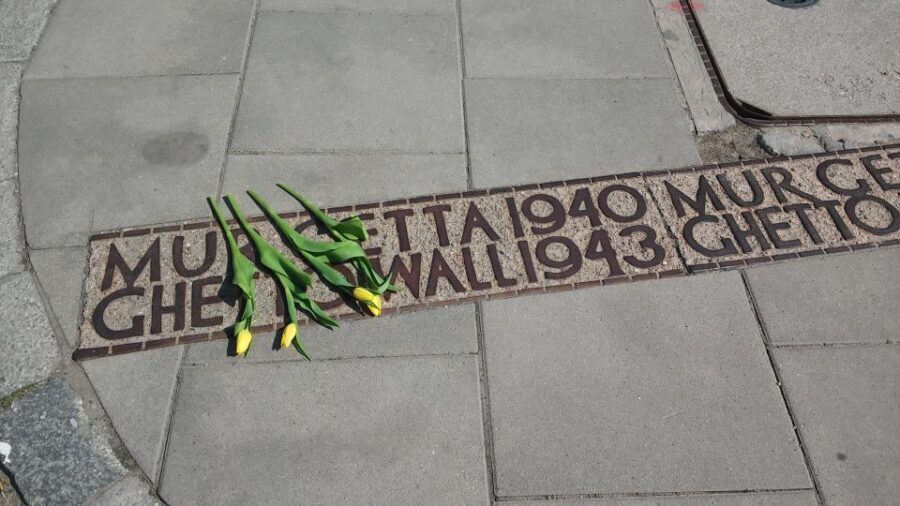
- Surviving physical traces: the last preserved street, ghetto wall remains, and the only synagogue that endured
- Key “Pianist” locations: stops tied to the main hero from Roman Polanski’s film story
- Mila 18 and the Footbridge: place-based context for resistance and movement across the ghetto’s barriers
- Umschlagplatz + commemoration: the departure site and the symbolism at the Monument to the Ghetto Heroes
- Oneg Shabbat and the Archive: how documentation survived by being physically hidden in metal cases and milk cans
Warsaw Ghetto in two hours: what this tour really covers
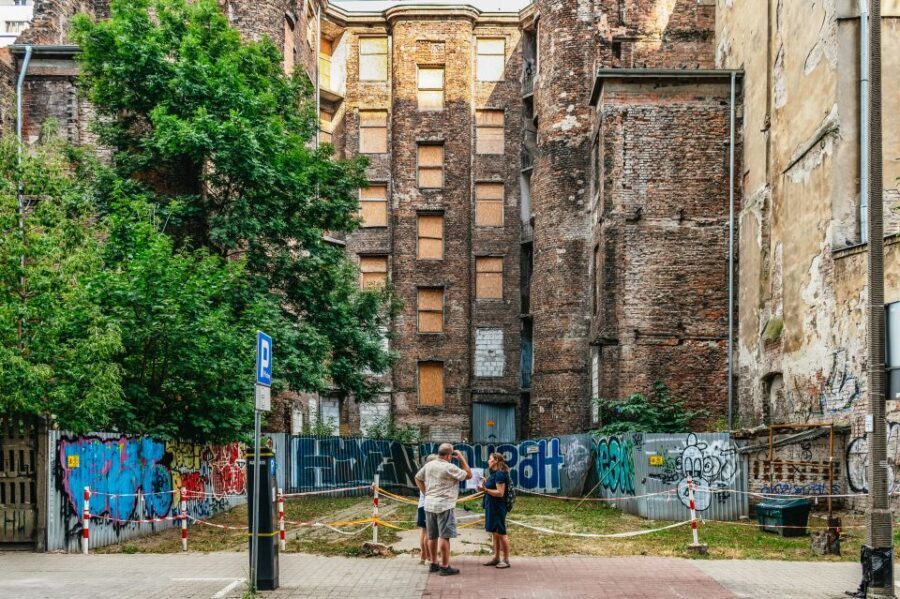
This isn’t a quick “drive-by” history stop. The format is short enough to fit into a busy Warsaw day, but packed with enough place-based storytelling to make the ghetto feel mapped in your mind. You’ll learn how the Warsaw Ghetto functioned as a brutal system—where hundreds of thousands were forced into a tiny area, then starved, exploited, deported, and eventually crushed.
You’ll also get the story’s turning points in context. In 1940 the Nazis created the ghetto in central Warsaw, gathering about 460,000 Jews into roughly four square kilometers. About 100,000 people died there from hunger, exhaustion, and disease, and more than 300,000 were sent to the Treblinka extermination camp. Then in 1943, the uprising erupted after an attempt to fully liquidate the ghetto—followed by massive destruction.
The tour’s value is that it doesn’t treat those facts like isolated bullets. You’ll connect the “why” behind daily problems with the “how” of resistance and survival networks, including documentation efforts that outlasted the war.
Other POLIN and Jewish heritage tours in Warsaw



Meeting up near PolinTours: how the tour starts
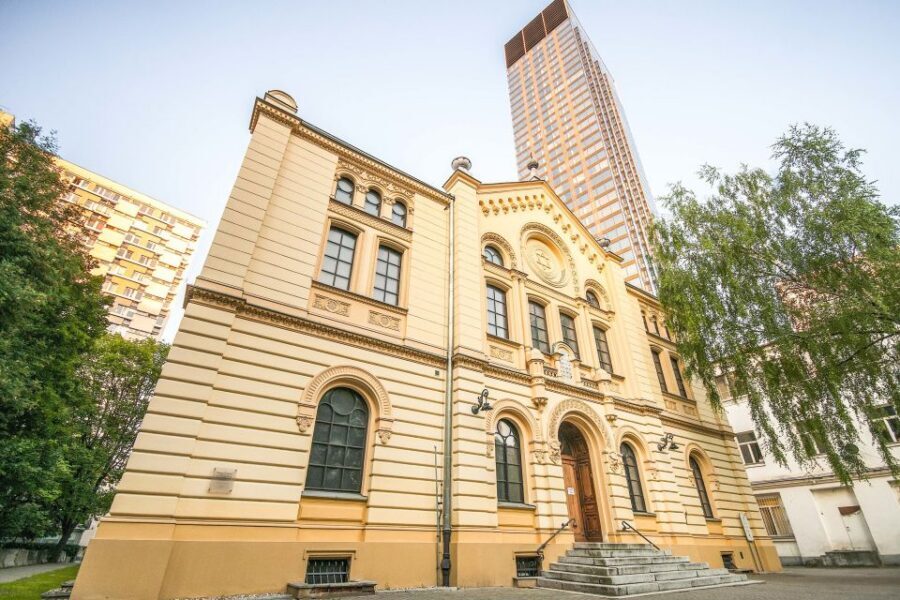
You’ll meet the guide with a sign for PolinTours. From there, the tour is led by a licensed English or German guide, and you’ll get head sets for groups up to 20 people, which makes a big difference on walking tours through tight areas.
Plan for a guided experience that mixes on-foot segments with public transport. That matters because it affects your pace and your comfort—this isn’t the kind of tour where you can casually stop to scroll photos every minute.
The group runs on a simple rhythm: you’ll stop frequently, listen, then walk a bit more. If you’re the type who likes to ask questions, this structure works well, because it gives you clean “anchors” at each location rather than trying to hold everything in your head at once.
Daily-life streets, wall remnants, and the only surviving synagogue
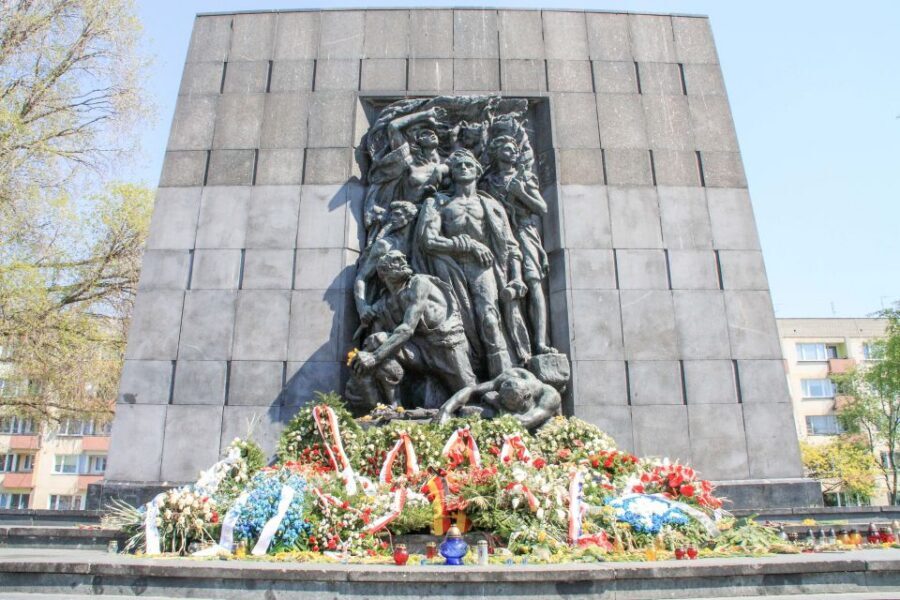
One of the smartest parts of this tour is that it starts to teach you how to “read” the neighborhood. Even though the ghetto itself is gone, the guide shows you what remains—and explains why those remnants still matter.
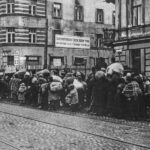
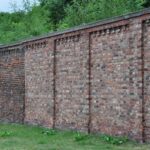
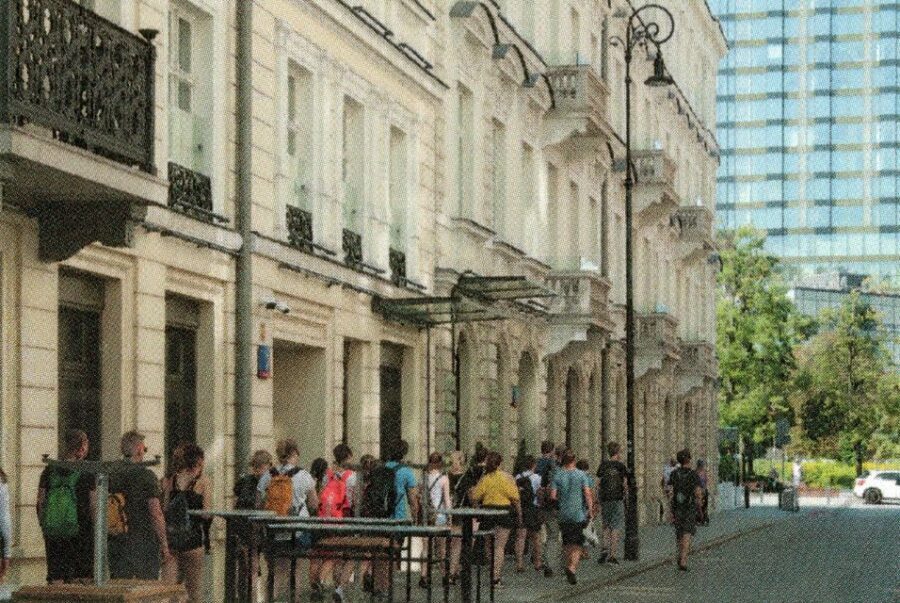
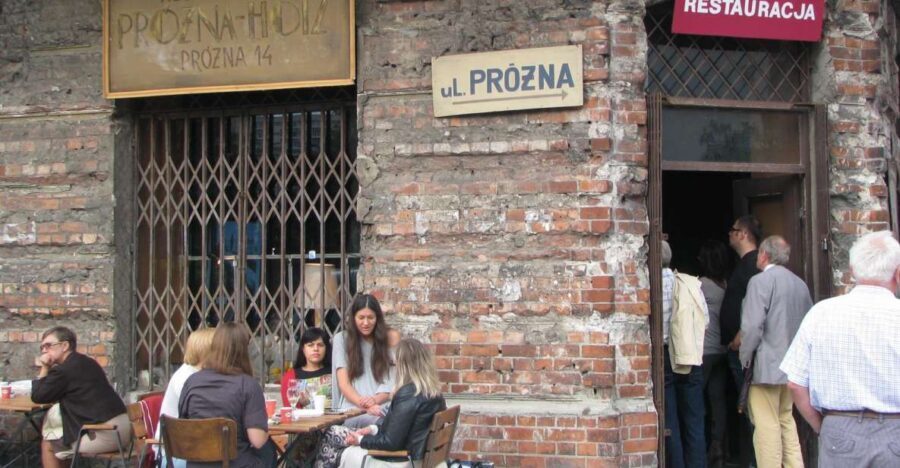
You’ll explore the last preserved street of the ghetto, plus remains of the ghetto wall. This isn’t sightseeing in the normal sense. The point is to understand how confinement worked physically: walls, boundaries, restricted movement, and the psychological weight of being boxed in.
Then you’ll visit the only synagogue that survived. For many people, this is the moment history stops sounding abstract. A synagogue isn’t just a building; it’s a community anchor. Seeing the synagogue that endured helps you remember that the people inside the ghetto weren’t only victims—they were also neighbors with routines, beliefs, and institutions.
What to watch for: the tour is telling you how daily life worked under severe pressure. That means you’ll hear about destruction, indifference, blackmail, and resistance. It’s heavy, but it’s also grounded, because you’re seeing the built environment while you hear the human story.
Mila 18, the footbridge over Chłodna Street, and the Warsaw resistance story
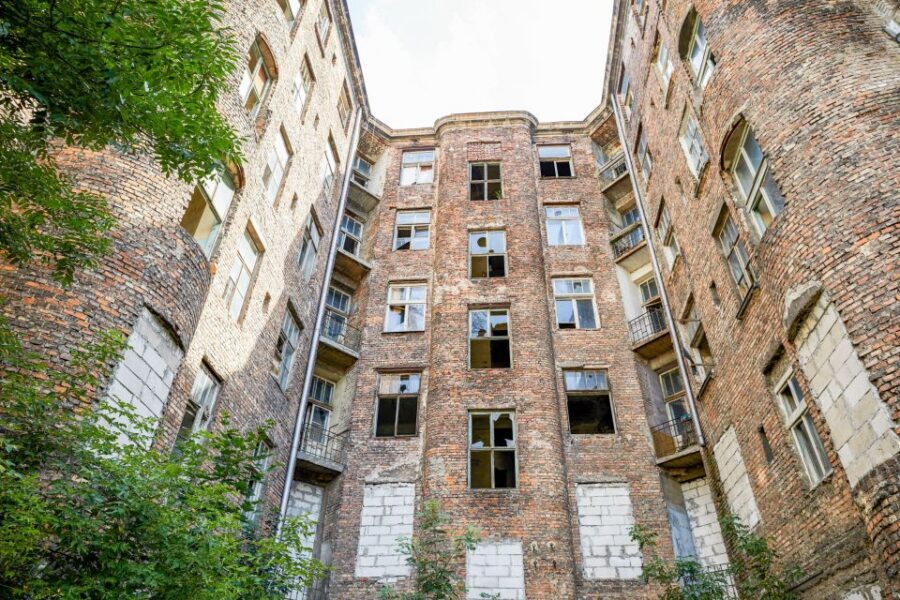
The stop at Mila 18 is one of the most memorable pieces of the itinerary for anyone who cares about resistance narratives. You’ll also hear about what happened around the ghetto’s internal movement points, including the Footbridge over Chłodna Street.
These locations matter because they connect “resistance” to geography. In other words, you’re not just hearing that people hid, fled, or fought. You’re getting a sense of where movement was possible, where barriers forced choices, and why certain spots became meaningful.
Mila 18 is discussed as a bunker location tied to the uprising period. The guide’s approach is practical: you learn how plans formed, how people tried to survive, and how Nazi revenge followed the uprising with brutal speed. You’ll hear about the attempt to completely liquidate the ghetto, and then how events spiraled once resistance began.
One small consideration: because this segment focuses on specific sites and actions, it helps to keep your attention steady. If you’re tired, you may miss a key explanation about how the area worked during the war.
Umschlagplatz and the Monument to the Ghetto Heroes: where deportations became real
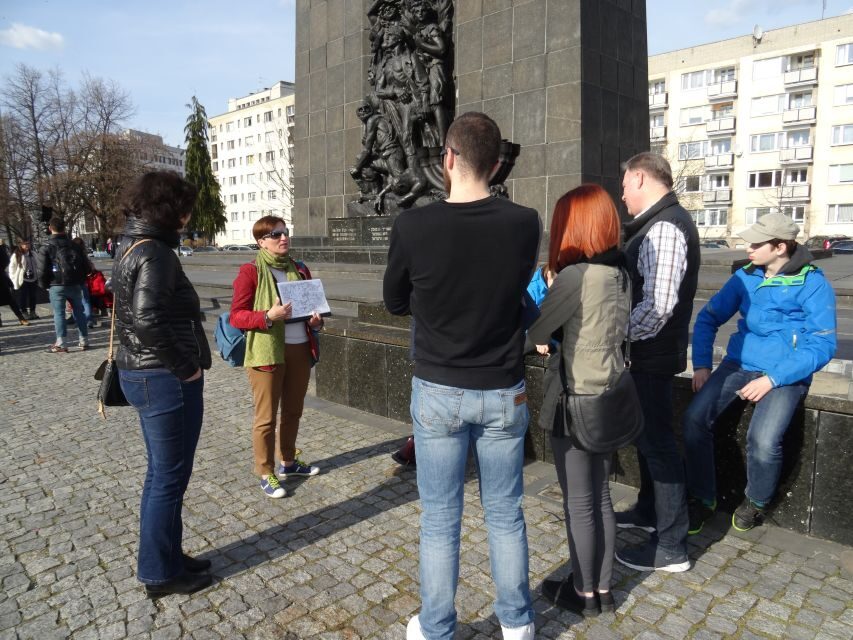
After you’ve processed daily life and resistance, you’ll move toward the system’s machinery—especially at Umschlagplatz. This stop anchors the story in the grim reality of deportations, turning the big numbers you learned earlier into a physical place.
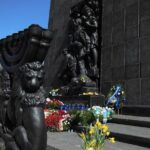
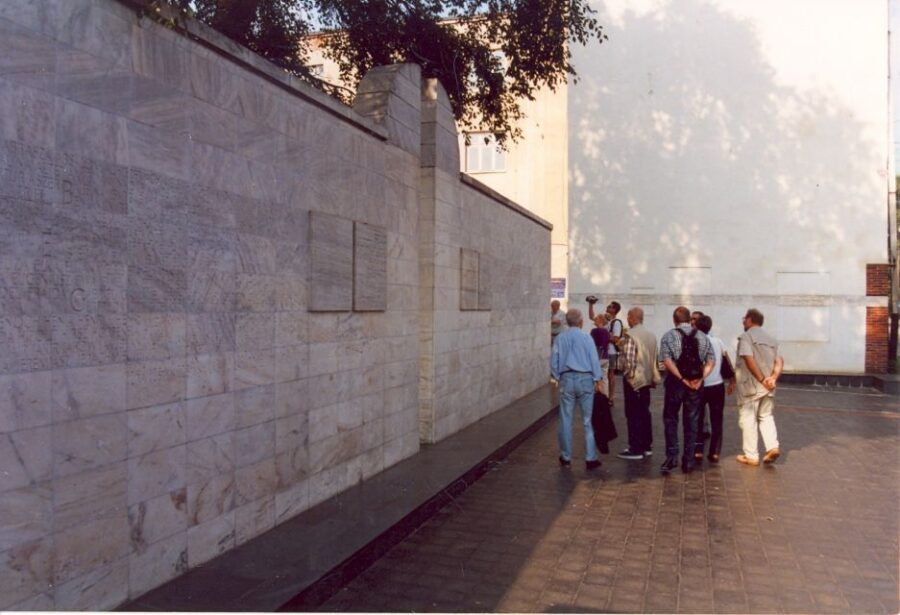
You’ll also learn about the symbolism tied to the Monument to the Ghetto Heroes. The guide doesn’t treat it as a photo stop. Instead, you’re guided to understand why commemoration looks the way it does, and how it fits into the larger memory of the ghetto uprising and its aftermath.
If you want the tour to feel complete, this is where you let your brain slow down. It’s easy to get “information overload” after multiple stops, but these two anchors help organize the experience: everyday life → resistance → destruction → forced removal and remembering.
Other Warsaw Ghetto tours



Oneg Shabbat and the Underground Archive: why documentation survived
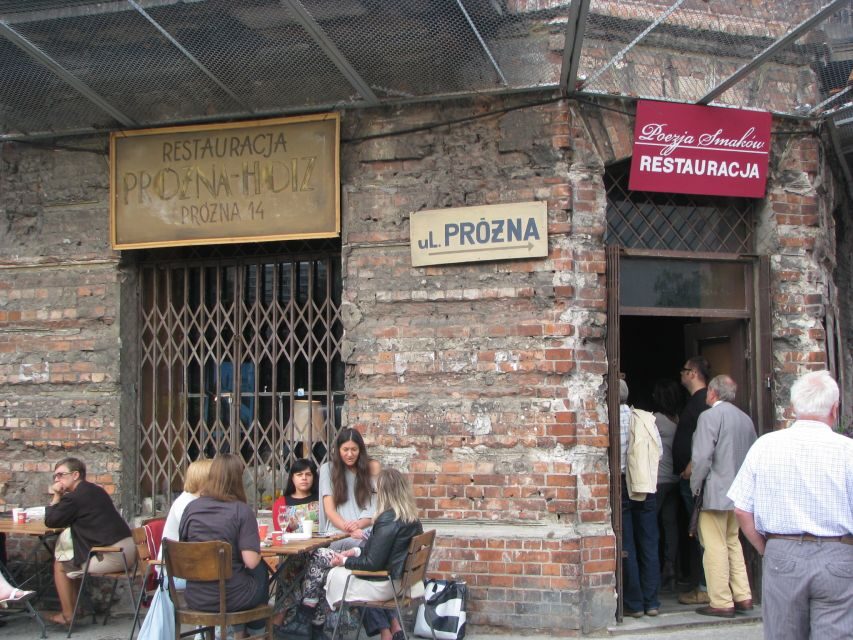
This tour gives you one of the most important threads in the Warsaw Ghetto story: the Underground Archive, connected to the secret organization Oneg Shabbat.
You’ll learn that people documented ghetto life in secret and preserved it even as conditions grew more lethal. The archive survived the war in metal cases and milk cans, then later entered the UNESCO Memory of the World register.
To me, the power here is that you get a reason behind the documentation. This wasn’t “just” collecting stories. It was an attempt to preserve truth against erasure, propaganda, and the convenience of forgetting. You end up understanding why these records carry such weight today.
Also, this segment helps you process the ghetto as more than a tragic chapter. It shows human stubbornness in two forms: resistance in the streets and resistance with paper, lists, notes, and careful storage.
The Pianist connection: seeing locations tied to Roman Polanski’s hero
If you’ve seen The Pianist, the tour’s connections help you place the story in real geography. This experience includes stops at places related to the main hero as portrayed through Roman Polanski’s film narrative.
It’s not about treating the film as the full truth. It’s about using the film memory as a guide to locate the real-world “why here” behind the story. When you stand near these locations, the ghetto stops being a concept and becomes a mapped set of choices, distances, and threats.
One practical note: if you’re familiar with the film, don’t expect the tour to recreate scenes like a movie set. The guide focuses on daily life and the wider events surrounding the uprising and deportations, using the “Pianist” link as one pathway into the bigger context.
Jewish Museum follow-up: plan your time for the core exhibition
This tour usually ends at the Jewish Museum area, and that’s a good place to keep going. Entrance fees aren’t included in the tour price, but the tour notes that entrances to the sites and a guided visit to the Jewish Museum are offered during the experience. Either way, you’ll likely want more time once you’re there.
Give yourself at least 2.5 hours for the Jewish Museum core exhibition, and it’s smart to use audio guides. They’re available in English and other languages, which helps if you want to revisit details at your own pace instead of trying to take it all in during the tour.
Opening hours matter because the museum is closed on Tuesday. The other days run from 10:00 am to 6:00 pm with the last entrance at 4:00 pm, and on Saturday it runs longer until 8:00 pm with the last entrance at 6:00 pm.
If your schedule is tight, aim to book this tour on a day when you can still afford the museum time afterward. Otherwise, you’ll feel rushed through the material that you just spent two hours preparing your mind for.
Price and value: does $76 make sense for 2 hours?
At $76 per person for 2 hours, the price sits in the “serious but fair” range for a Warsaw history tour that uses licensed guidance and head sets. What you’re paying for isn’t only movement across the city. It’s the structure: you get a tight timeline, frequent stops at meaningful locations, and explanations that connect daily life to major turning points.
Here’s what the price includes: a licensed tour guide and head sets for groups up to 20 people. What it doesn’t include: entrance fees, public transport tickets, and lunch.
For value, two things matter. First, you’re spending your time on the right kind of sites—surviving traces, uprising-era locations like Mila 18, and key memory points like Umschlagplatz. Second, the guide’s focus on the how of life and documentation (Oneg Shabbat and the archive) gives you a clearer mental framework than a standard “highlights” tour.
If you plan to add the Jewish Museum afterward, you’ll get more payoff from the price, because you’re building context before walking into the core exhibition.
Who this tour fits best (and who should skip it)
This is a good fit if you:
- want place-based history rather than only stories from a book
- like guided explanations with specific stops you can later revisit on your own
- care about understanding both daily survival and resistance/documentation
It’s not suitable for children under 12. Also, the subject matter is heavy, and the tour includes topics like deportations and destruction, so it’s best for travelers ready for serious content.
If you’re sensitive to long walks or crowded-city pacing, remember it’s conducted by foot plus public transport. You don’t need to be an athlete, but plan for a solid urban walking day.
Finally, check your packing. The tour rules say no pets, no oversize luggage, no smoking, and no alcohol and drugs. Luggage or large bags aren’t allowed either, so travel light.
If you get Marzena: what to expect from the guide style
The experience’s reviews highlight a particular kind of guiding: direct, detailed explanations and a calm, listening posture. One guide name that shows up is Marzena, described as open, professional, and attentive to questions.
That matters because this tour isn’t just about facts. It’s about making sense of confusing systems—daily constraints, forced movement, and why documentation mattered so much. A guide who answers questions clearly can turn two hours from “information” into understanding.
Even if you don’t get Marzena, use this as a yardstick: you want a guide who treats each stop like a chapter, not like a quick photo moment.
Should you book this Warsaw Ghetto tour?
Book it if you want a short, well-structured way to understand Warsaw Ghetto history through surviving sites and daily-life context, not just dates. The itinerary points to the places where the story becomes physical: the preserved street, wall remnants, the surviving synagogue, Mila 18, the Footbridge area, Umschlagplatz, and the commemoration landmarks, plus the crucial Oneg Shabbat archive thread.
Skip it or choose another format if you’re traveling with a child under 12, you’re not comfortable with heavy historical material, or you dislike walking plus public transport. Also, if you can’t add time for the Jewish Museum afterward, you might feel like the ending is cut short.
Bottom line: this is one of those tours where the price buys time, focus, and context. When your day at the Jewish Museum follows, the two-hour walk starts to make even more sense.
FAQ
How long is the Warsaw Ghetto 2-hour tour?
The tour lasts 2 hours.
Is the tour mostly walking?
It’s conducted on foot and includes public transport as part of the route.
What languages are available?
The live tour guide runs in English and German.
Does the tour include the Jewish Museum?
Entrances to sites and a guided visit to the Jewish Museum are offered during the tour, but entrance fees are not included. The tour usually ends at the Jewish Museum.
Is this tour suitable for kids?
No. It is not suitable for children under 12.
Are there luggage or item restrictions?
Yes. Pets are not allowed, oversize luggage is not allowed, and luggage or large bags are not allowed. Smoking is not allowed, and alcohol and drugs are prohibited.