REVIEW · WARSAW
Warsaw Daily Jewish Ghetto Guided Tour with Jewish Cemetery
Book on GetYourGuide →Operated by Rosotravel Poland · Bookable on GetYourGuide
Warsaw’s ghetto streets hit hard. This 3-hour guided walk through the former Moranów district brings WWII Warsaw into focus with a licensed, English-speaking guide and a small group size that keeps the pace human. I especially liked two things: how the route stays grounded in what you can still see (walls and old neighborhood fabric), and how the guide ties the story to major events like the Warsaw Ghetto Uprising.
The main thing to keep in mind is that this is emotionally heavy history, and you’ll spend the whole tour talking about persecution, mass murder, and loss. Also, the cemetery stop depends on the day: the Jewish Cemetery is closed on Saturdays, so you’ll go to All Saints Church instead.
In real terms, this is the kind of tour you take when you want context, not just photos. If you’re the type who likes to understand why a place matters, you’ll be in the right spot.
In This Review
- Key highlights to look for
- Why Warsaw’s ghetto walk matters more than you expect
- The flow of a 3-hour tour: meeting point to final stop
- Walking Moranów: ghetto walls, old houses, and the scale of confinement
- Nożyk Synagogue: the prewar survivor you don’t want to miss
- How your guide connects WWII policy to what you see on the street
- The Jewish Cemetery visit, plus the Saturday switch to All Saints Church
- Small group size: what “up to 15” really changes
- Price and value: is $131 fair for 3 hours?
- Who should book this Warsaw ghetto tour?
- Should you book it? My practical take
- FAQ
- Where do I meet the guide?
- How long is the tour?
- Is it a small group?
- What language is the tour in?
- Does the tour include Jewish Cemetery entry?
- Is the ticket line skipped?
- What happens if I visit on Saturday?
- Is the tour wheelchair accessible?
- What’s the cancellation and booking flexibility?
Key highlights to look for
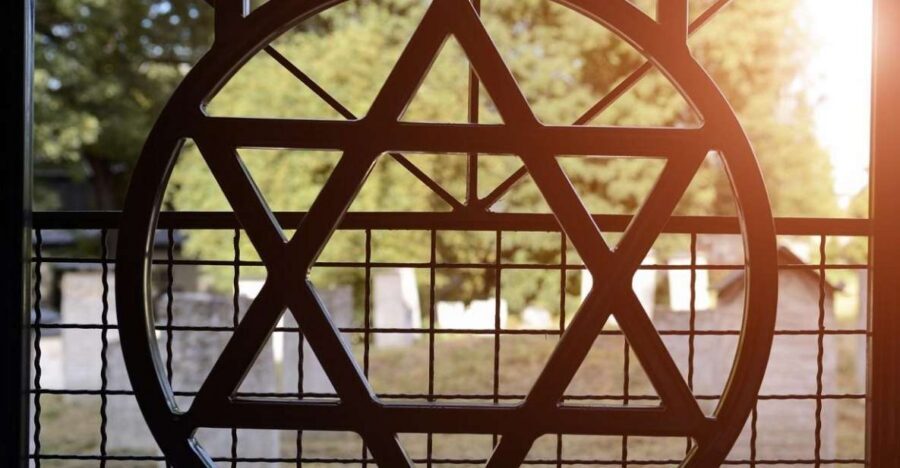
- Moranów ghetto area: see the remains of ghetto walls and the tight urban footprint where life was forced into a closed zone
- Nożyk Synagogue: the tour points out the only surviving prewar synagogue in Warsaw
- WWII story with clear framing: creation of the ghetto, the Nazi Final Solution plan, and the Ghetto Uprising of 1943
- Jewish Cemetery with entrance included: learn about spiritual and cultural leaders plus nameless victims
- Small group size (up to 15): more space for questions and a calmer pace than larger crowds
Why Warsaw’s ghetto walk matters more than you expect
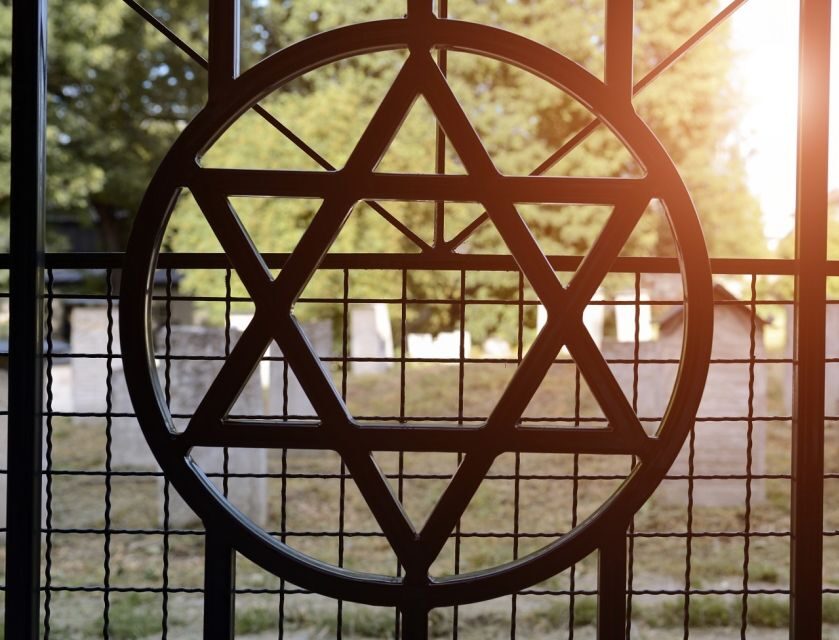
You come to Warsaw for big sights—palaces, old streets, museums. But the ghetto story is different. It’s not a distant chapter; it’s tied to the exact streets and buildings where people were crushed into a few square kilometers.
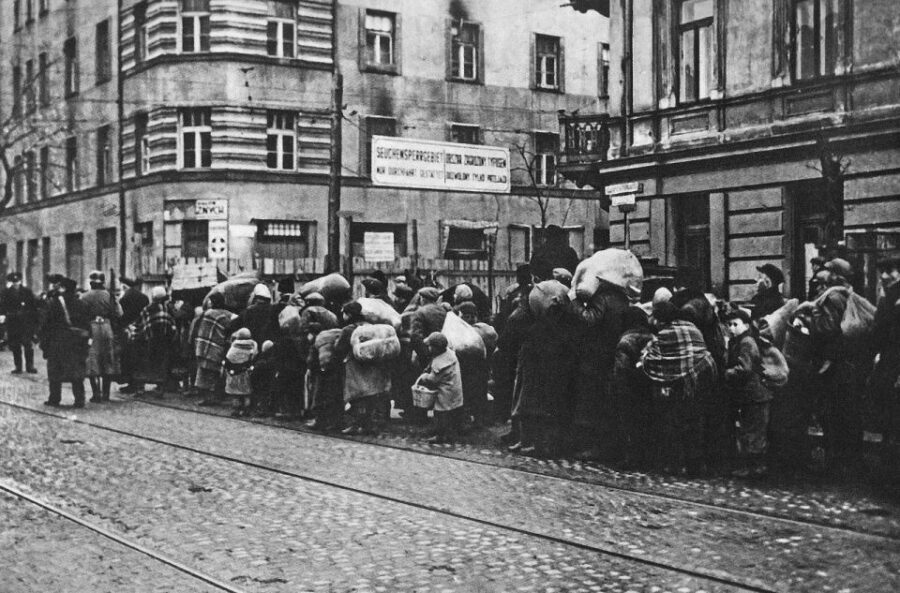
This tour is built around that idea: you walk through Moranów, which was the location of the largest Jewish ghetto in Europe during World War II. Your guide explains what the area represented—how overcrowding and starvation killed tens of thousands inside the ghetto, and how the rest were sent to extermination at nearby Treblinka.
If you want a “why this place exists” experience, this is it. It turns geography into understanding.
Other POLIN and Jewish heritage tours in Warsaw



The flow of a 3-hour tour: meeting point to final stop
You meet the guide in front of the InterContinental Hotel (Emilii Plater 49, 00-125 Warsaw). Important: don’t go inside the hotel—this is just the meeting landmark.
From there, the tour moves as a single guided walk, paced for a small group. With a 3-hour duration, you won’t have time to wander on your own—so I recommend bringing your questions to the guide, not saving them for later.
A helpful detail: it’s designed to run in English, and it’s wheelchair accessible. You’ll also get entrance tickets to the Jewish Cemetery included, and the tour includes skipping the ticket line, so you spend less time waiting and more time learning.
Walking Moranów: ghetto walls, old houses, and the scale of confinement
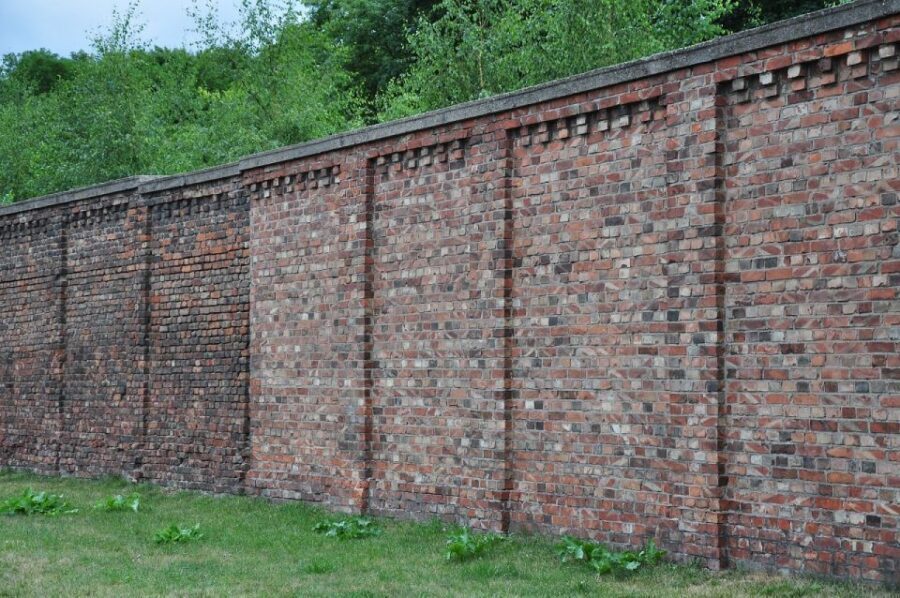
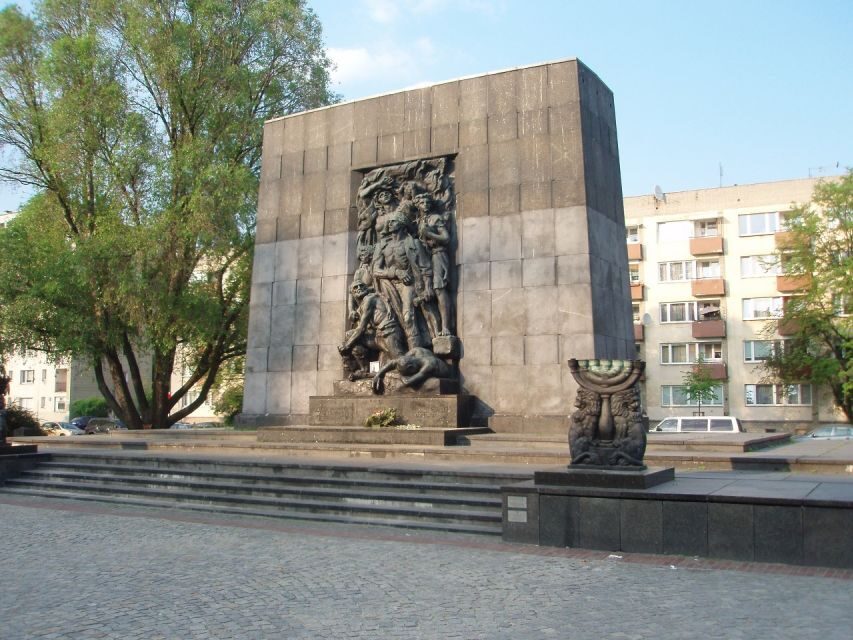
The heart of the tour is the walk through the former ghetto zone in the Moranów district. You’ll see the remains of the ghetto walls and older neighborhood structures that help you picture daily life under confinement.
Your guide frames the numbers so they don’t float in the abstract. The ghetto covered just four square kilometers, holding over 400,000 Jews from Warsaw. That makes the story feel immediate: think about crowding, noise, disease, and fear, all packed into a space designed to break people.
You’ll also hear the grim outcome of that system. The tour notes that 100,000 people died in the ghetto from exhaustion, hunger, and disease, and that more than 300,000 were killed at Treblinka. It’s heavy material, but it’s also the factual foundation the rest of the tour depends on.
One practical tip: wear shoes that handle city walking. This is a street-and-sidewalk experience, and the emotional weight can make you forget how long you’re on your feet.
Nożyk Synagogue: the prewar survivor you don’t want to miss
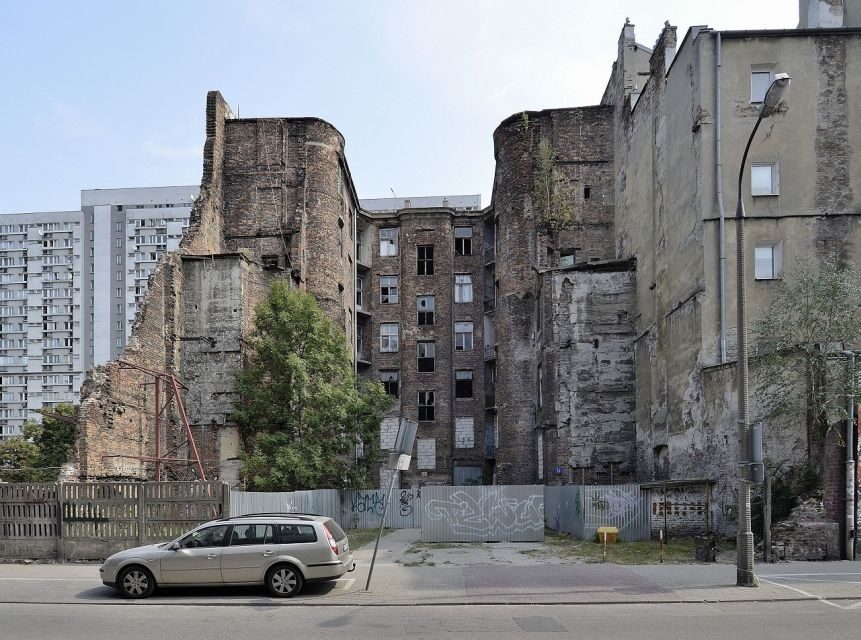
At one point, you’ll walk past and discuss Nożyk Synagogue, which is described as the only surviving prewar synagogue in Warsaw. That matters because it’s a physical link to the world that existed before the ghetto era.
Your guide uses the stop to help you see continuity. Even with everything destroyed or displaced, this building stands as evidence of a Jewish community that had been here long before the Nazi occupation tightened the grip.
You might find yourself thinking about time in a different way. It’s easy to picture the war as a single “then and now.” Stops like this remind you there was a real before, not just a blank page.
How your guide connects WWII policy to what you see on the street
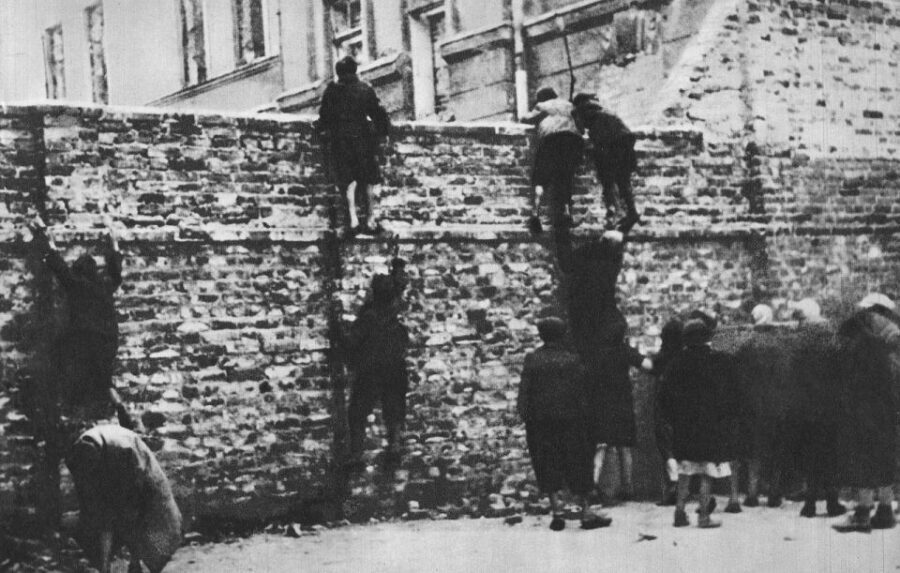
A major reason this tour works is how the guide translates policy into place. You don’t just hear dates—you connect them to the story unfolding in front of you.
Expect explanations of:
- the creation of the ghetto
- the Nazi Final Solution plan (as your guide frames it)
- the Warsaw Ghetto Uprising of 1943 and the people behind the resistance
This isn’t presented like a textbook list. The goal is to help you understand the logic of what happened: how a trapped population was controlled, how mass murder was planned, and how some people resisted even when the odds were impossible.
And yes, the guide’s delivery changes the tone. In the available feedback, guides like Anna and Ewa are singled out for strong knowledge and a personable approach, with guides adding storytelling details beyond the timeline. I take that as a signal that you’re not walking with a robot—you’re walking with a human who can make the history intelligible.
Other Warsaw Ghetto tours



The Jewish Cemetery visit, plus the Saturday switch to All Saints Church
The final stop is the Jewish Cemetery, where you’ll hear stories connected to Polish-Jewish spiritual leaders, political activists, honored creators of Jewish culture, and the thousands of nameless victims of the ghetto.
This stop adds something the street walk can’t. Streets explain confinement. A cemetery explains what was lost—and how memory is carried through generations.
Here’s the key scheduling detail: the Jewish Cemetery is closed on Saturdays. On Saturdays, the tour visits All Saints Church instead, which is closely related to Jewish history. You’ll still get a historical lesson, just in a different setting.
If you’re choosing your travel dates, that’s worth planning around. If cemetery access matters to you most, aim for a weekday tour so the planned stop is possible.
Small group size: what “up to 15” really changes
With a group size of up to 15, this tour tends to feel more like a guided conversation with direction than a rushed line. You’re less likely to get swept along without a chance to ask, and your guide can adjust the pacing when something sparks questions.
One review example mentioned a surprisingly small group—just two people—which made the atmosphere relaxed. That’s not guaranteed, but it matches what this format usually offers: you get real attention.
In my view, that matters most for history like this. When the material is difficult, a guide needs to be able to pause, explain again, or help you process what you’re seeing.
Price and value: is $131 fair for 3 hours?
At $131 per person for a 3-hour small group tour, the price isn’t low. But it’s not just you paying for walking and talking either.
Included in the experience:
- a licensed guide fluent in English
- small group size (up to 15)
- entrance tickets to the Jewish Cemetery
- skip the ticket line
- the full WWII ghetto and Holocaust-focused narrative
So you’re paying for interpretation and access. The cemetery ticket and skip-the-line component reduce friction, and the guide time is the real value: history facts are everywhere, but turning them into a route you can understand is the tricky part.
If you’re trying to squeeze ghetto sites into a quick self-guided visit, you’ll likely spend extra time figuring out what you’re looking at. A guided route helps you see the connections fast, which is what you’re buying here.
Who should book this Warsaw ghetto tour?
This is a strong fit if you:
- want a structured narrative of the ghetto and the uprising, not a list of stops
- care about seeing specific surviving landmarks like Nożyk Synagogue
- prefer small groups and English-guided explanations
- are comfortable with serious Holocaust-era subject matter
It may be less suitable if you’re looking for a lighter “historic highlights” tour. This is the real weight of WWII, and the emotional tone stays serious from the first walking segment to the cemetery.
Also, it’s a good choice for first-time Warsaw visitors who want one guided dose of truth before moving on to the easier-to-tolerate parts of the city.
Should you book it? My practical take
Yes—book it if you want a guided, place-based understanding of the Warsaw Jewish Ghetto and the story around the Moranów area. The combination of the ghetto remains, Nożyk Synagogue, and the cemetery stop (when open) makes it more meaningful than picking individual sites.
But choose your day thoughtfully. If you specifically want the Jewish Cemetery, plan for a day when it’s open. And if you’re emotionally sensitive on heavy history, go in knowing this tour is designed to teach through difficult facts, not to soften them.
If you can handle that, you’ll leave with a clearer picture of how policy became confinement—and how memory survives in buildings, streets, and names.
FAQ
Where do I meet the guide?
Meet your guide in front of the InterContinental Hotel at Emilii Plater 49, 00-125 Warsaw. Do not enter the hotel; it’s just a meeting point.
How long is the tour?
The tour lasts about 3 hours.
Is it a small group?
Yes. The group size is limited to up to 15 participants.
What language is the tour in?
This tour is available in English.
Does the tour include Jewish Cemetery entry?
Yes. Entrance tickets to the Jewish Cemetery are included.
Is the ticket line skipped?
Yes. The tour includes skipping the ticket line.
What happens if I visit on Saturday?
The Jewish Cemetery is closed on Saturdays. In that case, the tour visits All Saints Church instead.
Is the tour wheelchair accessible?
Yes, it is wheelchair accessible.
What’s the cancellation and booking flexibility?
You can cancel up to 24 hours in advance for a full refund, and you can reserve now and pay later to keep your plans flexible.