REVIEW · WARSAW
Warsaw: 4-Hour Polish Food Tour
Book on GetYourGuide →Operated by Eat Polska · Bookable on GetYourGuide
Polish food tours can turn into dumpling-only weekends, but this one runs like a real traditional dinner, step by step, with stories you can use in everyday Warsaw life. I especially like how it names and explains dishes you’ll see all over Poland, like pierogi, gołąbki, and schabowy, so you can order with confidence afterward. I also like the cheese stop, because Polish cheese isn’t an afterthought here; it’s part of the show. One thing to watch: the food is largely pork-based, so if you’re vegetarian (or picky about pork), you’ll likely struggle to find enough matches.
The pace is built for eating a lot without feeling totally trapped. You’ll hit 4–6 carefully chosen places and rack up about 10 tasting plates, plus dessert, while you walk between stops. Just plan on being full. If you go in hungry, great. If you go in after lunch, you may miss your chance to taste everything.
In This Review
- Key things to know before you go
- This is more than pierogi and you’ll learn the names
- Cheese tastings are a real stop, not a bonus
- Expect a full meal’s worth of food
- You get 3 drink pairings if you choose that option
- The guide brings culture with the food
- Where to meet: Charles de Gaulle roundabout and the wounded-soldier monument
- A full Polish dinner in 4 hours (without feeling rushed)
- Stop by stop: pierogi, gołąbki, schabowy, cheese, and the bridge-linked dessert
- Pierogi: the entry point, explained
- Gołąbki: cabbage rolls with real staying power
- Schabowy: the pork cutlet and the Polish approach
- Polish cheese tastings: where flavor gets taught
- Dessert with a bridge story: the sweet ending you’ll explain later
- Warsaw food culture you can use: bread snobbery, 1970s nostalgia, and coffee invites
- Pacing and walking: comfy shoes are not optional
- Price and value: is $115 worth it?
- Who should book this Warsaw food tour (and who should skip)
- Great fit
- You should think twice
- Families and minors
- Should you book Warsaw: 4-Hour Polish Food Tour?
- FAQ
- What is the duration of the Warsaw Polish food tour?
- How much does the tour cost?
- Where do I meet the guide?
- How many places will we visit and how much food will we get?
- Are drinks included?
- Is the tour suitable for vegetarians?
- Can the tour accommodate food allergies?
- Is hotel pickup included?
- What’s the cancellation policy?
Key things to know before you go
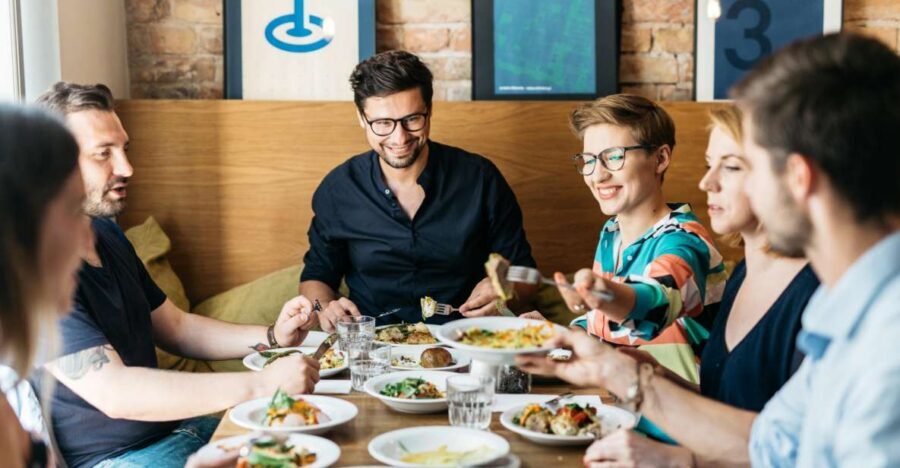
This is more than pierogi and you’ll learn the names
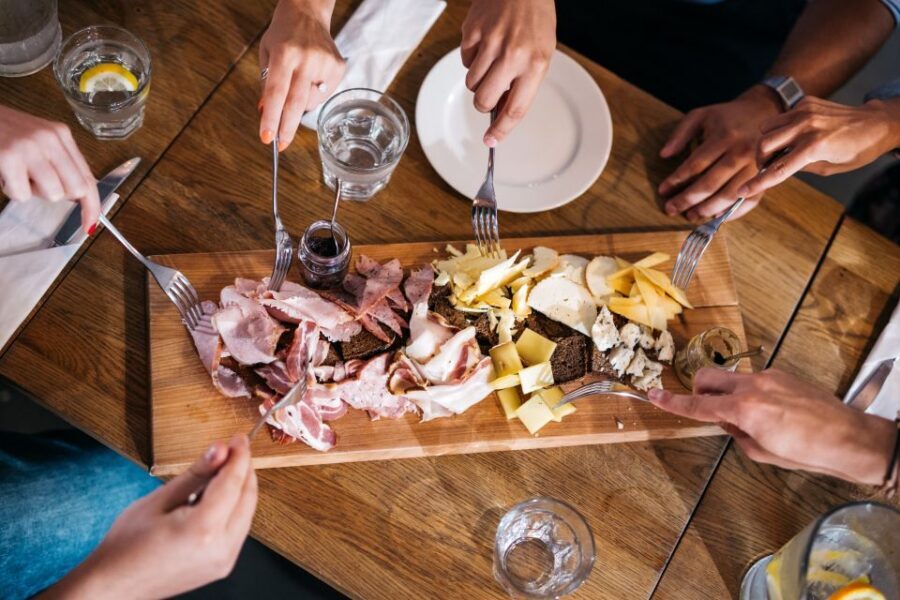
Dumplings are a starting point, not the whole tour. You’ll also get the meanings behind gołąbki and schabowy, plus a look at what a typical Polish dinner actually looks like.
Other Polish food tours in Warsaw

Cheese tastings are a real stop, not a bonus
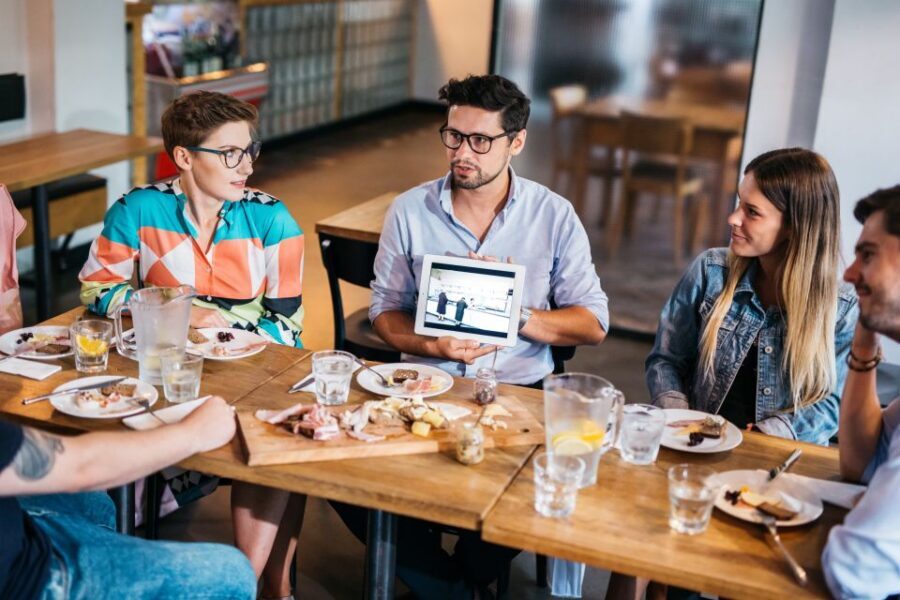
The tour includes a variety of Polish cheeses, which helps you understand how Polish flavors build from salty, creamy, and tangy notes.
Expect a full meal’s worth of food
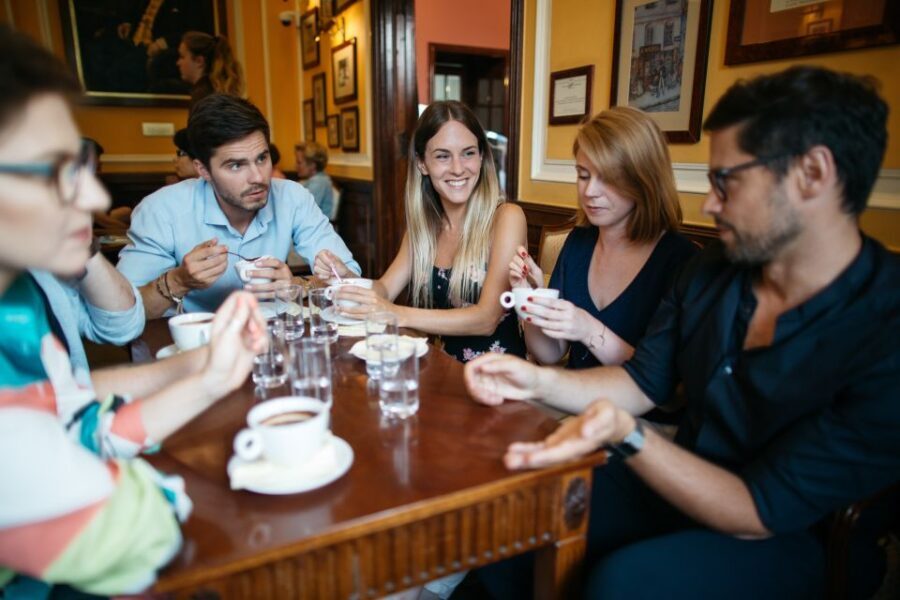
You’ll receive about 10 tasting plates (starters, appetizers, soups, main courses, dessert). It’s worth showing up with a simple morning meal and skipping lunch.
You get 3 drink pairings if you choose that option
There’s a pairing option with 3 Polish drinks, and there’s also a non-alcoholic alternative so minors can join.
The guide brings culture with the food
You’ll hear why Polish hosts serve so much food it could flatten a table, plus why people complain about bread quality and why a “cup of coffee” invite can mean something else.
Other food & drink experiences in Warsaw


Where to meet: Charles de Gaulle roundabout and the wounded-soldier monument
You’ll start at 1:00 PM at the Charles de Gaulle roundabout, the one with a big palm tree in the middle. Your guide stands by the monument of a woman holding a wounded soldier on her lap, in the corner near the green square just off the roundabout. It’s near Nowy Świat, Smolna, and Al. Jerozolimskie, so you can orient yourself quickly once you’re there.
This matters because food tours live or die by timing. Arrive 10 minutes early and you’ll avoid the stress of guessing where your group is forming. With a small group limited to 8 participants, you want to start together.
A full Polish dinner in 4 hours (without feeling rushed)
This tour is designed to do one smart thing: make you understand Polish eating as a sequence, not a checklist. The guide explains what a traditional Polish dinner consists of, then translates that into actual tastings at multiple places, from starters and soups to mains and dessert.
You get roughly 10 tasting plates, which is why the tour keeps pushing the same advice: eat lightly beforehand. The “Polish hosts will serve enough food for the table to collapse” joke is funny, but it’s also practical. The portions aren’t tiny “sample-size” nibbles; they’re sized so you can taste the real thing and keep moving through the meal.
There’s also a cultural layer that makes the food easier to remember. You’ll hear about why Poles can be picky about bread, and why sometimes they mention longing for food from the 1970s. That might sound like random nostalgia, but it helps you understand how people talk about quality, production, and memory. You’ll also learn why an invitation for a “cup of coffee” isn’t always what it sounds like—useful if you’re trying to read social situations while you’re in Poland.
And yes, dessert is part of the deal. You’ll finish with a traditional Warsaw dessert connected to a bridge. That bridge connection gives you a story anchor, so the sweet taste isn’t the last thing you forget.
Stop by stop: pierogi, gołąbki, schabowy, cheese, and the bridge-linked dessert
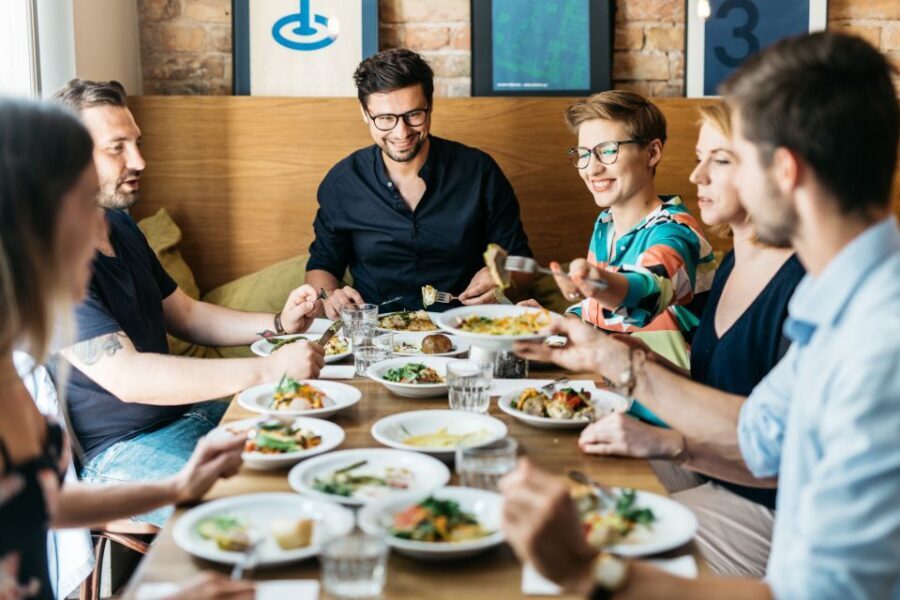
You won’t just get one classic. You’ll work through several pillars of Polish comfort food in a way that shows how varied the country can be.
Pierogi: the entry point, explained
Pierogi are the headline dish for a reason: they’re easy to recognize, but hard to fully appreciate without context. On this tour, you learn what they are beyond the English description. You’ll understand the dumpling’s role in Polish meals and why they show up in both everyday and special settings. That turns them from “I’ve had dumplings before” into “I know what I’m tasting and why it matters.”
Gołąbki: cabbage rolls with real staying power
Then you’ll move into gołąbki, cabbage rolls that bring a different texture and flavor profile. Cabbage gives them a softer, slower-cooked feel, and the filling adds depth that doesn’t rely only on starch. This stop is where the tour starts to feel like a full meal rather than a snack crawl.
If you’re the kind of eater who likes food that comforts you, this is the one that can quietly become your favorite. It’s not flashy; it’s satisfying.
Schabowy: the pork cutlet and the Polish approach
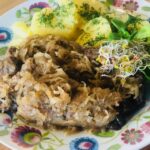
Next comes schabowy, a pork cutlet that’s easy to recognize as “breaded meat,” but the Polish version isn’t identical to what you might see elsewhere. You get the meaning behind the dish name and what makes it part of a traditional plate.
One review note flags that a schnitzel-type dish can feel familiar, and that’s fair. If you’ve eaten breaded cutlets in a dozen countries, your brain may go on autopilot. The tour’s value here is the explanation and the way it fits into the meal flow you’re learning, not the novelty of the concept.
Polish cheese tastings: where flavor gets taught
Between the warm, hearty mains, you’ll also try a variety of Polish cheeses. This is a smart inclusion because cheese tasting forces you to slow down. You start noticing differences: salty versus creamy, mild versus sharp, and how different cheeses work with breads and other foods.
For me, this is the most “you’ll remember it later” part. When you’re back in a restaurant in Warsaw, you’ll have a reference point for what Polish cheeses taste like and what you might want to order.
Dessert with a bridge story: the sweet ending you’ll explain later
The tour ends with a traditional Warsaw dessert connected to a bridge. You might not want to bet your appetite on guessing what kind of dessert that is, but the bridge link is memorable. It’s the kind of story that sticks, and it gives you something to ask about if you want to keep the conversation going with locals after the tour.
Warsaw food culture you can use: bread snobbery, 1970s nostalgia, and coffee invites
This tour does more than feed you. It gives you social context and small cultural cues so you don’t feel lost when you hear everyday comments in Polish.
A big thread is how people talk about bread quality. You’ll get the idea that bread isn’t just a side—it’s part of how people judge everyday life, production, and taste. If you’ve ever wondered why bread can become a topic in casual conversation, this tour helps you understand that instinct.
You’ll also hear why people sometimes long for food produced in the 1970s. That could sound like “the good old days” talk, but it’s really about ingredients, methods, and what families associate with home. The guide turns it into a lens, so you stop treating food history as a museum topic and start seeing it as something living in how people talk.
And then there’s the “cup of coffee” lesson. In Poland, invitations can carry expectations beyond the drink itself. Once you know that, you’ll interpret conversations with more accuracy, and you’ll feel less thrown off if someone offers “just coffee” and it becomes more like a full sit-down moment.
Pacing and walking: comfy shoes are not optional
This is a 4-hour tour with enough walking to work off some calories, but not so much that it turns into a city hike. The tour encourages you to wear comfortable shoes, which tells you the walking isn’t symbolic. You’ll move between a handful of stops, and with small groups, the timing usually stays smooth.
The ideal strategy is simple:
- Eat a normal breakfast.
- Skip lunch so dinner and dessert still feel like pleasure, not a chore.
If you come in overly full, you’ll still get the educational part, but you’ll miss the best part: tasting everything the tour has built into the route.
Also note the practical side of group dynamics. The guide may refuse or ask someone to leave if they’re behaving in a way that makes it hard to continue. It’s not about rules for rules’ sake; it’s because food tours depend on steady pacing and a calm group.
Price and value: is $115 worth it?
At $115 per person for a 4-hour tour, you’re paying for three things you don’t get from a generic “food crawl.”
First, you get about 10 tasting plates spanning multiple stages of a meal: starters, appetizers, soup, main courses, and dessert. That’s closer to a tasting menu structure than a few bites at random.
Second, you get a bilingual guide plus a written summary with tips on recommended places. That matters because it turns your tour into a future planning tool, not just an afternoon of eating.
Third, you can include 3 Polish drink pairings (with a non-alcoholic option available too). Drink pairing is often the hidden value in food tours, because it teaches you how locals think about flavors and timing.
Finally, the group size is capped at 8, which tends to reduce waiting and confusion. You’re more likely to get the guide’s attention and ask follow-up questions about what you’re tasting.
So, is it a good deal? For most people who eat well and want guided context, yes. You’re not just buying food; you’re buying a guided understanding of Polish dishes, plus a route that’s designed to feed you properly.
Who should book this Warsaw food tour (and who should skip)
I think this tour is best if you want Polish food with real context and you’re ready for a full meal.
Great fit
- You love food that’s comforting and hearty.
- You want to learn the names and roles of pierogi, gołąbki, and schabowy so ordering becomes easy.
- You’re excited about tasting multiple Polish cheeses and finishing with a Warsaw dessert that has a story attached.
You should think twice
- If you’re vegetarian: the tour is based on pork, and many dishes won’t be suitable. You might still enjoy parts, but you should expect limits.
- If you have allergies: the menu can be adjusted if you alert the guide. But you should plan to communicate clearly ahead of time so the right substitutions can be arranged.
- If you’re someone who snacks more than eats: the pacing is built for an appetite. If you under-eat before the tour, you’ll get the chance to try everything. If you over-eat, you may not.
Families and minors
There’s a non-alcoholic option available, so minors can join with an appropriate pairing choice.
Should you book Warsaw: 4-Hour Polish Food Tour?
Book it if you want a practical way to understand Polish eating fast. You’ll leave with a set of dishes you can name, cheeses you can recognize, and a couple of Warsaw cultural cues you can actually use when you talk to people.
Skip it if you’re strictly vegetarian or if you already know you can’t handle heavy meal pacing. This tour is designed to make one afternoon feel like dinner plus dessert, and it does that on purpose.
If you do book, come hungry, wear comfortable shoes, and go in ready to ask questions. The food is the headline, but the real payoff is how the guide connects each bite to the way Warsaw people think about dinner, bread, and hospitality.
FAQ
What is the duration of the Warsaw Polish food tour?
It lasts 4 hours.
How much does the tour cost?
It costs $115 per person.
Where do I meet the guide?
Meet at 1:00 PM at the Charles de Gaulle roundabout. Your guide will be next to the monument of a woman holding a wounded soldier on her lap, in the green square off the roundabout.
How many places will we visit and how much food will we get?
You’ll go to 4–6 carefully selected establishments and try approximately 10 tasting plates, including items across starters, appetizers, soups, main courses, and dessert.
Are drinks included?
A pairing option includes 3 Polish drink pairings. Water is available in most venues, and there is a non-alcoholic option so minors can join.
Is the tour suitable for vegetarians?
Polish cuisine in general is based on pork, and many dishes served during the tour won’t be suitable for vegetarians.
Can the tour accommodate food allergies?
Yes. You should advise of any food allergies so the menu can be adjusted.
Is hotel pickup included?
No. Hotel pickup and drop-off are not included.
What’s the cancellation policy?
You can cancel up to 24 hours in advance for a full refund.