REVIEW · WARSAW
Warsaw: Behind the Scenes City Tour with Hotel Pickup
Book on GetYourGuide →Operated by Warsaw Behind the Scenes · Bookable on GetYourGuide
Warsaw has a way of keeping secrets. This small-group tour uses a Żuk minibus to show you Warsaw’s dramatic chapters beyond the usual stops. I especially like the behind-the-scenes route through places tied to the Jewish Ghetto, uprisings, and Muranów, plus the guide-led context that makes the city’s building styles feel meaningful. One possible drawback: the vintage minibuses aren’t air-conditioned, and some historic vehicles may not have seat belts, so you’ll want comfortable clothes and good walking shoes.
Two other things I found genuinely useful: you get a big-picture history reset at the start, then you see how that history changes what you notice on the street—block by block, era by era. And because each minibus holds up to 8 passengers, the vibe stays friendly and conversational instead of crowded and rushed.
If you hate any walking (there are short stretches at each stop), or you’re sensitive to cold weather, plan for that. The tour’s also not a fit for wheelchair users, and luggage is limited.
In This Review
- Key highlights that make this tour different
- Why a Żuk Minibus makes Warsaw’s past feel real
- Hotel pickup and the 8-person small-group setup
- From pre-war streets to WWII devastation: what you’ll trace
- Jewish Ghetto remnants, the uprisings, and Muranów’s reconstruction
- Crossing the Vistula to Praga: the side of Warsaw that endured
- How communism-era planning shaped what you see today
- Price and value: is $129 worth it for 3 hours?
- Comfort notes: heating, no A/C, and limited luggage
- Who should book this Warsaw behind-the-scenes tour
- Should you book this tour?
- FAQ
- How long is the tour?
- Is hotel pickup included, and where does it start?
- What vehicle do you ride in?
- How many people are in each minibus?
- Is the tour wheelchair accessible?
- Are pets and large bags allowed?
- Is there air conditioning in the minibuses?
- Can children join, and do they need a booster seat?
Key highlights that make this tour different
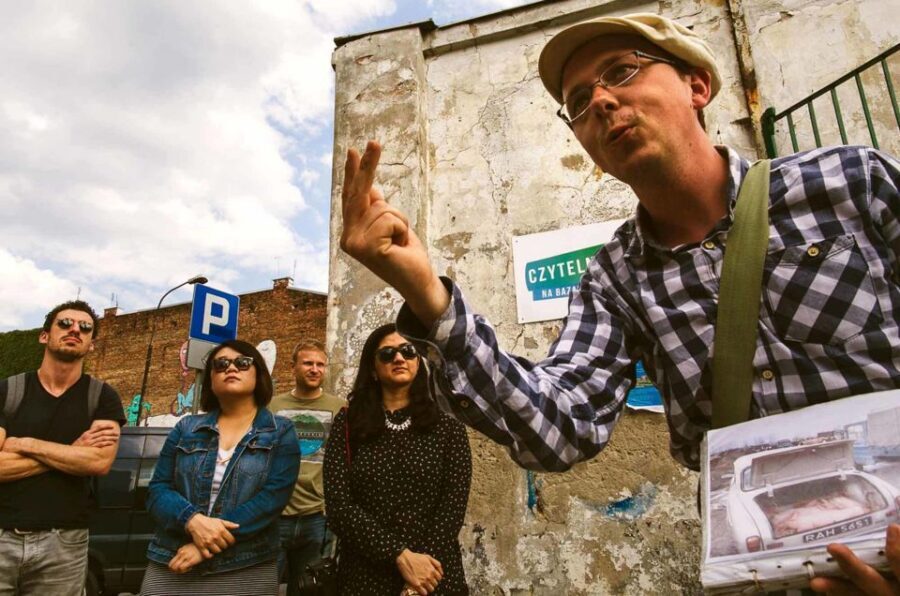
- The retro Żuk minibus: unmistakable communist-era transport, with heat for winter but no A/C
- Districts most people miss: you cross the Vistula into Praga, plus areas tied to wartime and post-war life
- Real historical layering: pre-war atmosphere, WWII destruction, communism, and the after-1989 rebuild
- Tight group size: up to 8 per vehicle, so you can ask questions and follow the story
- Stops built for context: you don’t just see sites; you learn what planners and residents were trying to do
Why a Żuk Minibus makes Warsaw’s past feel real
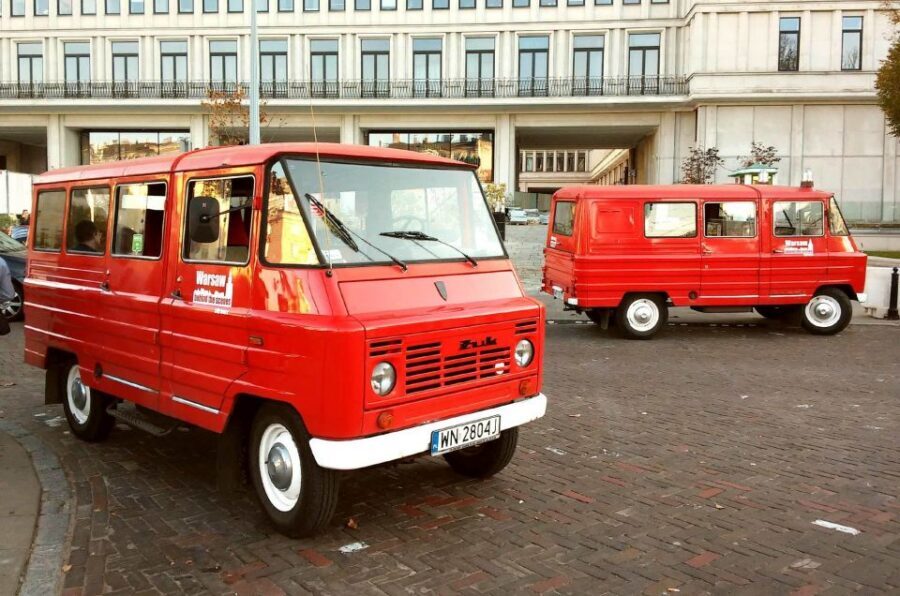
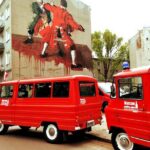
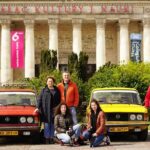
There’s something about riding in a classic Żuk minibus that changes your mood fast. It’s not modern and polite. It rattles a bit, it feels period-accurate, and that alone helps you get the communist-era topic without someone giving you a PowerPoint.
But it’s not just for fun. The vehicle becomes a moving classroom. As you travel between districts, you’re watching the city’s physical scars and repairs—then your guide gives you the what/why behind them. That matters in Warsaw, because so much of the city reads like a timeline. One block can feel pre-war; another block looks like post-war planning made with Soviet assumptions; another feels like the city got a second chance after 1989.
I also liked the way the tour frames history as lived experience, not just dates. You learn how major events shaped everyday life and even street layouts, so when you spot a building type or a street pattern, you know what you’re looking at.
Other Warsaw tours with hotel pickup
Hotel pickup and the 8-person small-group setup
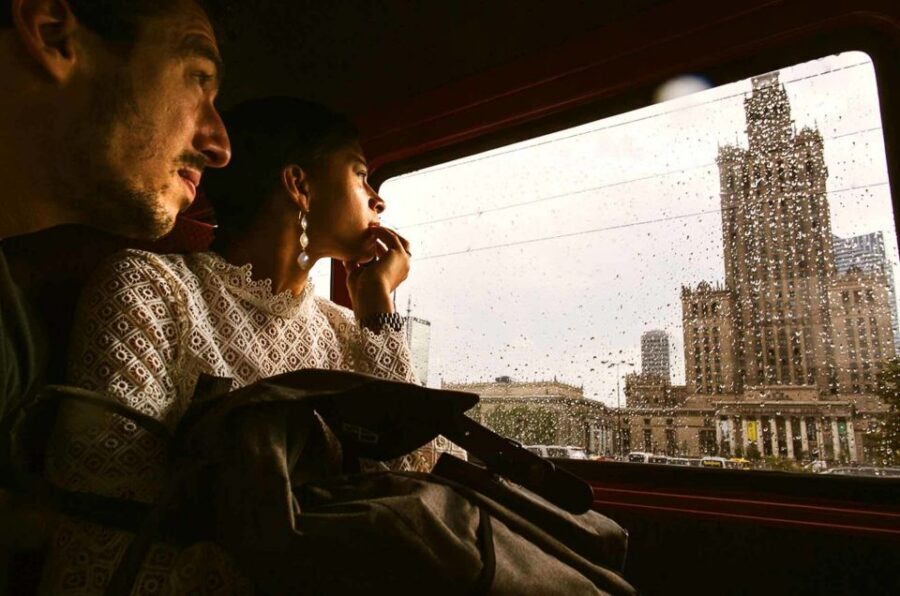
The tour includes pickup and drop-off from your accommodation, but only if it’s within 1 kilometer of the city center. That’s a smart detail: it helps you meet quickly and keeps the tour focused on time in the city rather than bouncing around for transfers.
Each minibus can take up to 8 passengers, and there’s a fleet of 5 minibuses. Practically, that means you’re unlikely to feel lost in a crowd. In the past, guides have been friendly and able to tailor explanations when people had individual questions. You’ll also have an English-speaking guide.
One note: the minibuses are used mainly for transfers between stops, so there are walking segments throughout. Wear shoes you’d wear for a normal city walk, not “I’ll stand on this for 10 minutes” shoes.
From pre-war streets to WWII devastation: what you’ll trace
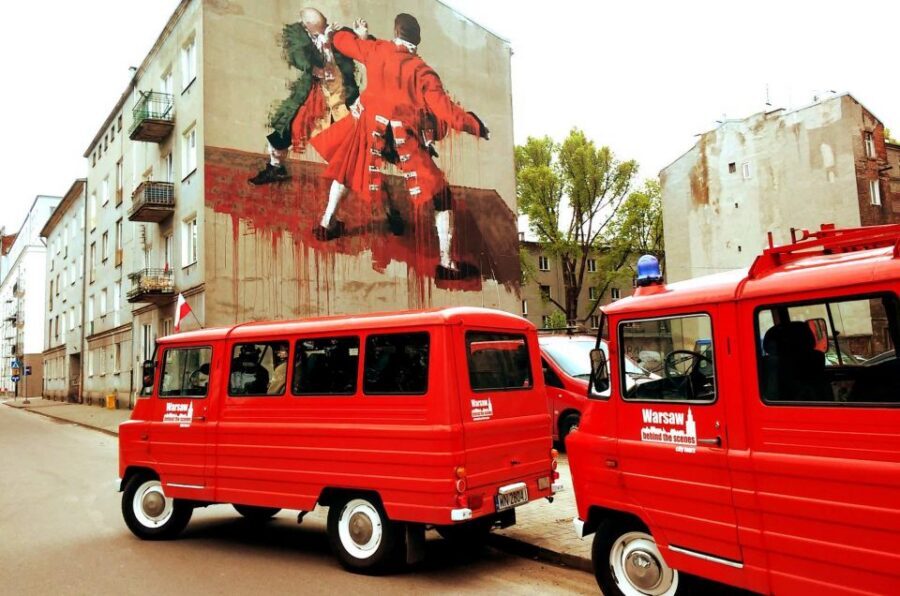
The tour begins with an overview of Warsaw’s history to set the scene. That step is more important than it sounds. Warsaw can feel confusing at first because it’s full of layers—some visible in architecture, some visible in the way whole neighborhoods were reshaped. With that background, the rest of the tour clicks into place.
From there, you move into parts of the city connected to the worst of the 20th century: the devastation of World War II and what came after. You’ll also hear about Warsaw’s pre-war atmosphere and the later communist period, then how the city transformed after 1989.
As a practical strategy, I suggest you treat the first half of the tour like a “history map.” Pay attention to what your guide emphasizes: specific building patterns, neighborhood choices, and the reasons the city looks the way it does today. That’s what turns these stops into more than scenic photo stops.
Jewish Ghetto remnants, the uprisings, and Muranów’s reconstruction
One of the strongest parts of this tour is how it connects physical places to specific events. You’ll investigate remnants of the Jewish Ghetto, along with sites tied to both uprisings. These aren’t just “marker stops.” The story helps you understand why certain areas mattered and why memory is built into the city in very real ways.
Then you head to Muranów, a key area for post-war reconstruction. Even if you’ve read about Warsaw’s recovery, seeing the neighborhood through the lens of planning decisions changes how you perceive it. Reconstruction wasn’t simply rebuilding what existed. It was building a new order out of ruins—politically, socially, and spatially.
If you’re sensitive to heavy topics, go at your own pace. This tour covers major trauma in a respectful, explanatory way, and you’ll likely spend some time absorbing details on foot. It’s not a “happy stroll,” but it is a clear, guided way to understand what happened and how it shaped the city.
Crossing the Vistula to Praga: the side of Warsaw that endured
After the earlier wartime and reconstruction stories, you cross the Vistula River to Praga. This is one of those details that feels small on paper but huge in reality. The Praga district survived the war almost untouched, and that shows in the atmosphere.
Praga has an older feel—more like “original Warsaw street texture” than a carefully reconstructed look. You’ll get a sense of how it went from one of the rougher neighborhoods to a creative hub. Expect murals, workshops, and original architecture that still gives you a strong sense of place.
This is also where the tour’s “behind the scenes” promise really lands. Most first-time visitors spend most of their energy on areas they already know from postcards. Praga helps you experience the city as a working, evolving place—still connected to its past, but not stuck in it.
Other city tours we've reviewed in Warsaw



How communism-era planning shaped what you see today
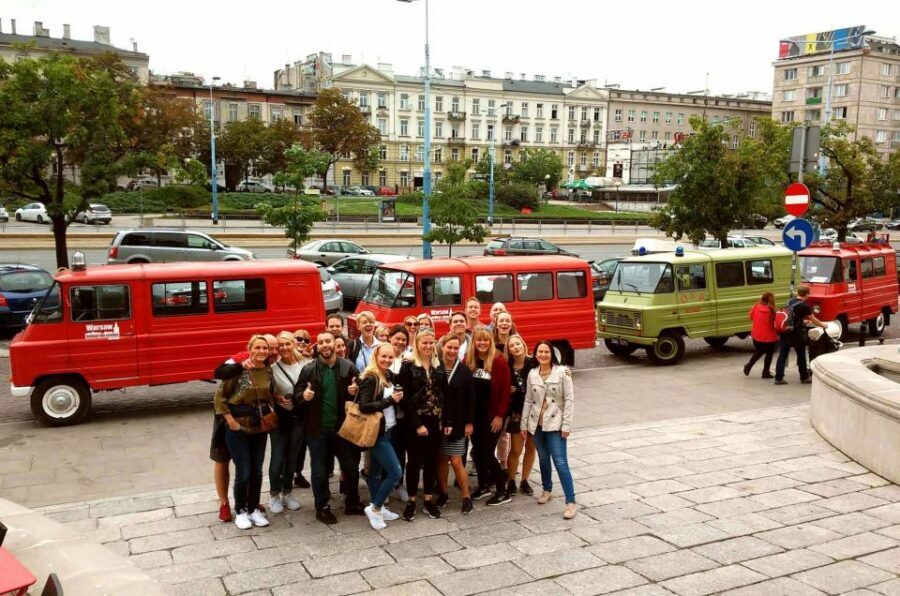
Warsaw’s post-war rebuilding wasn’t neutral. Your guide explains how planners attempted to reshape the city from ruins under Soviet ideology, and you’ll see how those decisions still affect the streetscape.
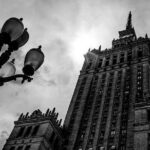
This is where the tour stops feeling like a set of monuments and starts feeling like an urban lesson. You begin to notice things like the logic of wider avenues versus older street grids, the way neighborhoods were reorganized, and how political goals can show up in the built environment.
Then the tour bridges to modern Warsaw. The city today is described as a European capital characterized by growth, innovation, and cultural revival. The best part is you don’t hear that as a slogan. You hear it after you understand what the city went through and what it had to rebuild.
If you enjoy architecture, city planning, and “why a place looks like this,” this section is where you’ll get the most out of the 3 hours.
Price and value: is $129 worth it for 3 hours?
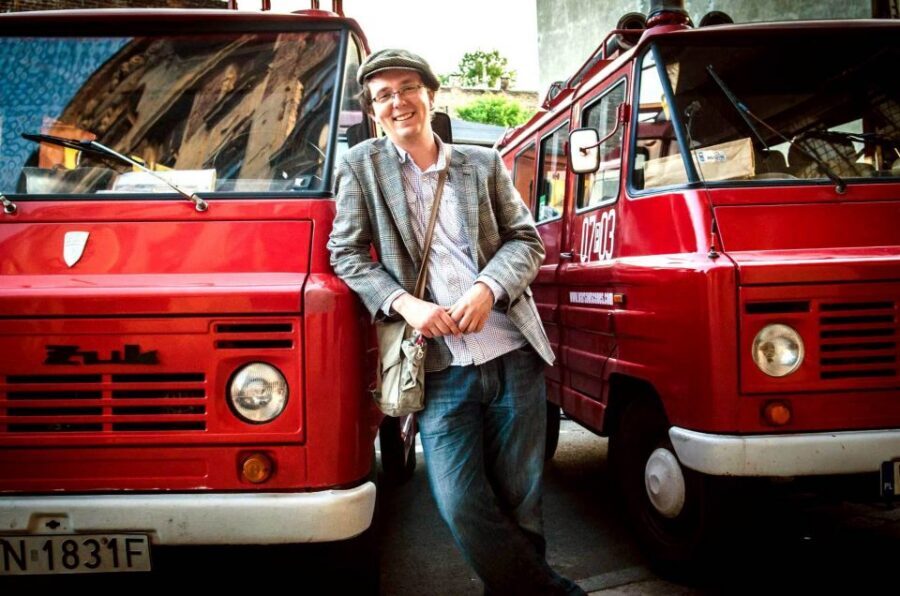
At $129 per person for about 3 hours, this isn’t a bargain-basement walking tour. But it also isn’t overpriced if you look at what’s included.
You’re paying for three value drivers:
- Transport included via the retro Żuk minibus (you aren’t navigating multiple long gaps by yourself)
- A guide who connects layers of history to what you’re seeing on the ground
- A small-group format (up to 8 per vehicle), which makes Q&A realistic
In plain terms: you’re buying time and context. If you only have a short stay and you want an organized route through the city’s most intense chapters, this price starts to feel fair.
If you’re the type who loves slow independent wandering and you already have strong historical background, you might question the cost. But if you want someone to translate the city’s “why” into a walkable story, you’ll likely feel the value.
Comfort notes: heating, no A/C, and limited luggage
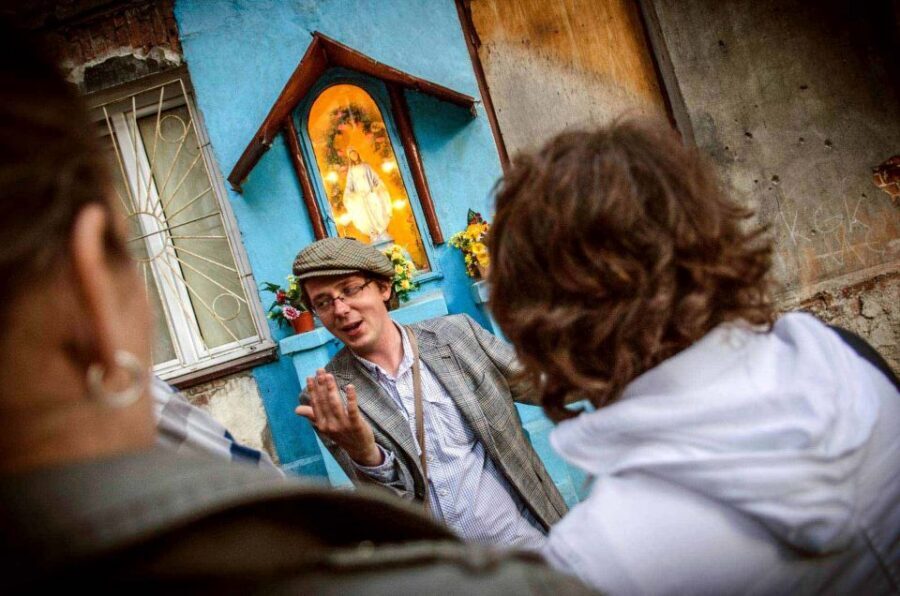
This tour is run in classic vintage minibuses. Key comfort facts:
- No air conditioning
- Heating is available (winter season)
- Some vehicles may not have seat belts, which is permitted for historic vehicles
So dress like it’s a city walk plus a short ride in a vintage car. Bring a layer. And if you’re traveling in hot months, plan on a warmer ride.
Luggage rules are simple: no large bags are allowed, and pets aren’t allowed. If you’re traveling with more than a small day bag, plan to store it before the tour.
Also, the tour isn’t suitable for wheelchair users. If you need mobility accommodations, this one likely won’t work for you.
Who should book this Warsaw behind-the-scenes tour
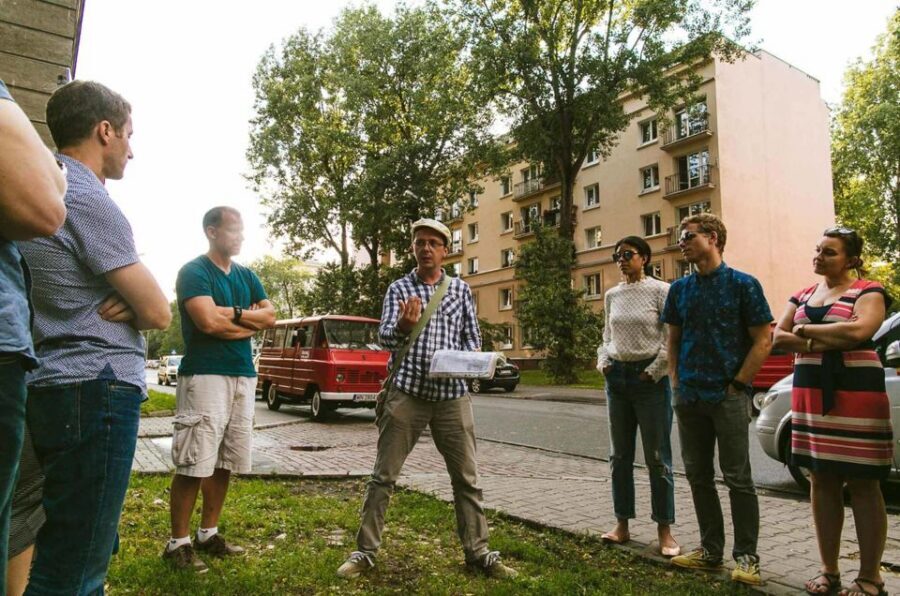
This tour fits best if you:
- Want more than the headline sights and care about what shaped neighborhoods
- Enjoy small-group history with a guide who can answer questions in English
- Like city planning and how political eras leave physical traces behind
It may not be your best match if you:
- Hate walking, even short segments
- Need full wheelchair accessibility
- Are very temperature-sensitive and won’t handle a vehicle without A/C
One more practical point: if you’re hoping for a food stop, some past experiences included a lunch venue arranged by the guide, but lunch isn’t listed in the provided inclusions. If food matters to you, it’s smart to ask ahead of time whether your specific departure includes a lunch stop.
Should you book this tour?
Yes, if your goal is to understand Warsaw fast, accurately, and with context you can feel while walking the streets. I like this tour because it doesn’t treat history like a checklist. It uses the city itself—pre-war traces, WWII scars, communist-era planning, and post-1989 change—to build a story you can actually read in the architecture.
Book it when you want a guided route that goes where most people don’t instinctively wander, especially into Praga. If you want a light day with only cheerful stops, choose something else. But if you want the real Warsaw—its losses, its rebuild, and its ongoing reinvention—this is a strong choice for a 3-hour window.
FAQ
How long is the tour?
The tour duration is 3 hours.
Is hotel pickup included, and where does it start?
Pickup and drop-off are included from your accommodation within 1 kilometer of the city centre.
What vehicle do you ride in?
You ride in a retro Żuk minibus.
How many people are in each minibus?
Each minibus accommodates up to 8 passengers.
Is the tour wheelchair accessible?
No, the tour is not suitable for wheelchair users.
Are pets and large bags allowed?
No pets are allowed, and luggage or large bags are not allowed.
Is there air conditioning in the minibuses?
No. The vintage minibuses are not equipped with air conditioning, but they do have heating for winter.
Can children join, and do they need a booster seat?
The tour can be booked for adults and children over 150 cm. For children under 150 cm, you must contact the operator in advance to check seat boosters availability, as booster seats are mandatory under Polish law.