REVIEW · WARSAW
Warsaw Off The Beaten Path Self-Drive Tour
Book on GetYourGuide →Operated by Warsaw Private Tours WPT1313 · Bookable on GetYourGuide
You do not just look at Warsaw here—you drive it. This self-drive Fiat 126p tour is built for people who have already seen the main landmarks and want streets, architecture, and stories that usually get skipped. You’ll start at the Palace of Culture and Science, get a quick lesson, then roll into neighborhoods with a totally different feel.
What I like most is the way the wooden housing area for Palace-era workers gives you a human scale to a huge Soviet-influenced building. I also love that the route mixes styles and eras, from Old Bielany’s interwar streets to the 19th-century Warsaw Citadel, then ends in bohemian Praga where you can see Warsaw’s grit and charm side-by-side.
One thing to consider: you need a valid driver’s license and you’ll be spending part of the time walking, so it’s not a sit-and-glide tour. If you dislike driving at all, the experience may feel like more effort than fun—even with that 20-minute practice.
In This Review
- Key Takeaways Before You Go
- Getting Oriented at the Palace of Culture and Science
- The Wooden Housing Area: How Workers Lived
- Old Bielany’s Interwar Streets and Gas Lanterns
- Back in Time at the Warsaw Citadel
- Praga: Bohemian Architecture and a Different Warsaw Mood
- The Car Factor: Why the Fiat 126p Changes Everything
- Price and Value: Does $69 Make Sense?
- What to Bring, What to Expect on the Ground
- Who This Tour Fits Best (and Who Should Skip It)
- Real-World Feel From the Feedback
- Should You Book This Warsaw Off The Beaten Path Self-Drive Tour?
- FAQ
- How long is the self-drive tour?
- Where do I meet the guide?
- Do I need a driver’s license?
- Is the tour mostly walking or mostly driving?
- Is the price all-inclusive?
- What is the security deposit and is it refunded?
- Are pets allowed?
- Is the tour wheelchair accessible?
Key Takeaways Before You Go
- 20-minute driving lesson so you are not thrown into traffic cold
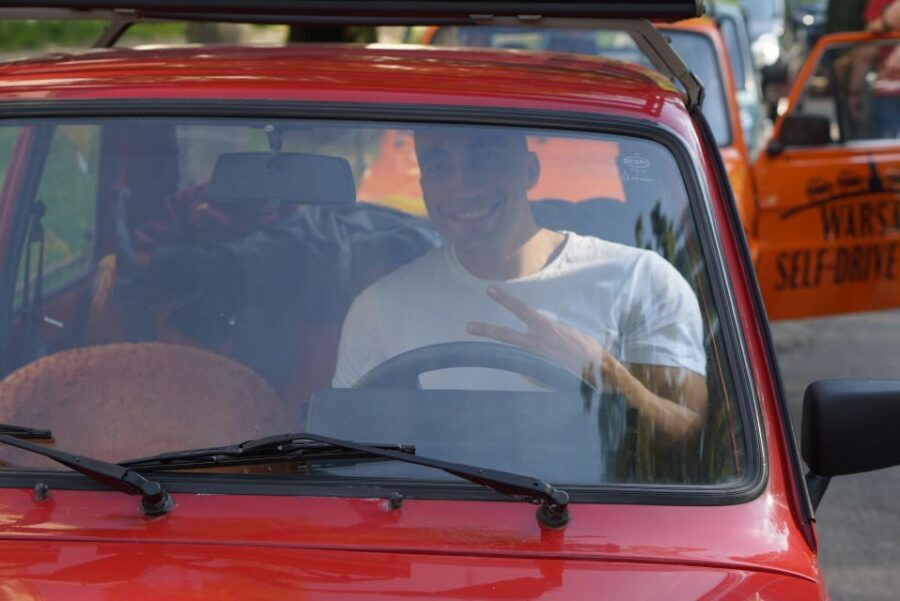
- Fiat 126p a.k.a. the Toddler makes the experience feel like a movie scene, not a bus ride
- Wooden worker housing connected directly to the Palace of Culture and Science
- Old Bielany interwar district with gas lantern streets and modernist-looking buildings
- Warsaw Citadel as a rare fortification stop on typical itineraries
- Half walking, half driving, with adjustments possible to fit your pace
Getting Oriented at the Palace of Culture and Science
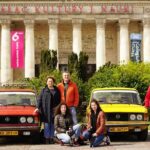
The tour begins at the Palace of Culture and Science area, meeting by the Tourist Information on Emilii Plater street. This matters because the Palace sits like a landmark stage set: once you see it from ground level, you understand why locals and visitors treat it as more than just a building.
Before you head anywhere else, you get a short driving lesson right there in the meeting area. The goal is practical: you learn how to handle the Fiat 126p confidently enough to keep the tour moving. Think of it like getting your feet under you before the real stories start. The lesson also helps you stop worrying about the car so you can actually pay attention to the neighborhoods you’re entering.
If you’ve only ever explored Warsaw by foot or by tram, this start flips the script. You’re not collecting photos from the sidewalk—you’re learning how a driver reads a city: road flow, corners, sightlines, and where stories make sense when you pass them slowly.
Other Retro Fiat city tours in Warsaw

The Wooden Housing Area: How Workers Lived
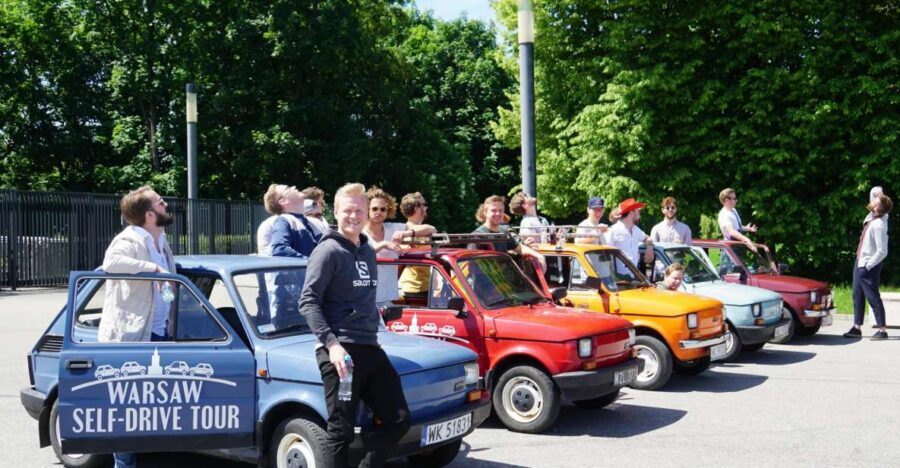
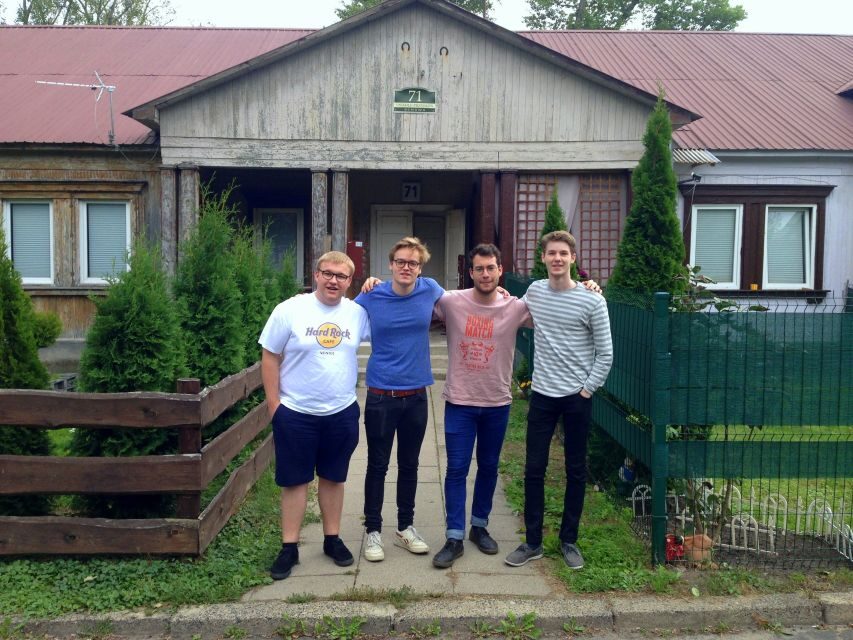
One of the smartest stops on this tour comes right after the Palace. You go to the neighborhood of constructors—the wooden housing built for Russian workers during the Palace era. That detail gives the whole area a clear purpose. This is not random history or vague heritage.
What I like about this stop is that it anchors a giant monument to the everyday people who had to live somewhere while it was being built. The wooden houses are a reminder that big political projects are carried by ordinary logistics—housing, routines, and cramped realities.
As you drive through and the guide talks, you also get a sense of what the place became later. You’ll see how the neighborhood looks now, and that contrast is often what sticks with me. A city’s history doesn’t only live in museums. It lives in the types of streets people still walk today.
Old Bielany’s Interwar Streets and Gas Lanterns
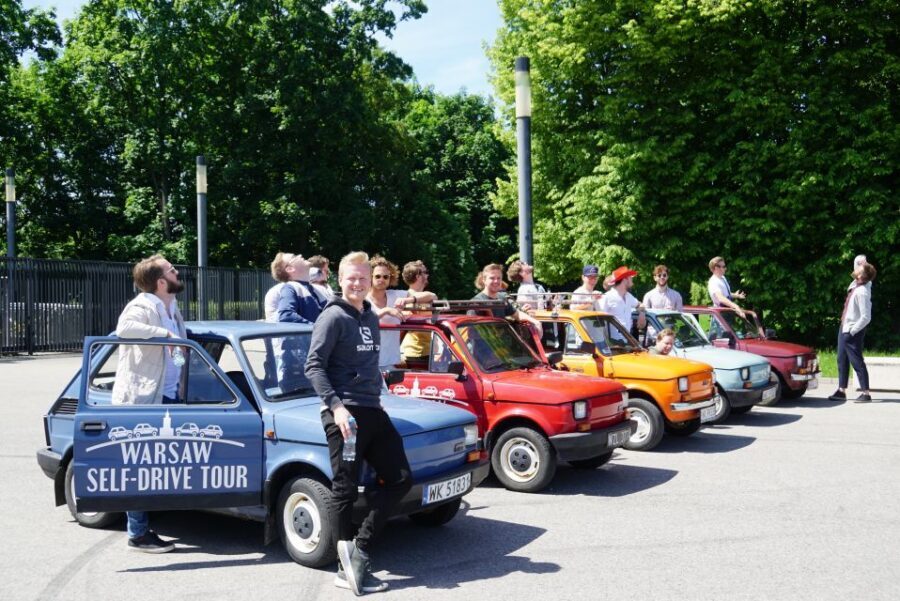
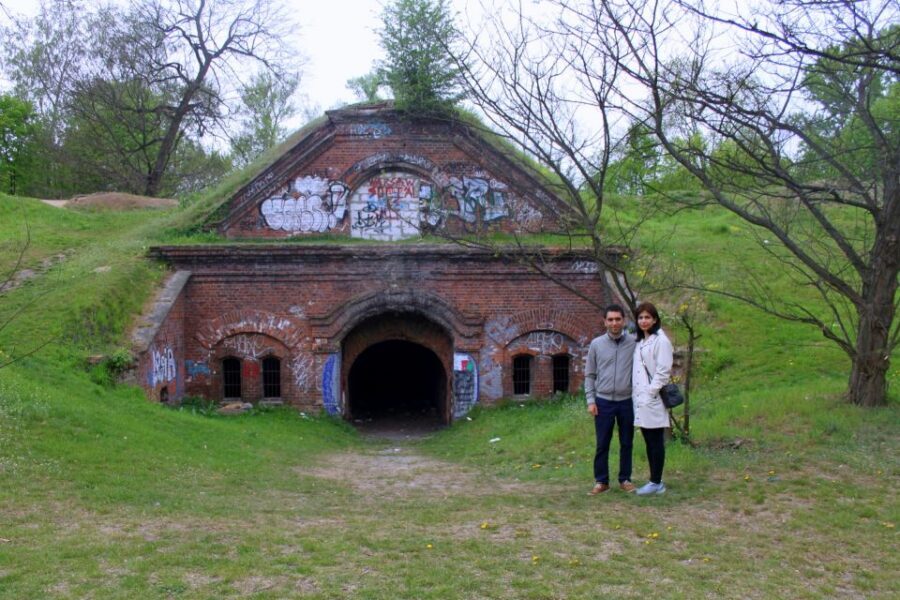
After the Palace-era zone, the tour shifts into something calmer and visually different: Old Bielany, an interwar-era housing district. This is where the experience starts to feel like a design walk with wheels. You’ll notice the architecture style and the overall rhythm of the neighborhood. And yes, the guide points out the streetscape details, not just the big-picture story.
A standout for many people is the presence of gas lanterns—described as the last ones in Warsaw. Even if you’ve seen historic lighting in other European cities, it hits differently here because it is tied to a neighborhood’s character rather than a staged tourist street. The lanterns give you a small, human-scale clue about what everyday nights used to feel like.
This stop is also where you’ll appreciate the self-drive format. When you pass through a residential district slowly, you notice things you would miss on a short group walk: the spacing of buildings, the way roads funnel you toward viewpoints, and the small transitions between blocks.
The potential downside is timing. Because the tour is half walking and half driving, you’ll likely want comfortable shoes ready for the stretches where you get out to look. The good news is the walking parts seem short and purposeful, not a long slog.
Back in Time at the Warsaw Citadel
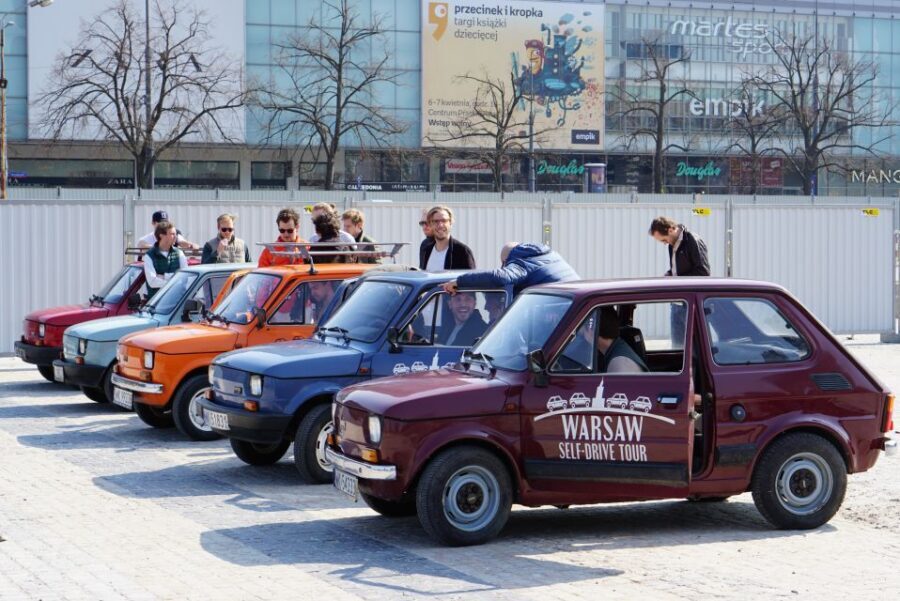
Next comes a big historical contrast: the Warsaw Citadel, a 19th-century fortification. Most Warsaw sightseeing focuses on palaces, churches, and major memorial sites. A fort is different. It forces you to think about the city as something strategic—built, contested, and reshaped.
When you drive by an older fortification, you get two layers of understanding. First, you see the physical scale—how walls and angles define a defensive perimeter. Second, you hear the guide’s stories connected to the route and the surrounding areas. Those stories are what make the Citadel feel like part of a living map instead of a standalone landmark.
I also like that this is not presented as just a photo stop. The tour’s structure helps you connect it to what you’ve already seen: from Palace-era labor housing to interwar residential design to military time. It’s a cleaner timeline than you’d get from a random collection of monuments.
If you are the kind of traveler who enjoys history but gets bored by lectures, this section strikes a good balance. You are moving between perspectives, and you’re not stuck in one place.
Praga: Bohemian Architecture and a Different Warsaw Mood
The tour ends in Praga, described as bohemian with picturesque architecture. Praga often feels like the area where Warsaw shows its creative side, and it makes sense as a finale. After learning about structures, fortifications, and built projects, you get a neighborhood that feels more everyday—street-level, visual, and a little rebellious in spirit.
This stop is where you’ll enjoy the shift from formal history to neighborhood atmosphere. You’re not only looking at buildings; you’re observing how the streets hold culture. The architecture in Praga can be more varied, and the streets often feel more human in their detail.
Because the tour includes both walking and driving, Praga gives you a natural finish: you can see views from the car, then step out for closer looks. That mix is one reason self-drive tours can work better than a pure driving tour. You get motion without losing the ability to actually look.




The Car Factor: Why the Fiat 126p Changes Everything
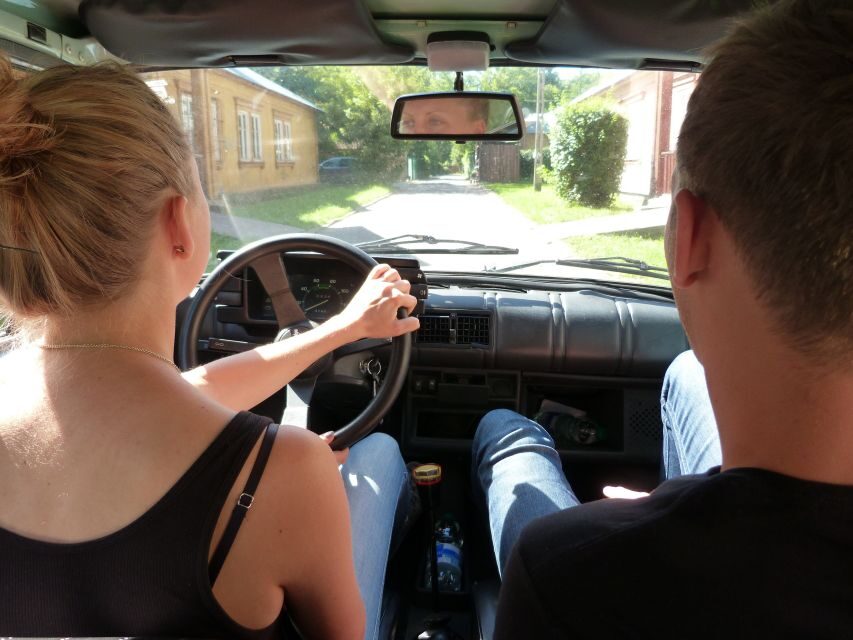
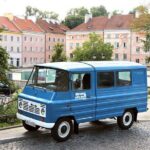
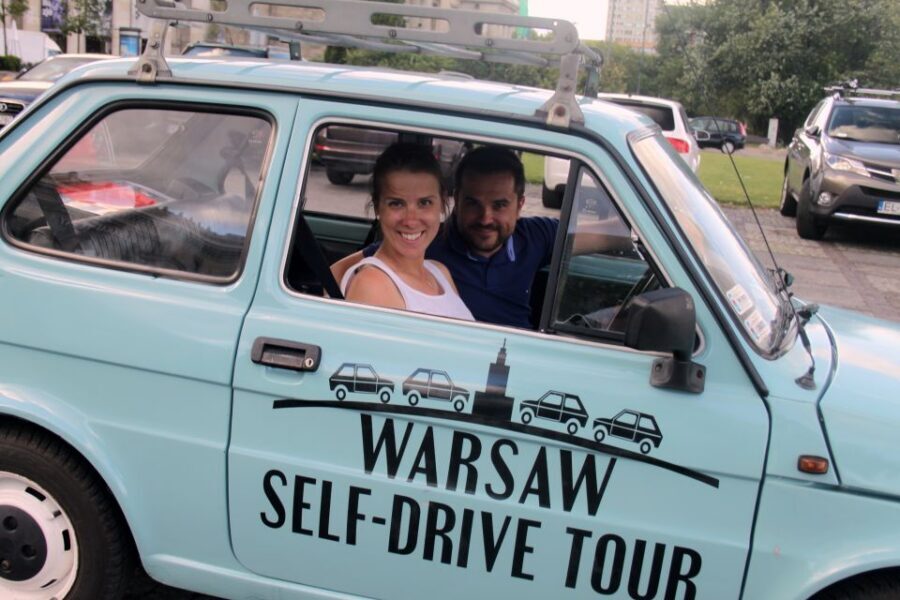
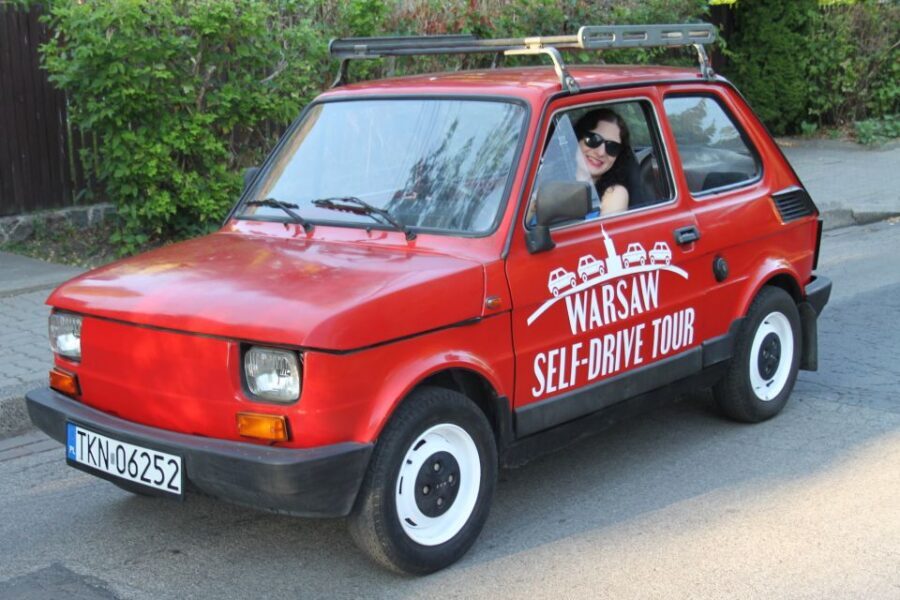
Let’s talk about the star of the show: the Fiat 126p, nicknamed the Toddler. Yes, it’s adorable. But it’s also functional for this kind of sightseeing. A smaller, slower-feeling car keeps you in the moment. It makes the ride feel personal rather than like you’re just passing through.
The built-in lesson period matters. A tour like this would be frustrating if you had to figure out driving on the fly. Here, you practice for around 20 minutes and then you’re set up to focus on where you’re going and what the guide is saying.
You also get a lot more flexibility than you would on a bus. Even if the route follows a planned sequence, the experience of moving car-to-car is different than riding behind glass. It also encourages you to slow down. Warsaw reveals itself in street corners, not just in major squares.
Price and Value: Does $69 Make Sense?
At $69 per person for about 150 minutes (2.5 hours), this tour sits in a practical midrange. You are paying for more than transportation. You’re paying for:
- A local guide who ties each area together with stories
- A structured driving lesson so you can participate, not just watch
- A car experience in a specific local style (the Fiat 126p)
- Photos emailed afterward
Then there’s the deposit factor. A 500 PLN security deposit is required and refunded after the tour. That’s the tradeoff for the driving component. If you’re comfortable with that, the price becomes easier to justify because you’re not just sightseeing—you’re actively engaging with Warsaw in a way most visitors don’t.
My take: it’s good value if you want something different from the standard checklist. If you only want to tick off a couple sights and you hate driving, you’ll probably find cheaper tours more comfortable.
What to Bring, What to Expect on the Ground
Bring a driver’s license. It’s checked before the tour, so plan to have it ready. Wear comfortable shoes, because the tour is half walking and half driving. That walking is not described as a marathon, but it is real. Also, plan for normal weather—your comfort matters when you’re mixing stops and short strolls.
You’ll want to think about patience too. This is a guided experience with a car, so you will follow instructions and keep a steady pace. The good side is you get a guided route that makes sense, not a do-it-yourself scramble.
One more practical note: the tour is not suitable for wheelchair users. If mobility is an issue, you should treat this as off-limits because the format relies on walking.
Who This Tour Fits Best (and Who Should Skip It)
This is a strong match for you if you:
- Want off-the-beaten-path Warsaw without giving up the safety of a guide
- Enjoy architecture and urban design, from wooden housing to interwar neighborhoods
- Like a hands-on activity instead of only standing and listening
- Have already seen the major highlights and feel ready for the next layer
It’s less ideal if you:
- Can’t or don’t want to drive
- Need fully step-free access
- Are hoping for a purely indoor, sit-down history experience
Real-World Feel From the Feedback
The overall satisfaction is very high, and the patterns in the positive feedback are easy to spot. People repeatedly mention a fun mix of entertainment and information, and the fact that the guide takes time to explain both architecture and history in a way that feels personal.
Several reviews also focus on the joy of self-driving. The car isn’t just a gimmick; it helps you see more of the city in a short time window. Another theme is how well the tour avoids the typical route. If you’re tired of seeing the same few stops on repeat, this tour’s neighborhood choices support that goal.
Should You Book This Warsaw Off The Beaten Path Self-Drive Tour?
I’d book it if you want Warsaw with movement—literally. The best reason to choose it is that it combines driving, distinct neighborhoods, and story-led stops in about 2.5 hours. If you’re the kind of traveler who enjoys architecture and city textures, this gives you more variety than the standard bus-and-bite approach.
Skip it if you want a low-effort tour with no driving element, or if mobility limitations make walking hard. Also, don’t underestimate the deposit requirement; it’s part of the deal.
If you match the sweet spot—willing to drive, curious about history beyond the headline landmarks, and excited by neighborhoods like Praga—this tour is likely to feel like a smart, memorable way to see Warsaw’s other face.
FAQ
How long is the self-drive tour?
The tour lasts 150 minutes, or about 2.5 hours.
Where do I meet the guide?
Meet at the Palace of Culture and Science, Parade Square, by the Tourist Information on the Emilii Plater street side of the building.
Do I need a driver’s license?
Yes. A valid driver’s licence is required and checked before the tour.
Is the tour mostly walking or mostly driving?
It is half walking and half driving, and it can be adapted to suit your requirements.
Is the price all-inclusive?
The tour includes the self-driving experience, a professional local guide, and a 20-minute driving lesson, plus photos emailed afterward. Entrance fees, meals, and drinks are not included.
What is the security deposit and is it refunded?
A security deposit of 500 PLN is required. It is refunded after the tour.
Are pets allowed?
No, pets are not allowed.
Is the tour wheelchair accessible?
No, it is not suitable for wheelchair users.
—
If you tell me what month you’re going and whether you’re comfortable driving in a city, I can help you decide if the pacing will feel fun or stressful for your style.