REVIEW · WARSAW
Private Tour: Warsaw’s Communist History by Retro Fiat
Book on Viator →Operated by WPT1313 Warsaw Private Tours · Bookable on Viator
Stepping into Communist Warsaw feels different in a Fiat. This private tour pairs hotel pickup with a vintage Fiat 125p ride that makes the architecture and stories hit harder, and your English-speaking guide can tailor the pace to your questions. One thing to plan for: the big stop at the Palace of Culture and Science is not free, so you’ll want extra budget for that admission.
In about four hours you’ll cover a smart mix of monuments, squares, and neighborhoods linked to the socialist era. You’ll look at Stalin-era design choices, learn how censorship worked on an everyday level at the Monument of the Free Word, and get context for why parts of the city still carry Communist fingerprints.
If you like history that connects to streets you can actually stand on, this is a strong fit. It’s also a good choice when you want more than a quick photo stop, but you don’t want a long day of touring.
In This Review
- Key things to know before you go
- Why a Retro Fiat Works So Well for Communist-Era Warsaw
- Palace of Culture and Science: The Socialist-Realist Anchor
- Plac Konstucji and the Communist Housing Idea in Practice
- The Communist Ministerial District: City Planning With an Agenda
- Monument of the Free Word: When Censorship Was Normal Life
- Charles de Gaulle Statue and the Former Party House Area
- Praga Polnoc and the Everyday Side of the Era
- Bazar Rozyckiego: The Black Market Stop That Makes History Feel Real
- Mariensztat Square Housing Blocks: The Communist Era in Residential Form
- What You Should Expect From the Pace and the Guide
- Price and What You Get for $108.24 per Person
- Small Practical Notes That Help You Enjoy It More
- Should You Book This Retro Fiat Communist History Tour?
- FAQ
- How long is the Warsaw’s Communist History tour by Retro Fiat?
- Is this tour private or shared with other groups?
- Do you get hotel pickup and drop-off?
- What vehicle is used for the tour?
- Is the tour offered in English?
- Are there admission fees for the stops?
- Is food and drinks included?
- Where is the meeting point if my hotel is outside the pickup area?
- What’s the cancellation deadline for a full refund?
Key things to know before you go
- Vintage Fiat 125p transport makes a history tour feel like a real experience, not a lecture
- Private guiding means you can ask sharp questions and set the pace for your group
- Most stops are free (with the Palace of Culture and Science as the main paid exception)
- A drive-and-stop format helps you see more ground in a half-day without rushing
- Cold War focus is built around specific sites: censorship, party power, and everyday life
Why a Retro Fiat Works So Well for Communist-Era Warsaw
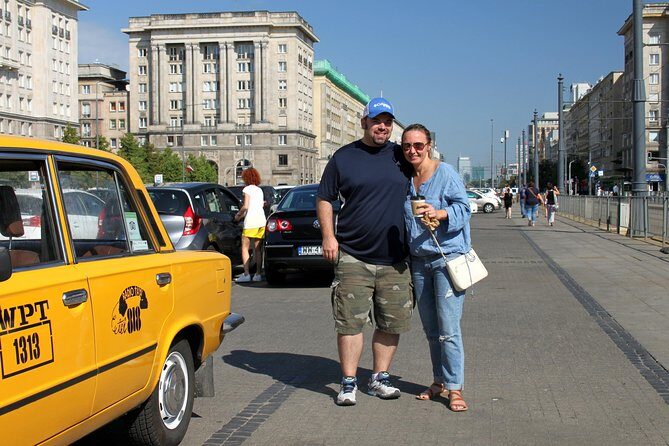
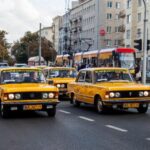
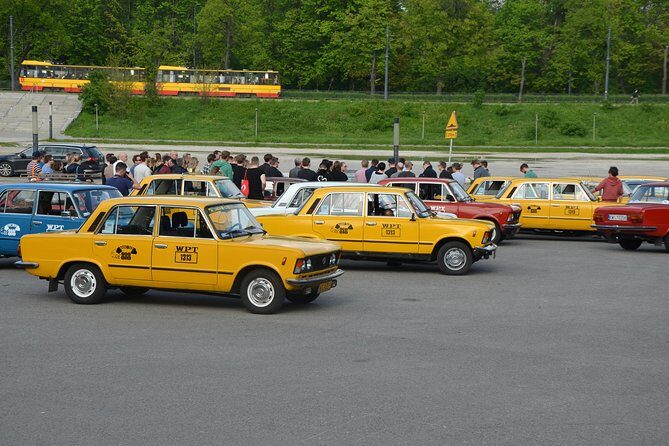
Most Warsaw tours focus on one neat storyline: old town, modern city, then back on the tram. This one does something smarter. The route is built around socialist-era Warsaw, so the driving matters. From a car, you get the broad shape of planned squares and districts, and you can spot how buildings were designed to project authority.
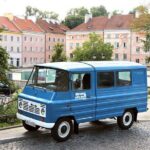
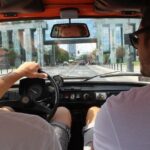
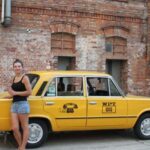
The Fiat 125p is small and slow enough that you notice details. You’ll see the street texture change as you move from landmark zones to more residential blocks. That helps you understand the Communist-era idea of shaping public space and daily routines, not just erecting a few famous monuments.
You also get the big advantage of a private format. Your guide can respond to what you actually care about—architecture, propaganda, how the system affected ordinary people, or even the political personalities tied to the era.
Other private tours in Warsaw
Palace of Culture and Science: The Socialist-Realist Anchor
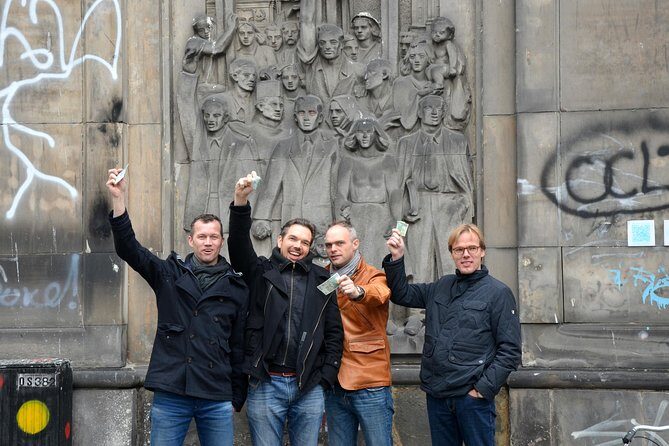
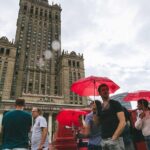
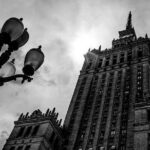
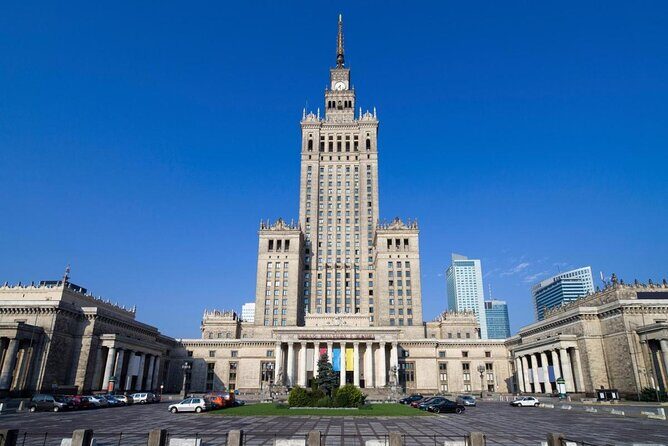
The tour’s first major stop is the Palace of Culture and Science, Warsaw’s most recognizable Socialist Realist landmark. This is the kind of building that makes you look up even if you don’t normally care about architecture. It’s also still a living center today, with theatres, museums, a cinema, and plenty of places that feel more modern than you’d expect inside a Cold War monument.
Why this stop is worth your time:
- It’s a powerful example of how the Communist era used a monumental building style to project permanence.
- You’ll get context for what the building represented at the time and why people still talk about it.
Your time here is about 30 minutes, and admission is not included. So, if you’re budget-conscious, check your plan early and set aside time (and money) for entry before you roll on to the next stops.
Plac Konstucji and the Communist Housing Idea in Practice
From there, you head to Plac Konstytucji (Constitution Square), a place defined by Stalin-era architecture. The area is known for its representative Communist-era housing district feel, and that’s exactly what makes it a useful stop. You’re not just seeing power buildings; you’re seeing the style of everyday life that the system tried to standardize.
At this stop, think less about one single monument and more about the planning logic. Socialist-era design often aimed for order, uniformity, and visibility from public viewpoints. The result is a cityscape that can feel official even decades later.
The tour gives you around 30 minutes here, and admission is listed as free. That makes it an easy stop to enjoy without worrying about extra ticket steps.
The Communist Ministerial District: City Planning With an Agenda
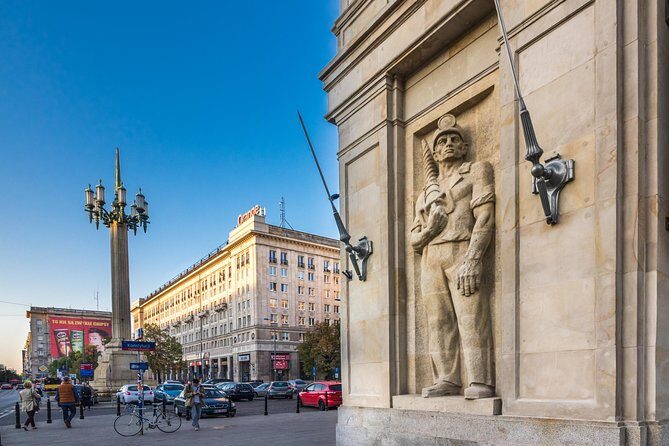
Next comes the Communist Ministerial District, created in a Socialist Realism style. Even if you’re not the type who reads architecture like a textbook, you’ll feel what’s going on once you’re standing in the area.
This is where it clicks for many people: Communist-era power wasn’t only about speeches and slogans. It was also about where ministries sat, how districts were organized, and what kind of atmosphere the government wanted people to move through each day.
You’ll get a short stop to see the look and layout of the district. Since the time is not clearly labeled for this exact segment, treat it as part of the “anchor stops” rhythm of the tour rather than a deep museum visit. It’s best for first-time understanding and clear perspective.
Monument of the Free Word: When Censorship Was Normal Life
Censorship is one of those topics people think they know about in theory. This stop makes it practical. The Monument of the Free Word centers on the daily reality of censorship in Communist Poland, and you’ll hear the story tied to that reality.
This is one of the stops I’d prioritize for anyone who likes social history. A monument is easy to photograph, but the point here is the explanation of how control worked day to day. If your interest is how regimes shaped not just laws but culture, media, and what people dared to say, this is the payoff stop.
Time is short—about five minutes—and admission is free. Don’t let the quick stop fool you. The impact comes from the guidance and the ideas your guide connects to it.
Other Retro Fiat city tours in Warsaw

Charles de Gaulle Statue and the Former Party House Area
Then you’ll move to the Statue of Charles de Gaulle. The name alone can feel like a curveball, but this is one of those tour moments where a landmark location opens a broader political story.
In this area, you’ll also hear about the former Communist Party House, often referred to as the Polish White House. And you’ll get the thread connecting influential leaders in Communist Poland to the spaces where decisions were made.
Why this works on a private tour:
- You’re in the right spot to understand why these leaders mattered.
- Your guide can connect the physical location to how power operated without making it feel like a dry timeline.
This stop is about 15 minutes, and it’s free. It’s a good moment to ask follow-up questions, especially if you want your tour to focus more on individuals than just systems.
Praga Polnoc and the Everyday Side of the Era
Next is Praga Polnoc, a district tied to Communist-era life. The tone here is more grounded. It’s described as vibrant during that period and, importantly, not badly destroyed during World War II.
That matters because it affects what you can still sense in the streets. When a district avoided the worst destruction, it often means the city carries more layers of continuity. In other words, you can more easily compare the era’s physical feel to what’s around you now.
The stop is about 30 minutes and free. I like this pacing for the simple reason that it gives you breathing room. After a couple of more statement-heavy stops, you get a chance to watch how the area reads as a neighborhood, not just a stage set.
Bazar Rozyckiego: The Black Market Stop That Makes History Feel Real
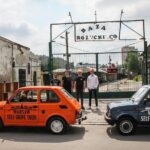
If you want a history detail that turns abstract power into real behavior, this is it. The tour includes Bazar Rozyckiego, described as the most famous black market in Communist Poland.
Black markets are where systems meet daily human needs: shortages, restrictions, and the gap between official plans and actual life. Standing at a site like this (even with only a brief visit) gives you a strong anchor for understanding how people navigated the era.
Time is about 15 minutes, and the stop is free. This one can also spark good conversation with your guide, since the story usually leads to questions about trade, food, and how people built informal networks to survive.
Mariensztat Square Housing Blocks: The Communist Era in Residential Form
The final named stop is Mariensztat Square (Rynek Mariensztacki), where you’ll see Communist-era housing blocks from the district of Mariensztat.
This is a quieter ending, and it’s useful. By the time you reach this point, you’ve already seen symbols of power and control. Now you’re looking at the part of the system that most people would have experienced every day: housing.
Residential architecture is often where big political eras feel most personal. It’s where policies turn into room sizes, building styles, and the lived routine of commuting, shopping, and raising a family.
The visit is about 20 minutes and free. It’s a strong close because it leaves you thinking about daily life, not just major events.
What You Should Expect From the Pace and the Guide
A lot of the tour’s value comes from the guides themselves. The consistent pattern across multiple guide names is clear: friendly delivery, strong English, and a willingness to answer even unusual questions.
Some guides also bring personal context, including perspectives from people who were born before Poland shifted away from the Communist era. That doesn’t just add color. It changes the way you interpret what you’re seeing, because you start connecting monuments and districts to lived experience.
Another plus is flexibility. If you’re the type who wants more time on one stop—maybe the censorship theme at the Monument of the Free Word, or the Palace of Culture and Science story—this is the kind of private tour where your guide can often adapt.
Still, manage one expectation: food and drinks are not included unless specified. Also, admissions at the Palace of Culture and Science are not included. So if you plan to make this a smooth half-day, bring a simple budget plan for entry where needed.
Price and What You Get for $108.24 per Person
At $108.24 per person, the tour is not a bargain bus option. But it’s also not trying to be one. You’re paying for:
- Private transport in a Fiat 125p
- A professional local driver-guide
- Hotel pickup and drop-off
- A set route with major Communist-era sites, most of them free
Here’s how I think about the value. If you were to piece this together on your own—private vehicle, English guide, and a logical route—you’d likely spend more than the tour price once you factor in time and coordination. The tour saves you decision fatigue. It also gives you a guided narrative so the sites connect instead of feeling like separate photo stops.
Is it expensive for a single building visit? Yes. Is it good value for a half-day route that covers multiple key sites and includes local context? In my view, it’s priced like a proper private experience.
Small Practical Notes That Help You Enjoy It More
- Plan for one paid admission stop. The Palace of Culture and Science entry is not included, so budget for that.
- Bring water and snacks if you get hungry. Food and drinks are not included unless specified.
- Expect short stops and some walking. Many segments are 5 to 30 minutes, which means you’ll move fairly efficiently.
- Use the mobile ticket. It’s offered, so keep it ready on your phone.
- Confirm pickup details early. The guide meets you at your hotel lobby if you’re in the pickup area, or at a meeting point otherwise.
Should You Book This Retro Fiat Communist History Tour?
Book it if you want a half-day Warsaw history experience that feels personal, not generic. I’d especially recommend it for:
- First-time visitors who want the Communist-era story tied to real streets
- People who care about propaganda, censorship, and how power shapes cities
- Anyone who likes learning from guides who bring real perspective and will answer questions in English
I’d think twice if you need a strict, museum-heavy itinerary or if you dislike tours where one major stop may require you to pay admission on your own. Also, if you’re expecting extras like snacks, shots, or souvenir photos, it’s smart to confirm what’s included for your specific booking—one past experience mentioned these weren’t provided as expected.
Overall, this tour is a fun and focused way to understand Communist Warsaw, with the vintage Fiat 125p making the story feel close to the street.
FAQ
How long is the Warsaw’s Communist History tour by Retro Fiat?
The tour lasts about 4 hours.
Is this tour private or shared with other groups?
It’s a private tour, so only your group participates.
Do you get hotel pickup and drop-off?
Yes. Pickup and drop-off at your hotel are included.
What vehicle is used for the tour?
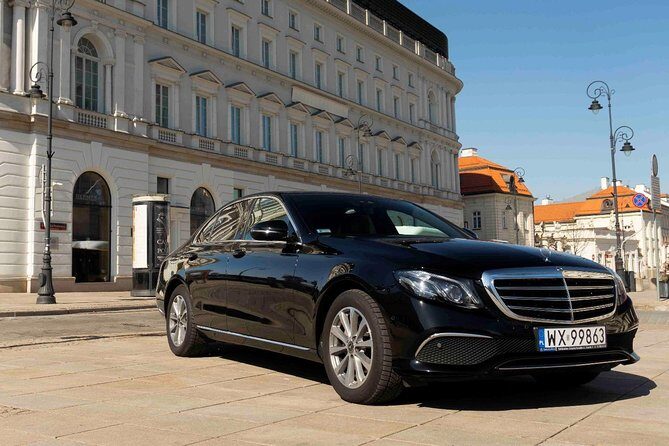
You’ll be transported by a private vehicle: Fiat 125p.
Is the tour offered in English?
Yes, the tour is offered in English.
Are there admission fees for the stops?
Most stops are listed as free, but the Palace of Culture and Science requires an admission ticket (not included).
Is food and drinks included?
No. Food and drinks are not included unless specified.
Where is the meeting point if my hotel is outside the pickup area?
You can meet in front of the building at Dworzec Centralny, 1200-901 Warsaw, Poland. If your hotel isn’t in the pickup area, contact the operator to arrange the best solution.
What’s the cancellation deadline for a full refund?
You can cancel up to 24 hours in advance for a full refund.