REVIEW · WARSAW
Warsaw Praga — where modern, traditional, and bohemian meet
Book on GetYourGuide →Operated by Warsaw UnDiscovered · Bookable on GetYourGuide
Praga tells Warsaw’s other story. I like how this walk moves fast between working-class roots and today’s art scene, with Stalowa Street as a standout stop. I also like the religion-and-culture mix, especially when you see the big Orthodox landmarks in one go. One caution: it is not a good fit if you struggle with long walking distances.
I’m also drawn to the tour’s focus on places you’d miss if you only chase the classic postcard routes. The Praga Koneser Center (the old vodka factory area) gives you a clear way to understand the neighborhood’s shift from old industry to new life. Plus, it runs about 150 minutes over roughly 3.5 km, so you get depth without turning the day into a marathon.
You’ll meet at Strzelecka 46 and look for a guide holding a white and green umbrella. The tour is in English, and there’s wheelchair access, with private or small-group options available.
In This Review
- Key things that make Warsaw Praga worth your time
- Where Praga fits in the Warsaw you think you know
- Before you go: pacing, distance, and who it suits
- Stop by stop: what each part of the walk is really for
- 1) Starting at Strzelecka 46: get your bearings fast
- 2) Konopacka: a quick local intro that sets the tone
- 3) Warsaw Fight Club Murales: street art with a real storyline
- 4) Stalowa Street: the street of films
- 5) Metropolitan Cathedral of Saint Mary Magdalene: Orthodox power and presence
- 6) Praga Koneser Center: the old vodka factory idea
- 7) Pomnik Praskiej Kapeli Podwórkowej: the neighborhood soundtrack
- 8) Finish at St. Michael and St. Florian: the closing landmark
- Why the guide makes or breaks this walk
- Price and value: why $32 can make sense here
- Practical tips to get more out of the experience
- Should you book the Warsaw Praga walk?
- FAQ
- How long is the Warsaw Praga walking tour?
- Where does the tour start?
- What sights are included on the tour?
- What is the walking distance?
- What language is the tour offered in?
- Is the tour wheelchair accessible?
- Is it a good fit if I have trouble walking long distances?
Key things that make Warsaw Praga worth your time
- Old vodka factory transformation at Praga Koneser Center and why it matters to the neighborhood
- Stalowa Street, the street of films, where movie history and street life overlap
- Orthodox landmarks in the same route, including St. Mary Magdalene and St. Michael the Archangel and St. Florian
- Street-art stops with serious context, including the Warsaw Fight Club murals area
- A story-based route tied to The Zookeeper’s Wife and post-war architecture mysteries
- A guide who brings the neighborhood to life, especially with Oliwia’s style and pacing
Where Praga fits in the Warsaw you think you know
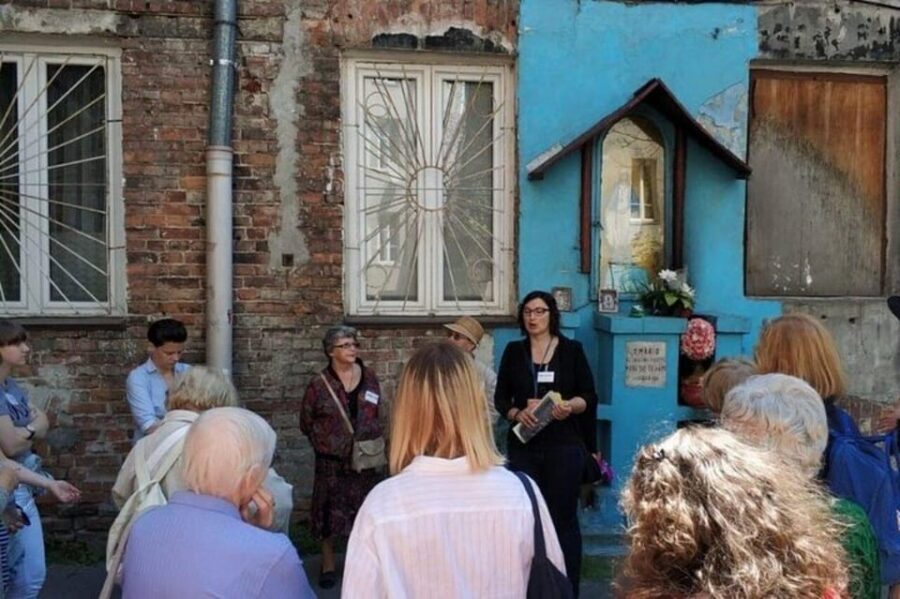
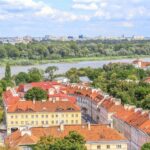
Most first-time Warsaw plans get stuck on a neat loop: one old center, one “must-see” skyline, done. Praga is a different deal. It sits on the far side of the river and carries a mood that feels older, tougher, and more creative at the same time.
This tour leans into that contrast. You don’t just look at buildings; you connect them to how people lived—then and now. I like routes like this because they help you read a city instead of just watch it.
You can also expect a strong story thread. The tour is built around film locations and true-life history linked to The Zookeeper’s Wife, plus the big post-war architectural puzzles that still shape Praga. That’s the kind of context that makes street corners feel meaningful.
Other Praga district tours in Warsaw


Before you go: pacing, distance, and who it suits

The walking time is about 2.5 hours, covering roughly 3.5 km. That’s not extreme, but it is still real walking, with stops along the way. If you have limited mobility or your legs fatigue quickly, this is explicitly not recommended.
The route is described as wheelchair accessible, but you should still plan carefully. Ask yourself a simple question: can you comfortably do a steady walk around your own neighborhood for a couple of hours? If the answer is no, choose a shorter option instead.
Price is $32 per person for a guided, English-language walk with an information pack. For Warsaw, that’s a fair value if you want someone to connect the dots—especially in a neighborhood as layered as Praga.
Stop by stop: what each part of the walk is really for
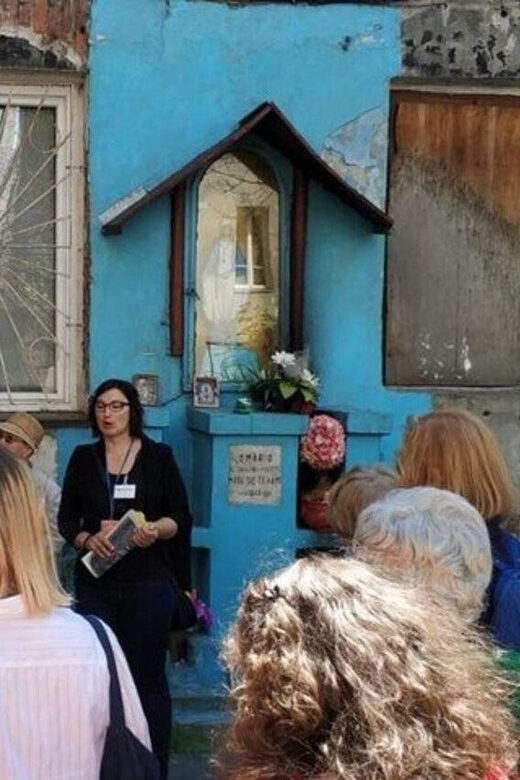
1) Starting at Strzelecka 46: get your bearings fast
You begin at Strzelecka 46 and spot the guide by the white and green umbrella. Early on, you’ll get the map in your head: where Praga’s character comes from, what changed, and what did not.
This first stretch matters because Praga doesn’t feel like the main Warsaw postcard. The walk works best when you understand the logic of the neighborhood, not just the sights.
If you’re the type who likes to ask questions, this is a good moment to do it. The tour style is built around conversation and real explanation, not a monologue.
2) Konopacka: a quick local intro that sets the tone
At Konopacka, the guide provides a short guided introduction. This is one of those stops that might look ordinary at first glance, but that’s the point.
You’re training your eyes to spot what makes Praga different. You’ll start noticing street scale, everyday building shapes, and the way daily life and new development share space.
Think of this as your warm-up. It makes the later murals and major churches land harder.





3) Warsaw Fight Club Murales: street art with a real storyline
The Warsaw Fight Club Murales stop is where Praga’s bohemian side shows up loud and clear. It’s not just graffiti as decoration. It’s art that speaks to identity, community, and the neighborhood’s modern creative energy.
The benefit for you is context. You don’t just look at paint; you understand why people made it here and what it signals now.
Also, this stop is a good reminder that Praga isn’t stuck in the past. It is actively talking back to it.
4) Stalowa Street: the street of films
One of the highlights is Stalowa Street, known as the street of films. This is where you start connecting the neighborhood to cinematic history. The tour includes a stop meant to show where one of the BBC’s 100 Greatest Movies of the 21st Century was shot.
Even if you’re not a hardcore movie nerd, this is still worth it. Film locations turn a random-looking street into a memory machine. You’ll start seeing facades and angles the way a camera sees them.
It’s also an easy place to take in the atmosphere. Streets like this often feel like they have their own rhythm, so you get a sense of Praga as a living place, not just a museum.
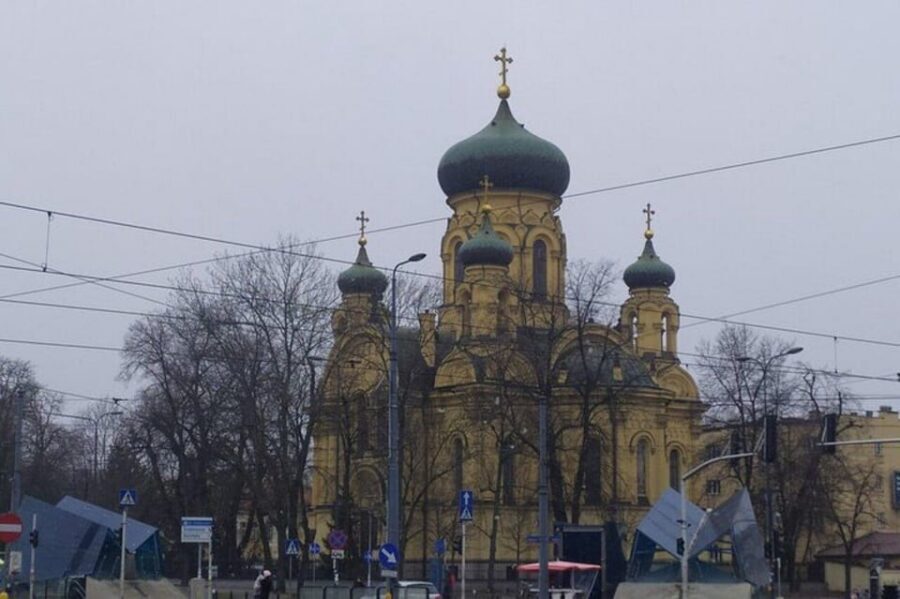
5) Metropolitan Cathedral of Saint Mary Magdalene: Orthodox power and presence
Next comes a major spiritual landmark: the Metropolitan Cathedral of Saint Mary Magdalene. This is a big deal in Warsaw, and the tour gives you the “why” behind its importance.
What I like about including a top Orthodox church is balance. Warsaw’s main stories often get told through one lens. Here, you get a different thread, one that reflects the wider cultural history of the city.
If you’re a visual person, take a slower moment at this stop. Churches like this reward attention, especially once you know what to look for.
6) Praga Koneser Center: the old vodka factory idea
Then you get to the Praga Koneser Center, which is tied to an old vodka factory. This is one of those stops that makes Praga instantly click.
You’ll learn where the old industrial identity fits into the modern neighborhood. The tour frames it in a way that helps you understand how a city reuses space instead of erasing it.
It also ties into the vodka theme. The tour includes where you can learn about Poland’s best-known drink: vodka. For many visitors, that’s the easiest way to turn history into something you can taste and remember.
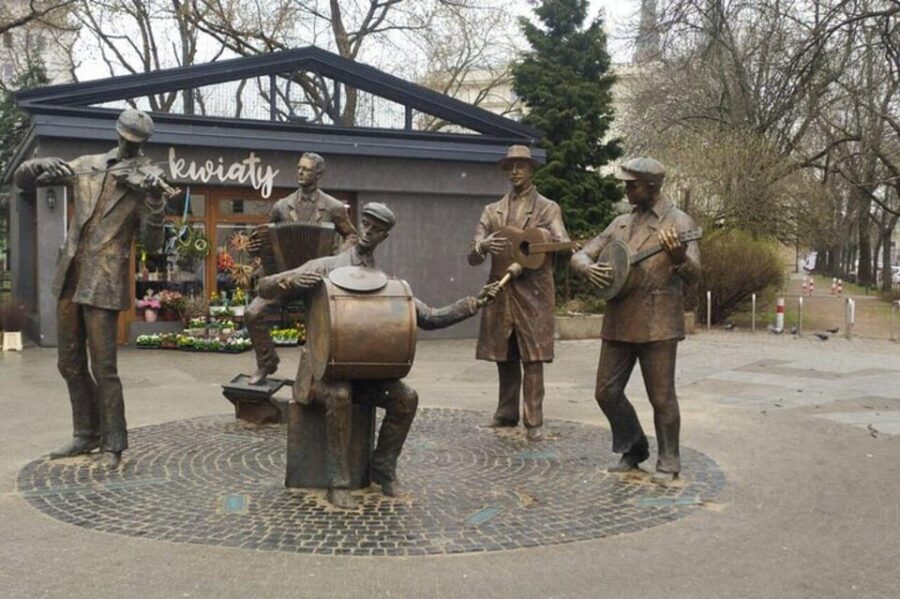
7) Pomnik Praskiej Kapeli Podwórkowej: the neighborhood soundtrack
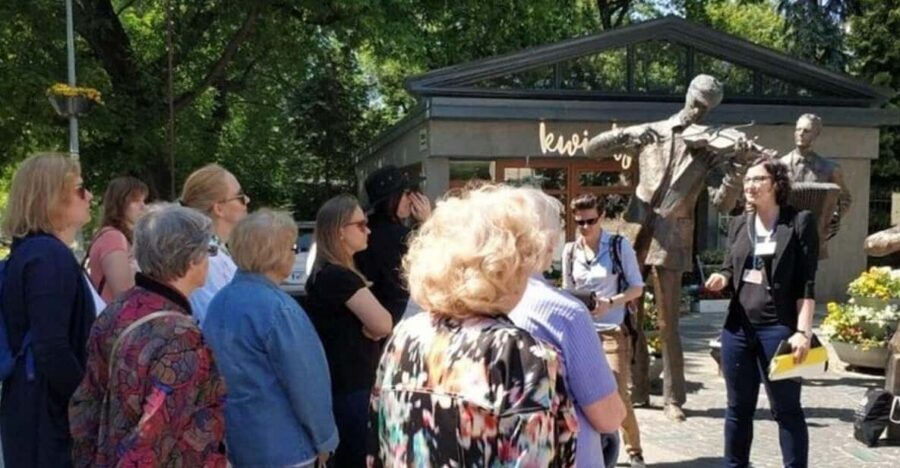
At Pomnik Praskiej Kapeli Podwórkowej, the focus shifts to everyday culture. This kind of monument matters because it honors communal life—music, gatherings, and the spirit of the street.
This stop works well as a break from the heavy visual landmarks. It keeps the tour grounded in people, not just architecture.
If you want the Praga feeling to stay with you after the walk, this is the kind of point that helps.
8) Finish at St. Michael and St. Florian: the closing landmark
The tour ends at the Parafia Katedralna pw. Św. Michała Archanioła i Św. Floriana Męczennika w Warszawie. Finishing at a cathedral makes sense because it gives the walk a strong final note.
You’ve already seen the Metropolitan Cathedral of Saint Mary Magdalene, so the contrast between the two Orthodox landmarks helps you feel the neighborhood’s spiritual scale. It’s also a natural place to re-orient for the rest of your day in Warsaw.
If you want to keep exploring, ask the guide where to go next. The information pack includes recommendations for where to eat and drink, which is genuinely useful after you’ve walked.
Why the guide makes or breaks this walk
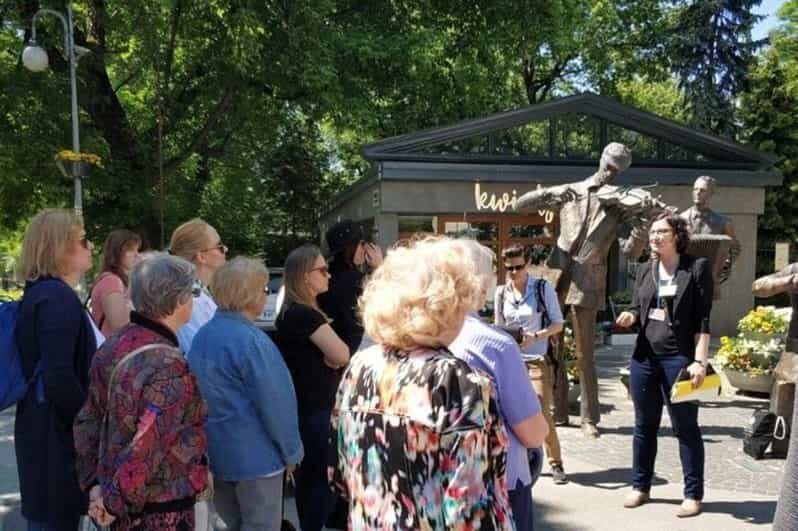
This tour stands or falls on storytelling, and the guide is a big part of its reputation. Oliwia is repeatedly described as personable, engaging, and full of passion for Warsaw, with a dry wit and good pacing.
That matters because Praga can feel chaotic if you’re doing it alone. With a guide, you learn how to sort what you’re seeing into themes: history, religion, art, and city change. You also get answers to the “wait, what is that?” moments, like murals with meaning and architectural mysteries connected to post-war Warsaw.
If you’re choosing between a generic walking tour and one built like a narrative, go for the narrative. It saves you time and turns “interesting streets” into a real understanding of place.
Price and value: why $32 can make sense here
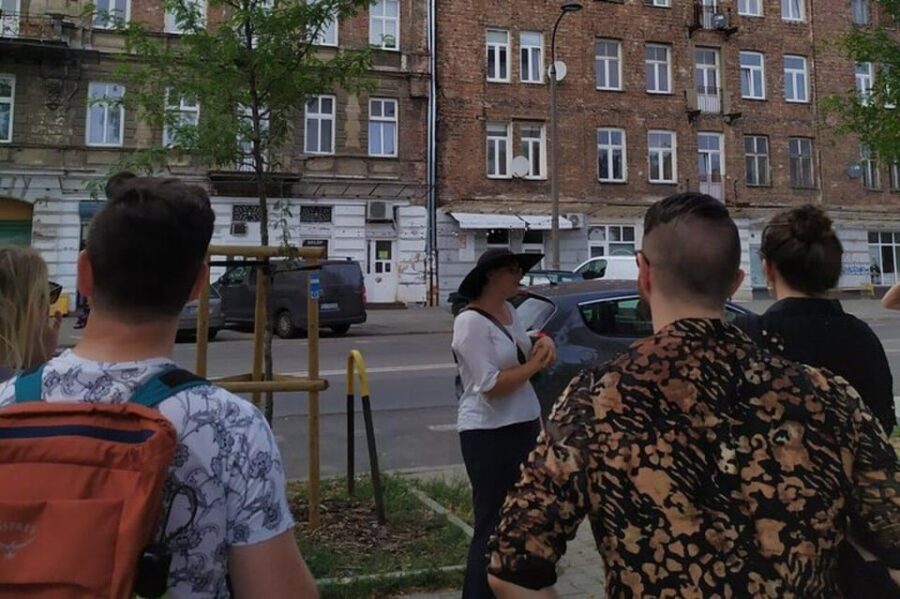
At $32 per person for about 2.5 hours, you’re paying for more than just walking from point A to B. You’re getting:
- A live English guide
- Visual aids
- A full info pack with an FAQ and useful links
- Recommendations for what to do after the tour
For neighborhoods like Praga, the value is in interpretation. If you have to research each stop yourself, you’ll either spend time catching up or you’ll miss the connections. This tour tries to hand you those connections in one compact block.
Also, the route length is realistic. You’re not signing up for a half-day hike that burns the rest of your trip. You’re paying for focused context without exhausting your schedule.
Practical tips to get more out of the experience
If you’re trying to make the most of the 3.5 km walk, plan like this:
- Wear comfortable shoes. You’ll be on sidewalks and streets that aren’t designed for flip-flops.
- Bring a light layer. Weather can change through the day, and the tour includes multiple outdoor stops.
- Pace your photo breaks. The guide’s timing matters, and some moments are brief by design.
If you like film history, you’ll probably enjoy the Stalowa Street stop even more. If you care more about architecture and religion, focus your attention at the Orthodox cathedrals and let the vodka-factory stop be your cultural bridge.
Either way, your goal is simple: look for the meaning behind what you see.
Should you book the Warsaw Praga walk?
Book it if you want Warsaw beyond the big tourist loop. This walk is a strong choice when you care about neighborhood character, not just landmark checklists.
I’d skip it if you can’t handle a solid 2.5-hour walk. Also skip it if you prefer silent sightseeing with zero explanations. This is a guided, story-forward experience, and it works best when you engage with the route.
For most visitors who want an authentic feel for Praga—modern, traditional, and bohemian in one connected path—this tour is a smart use of a morning or afternoon.
If you want to understand Warsaw’s other side of the river, this is the kind of walk that makes the city click.
FAQ
How long is the Warsaw Praga walking tour?
The tour lasts about 150 minutes (around 2.5 hours).
Where does the tour start?
The meeting point is Strzelecka 46. Look for a guide holding a white and green umbrella.
What sights are included on the tour?
You’ll see the old vodka factory area at Praga Koneser Center, walk down Stalowa Street, visit the Russian Orthodox Cathedral of St. Mary Magdalene, see the Cathedral of St. Michael the Archangel and St. Florian, and stop at the Warsaw Fight Club Murales area.
What is the walking distance?
The distance is approximately 3.5 km.
What language is the tour offered in?
The tour guide speaks English.
Is the tour wheelchair accessible?
Yes, the tour is wheelchair accessible.
Is it a good fit if I have trouble walking long distances?
It is not recommended for travelers who have problems with walking long distances.