REVIEW · WARSAW
Warsaw: 2-Hour Praga Walking Tour
Book on GetYourGuide →Operated by PolinTours · Bookable on GetYourGuide
Praga changes how you see Warsaw. This 2-hour walk on the right bank takes you through pre-war streets, communist-era blocks, and today’s creative shops and restaurants, with a local guide who makes the city’s layers feel readable. I especially like how the tour connects big history to specific corners you can point at, and how the guide keeps the pace friendly.
My second big win is the storytelling—particularly the role of Marzena, whose calm, clear answers make even architecture and uncomfortable history easier to hold in your head. You also get a sense of why Praga has long been a trading and industry hub, then later became known for stubborn free-trade energy when the communist era hit.
One thing to plan for: it’s a walk with no lunch or drinks included. If you’re easily hungry or you’re doing it on a hot day, bring snacks or plan a nearby stop after, and wear shoes you trust.
In This Review
- Key things you’ll enjoy on this Praga walking tour
- Why Praga on the right bank feels like a different Warsaw
- Starting point at Maria and Magdalena: getting your bearings fast
- Bullet-hole tenement houses and the survival story of pre-war Warsaw
- From St. Florian Cathedral to Orthodox heritage sites and ritual-bath history
- Rozycki Bazaar, Praga Street Band, and the neighborhood’s trade energy
- Walking Roman Polanski’s The Pianist filming streets
- The Warsaw Zoo director story: courage beyond the headlines
- Koneser vodka factory: from industry to culture
- Price and logistics: is $69 worth it for 2 hours?
- What kind of traveler this tour fits best
- Practical tips so you enjoy the full 2 hours
- Should you book the Warsaw: 2-Hour Praga Walking Tour?
- FAQ
- How long is the Warsaw Praga walking tour?
- Where do I meet the guide?
- What languages is the tour offered in?
- Is this a private tour?
- What’s included in the price?
- Is lunch or food included?
- Do I get hotel pickup or drop-off?
- What should I bring, and what’s not allowed?
- Can I cancel, and is there a pay-later option?
Key things you’ll enjoy on this Praga walking tour
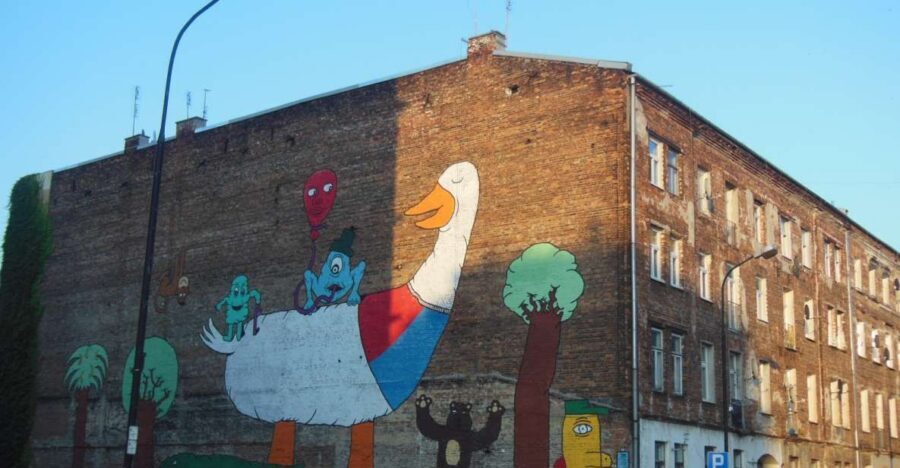
- Pre-war streets with bullet holes and the feeling of what survived
- Marzena’s history-first approach, with patient answers and useful context
- Strolls past places tied to The Pianist filming streets
- Orthodox heritage spots, including a former synagogue and ritual bath
- Rozycki Bazaar and local monuments, for real neighborhood flavor
- Koneser vodka factory complex, where industry has been repurposed
Why Praga on the right bank feels like a different Warsaw
Warsaw’s left bank gets the postcards. Praga on the right bank gets the history you can still feel in the street layout. Over centuries, this district was shaped by trade and industry, and it became a mix of communities living side by side—Christians, Jews, and Orthodox believers. Walking here feels different because the buildings and street rhythms reflect that long mix.
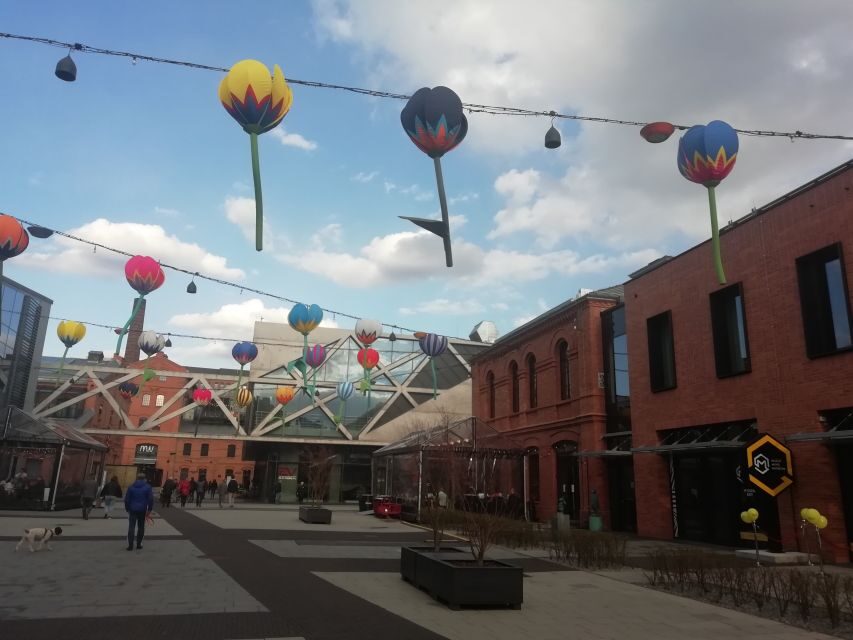
On top of that, Praga doesn’t freeze history in a museum case. You’ll see older housing with scars from earlier decades, and you’ll also notice grey communist apartment blocks sitting near industrial areas that now host art galleries, boutique designers, and places to eat. In two hours, you get a fast, honest scan of how Praga went from bustling commerce to harsh eras and then back into a creative neighborhood.
Other walking tours we've reviewed in Warsaw


Starting point at Maria and Magdalena: getting your bearings fast
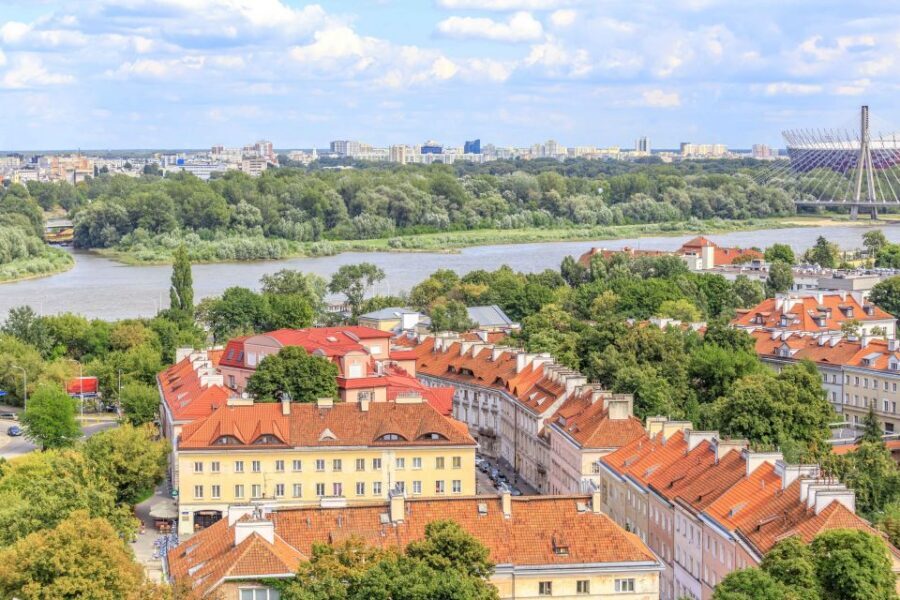
The tour meets in front of the Metropolitan Cathedral of Maria and Magdalena, at the exit from subway M2, with a PolinTours sign. That’s helpful because you can arrive without guesswork, even if you’re using public transport.
This start also works well because it lines you up with the idea the guide will keep returning to: Praga isn’t just “another part of Warsaw,” it’s a mirror that shows the city’s contrasts. When you step off the subway area and start walking, you’re not just moving across space—you’re moving across time.
Tip: the tour asks for comfortable shoes, plus sunglasses and sunscreen. Even in cooler months, Praga’s sidewalks can be uneven, and you’ll be doing steady walking rather than stopping every five minutes for long breaks.
Bullet-hole tenement houses and the survival story of pre-war Warsaw
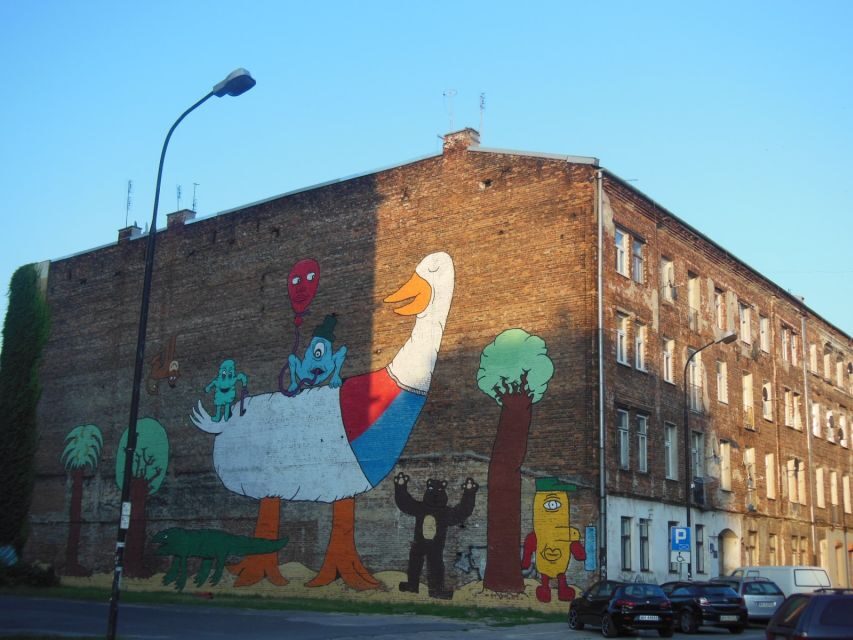
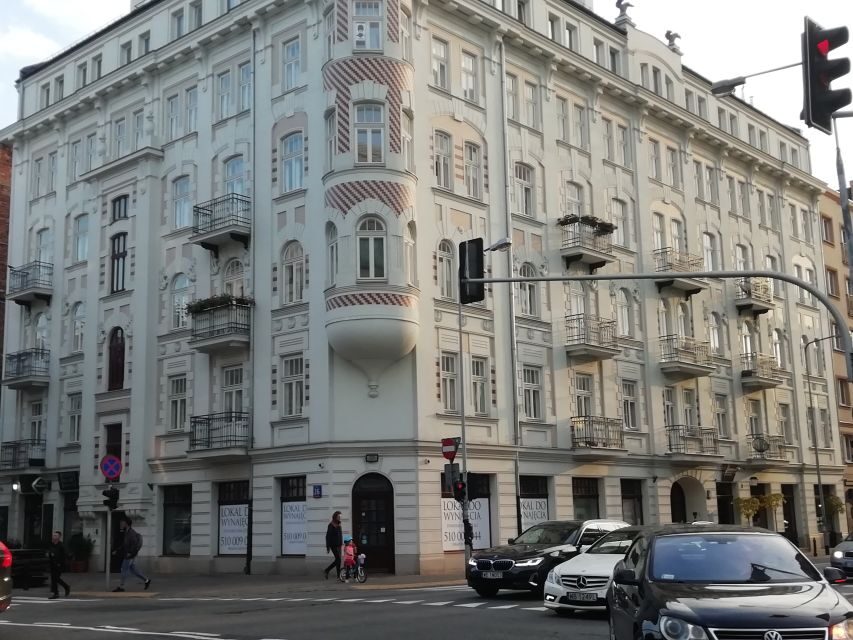
One of the tour’s strongest promises is the walk through pre-war streets, including tenement houses with bullet holes. You’ll be standing in the physical evidence of what happened, and the guide’s job is to put that evidence into context without turning it into a scary movie set.
What I like about this part is that it avoids vague descriptions. Instead of saying the neighborhood has “history,” you see it in the architecture: where damage is visible, where older building styles still shape the street feel, and how the district’s layout reflects a dense working-city life. It’s the kind of stop that changes how you look at photos later—your brain stops treating images like distant facts.
A smart consideration here: you might not love the emotional weight. If you prefer tours that stay strictly light, this one includes serious material. If you’re okay with that, the pay-off is big: you understand why people call Praga legendary, and not just trendy.
From St. Florian Cathedral to Orthodox heritage sites and ritual-bath history
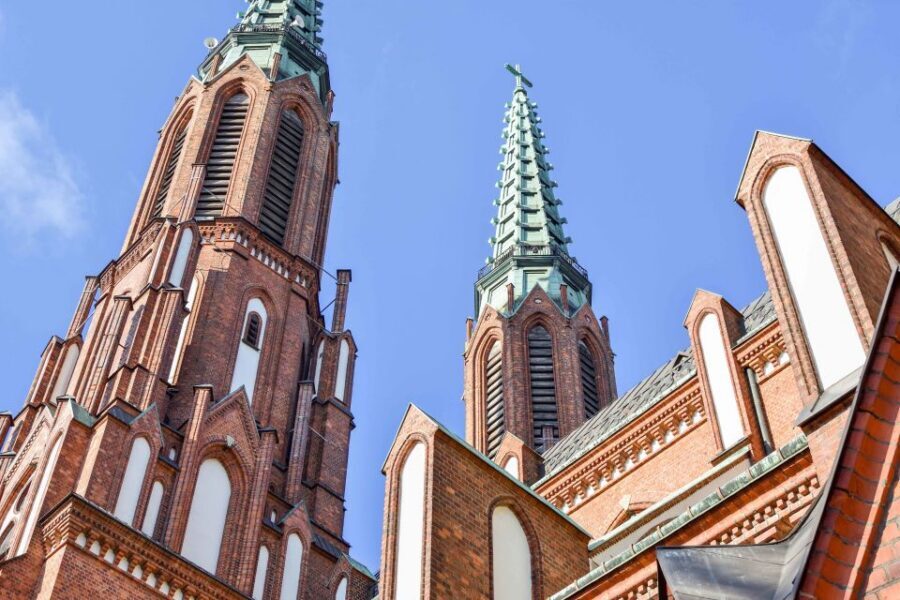
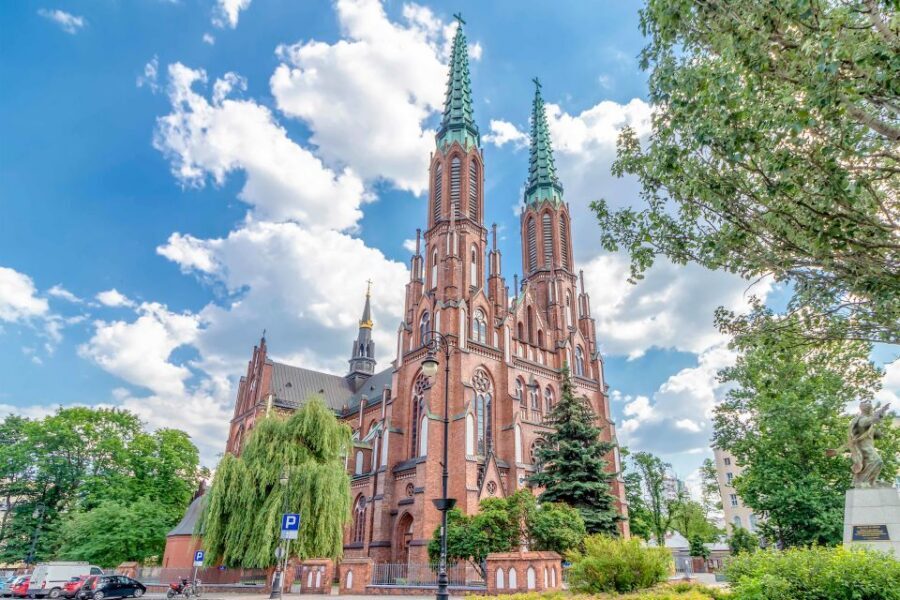
The walk includes St. Florian Cathedral, a major visual anchor in the area. Even if you’re not a church-history person, the building helps you orient yourself and understand that Praga was never a single-culture district. It was shaped by different faiths over time.
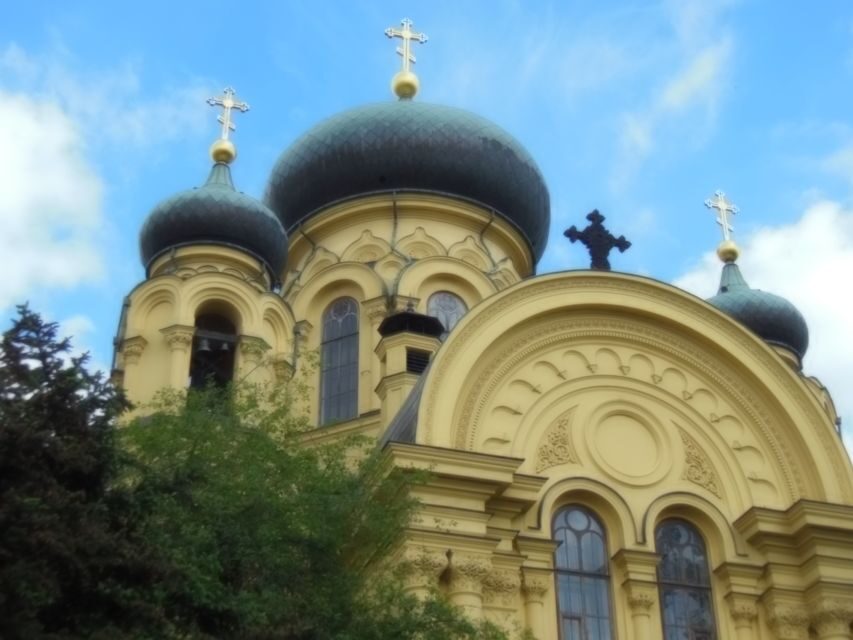
The guide also takes you to an Orthodox church that connects to earlier Jewish life, including the site’s history as a former synagogue and ritual bath. This is one of those moments where you can see how places change function while the neighborhood identity stays. You’re not just touring; you’re tracing how community needs were met by shared, reused spaces.
Why this matters for you: it helps explain why Praga feels layered rather than uniform. When you understand that the district’s buildings were repeatedly repurposed, you stop expecting a neat timeline. The neighborhood makes more sense.
Rozycki Bazaar, Praga Street Band, and the neighborhood’s trade energy
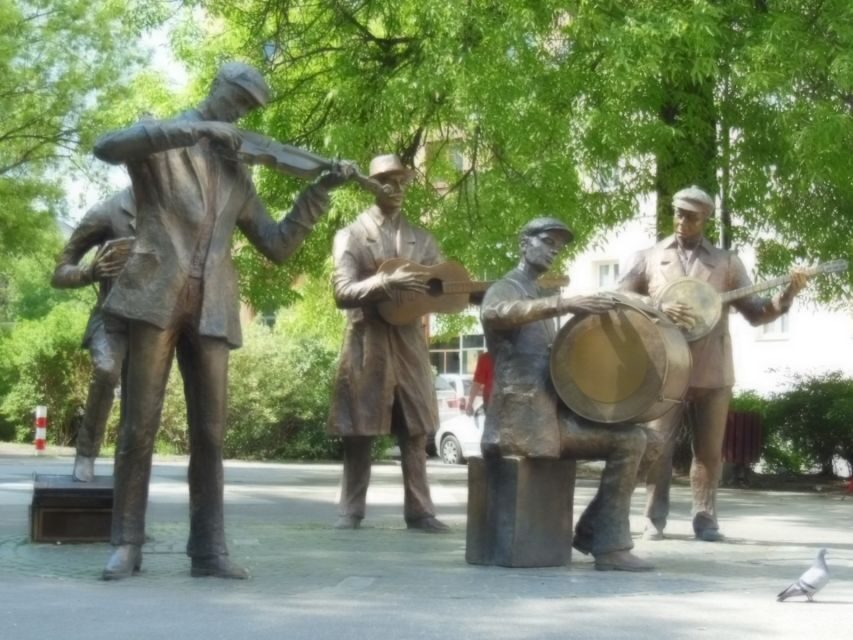
Praga has a long reputation for commerce, and you feel that in the way the tour treats local institutions. The Rozycki Bazaar stop is designed to show how trade lived at the street level, not only in grand history books.
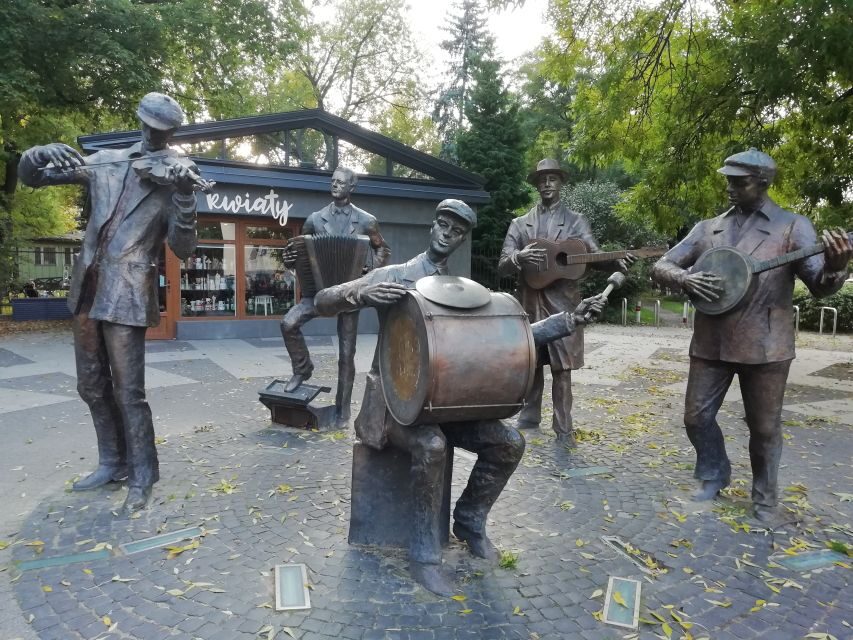
You’ll also see the monument of the Praga Street Band. A monument sounds simple, but in Praga it functions like a local memory marker: it’s a signal that this neighborhood’s identity includes music, street life, and ordinary people—not just landmark buildings.
In the same spirit, the tour talks about entrepreneurs from the pre-war period—figures who helped make Praga a major trading hub. It also connects that pre-war trade identity to the communist era, when Praga became a symbol of free trade. That contrast helps you grasp why the district still has a strong sense of character today.
Other Praga district tours in Warsaw



Walking Roman Polanski’s The Pianist filming streets
One of the coolest parts for movie lovers is that you’ll see film shooting streets tied to Roman Polanski’s Oscar-winning movie The Pianist. This isn’t about spotting celebrities. It’s about seeing how a film uses real streets and how a real neighborhood can carry cinematic weight.
If you’re into cinema, this section turns your walk into an informal re-watch. You might catch yourself imagining specific scenes in the street geometry—where cameras would have stood, how alley widths and corners would frame characters. Even if you’ve never seen the film, it adds a layer of recognition that makes Praga feel larger than just local history.
If you have limited time in Warsaw and want something more than standard sightseeing, this is a strong reason to choose this tour. It gives you a narrative thread: architecture and street corners tied to a widely known story.
The Warsaw Zoo director story: courage beyond the headlines
The tour also includes a focused look at the history of the director of the Warsaw Zoo and the zookeeper’s wife, who helped save hundreds of Jews from the Warsaw Ghetto. This is heavy material, but the guide’s approach matters here. The point isn’t drama—it’s human action, in a context you might not learn about on a typical highlights tour.
For me, this kind of story is valuable because it shifts the lens. Instead of only focusing on what was destroyed, you learn about who tried to protect people, and how local networks and non-obvious roles could make a difference.
A practical note: since you’ll be standing and walking through urban spaces, your attention will matter most at the stops where the guide slows down to explain the relationships behind the story. If you’re tired halfway through, let that be your reminder to take one breath, then re-center.
Koneser vodka factory: from industry to culture
The highlight list ends (in your walk) with a visit to the complex of the vodka factory Koneser. Even without going deep into product history, the building complex tells a classic Central European story: industrial powerhouses eventually get a second life.
This is where Praga’s past and present shake hands. You’re no longer walking only through reminders of survival. You’re also seeing how industrial spaces have become settings for art and everyday life. For you, it’s a change of pace, which matters because the tour includes difficult themes earlier.
When you see Koneser, look for how the space has been adapted. That contrast helps you understand why Praga can feel both gritty and stylish at the same time. The neighborhood doesn’t erase its industrial skeleton—it uses it.
Price and logistics: is $69 worth it for 2 hours?
At $69 per person for a 2-hour private walking tour, the value depends on what you want. You’re paying for a certified guide, a tight route, and a format that’s designed for dialogue. The tour being private group (not a large bus-style crowd) is a real benefit if you like asking questions and staying with the pace of the guide.
Also, the tour gives you concentration. In a short time you cover:
- pre-war street texture with visible damage,
- key religious and community history sites,
- a film-spotting narrative via The Pianist filming streets,
- and a current-life stop at Koneser.
What’s not included is also clear: no hotel pickup, and no food or drinks. That means you should budget a snack and plan your transit. If you show up hungry, you’ll spend the second half thinking about lunch instead of architecture and story.
In short: if you want a focused, story-driven walk in an area people often skip, $69 can feel fair. If you only want broad, comfortable highlights with minimal context, you might consider a shorter, lighter tour instead.
What kind of traveler this tour fits best
This tour suits you if you like:
- real neighborhoods rather than curated sightseeing blocks,
- street-level history that connects buildings to lived experiences,
- and tours led by someone who can explain details without rushing you.
It’s especially good for first-time Warsaw visitors who already feel the temptation to stay in Old Town. Praga is close enough geographically that you’re not giving up your whole day, but different enough that it changes your understanding of the city.
If you travel solo, the guide’s style comes across as patient and question-friendly. If you travel with teens or adults who need a reason beyond photos, the Pianist connection gives a hook that’s easy to follow.
Practical tips so you enjoy the full 2 hours
Here’s how to set yourself up for a smooth walk:
- Wear comfortable shoes with grip. You’ll be on city sidewalks.
- Bring sunglasses, a sun hat, and sunscreen. The tour is outdoors and steady.
- Avoid large bags. The tour notes restrictions on oversize luggage and luggage or large bags.
- Don’t expect food or drink to be part of the tour. Plan a snack or a stop afterward.
- The tour doesn’t include alcohol, and smoking is not allowed.
If you’re the type who likes to take photos, I’d keep your camera accessible but not constantly out. Some stops are about listening, and the best memories come from seeing and absorbing, not just shooting.
Should you book the Warsaw: 2-Hour Praga Walking Tour?
If you want Warsaw with texture—history you can see on brick, faith and community history in the same streets, and a movie connection to The Pianist—then yes, I’d book it. This is the kind of tour that helps you stop viewing cities as lists of landmarks and start seeing them as places where different eras overlap.
Skip it if you’re seeking an easy, purely scenic stroll with no heavy topics. Also skip it if you’re hoping for hotel pickup or a built-in lunch, because those aren’t part of the package.
If you’re flexible, respectful, and ready to walk and listen for two hours, Praga will likely end up being your favorite Warsaw side.
FAQ
How long is the Warsaw Praga walking tour?
The tour lasts 2 hours.
Where do I meet the guide?
You meet in front of the Metropolitan Cathedral of Maria and Magdalena at aleja Solidarności 52, 03-402 Warszawa. The guide waits at the exit from subway M2 with a PolinTours sign.
What languages is the tour offered in?
The live tour guide speaks English, German, and Polish.
Is this a private tour?
Yes, it’s listed as a private group.
What’s included in the price?
A certified tour guide is included.
Is lunch or food included?
No. Lunch and food and drinks are not included.
Do I get hotel pickup or drop-off?
No hotel pickup and drop-off is included.
What should I bring, and what’s not allowed?
Bring comfortable shoes, sunglasses, a sun hat, and sunscreen. Pets, oversize luggage, smoking, and alcohol or drugs are not allowed, and luggage or large bags aren’t allowed either.
Can I cancel, and is there a pay-later option?
Yes. You can cancel up to 24 hours in advance for a full refund, and there is a reserve now & pay later option.