REVIEW · WARSAW
Discover the Dark Side of Warsaw in Praga District by Retro Bus
Book on Viator →Operated by WPT1313 Warsaw Private Tours · Bookable on Viator
Praga feels stranger than the Old Town. On this retro bus tour, you get a lived-in, street-level look at Warsaw’s Praga district, plus a proper stop for E.Wedel hot chocolate that actually tastes like it’s still made for locals. I like that the guide stitches together old industry, postwar rebuilding, and the political mood of different eras—so the district doesn’t feel like a museum display.
One thing to consider: if your departure has a big group (up to 40), you may feel a bit of time pressure at some stops, especially if people are late or distracted.
In This Review
- Key highlights I’d mark for your trip
- Praga is the dark side of Warsaw, and the bus makes sense
- Where you start at Pałac Kultury i Nauki (and why that location matters)
- The ride over the Vistula: live commentary that turns streets into stories
- E.Wedel: hot chocolate at the factory, plus real industrial backstory
- Church, stadium, and “still standing” Warsaw: the WWII and postwar thread
- Koneser Warsaw Vodka Factory: industry as identity
- Praga Polnoc and the “Praga Bermuda Triangle” on foot
- The longest marketplace, the “Praga” details you’d miss alone
- New Praga inner courtyards and the founder story
- Finishing with Vistula views, Royal Castle panorama, and the Warsaw Nike
- Price and value: what you’re really buying for $42.34
- Who should book this Praga retro bus tour
- When it might not be your best match
- Practical tips to make the day better
- Should you book the Dark Side of Warsaw in Praga District by Retro Bus?
Key highlights I’d mark for your trip
- E.Wedel factory hot chocolate: a warm break with real factory stories attached
- Praga street scenes on a retro, 1980s-style coach: great for getting around fast
- WWII and Communism themes: from hidden basements to repurposed industrial sites
- Praga Bermuda Triangle vibe: courtyards and pre-war architecture in a “how is this still here?” way
- Film and pop-culture locations: a street tied to The Pianist (Roman Polański)
- On-foot moments in Praga Polnoc and New Praga: you see why this part of Warsaw earned its reputation
Praga is the dark side of Warsaw, and the bus makes sense
Warsaw’s Old Town tells one story. Praga tells another. It’s not just “different neighborhoods” on a map. It’s the feeling of a city edge that grew, changed owners, survived bombing, and kept going—sometimes with chaos, sometimes with swagger.
I like that the tour rides you over the Vistula and then drops you into Praga with context. You’re not just looking at murals or courtyards. You’re learning why they’re there, and what the area used to be when it wasn’t a trendy photo spot.
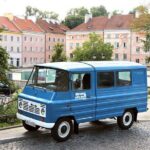
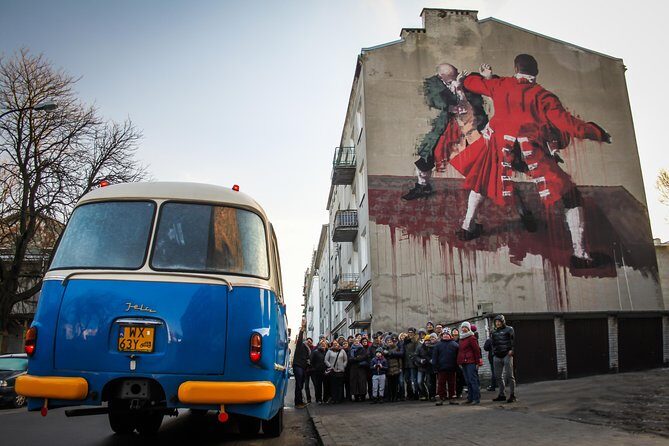
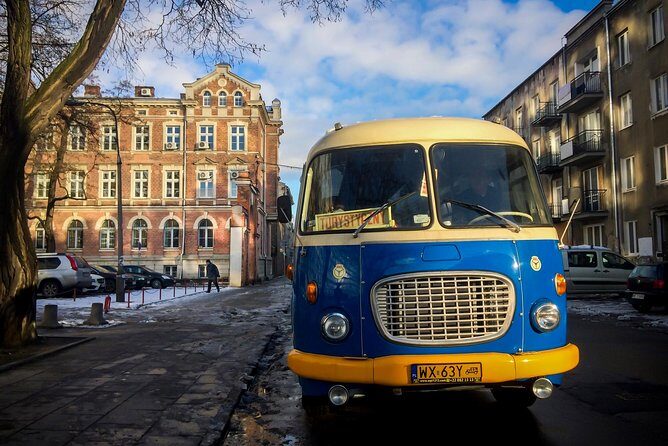
The retro format helps too. A 1980s-style coach keeps the group moving, and it’s easier to absorb the guide’s live commentary while you watch the city slide by. It’s a city tour with momentum, not a slow slog.
Other Warsaw bus and coach tours


Where you start at Pałac Kultury i Nauki (and why that location matters)
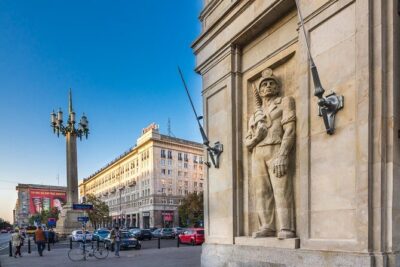
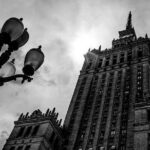
You meet back at Warsaw’s Palace of Culture and Science area, by the Tourist Information point at pl. Defilad 1. Even before the bus rolls, that building sets the mood: it’s a symbol of Poland’s modern layers, tied to the city’s postwar era.
From there, you’re aimed straight toward Praga. And because the tour is built around short stops plus drive-by storytelling, you don’t waste the best part of your day lining up taxis or hunting for the right street.
One small time note: the experience description gives a morning meeting rhythm, with greetings and boarding around the late-morning slot. Always check your exact start time on your ticket, but plan to be at the meeting point early enough to avoid stress.
The ride over the Vistula: live commentary that turns streets into stories
Once you board, you get live commentary on board in English. The tour format matters: you’ll hear context while you’re actually moving through Warsaw, not after you’ve already arrived and missed the “why.”
There are also small, memorable moments that feel like mini-mysteries. For example, you’ll hear stories about things in the city center that most people never notice—like the Date Palm Tree story, and what was hidden in the basement of the National Museum during WWII. It’s the kind of detail that makes you look at Warsaw like a detective, not a tourist with tunnel vision.
And since the tour operates in all weather, you’re not stuck imagining how it would be in rain. You’ll just dress for it and roll with it.
E.Wedel: hot chocolate at the factory, plus real industrial backstory
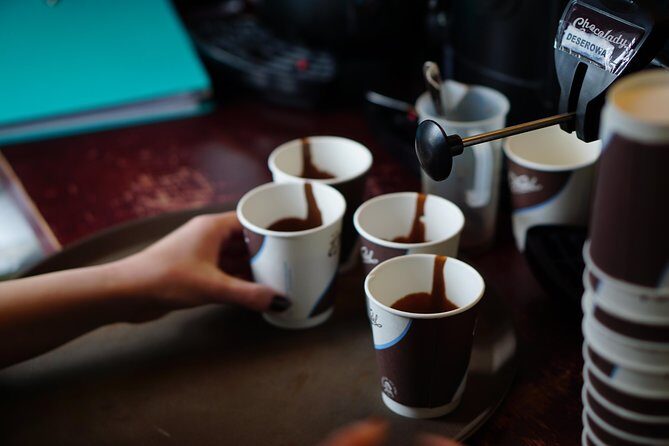
The tour’s first real stop is E.Wedel, a chocolate factory with origins that go way back. You get a cup of hot chocolate and a guide-led explanation of what the place meant in its time—and why that matters to the Praga story.
Here’s what I like: the tasting isn’t treated like a freebie. It’s used as a doorway into the neighborhood’s larger transformation, from older industrial Warsaw to the area it is now.
You’ll typically have around 20 minutes at the stop. That’s enough time to warm up, take in the setting, and hear the main beats without feeling trapped.
If you’re visiting in warm weather, plan for the simple truth: you’re touring outdoors and riding in a retro coach. A hot drink may sound odd at first. Then you’ll realize it’s a fun contrast—like tasting history.
Church, stadium, and “still standing” Warsaw: the WWII and postwar thread
As you move through the tour route, you’ll also see a mix of religious, civic, and big-structure landmarks tied to different eras.
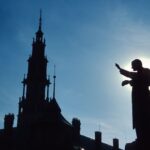
One stop is the Basilica of the Sacred Heart of Jesus, described as one of the most beautiful churches in Poland. The catch is the timing: you get enough time to look closely and absorb the presence of the building, but this is still a moving tour. If you want a slow, photo-only church visit, you may find it short.
You’ll also pass by or stop for a football stadium built for UEFA Euro Championship 2012. It’s a reminder that Warsaw keeps rebuilding, even when its past is still everywhere.
And woven into all of it is the tour’s main idea: WWII and Communism still show up in the city fabric. You don’t just hear “war happened.” You see what lasted, what changed, and how rebuilding decisions shaped what you’re walking past today.
Other Praga district tours in Warsaw

Koneser Warsaw Vodka Factory: industry as identity
Next up is Koneser Warsaw Vodka Factory, with about 20 minutes on site. The guide explains the vodka factory’s role in Praga and whether vodka left a bigger mark than you might expect.
This is one of those stops that pays off if you like repurposed architecture. You’re not only looking at old brick. You’re learning how a working industrial site can turn into a cultural anchor later—and how that fits into Praga’s reputation and character.
Praga isn’t presented as a theme park. It’s treated like a living neighborhood with layers. That’s why stops like Koneser work. The buildings have stories that are still visible, even when the purpose has changed.
Praga Polnoc and the “Praga Bermuda Triangle” on foot
This is the part the tour leans into hardest: Praga Polnoc, described as the area that gives Praga its “dark side” nickname.
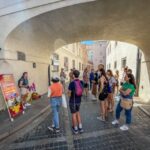
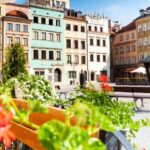
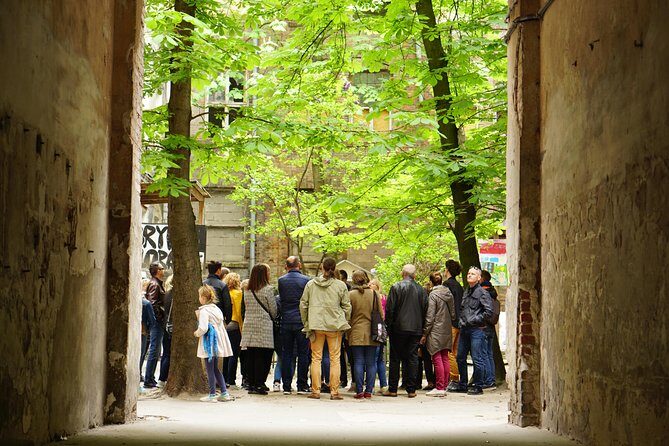
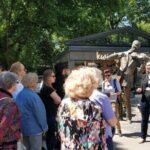
You’ll spend about one hour here, which is a meaningful chunk for a city tour. On foot, you’re guided through streets and courtyards with pre-war architecture and a vibe that feels both ordinary and strangely cinematic. The tour also mentions an area known as the Praga Bermuda Triangle, which points you toward the sense of confusing turns and hidden courtyards—places you might not find on your own.
You’ll also hear about Różycki’s Bazaar, the former black market where forged documents could be bought. That’s heavy material, and it’s delivered as part of Praga’s broader history—not as shock value.
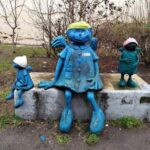
There’s also street art along Brzeska and Stalowa. Murals depict Poland’s history and political climate. It’s not just “pretty graffiti.” It’s a public wall that remembers.
The small drawback I’d flag for this whole segment: because it’s a group experience with set stop times, you can’t wander as long as you might want. If you want to linger in one courtyard, you’ll need to do it quickly or save that energy for a solo walk afterward.
The longest marketplace, the “Praga” details you’d miss alone
Between big stops, the tour keeps stacking in street-level facts that help you understand the district.
You’ll hear about the longest operating marketplace in Warsaw, and you’ll see what’s sold there today. Even if you don’t buy anything, it’s useful. Markets are a truth-teller. They show you how people actually live, not just how the city looks on postcards.
You’ll also get to see:
- a picturesque street used as a movie set for The Pianist by Roman Polański
- a set of drive-by stories that make you notice details you’d otherwise walk past without thinking
If you like film locations, this tour does the job. If you don’t, you still benefit because film streets usually preserve older urban texture.
New Praga inner courtyards and the founder story
New Praga is a short stop (about 15 minutes) but it adds variety. You’ll hear the story of the founder of the Nowa Praga district and then see the inner courtyard of a prewar residential house.
This is the kind of stop that changes how you picture Praga. Courtyards are where you feel the architecture and the everyday rhythm of the neighborhood. They’re also where you understand how pre-war Warsaw survived, sometimes in pockets, not in grand monuments.
Also, there’s a helpful film tie-in: you’ll hear about the movie The Zookeeper’s Wife, which connects to the Zoo stop mentioned in the tour route. Even if you skip the Zoo itself, the story gives you a cultural anchor while you ride.
Finishing with Vistula views, Royal Castle panorama, and the Warsaw Nike
Near the end, the tour shifts from “what happened here” to “what the city looks like from its own edges.”
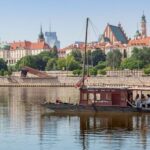
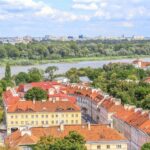
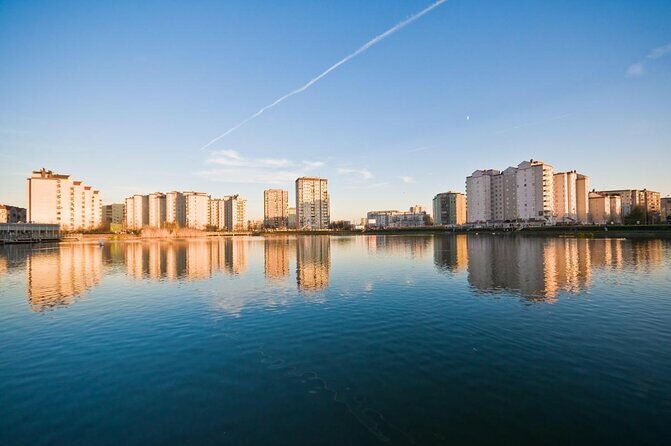
You cross the Vistula River and then take in a panorama of the Royal Castle. That view matters because it helps you link the Praga story back to the rest of Warsaw. The “dark side” isn’t a separate planet. It’s part of the same city.
Then comes the Warsaw Nike, a memorial described as commemorating those who died in Warsaw during WWII. It’s a closing note that turns the tour’s tougher themes into something human and specific.
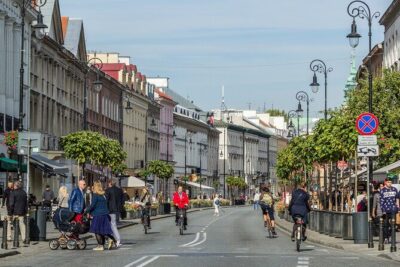
Finally, you ride past the idea that Warsaw’s main street was enlarged after WWII—another reminder that the war didn’t just cause loss. It reorganized the city’s shape.
Price and value: what you’re really buying for $42.34
At $42.34 per person for about 2 hours 30 minutes, you’re paying for more than transport. You’re paying for a guided narrative that stitches together several themed stops in Praga and adds meaningful drive-by context across central Warsaw.
What’s included:
- a professional guide with live English commentary
- transport by a 1980s coach
- a cup of hot chocolate from the factory stop
That’s a solid value mix for a city like Warsaw where many tours either focus on Old Town highlights or tack on a single neighborhood segment. Here, you get a full arc: factory stop, WWII-linked storytelling, industrial repurposing, street art, courtyards, and a couple of larger Warsaw landmarks to frame it.
Where the value gets even better is when the group stays manageable. Some guides also handle group pacing well, and that’s what keeps the tour from feeling like a checklist.
Who should book this Praga retro bus tour
I’d tell you to book if you want:
- an alternative to the Old Town routine
- more context on WWII and Communism’s visible marks on Warsaw’s layout
- a tour that includes street-level stops, not only big sights
- a day that feels fun without being shallow, especially with the hot chocolate anchor
It’s also a good choice for couples and small groups who like humor and storytelling. In the guides you might get (Marcin, Konrad, Conrad, Paweł are names you can run into), the common thread is a sense of timing—so the mood doesn’t get too heavy even when the subject matter does.
When it might not be your best match
Skip or reconsider if you hate group pacing. The tour is designed for multiple short segments, and the experience can feel fast during a busy day or if the group gets delayed.
Also, if you’re expecting a dedicated, long walk through street art, you might find it’s only one part of a larger route. Same for film locations: you’ll see the key spot, but it’s not a full thematic day built only around cinema.
Practical tips to make the day better
Here are the tweaks that help most on a format like this:
- Wear shoes you can move in fast. Several parts are walk-and-look, not “sit and enjoy.”
- Bring a light layer. The tour includes time outdoors, and you’ll ride with an open-air feeling from the streets around you.
- If you want drinks beyond the included hot chocolate, plan to have your own water. The tour info doesn’t promise ongoing food or drink service.
- If you care about photos, treat the stop times like windows. I’d take quick “wide shots first” and then zoom in.
Also: if you’re sensitive to noise, pick a seat where you can hear the guide comfortably. On a full coach, a loud patch of the group can affect your experience.
Should you book the Dark Side of Warsaw in Praga District by Retro Bus?
Yes, if you want a Warsaw day with character. This isn’t a polished “greatest hits” tour. It’s a guided walk through Praga’s industrial past, postwar changes, WWII shadows, and surviving pre-war architecture—wrapped in the fun of a retro bus and capped with E.Wedel hot chocolate.
You might skip it only if you strongly prefer slow, quiet sightseeing with lots of free time. For everyone else, this is one of the easiest ways to get that Praga feeling without doing the research yourself—and without spending the day bouncing between distant stops.
If you book, do it with the right mindset: you’re going to learn fast, look fast, and then you’ll want to come back to Praga on your own for a longer wander.