REVIEW · WARSAW
12 Day Private Tour of Poland with Hotels
Book on Viator →Operated by GFP Travel - Tours in Poland · Bookable on Viator
Poland hits fast when you have your own driver and guide. This 12-day private route strings together Warsaw, Krakow, Gdansk, Lodz, Torun, and the Tatra Mountains, with hotels, most meals, and entrance fees handled for you. What I like most is the private driver/guide setup: long hops between cities stop feeling stressful and start feeling like part of the trip.
I also love how much UNESCO World Heritage gets folded into real, day-to-day sightseeing. You’ll see places like Auschwitz-Birkenau, Gdansk, and Malbork Castle with local guidance, not just a quick photo stop.
One thing to consider is that the schedule includes a few big-ticket extras outside the core package, like the Wieliczka Salt Mine and an optional Chopin concert.
In This Review
- Key Things I’d Focus on Before Booking
- Private Driver/Guide From Warsaw: How the 12 Days Works
- Warsaw from the Palace of Culture to Old Town
- Zakopane and Gubalowka: Wooden Churches and Tatra Views
- Pieniny Rafting to Krakow: Castles, Spas, and a Fast Change of Scenery
- Krakow UNESCO Hits: Wawel Royal Castle, St. Mary’s, and Optional Wieliczka
- Auschwitz-Birkenau and Wadowice: Sobering but Essential
- From Eagles Nests to Lodz: Ogrodzieniec and Polish Manchester
- Torun and Gdansk by Night: Copernicus to the Baltic
- Gdansk, Sopot, and the Baltic Soundtrack
- Malbork Castle and Back to Warsaw: Teutonic Knights in Brick
- Warsaw Ghetto Area and Departure Day
- Who This Tour Fits Best (and Who Might Want a Different Style)
- Should You Book This Poland Private Tour?
- FAQ
- What’s included in the tour price?
- Are UNESCO sites included?
- What is not included?
- What hotel standard can I expect?
- Where and when does the tour start?
- If I need to cancel, can I get a refund?
Key Things I’d Focus on Before Booking
- Private transport door-to-door across multiple cities in one continuous plan
- UNESCO sites with local guides where it matters most
- Tatra Mountain culture in Zakopane, including wooden architecture and mountain views
- A balanced pace with full guided days plus some meals on your own
- Driver and guide quality varies by city, and the best results happen when you ask questions
Private Driver/Guide From Warsaw: How the 12 Days Works
Your tour starts at 9:00 am at Frederic Chopin Airport in Warsaw. From day one, you’re on your own schedule inside the plan, with a dedicated, air-conditioned vehicle and private transportation between stops.
This isn’t a “show up and hope” style trip. Entrance fees, local guides, and breakfast (plus most dinners) are built in, which matters in Poland because UNESCO and major attractions often require timed entries or specific museum access. You also get mobile ticketing, so you’re not digging through paperwork on the first morning.
The price is $5,990 per person, so the value question is simple: you’re paying for the convenience of private logistics plus guided access across a huge distance. If you can handle long car days, you’ll likely feel you got your money’s worth.
Other private tours in Warsaw
Warsaw from the Palace of Culture to Old Town
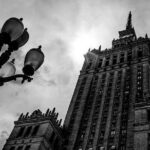
Warsaw gets two different moods in the first two days. Day one starts with a modern landmark: the Palace of Culture and Science, plus a ride up to a high observation platform for a big-picture view of the city. After that, you end with a welcome dinner in the city center, so you don’t waste your first evening wandering.
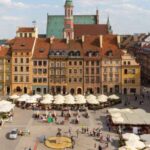
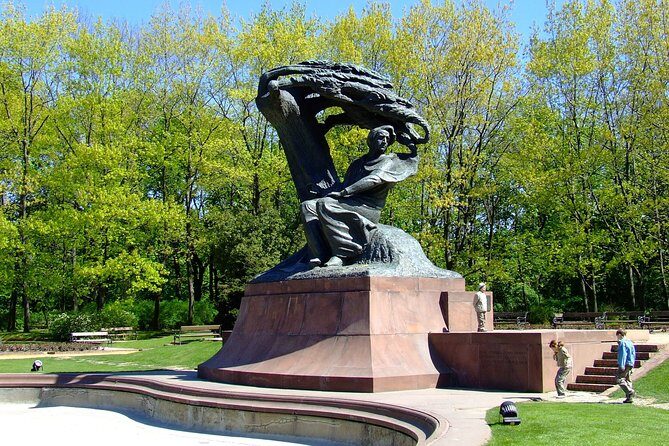
Day two adds the softer side with Łazienki Gardens (the Palace on the Island area) and a visit to Chopin-related sights, including Frederick Chopin’s monument. You also get a guided walk through Warsaw’s rebuilt Old Town, where the Royal Castle anchors the royal storyline and the story of the May 3 Constitution comes into focus.
Practical note: Old Town in Warsaw is compact, but it can still feel like a lot of walking if you stack it with other city sites. The private format helps here because you can move at a comfortable pace with your guide adjusting when needed.
Zakopane and Gubalowka: Wooden Churches and Tatra Views
Then the trip swings south into the Tatra Mountains, with a meaningful stop first: Jasna Góra Monastery and the Black Madonna at Częstochowa. Your tour there is led by a local monastery monk, which gives the visit a different tone than a standard ticketed museum stop. It’s also a reminder that Poland’s identity isn’t only in buildings. It’s in living traditions.
From there, you reach Zakopane, one of Poland’s most popular mountain resorts, set at the foot of the Tatras. Your sightseeing focuses on Zakopane’s wooden architecture, including Jaszczurowka Chapel and the Sanctuary of Our Lady of Fatima at Krzeptowki. Later, you ride up to Gubałówka Mountain for views over the Tatras and time in local shops for arts-and-crafts souvenirs.
Your evening leans into the culture side too: dinner at a typical Highlanders inn with live music. If you like your travel moments to feel like a place people actually live in—not just a performance for tourists—Zakopane is where the tour clicks.
Pieniny Rafting to Krakow: Castles, Spas, and a Fast Change of Scenery
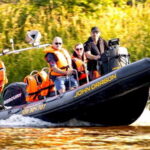
The day trip out of Zakopane is built around the Dunajec River rafting experience in Pieniny National Park. This is one of those classic Poland “watch the scenery turn” days: you get time on the water, then you shift back to travel mode to reach Krakow by evening.
Along the way, there’s a stop in Niedzica, tied to a castle and a lake setting. The rafting ends in Szczawnica-Zdrój, a Polish spa town, and you even have a lunch break with an optional chance to taste the local spring water at a spa house.
If you’re planning what to pack, think about this day: water activities plus car time. Comfortable shoes matter, and layers help because mountain weather can change quickly.
Krakow arrives with a night in the city center area, which is a big plus. You don’t want to battle transit on your first real Krakow evening.
Krakow UNESCO Hits: Wawel Royal Castle, St. Mary’s, and Optional Wieliczka
Krakow is where the tour goes from pretty to historical in a big way—especially on the Wawel Royal Castle and Wawel Cathedral day. You’ll tour Wawel’s royal spaces, then move into cathedral highlights tied to Polish coronation and burial traditions. One standout detail is the Zygmunt bell from 1520, plus the sense of scale you get when you see the castle complex in person.
After Wawel, you roll straight into Old Town. The tour includes St. Mary’s Basilica and its famous wooden altar by Wit Stwosz, plus time around Main Square and the Cloth Hall area.
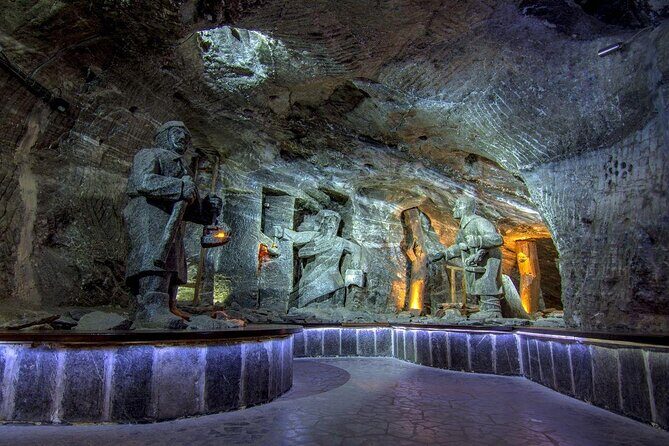
In the afternoon, you have a choice: relax or add the Wieliczka Salt Mine, a UNESCO-listed experience. The salt mine is not included in the core price (it’s listed as extra), but if you’ve never seen a mine converted into a cathedral-like underground world, it’s worth weighing. At $50 per person extra, decide based on your interests and how much walking you want to do after Wawel.
Other private tours in Warsaw
Auschwitz-Birkenau and Wadowice: Sobering but Essential
Day seven includes two very different emotional tones, and that’s part of why this stop is handled as its own block. First you go to Wadowice, tied to John Paul II, with a visit connected to his hometown and the basilica/museum reference in the plan.
Then comes Auschwitz-Birkenau, where you tour the former Nazi concentration camp with a local museum guide. This is a heavy day by design, not by accident. The value of the private format here is simple: you can go through the site with less logistical friction and more focus, instead of managing timed group check-ins.
You return to Krakow for the evening, with dinner on your own and time to decompress.
From Eagles Nests to Lodz: Ogrodzieniec and Polish Manchester
After Krakow, the route aims for a change in scenery and a change in architecture style. On the way north, there’s a stop at Ogrodzieniec Castle, often described as one of Poland’s most impressive castle ruins, with partial restoration. This is part of the broader Eagles Nests Trail area, a chain of medieval fortifications.
Then you land in Lodz, nicknamed Polish Manchester for its industrial legacy. You get a guided city tour and time to see the places tied to that industrial-to-modern transformation. Dinner is on your own that night, which helps break up a day that includes both site time and transit.
Torun and Gdansk by Night: Copernicus to the Baltic
This is one of the easiest days to feel your travel style: you mix folklore, astronomy, and then end at the Baltic. On the way to Gdansk, you stop in Lowicz, known for folk art—especially colorful costumes and paper cut-outs. You visit a local museum tied to this craft tradition.
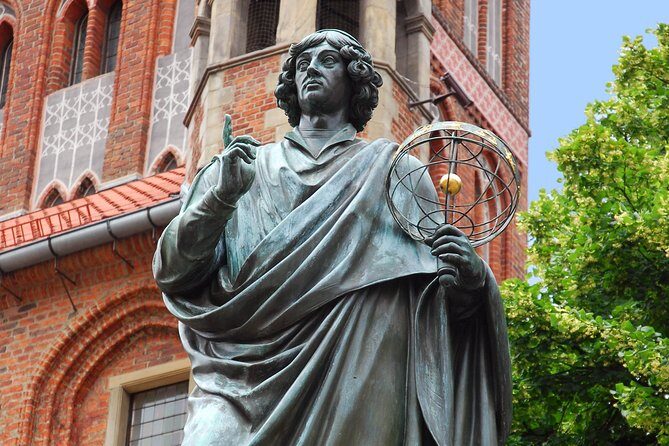
Next is Torun, the city of Nicolas Copernicus. You’ll walk the Old Town, visit Copernicus’s home museum, see the Crooked Tower, and get a tasting moment with gingerbread (very Torun).
Then you continue to Gdansk, check in, and have dinner in the evening. Ending the day in Gdansk helps because you get morning light for the big sightseeing blocks that follow.
Gdansk, Sopot, and the Baltic Soundtrack
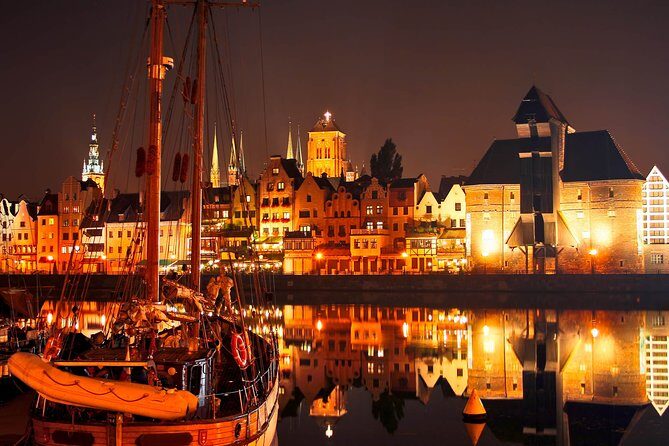
Day ten is a full-on Gdansk day, with a guided Old Town walk and multiple layers of the city’s story. You’ll see St. Mary’s Basilica, the Neptune Monument, and Zuraw Gdanski, plus time at the harbor area. The plan also includes the Roads to Freedom exposition and the Monument of the Fallen Shipyard Workers, linking the city to 20th-century history through specific, local references.
You then visit Westerplatte, tied to the WWII opening conflict. After that, you head toward Oliwa for the cathedral setting, where there’s an option to listen to a concert on a baroque pipe organ. Whether you love classical music or not, an organ concert in a cathedral space changes the way you remember the architecture.
Later, you add the seaside twist: Sopot with its long wooden pier (the plan notes it as the longest in Europe) and free time to enjoy lunch and waterfront atmosphere. Dinner or lunch at sailor-style restaurants is included in the plan options, which is a nice way to keep food choices local without spending your energy researching.
Malbork Castle and Back to Warsaw: Teutonic Knights in Brick
The next day aims for a major medieval power symbol: Malbork Castle, home to the Teutonic Knights. The plan calls it the largest brick castle in Europe, and it’s the kind of site where guided context helps. You’re not just touring a building; you’re seeing fortification design and state power all in one place.
After Malbork, you return to Warsaw with a possible stop in Grunwald or an open-air museum in Olsztynek showing wooden architecture from the 18th to 20th centuries. This part is flexible, so your day can shift slightly based on that route option.
You arrive in Warsaw in the early evening, with dinner and an overnight stay, so you aren’t racing your departure clock.
Warsaw Ghetto Area and Departure Day
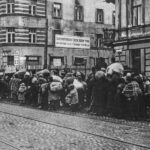
Your final morning includes breakfast and then a short visit to the Warsaw Ghetto area if your flight timing allows it. Since the visit depends on departure time, I treat this as a bonus, not the centerpiece of your last day.
Then it’s transfer to the airport and you’re done. This is also one of the reasons the tour starts at the airport on day one: it keeps your time tight and prevents “wasted days” just to line up logistics.
Who This Tour Fits Best (and Who Might Want a Different Style)
This is ideal if you want:
- A private plan covering multiple cities without rail-bus puzzle-solving
- Local guides at major sites, especially where context matters
- A mix of urban highlights and mountain culture, not just one theme
It might be less ideal if you:
- Prefer slow travel with long unstructured days in one place
- Don’t like paying for optional add-ons, since Wieliczka and a Chopin concert are extra
- Want minimal time in the car; the route covers a lot of ground in 12 days
Also, one helpful real-world tip: keep a small carry-on essentials kit. One past trip experience included a situation where the airline didn’t deliver a group’s checked luggage, outside the tour company’s control. That’s rare, but it’s smart travel hygiene.
Should You Book This Poland Private Tour?
If you want a smooth, guided, door-to-door Poland sampler across Warsaw, Krakow, and the Baltic, I think this tour makes sense. The strong point is how much gets handled for you: private transport, local guides, and entrance fees paired with hotels and breakfast.
I’d book it if you’re excited for both big landmarks (Auschwitz-Birkenau, Malbork Castle) and place-based culture (Zakopane wooden architecture, Gdansk history, Torun’s Copernicus connection). If those are your interests, the price looks more like a logistics bill you don’t have to manage, rather than just a ticket cost.
If you want to customize heavily or you’re price-sensitive, compare this against self-guided travel. But for most first-timers, this route is a clean way to see Poland with less friction and more meaning.
FAQ
What’s included in the tour price?
The package includes private transportation (air-conditioned vehicle), entrances/fees, hotel breakfasts, local guides, and listed dinners on most days. It also includes most major activities covered in the plan.
Are UNESCO sites included?
Yes. The plan includes entrance to many major UNESCO World Heritage sites across Warsaw, Krakow, Gdansk, and Malbork. One exception noted in the pricing is the Wieliczka Salt Mine, which is listed as extra.
What is not included?
Lunches are not included. Two main add-ons are listed as extra: Frederic Chopin’s music concert (USD $25/person) and the Wieliczka Salt Mine (USD $50/person).
What hotel standard can I expect?
The tour description notes 3-star or 4-star hotels with breakfast.
Where and when does the tour start?
Start is at Frederic Chopin Airport, Warsaw, with a 9:00 am start time. The meeting point is near public transportation.
If I need to cancel, can I get a refund?
No. This experience is non-refundable and cannot be changed for any reason. If you cancel or request an amendment, the amount you paid will not be refunded.