REVIEW · WARSAW
Life Behind the Iron Curtain Warsaw Walking Tour
Book on GetYourGuide →Operated by Warsaw UnDiscovered · Bookable on GetYourGuide
Step into Warsaw’s Cold War set.
This walking tour turns socialist realism and grand state spaces into a human story about daily absurdity, not just politics. I love how the route links big monuments to small, real-life annoyances, like empty stores and coded jokes. I also like that you end at the Free Speech Memorial and talk directly about censorship and espionage, not just slogans.
One thing to consider: you cover about 3 km on foot in roughly 150 minutes, so if long walking is tough, you may feel it. The good news is the pace is guided, and it’s wheelchair accessible, but it’s still a real walk through the city.
In This Review
- Key moments you’ll remember
- Price and what you get for $32
- Meeting point and how to find your guide fast
- Constitution Square: the “new center” that tells a whole story
- Marszałkowska Street: built wide for marches, not comfort
- Free Speech Memorial: censorship and espionage, explained without theatrics
- Centrum Bankowo Finansowe and the Communist Party HQ area: power in plain sight
- Cedet and the Central Department Store: when shopping became a joke
- Central Railway Station and the Palace of Culture and Science: scale, control, and public messaging
- Viewing terrace tip
- The last stretch at Emilii Plater 54: tying threads together
- Guides bring the story alive: the Olivia and Agnieszka effect
- Who should book this tour (and who might not love it)
- Quick practical checklist
- Should you book this tour of Life Behind the Iron Curtain?
- FAQ
- How long is the Life Behind the Iron Curtain Warsaw Walking Tour?
- Where does the tour start?
- About how far do you walk?
- Is the tour in English?
- Is the Palace of Culture and Science viewing terrace included?
- Is the tour wheelchair accessible?
- Who should avoid this tour?
- What are the booking and cancellation terms?
Key moments you’ll remember
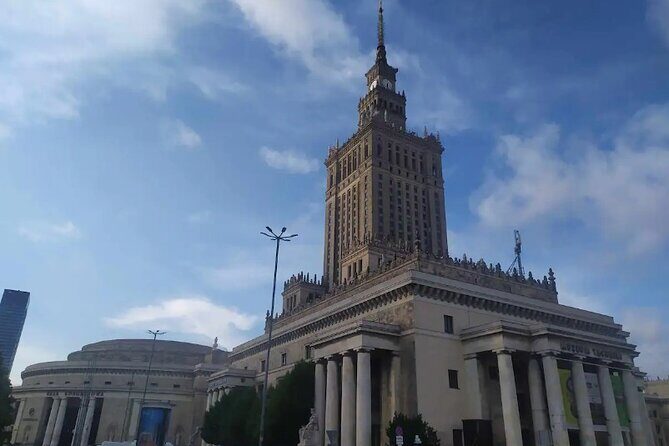
- Constitution Square’s planned future: a square meant to be a new city center, and a symbol of ambition under pressure
- Marszałkowska Street’s parade-broad profile: why some streets were built for displays of power
- Free Speech Memorial: where censorship, fear, and watching people get explained in plain terms
- Socialist realism you’ll argue about: architecture that looks neat to you, but didn’t feel “nice” to many locals
- Cedet and the shopping comedy of scarcity: how everyday purchases became a performance when shelves were empty
Price and what you get for $32
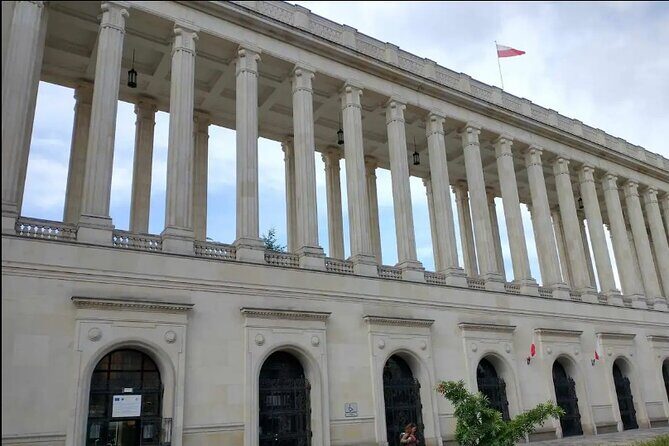
At $32 per person for about 150 minutes, this tour is priced like a smart afternoon investment, not a budget-busting “special event.” You’re paying for a live English guide, plus a pre-tour info pack with practical FAQ-style background and useful local links. You also get visual aids along the way, which matters here because a lot of what you’re seeing is about design and messaging.
Value-wise, the best part is the interpretation. Warsaw’s communist-era buildings can look impressive from a distance. This tour teaches you how to read the details—what the state wanted you to notice, and what people had to do to survive anyway.
Other walking tours we've reviewed in Warsaw

Meeting point and how to find your guide fast
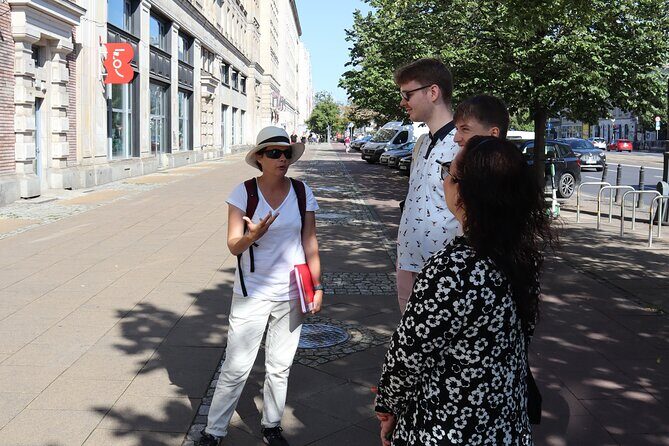
You’ll start at Constitution Square. When you arrive, look for the guide holding a white and green umbrella. That’s an easy one, but still worth confirming early so you don’t lose time figuring it out in the plaza crowds.
The tour finishes at Emilii Plater 54, so plan your next stop nearby if you like to keep things low-stress.
Constitution Square: the “new center” that tells a whole story
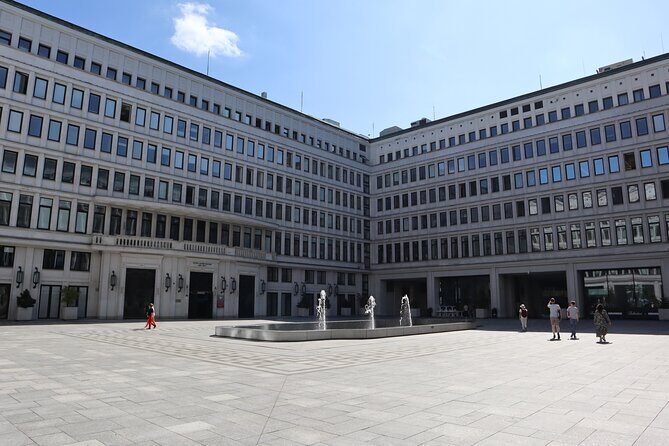
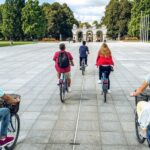
You begin at Constitution Square, and right away you’re looking at a space that was supposed to become Warsaw’s next big center. That’s where the tour’s theme clicks: politics didn’t only control laws and jobs. It also shaped public space—where people gathered, how they moved, and what they were meant to feel.
What I think you’ll enjoy here is the contrast between intention and reality. A square can be designed to project confidence, but the lived experience under authoritarian rule often feels like something else entirely—smaller, harsher, and full of workarounds.
Marszałkowska Street: built wide for marches, not comfort
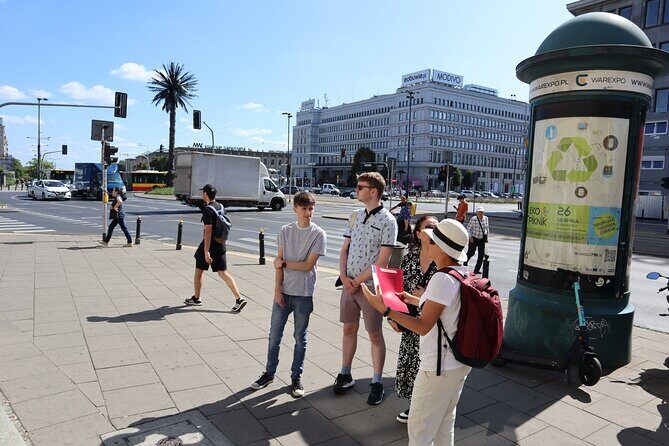
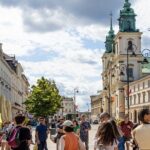
From there you head to Marszałkowska Street, a major artery that was used for parades and marches. This is more than “look at the long street.” You’ll learn how state power likes scale. When you control a city’s width and sightlines, you control what mass events look like—and how people are expected to participate.
As you walk, pay attention to the space itself. Wide boulevards can feel grand today, but in a communist context they often represent control and spectacle. The tour helps you connect those dots without getting lost in jargon.
Free Speech Memorial: censorship and espionage, explained without theatrics
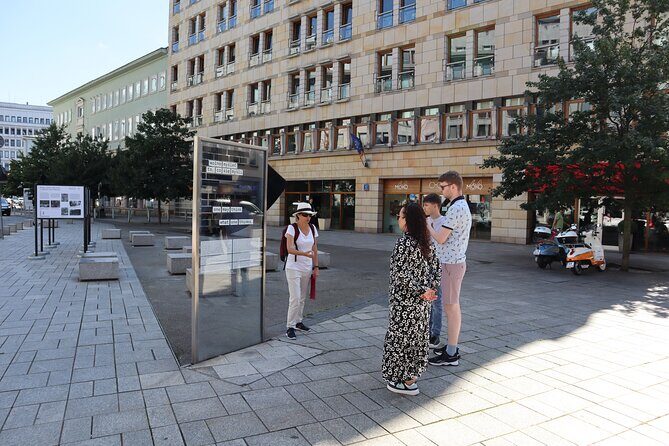
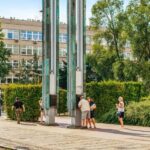
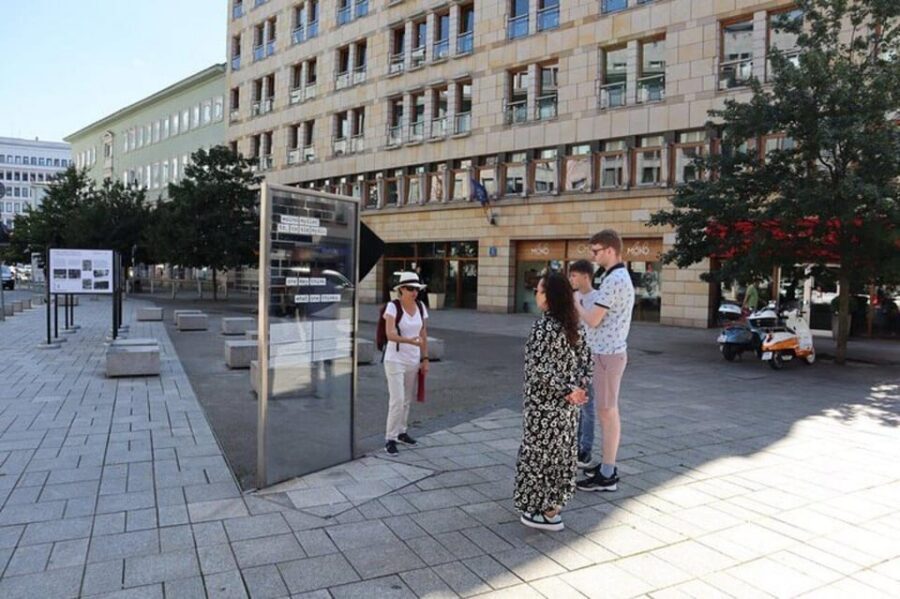
One stop anchors the whole experience: the Free Speech Memorial. This is where the story turns from architecture and planning into direct human consequences. You’ll talk about censorship and espionage, and how those two forces shaped daily behavior—what people said, what they didn’t say, and how they stayed safe.
I like that the approach stays grounded. Instead of turning this into doom-and-gloom, the guide connects fear to everyday choices. You come away understanding that “freedom” under an oppressive system wasn’t abstract—it was monitored.
Other walking tours we've reviewed in Warsaw
Centrum Bankowo Finansowe and the Communist Party HQ area: power in plain sight
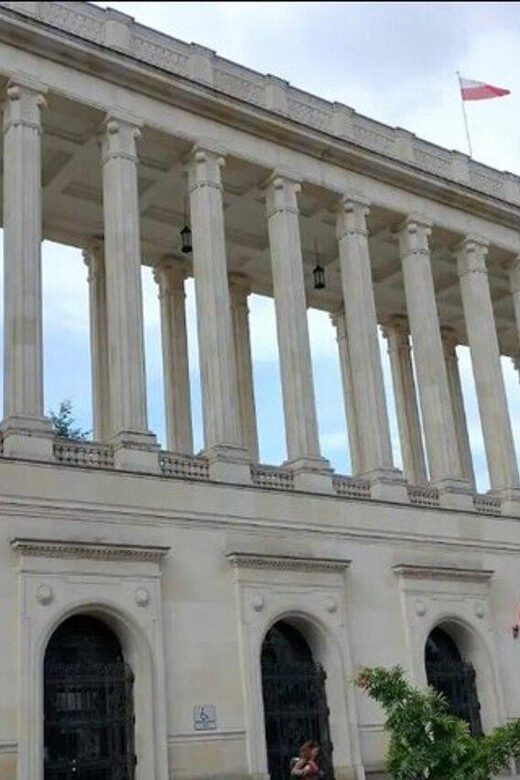
As you move toward the Centrum Bankowo Finansowe area, the tour points out where the Communist Party HQ was located. That matters because it explains why certain buildings and districts felt untouchable. If power sits in a specific place, people learn to read the map of influence in the same way they read a transit route.
You’ll also get help seeing how the regime used visibility. Big institutions weren’t just offices. They were reminders—of who decided, who surveilled, and who could punish.
Cedet and the Central Department Store: when shopping became a joke
Next up is the Central Department Store Cedet, and this is one of the most memorable parts of the walk for the simple reason that it’s about something you can relate to: buying stuff. The tour covers how people could end up dealing with completely empty stores. That disconnect—normal shopping on paper, scarcity in real life—is where the absurdity kicks in.
This is also where the guide’s humor style becomes useful, not distracting. You hear why phrases like what can I get you turned into a kind of joke. When shelves don’t match the routine, the routine stops being sincere. The state still spoke in scripts; people learned to answer with sarcasm, patience, and creativity.
Central Railway Station and the Palace of Culture and Science: scale, control, and public messaging
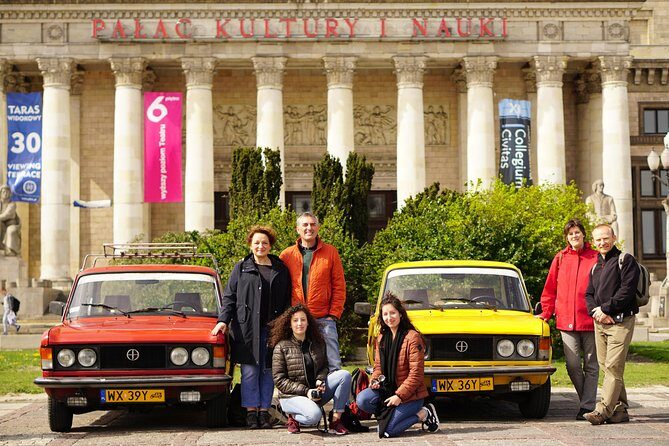
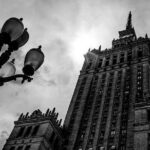
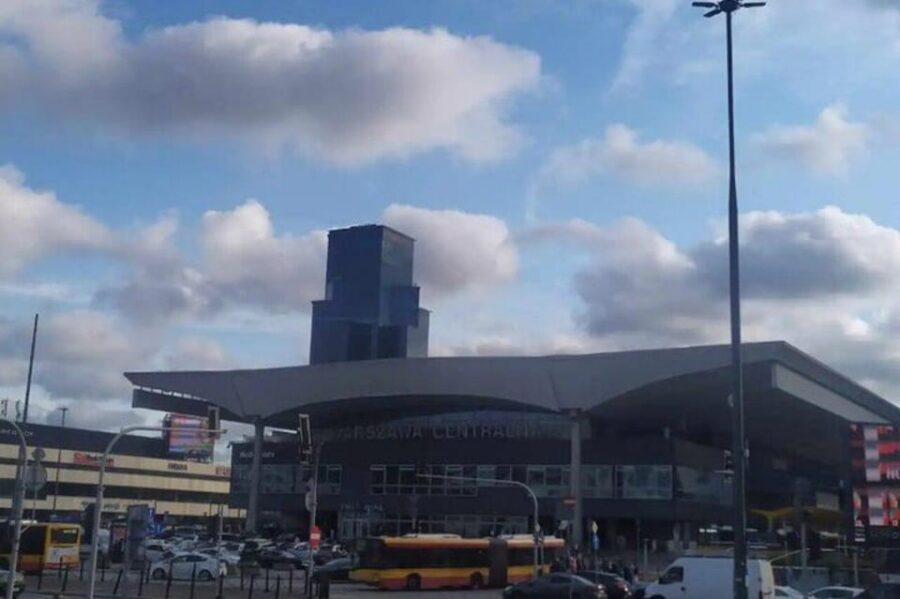
The route brings you to Dworzec Centralny Warszawa (Central Railway Station) and then to the Palace of Culture and Science. These stops are heavy for a reason: transportation hubs and monumental buildings are perfect stages for power. People pass through them in motion, which is exactly how messaging works best—you don’t only see the message, you flow past it.
At the Palace of Culture and Science, you get one of the tour’s most talked-about “controversial building” angles. Even if you’ve seen photos before, the guide helps you read it as propaganda and as a daily landmark at the same time. It’s not just what a building looks like; it’s what it was meant to say.
Viewing terrace tip
There’s mention of an entry fee for the viewing terrace in the Palace of Culture and Science, and it’s not included in the tour. If you’re curious about the view, plan to budget that extra cost. If you’re not, you’ll still get plenty from the exterior context and the story around the building.
The last stretch at Emilii Plater 54: tying threads together
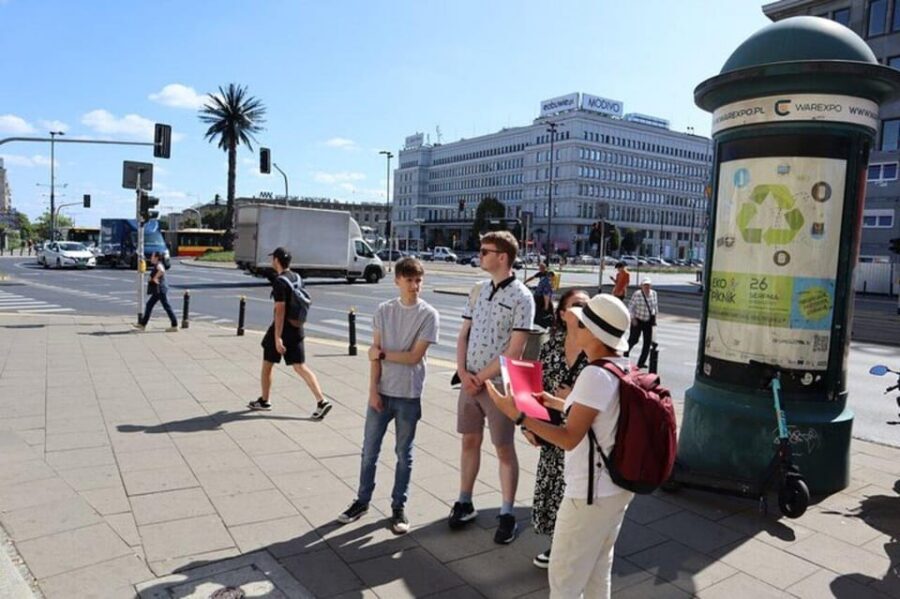
Your finish point is Emilii Plater 54. By the time you reach the end, the best part is that the tour has taught you how to connect the dots: architecture to control, streets to parades, stores to scarcity, and memorials to what people risked when they spoke freely.
Don’t rush this last leg. It’s often where questions come out—about what survived after communism, what changed, and what the city keeps from that era in plain sight.
Guides bring the story alive: the Olivia and Agnieszka effect
A big reason this tour earns strong marks is the guiding style. Names that show up repeatedly include Olivia and Agnieszka, both praised for mixing sharp information with humor that doesn’t cheapen the subject. You’ll also benefit from a guide who answers questions in real time, not just “here’s the next stop.”
One thing I’d look for when you book: pick this tour if you like your history explained through stories and personal angles. The tone here tends to be witty and human, with a dry edge. That matters because the subject is heavy, and humor is often how people described survival without turning it into a lecture.
Who should book this tour (and who might not love it)
This tour is a great fit if you want more than photos and dates. If you like walking tours that teach you how to read a city—how design, street planning, and institutions reflect power—you’ll get a lot here.
It may be less ideal if you have problems walking long distances. Even at about 150 minutes and roughly 3 km, you’ll be on your feet through multiple stops.
Also, this tour suits families and mixed-age groups well because it moves fast enough to stay interesting but not so fast that it ignores explanations. If you’re the type who asks questions while you walk, you’ll likely enjoy the back-and-forth dynamic.
Quick practical checklist
- Wear comfortable shoes. This is a city walk with multiple stops over about 2.5 hours.
- Bring water, especially in warm weather.
- Have your questions ready. The format works best when you engage, not just observe.
- If you want the Palace terrace view, plan for the separate fee.
Should you book this tour of Life Behind the Iron Curtain?
If you’re curious about Warsaw beyond the obvious landmarks, I think this one is worth your time. The strongest reason to book is that it connects communist-era architecture to daily life: censorship and espionage on one end, shortages and social scripts on the other. You leave with a clearer sense of why socialist realism could look pretty on a façade yet feel wrong in lived experience.
Book it if you want a guide who can make the era understandable, with humor and personal storytelling used as tools, not decorations. Skip it if you’re looking only for light sightseeing or you know walking distances are a problem for you.
FAQ
How long is the Life Behind the Iron Curtain Warsaw Walking Tour?
The tour lasts about 150 minutes (about 2.5 hours).
Where does the tour start?
It starts at Constitution Square. Look for the guide with a white and green umbrella.
About how far do you walk?
The distance is approximately 3 km.
Is the tour in English?
Yes, it’s a live tour guide in English.
Is the Palace of Culture and Science viewing terrace included?
No, the entry fee to the viewing terrace is not included.
Is the tour wheelchair accessible?
Yes, the tour is listed as wheelchair accessible.
Who should avoid this tour?
It’s not recommended if you have problems with walking long distances.
What are the booking and cancellation terms?
You can cancel up to 24 hours in advance for a full refund, and you can reserve now and pay later.