REVIEW · WARSAW
POLIN Museum of the History of Polish Jews : SMALL GROUP /inc. Pick-up/
Book on Viator →Operated by Visiting-Warsaw.Com · Bookable on Viator
Skip the ticket line and focus on stories. This POLIN Museum of the History of Polish Jews tour gives you ticket-line-free entry plus door-to-door transport, so you spend less time figuring out logistics and more time reading, listening, and watching.
I also love that the museum experience comes with an audio guide, letting you explore the galleries in an order that makes sense to you. One caution: the museum time can run longer than the advertised window if you slow down with the interactive exhibits, so it’s smart to plan for a bit of breathing room.
In This Review
- Key points before you go
- POLIN Museum: what you’ll be seeing (and why it matters)
- Price and what you get for the money ($90.31)
- Door-to-door pickup in Warsaw: less stress, more museum time
- Your museum experience: audio guide that keeps you moving
- Inside POLIN: virtual library, Jewish culture, and daily life
- The Virtual Library and literary treasures
- Multimedia displays that connect Poles and Jews over centuries
- Family, neighbors, and Jewish-Christian relationships
- Timing reality check: why you might run long
- Small group size: what that changes (for better or worse)
- What to bring and how to get the most out of it
- Who this tour is best for
- Should you book this POLIN Museum tour with pickup?
- FAQ
- Is museum admission included in this POLIN Museum tour?
- Do I get door-to-door transport from my hotel?
- How long does the tour take?
- Is there an audio guide included?
- What languages are available for the audio guide?
- Is the tour only offered in English?
- What group size should I expect?
- Is a mobile ticket included?
- Are photos and postcards included?
- Can I cancel for a full refund?
- How many people are required per booking?
Key points before you go
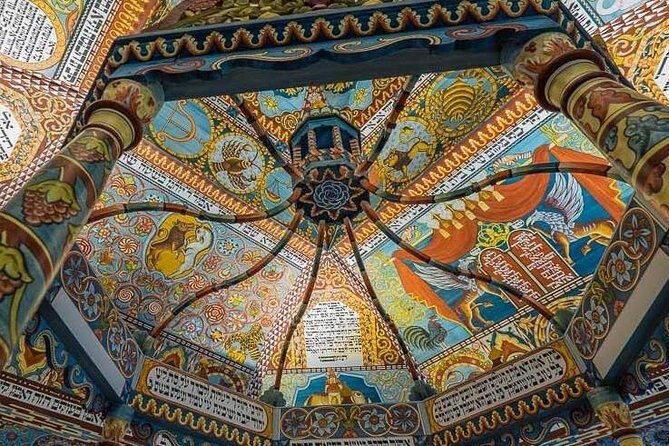
- Admission included: Entry to the POLIN Museum is part of the tour, so you’re not stuck in long lines.
- Door-to-door pickup and drop-off: Your driver/coordinator handles transport from your hotel/apartment to the museum and back.
- Small-group feel: It’s marketed as a small group capped at eight travelers, with an overall max of 15.
- Audio guide included: You get an audio guide in multiple languages, including English and Yiddish.
- Give yourself time to linger: If you want to go deeper, expect the visit to stretch beyond the headline duration.
POLIN Museum: what you’ll be seeing (and why it matters)
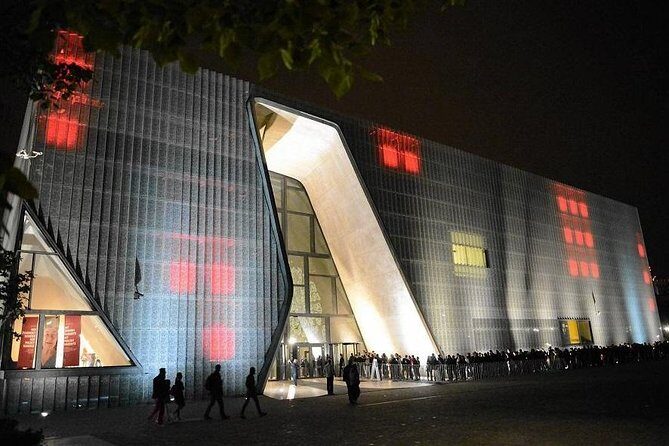
POLIN Museum in Warsaw is built around one big idea: the centuries-long story of Jewish life in Poland—and the impact Jews had on Polish culture, economy, and science. You’re not just looking at artifacts behind glass. The exhibits are designed to help you connect the dots between communities, neighborhoods, ideas, and everyday life.
What makes it especially worthwhile is the museum’s structure. It moves beyond a single timeline and instead blends themes: how families lived, how neighbors interacted, and how Jewish and Christian relationships played out over many generations. If you like history that feels human—rather than only dates and names—this museum is set up for that.
You’ll also notice the museum’s strong multimedia approach. Instead of being forced to read everything in print, you can use visuals, audio, and interactive displays to build understanding as you go. That’s a big advantage for a short tour, because it helps you keep momentum without feeling rushed.
Other POLIN and Jewish heritage tours in Warsaw



Price and what you get for the money ($90.31)
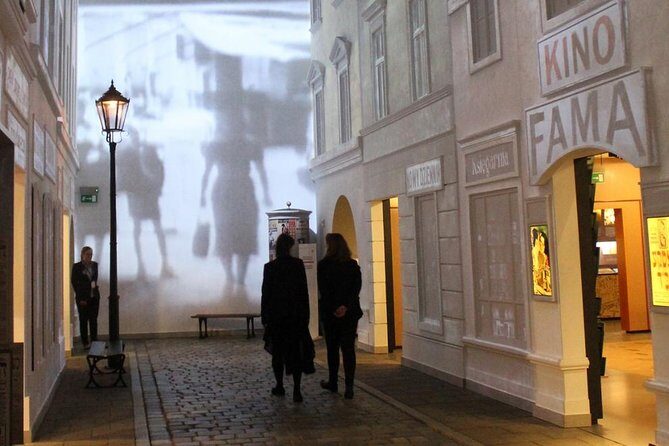
At about $90.31 per person, this isn’t a budget “hop-on/hop-off” add-on. But it’s also not just paying for a museum entrance ticket. You’re paying for a package that includes:
- Entry to POLIN Museum (so you skip the line issue)
- Door-to-door transport from your hotel/apartment and back
- An audio guide (multiple language options)
- A driver/coordinator for help during the transfer
That combo is the real value. Warsaw can be easy to navigate, but it can still be time-consuming to coordinate tickets and public transit on the fly—especially when you’re also trying to see other sights the same day. Here, the transport and entry are handled, which can make your schedule feel calmer.
The museum portion itself is often around 1 hour 15 minutes within the full 1 hour 40 minutes to 2 hours estimate. Still, you should treat the headline timing as a guideline, not a strict timer—because the exhibits are the kind that naturally slow you down.
Door-to-door pickup in Warsaw: less stress, more museum time
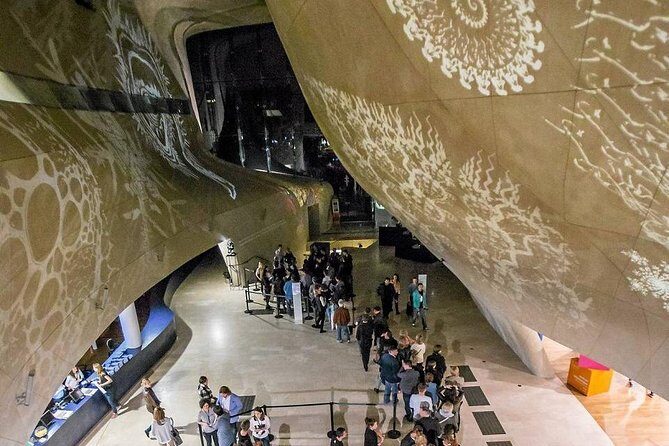
The pickup system here is designed to remove the most annoying part of a museum day: finding your ride and managing the timing.
When you book, you send your hotel/apartment address. On the day of the trip, the coordinator/driver waits before entering the building, with a card showing your name and surname. That small detail matters because it’s easy to waste time hovering around the wrong entrance or searching for the right person.
The same door-to-door idea works in reverse at the end. You’re transported back to your hotel/apartment after the museum visit, which helps if you’re planning a tight itinerary around meals, other museums, or evening plans.
One small note for planning: the timing is built around a smooth transfer flow. If you end up spending extra time inside, you’ll want to make sure you’re coordinating your return so you’re not left scrambling.
Your museum experience: audio guide that keeps you moving
This tour is built around learning as you explore, not around a rapid-fire scripted talk. The audio guide is included, and it’s available in a wide range of languages: English, Belarusian, French, German, Hebrew, Hungarian, Italian, Polish, Russian, Spanish, and Yiddish.
That matters for you in two ways.
First, if English is your comfort zone, you can stay in that language and keep your pace. Second, if you’d like to compare how different cultural and religious ideas are described, the audio format makes it easier to revisit sections without constantly hunting for explanations in multiple forms.
The audio guide approach also means you’re not trapped in a single viewing route. You can spend more time where something clicks—like a specific theme, a personal story, or a concept explained in a multimedia display—without falling behind a group pace.
Inside POLIN: virtual library, Jewish culture, and daily life
Stop 1 is the POLIN Museum of the History of Polish Jews. This is where the tour really earns its keep.
You’ll start with the museum’s core theme: how Jews contributed to Polish life across centuries. The exhibits focus on major cultural and intellectual areas, including religion and philosophy, and they also connect to practical life—community structures, neighbors, and shared public spaces.
Then come the multimedia elements that make the museum feel modern while still grounded in history.
Other historical tours in Warsaw






The Virtual Library and literary treasures
One standout section is the museum’s virtual library, where you can explore major works of Hebrew and Yiddish literature through multimedia presentations. You’ll encounter categories like Talmudic material as well as religious, philosophical, and moral works.
The exhibit doesn’t just tell you that these texts exist. It helps you visualize them as objects and ideas, which is helpful if you want more context but don’t want to get bogged down in translations alone.
There’s also an interactive feature tied to print culture. Visitors can print the title page from a 16th-century book using the museum’s press-related tool. If you like hands-on experiences—even small ones—this kind of detail makes the learning stick.
Multimedia displays that connect Poles and Jews over centuries
Another major part of the museum is the way it shows Polish and Jewish life together for hundreds of years, including how cultures influenced one another. This isn’t handled as a single “good times” story or a single conflict story. The exhibits are set up to show how communities shared space, overlapped in daily routines, and lived side by side.
Family, neighbors, and Jewish-Christian relationships
You’ll also find conventional exhibition spaces that focus on relationships at ground level: family life, neighborly interactions, and the changing nature of Jewish-Christian relationship in the same society.
This section is especially valuable because it helps you stop thinking of history only as policy and tragedy. It brings you closer to how people actually interacted—how proximity creates familiarity, how difference creates tension, and how those dynamics shifted through time.
Timing reality check: why you might run long
The tour’s stated museum time and overall duration are reasonable. But this is a museum that’s full of interactive and multimedia sections, so it’s easy to want “one more stop” once you’re inside.
A practical way to think about it: if you treat POLIN like a 60–90 minute museum sprint, you’ll get the basics. If you treat it like the place it is—where you’ll want to actually read, listen, and watch—your visit may stretch.
So here’s the move: plan your day with a little buffer. If you’ve stacked your schedule tightly with dinner reservations or another far-away museum, keep the handoff times realistic. You’ll enjoy the experience more when you aren’t doing math in your head every few minutes.
Small group size: what that changes (for better or worse)
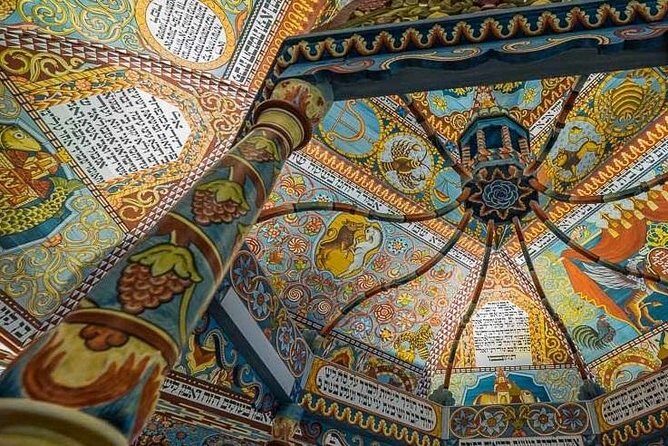
One reason people like this setup is the small-group approach. It’s described as capped at eight travelers, which usually means less chaos when you’re getting moving instructions and less waiting at the curb.
At the same time, the overall cap is listed as a maximum of 15. In practice, that means you should expect a calm experience with a human-sized group, but it’s still smart to assume there could be more than eight if your date is busy.
What doesn’t change: you’ll still have a driver/coordinator working with you. That makes a difference when you need to locate the right entrance, keep an eye on timing, or clarify where to go next.
What to bring and how to get the most out of it
This tour is simple, because entry and audio are included. Your job is mostly to show up ready to pay attention.
- Bring headphones if you prefer your own style, but the audio guide system is provided as part of the tour.
- Wear comfortable shoes. The museum experience involves moving through multiple exhibit areas, and you’ll want your feet to cooperate.
- If you’re the type who likes taking notes, plan for it. The museum covers a lot of centuries, and a few quick reminders for yourself make it easier to connect ideas later.
Also, photos and postcards aren’t included. If you want souvenirs, you’ll need to handle that separately once you’re on-site.
Who this tour is best for
This experience fits best if you want a low-friction way to see one of Warsaw’s most important museums.
It’s ideal for:
- First-time visitors who don’t want to deal with museum ticket lines and transit planning
- People who appreciate audio learning and self-paced exploring
- Travelers who want a short, structured visit with door-to-door convenience
It might be less ideal if:
- You’re only interested in a tiny “highlight reel” and hate any chance of the schedule slipping
- You have back-to-back commitments with zero flexibility
Should you book this POLIN Museum tour with pickup?
If your priority is to see POLIN without wasting time on logistics, I’d say this is a strong choice. The biggest wins are the included entry, the door-to-door transport, and the audio guide that helps you make sense of what you’re seeing.
Book it if you want an easier day and a calmer schedule. Give yourself a little buffer, though. POLIN is the kind of museum where you can slow down without noticing the minutes disappearing—and that’s usually a good problem to have.
If you’re the strict type with a tight itinerary, consider building in extra time or pairing it with something close by, so you’re not rushing your own understanding.
FAQ
Is museum admission included in this POLIN Museum tour?
Yes. Entry to the POLIN Museum of the History of Polish Jews is included, so you avoid long ticket lines.
Do I get door-to-door transport from my hotel?
Yes. The tour includes transportation from your hotel/apartment to the museum and back again.
How long does the tour take?
The duration is listed as approximately 1 hour 40 minutes to 2 hours.
Is there an audio guide included?
Yes. Audio guides are included, and languages listed include English and Yiddish, plus several others.
What languages are available for the audio guide?
Audio guides are offered in English, Belarusian, French, German, Hebrew, Hungarian, Italian, Polish, Russian, Spanish, and Yiddish.
Is the tour only offered in English?
The tour is offered in English.
What group size should I expect?
It’s described as a small group limited to eight travelers, with an overall maximum of 15.
Is a mobile ticket included?
Yes. A mobile ticket is included.
Are photos and postcards included?
No. Photos and postcards are not included.
Can I cancel for a full refund?
Yes. Cancellation is free up to 24 hours in advance of the experience start time for a full refund.
How many people are required per booking?
A minimum of 2 people is required per booking.