Jewish Warsaw can feel overwhelming if you hit it on your own. This tour keeps it practical and human, moving street by street through what was there before World War II and what survived. I especially love how it pairs specific locations with clear explanations, so the neighborhood stops make sense fast rather than turning into random sightseeing. I also like that it finishes at the POLIN Museum, so you can extend the story with audio guides right after the walk.
My one caution: a couple key stops require extra admission, including the Nozyk Synagogue and the Jewish Cemetery, plus a separate Jewish Warsaw entrance fee. If you’re counting euros (or zloty), plan on a small add-on beyond the tour price.
In This Review
- Key points to know before you go
- Where Jewish Warsaw really starts: Grzybowski Square
- The preserved commercial street on Ulica Prozna
- Nozyk Synagogue: the one still in operation
- Krochmalna and Isaac Bashevis Singer’s Warsaw
- Chlodna Street and Warsaw backyards
- Keret House: the story behind the narrowest house
- Jewish Cemetery: more than names on stones
- Pomnik Bohaterow Getta and Willy Brandt’s knee
- POLIN Museum: finishing with control
- Price and value: where your money actually goes
- Logistics that matter in Warsaw (and how to handle them)
- Who this tour suits best
- A practical mindset for the day
- Should you book Jewish Warsaw?
- FAQ
- Is the tour in English?
- How long is the Jewish Warsaw tour?
- Where does the tour start and end?
- Do I need to pay extra for any stops?
- Is pickup available?
- Is it near public transportation?
- What is included in the price?
- Is lunch included?
- What’s the meeting point if my hotel is outside the city center?
Key points to know before you go
- Grzybowski Square start point: a fast orientation to pre-war Jewish Warsaw
- Nozyk Synagogue visit: the only synagogue that survived WWII and is still operating
- Singer-literature streets: Krochmalna is linked to Isaac Bashevis Singer’s writing
- Keret House photo-and-story moment: learn about the narrowest house in the world
- Jewish Cemetery + traditions: burials, plus Esperanto history, Janusz Korczak’s orphanage, and Jewish theater
- Ends at POLIN Museum: perfect for audio-guide follow-up on your own
Where Jewish Warsaw really starts: Grzybowski Square
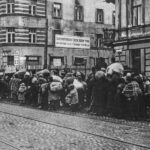
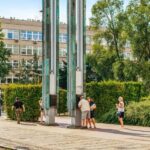
The tour kicks off at Grzybowski Square, right in the center of what used to be pre-war Jewish Warsaw. This is a good choice because it gives you an orientation before the walking starts. I like that the guide talks about how Warsaw had the largest Jewish community in Europe up until World War II—so you understand the scale before you see the details.
You only spend about 15 minutes here, so it’s not a lecture marathon. Still, it sets the tone and helps you notice what you’ll later recognize in the streets.
Other POLIN and Jewish heritage tours in Warsaw
The preserved commercial street on Ulica Prozna
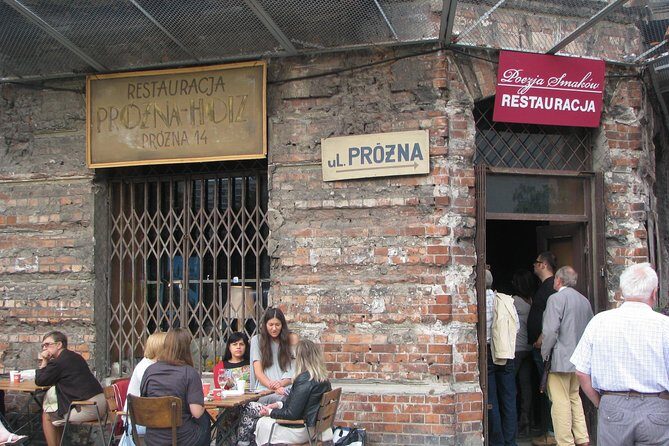
Next comes Prozna Street, a Jewish commercial street that has been preserved in its original form. In practice, this is where the tour starts to feel like a real neighborhood rather than a list of monuments. You hear about the people who lived and worked here, including well-known families tied to Warsaw’s Jewish life.
This stop is short (around 10 minutes), so don’t expect time to wander off-route. But you’ll get the big idea: the area wasn’t just religious life—it was also daily commerce and community.
Small consideration: if you’re hoping for lots of free time for photos, this stretch moves a bit quickly.
Nozyk Synagogue: the one still in operation
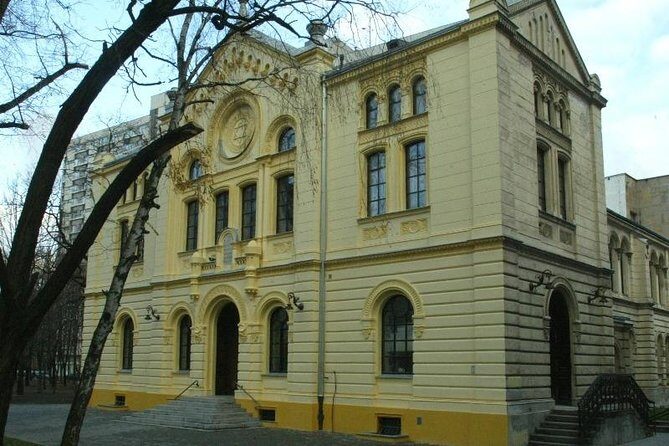
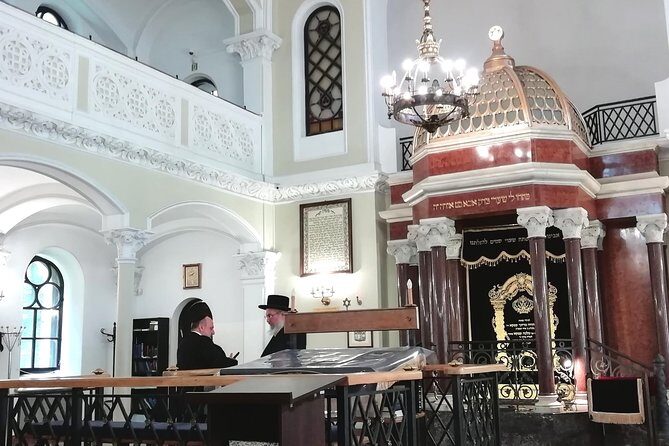
The tour’s first major paid stop is Nozyk Synagogue, where you can see a Jewish house of worship that survived World War II and is still operating today. That combination matters. You’re not just looking at a ruin; you’re visiting an active place of Jewish life, which changes how you take in the architecture and the atmosphere.
The stop is about 15 minutes. Admission isn’t included, so bring your extra budget mindset here. Also, be ready for a more reflective pause than the street stops—this is the kind of place where your brain slows down.
Krochmalna and Isaac Bashevis Singer’s Warsaw
At Krochmalna, the tour connects streets to literature—specifically the kind of locations made vivid in the prose of Isaac Bashevis Singer (Nobel Prize for Literature). This is more than a literary trivia break. When you understand that Singer wrote about Warsaw’s Jewish world, Krochmalna stops feel less like scenery and more like chapter headings from a real city.
This one is brief, around 5 minutes, and that’s about right. You get the connection, then you move on before the moment gets watered down.
Chlodna Street and Warsaw backyards
Chlodna Street is where the tour shifts from the main street image to what life looked like behind it. You look at houses that are still in their original condition and explore the backyards—those in-between spaces where community life often sat out of view from the sidewalk.
The timing is around 10 minutes. Expect it to feel slightly more “local” than the big landmark stops. It’s also a reminder that history isn’t only in buildings you recognize from postcards.


Keret House: the story behind the narrowest house
Then you reach Keret House, known for being the narrowest house in the world. The guide explains its history, and you’ll likely spend a little time just looking at the building’s proportions. This is one of those stops that’s easy to understand even if you’re not a architecture nerd.
It’s about 10 minutes. You’ll get the basics, take your photos, and move on—no long detours.
Jewish Cemetery: more than names on stones
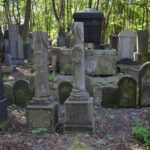
One of the longest stops is the Jewish Cemetery (around 40 minutes). Admission isn’t included, so plan for an extra entrance fee. This is also the kind of place where the value comes from what the guide teaches, not just what you see.
You learn about Jewish burials and traditions, then you’re introduced to additional threads tied to Jewish cultural history, including the Esperanto language, Janusz Korczak’s orphanage, and the Jewish theater. That might sound like a lot for a cemetery visit, but it actually works. It shows how Jewish identity carried through education, language, performance, and community care—even in places marked by loss.
Tip for your visit: take your time with the details, but don’t try to read everything. Use the guide’s framing so you’re absorbing meaning rather than sprinting through stone after stone.
Pomnik Bohaterow Getta and Willy Brandt’s knee
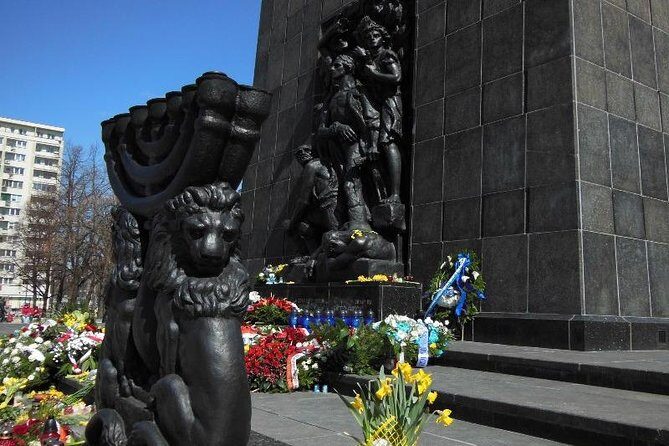
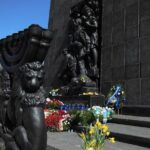
Next is the Pomnik Bohaterow Getta, where the tour stops at a spot made famous by Willy Brandt’s famous knee. This is one of those moments where the guide helps you understand why the monument matters beyond its location on a map.
It’s a short stop (about 15 minutes), and that’s fine. Monuments hit best when you pause and let yourself take them in for a minute, then keep moving.
POLIN Museum: finishing with control
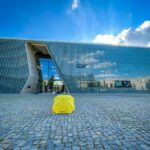
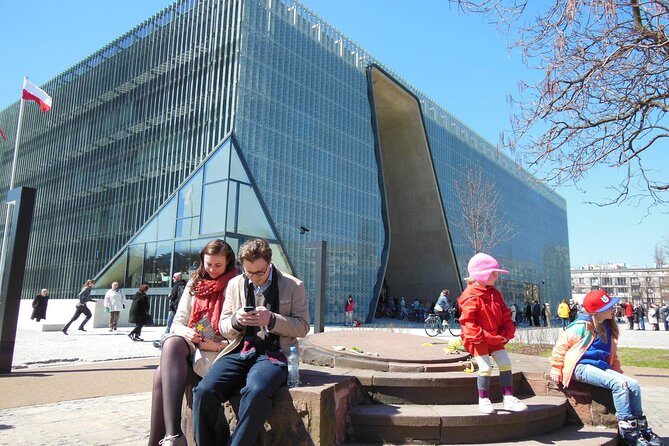
The tour ends at POLIN Muzeum Historii Zydow Polskich. You spend about 15 minutes there with the guide, focusing on the building and the symbolism of the museum’s architecture. Then you can visit the museum yourself using audio guides.
This ending is smart for two reasons:
- You’re not forced to do everything in one group session.
- If you want more time, you can stay inside. If you don’t, you’re not stuck.
Also, the tour finishes at an address you can easily locate: Mordechaja Anielewicza 6, 00-157 Warszawa.
Price and value: where your money actually goes
At $89.35 per person for about 3 hours, this isn’t a bargain-style walking tour. But it also isn’t priced like a private driver with a shopping detour. You’re paying for guided context across multiple meaningful stops, plus the practical comfort of an air-conditioned vehicle.
Here’s what affects total cost in real life:
- The tour includes air-conditioning and ends at POLIN.
- A Jewish Warsaw entrance fee of €5.00 per person is not included.
- Nozyk Synagogue has an admission fee not included.
- The Jewish Cemetery admission fee isn’t included either.
So, the real value equation is: you’re likely paying extra at a few sites, but you’re also getting a guided narrative that connects them. If you like tours where you learn what to notice on your own afterward, this price can feel fair.
Logistics that matter in Warsaw (and how to handle them)
This tour is in English and offers pickup. If you’re staying centrally, the guide picks you up at your hotel reception with the PolinTours sign or waits in the car in front of the entrance.
If your hotel is farther out, a meeting point is agreed by email. That’s helpful, because Warsaw neighborhoods can be spread out. Also, the tour notes that it’s near public transportation, and if you’re using transit, you should consider buying tickets in advance and/or carrying small change.
Finally, it’s private in the sense that only your group participates. That matters if you want your questions answered without the awkward “everyone hears the same answer” feeling.
Who this tour suits best
This is a great match if you:
- want street-level context rather than only indoor museum viewing
- like a guided story that follows the city’s layout
- want a finish at POLIN so you can extend the visit at your pace
It’s less ideal if you want a long, slow stroll with lots of time to browse on your own between stops. The itinerary is structured, and some stops are short by design.
A practical mindset for the day
Bring comfortable shoes. You’ll be moving through several stops over roughly 3 hours. Also, think ahead about admissions at Nozyk Synagogue and the Jewish Cemetery, plus the Jewish Warsaw entrance fee. If you want to avoid last-minute stress, keep some cash or card options ready for those site payments.
And mentally? Keep your expectations aligned with what this tour does well: it gives you the map and the story. Then it hands you off to POLIN, where you choose how much deeper to go.
Should you book Jewish Warsaw?
I’d book it if you want Jewish Warsaw to make sense as a real place, not just a set of stops. The strongest part is the way the tour threads together streets, surviving religious life at Nozyk Synagogue, and cultural history introduced during the cemetery visit—then closes at POLIN Museum where the story continues with audio guides.
Skip it only if you already have a full museum plan and you’re not interested in guided context across multiple sites, some with extra admissions. For most people, this hits a sweet spot: structured, guided, and easy to follow, with a museum finish that lets you stay curious at your own pace.
FAQ
Is the tour in English?
Yes. The tour is offered in English.
How long is the Jewish Warsaw tour?
It runs for about 3 hours (approx.).
Where does the tour start and end?
It starts at Grzybowski Square (Pl. Grzybowski 2, 00-824 Warszawa) and ends at the POLIN Museum of the History of Polish Jews (Mordechaja Anielewicza 6, 00-157 Warszawa).
Do I need to pay extra for any stops?
Yes. The tour lists extra admissions not included for Nozyk Synagogue and the Jewish Cemetery, and there is also an entrance fee for Jewish Warsaw (€5.00 per person).
Is pickup available?
Yes. Hotel pickup is offered, with the guide meeting you at reception with a PolinTours sign or waiting in the car in front of your hotel.
Is it near public transportation?
Yes, it is noted as near public transportation.
What is included in the price?
The tour includes an air-conditioned vehicle.
Is lunch included?
No. Lunch is not included.
What’s the meeting point if my hotel is outside the city center?
If your hotel is far outside the city center, the meeting point will be agreed by email, and the guide will wait at the agreed location with the PolinTours sign.