REVIEW · WARSAW
Warsaw Jewish Heritage Private Tour in Retro Fiat
Book on GetYourGuide →Operated by Warsaw Private Tours WPT1313 · Bookable on GetYourGuide
A vintage Fiat makes painful history easier to reach. This Warsaw Jewish Heritage private tour mixes Fiat 125p street time with stops that survived when so much did not, all starting with hotel pickup and a personal guide. I especially like the way you get up close to Nożyk’s Synagogue and the remaining ghetto-wall fragments, with context that turns street names into something you can actually picture.
One thing to plan for: the tour is part walking and part driving, and the synagogue and cemetery are closed on Saturdays, so what you see can shift with the day.
In This Review
- Key highlights you’ll feel right away
- Why a retro Fiat tour works for Warsaw’s Jewish heritage
- Meeting up: hotel pickup, Fiat 125p ride, snacks, and timing
- Nożyk’s Synagogue: the moment the story becomes concrete
- Seeing the ghetto wall fragments and Grzybowski Square
- Muranów’s former Large Ghetto: street art, modern blocks, and the graves nearby
- Ghetto Heroes Monument and the Museum of the History of Polish Jews
- Optional Roman Polanski’s The Pianist locations in Praga-North
- Price and value: what $105 buys you in real terms
- Who this tour suits best (and who might want a different plan)
- Practical tips: comfortable shoes and smart expectations for the day
- Should you book the Warsaw Jewish Heritage Private Tour in Retro Fiat?
- FAQ
- How long is the Warsaw Jewish Heritage Private Tour in Retro Fiat?
- What’s included in the price for this private tour?
- Do I need to pay entrance fees for the sites?
- Will I be picked up from my hotel?
- What vehicle do you use for the tour?
- Is the tour guide English-speaking?
- Are the synagogue and cemetery open on Saturdays?
Key highlights you’ll feel right away
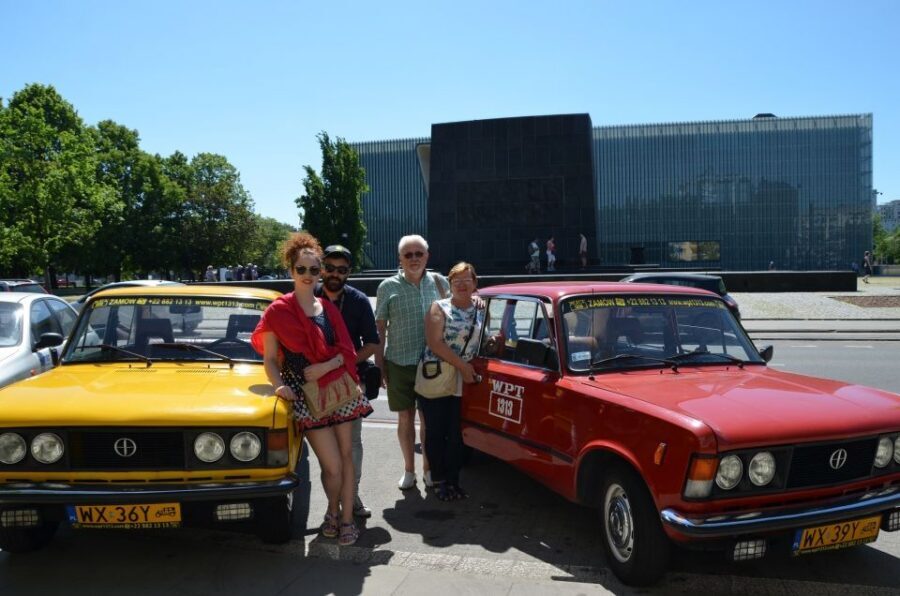
- A retro Fiat 125p experience that turns a heavy route into something you can comfortably do in 4 hours
- Nożyk’s Synagogue as the only Warsaw synagogue still operating after WWII
- The last fragments of the ghetto wall, including the red-brick barrier built in 1940
- Ghetto Heroes Monument as a powerful stop with a dedicated museum option nearby
- Muranów’s former Large Ghetto area where street art and modern buildings share the space
- Optional Roman Polanski’s The Pianist filming locations, with help from your guide for what fits your interests
Why a retro Fiat tour works for Warsaw’s Jewish heritage
Warsaw’s Jewish story is not just museum material. It is in the streets, the brickwork, the squares you pass on the way to somewhere else. This is exactly why the format matters. You spend time driving between key points, then step out for short walks where the details really land.
The vintage Fiat 125p is more than a cute prop. It forces a slower pace. You hear street-level explanations, you see the shapes of neighborhoods from a vantage point that feels local, not tour-bus distant. And the guide can keep the route flexible if conditions change.
This tour also makes the day feel human-scale. You’re not trying to do everything alone on a tight schedule. You get hotel pickup, a private guide, and a structured flow that connects the ghetto’s physical boundaries with what people experienced behind them. It’s heavy subject matter, but it’s handled with practical clarity, not vague lecturing.
Other private tours in Warsaw
Meeting up: hotel pickup, Fiat 125p ride, snacks, and timing
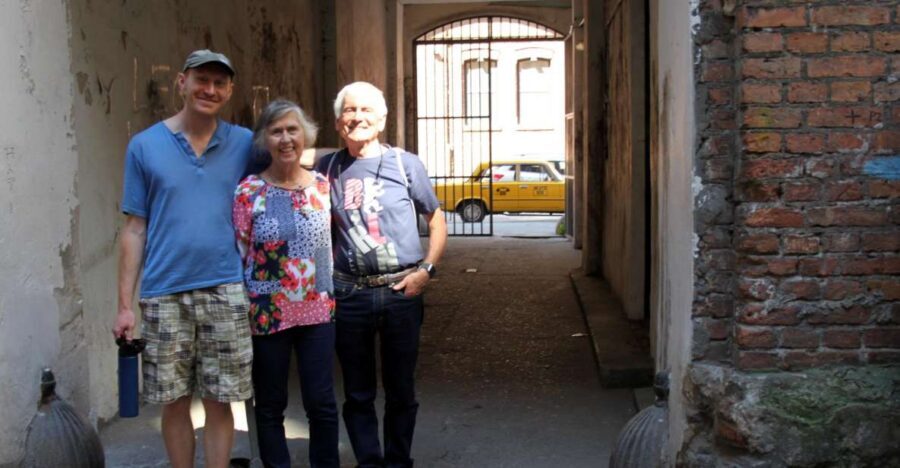
You start with pickup from a centrally located hotel (or another centrally located point). From there, you board the Fiat 125p, a recognizable 1980s-era classic. It’s a private tour, so you’re not squeezed into a crowd during the parts where the story matters most.
The ride includes small comforts that help when the weather is cold (and Warsaw can be). There are onboard snacks like Polish sweets and a donut, plus a vodka shot. There’s also a souvenir photo with your car, and your tour photos are emailed afterward.
One detail worth knowing: the itinerary can shift based on current traffic. That’s not a problem; it usually makes the day run smoother. It also means you’ll likely spend more time at the stops that are workable in real-world conditions.
For larger groups, transport changes. If there are more than 4 people, you’re driven around in a blue vintage minivan instead of the Fiat. If you care a lot about the retro Fiat itself, this is something to check when you book.
Nożyk’s Synagogue: the moment the story becomes concrete
The tour’s first major emotional stop is Nożyk’s Synagogue, still operating today. It’s known as the only Warsaw synagogue to survive WWII, so it carries a rare kind of presence. You’re not just looking at a memorial. You’re looking at something that kept functioning when so much else was erased.
What I like about this stop is the way it gives you a baseline for the rest of the route. After you’ve seen an active place of worship, the ghetto boundaries you’ll learn about next don’t feel abstract. They feel like a denial of everyday life.
Practically, this synagogue can be a bit tricky to enter on short notice. The tour uses a guide to handle the logistics so you’re not left figuring it out in the cold. One guide name that comes up in real experiences is Konrad, noted for being persistent in getting into the synagogue, which matters when you only have a few hours.
Two important cautions:
- The synagogue is closed on Saturdays, so a weekend booking can change this part of the itinerary.
- Wear comfortable shoes. Even if you’re mostly driving, you’ll still be moving through streets and entrances.
Seeing the ghetto wall fragments and Grzybowski Square
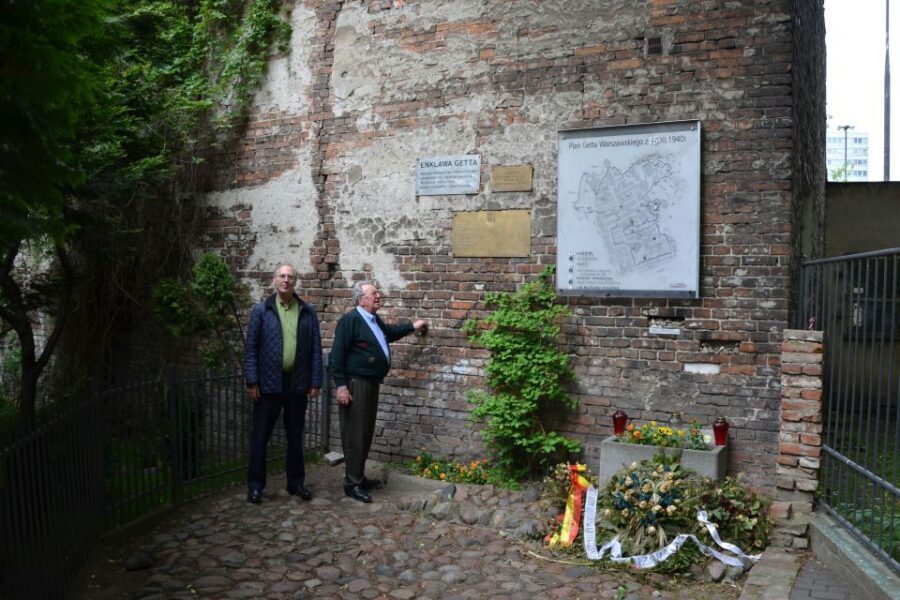
One of the hardest things about learning WWII history is that the physical evidence can feel missing. Here, you get what remains. The tour includes the ghetto wall fragments, red-brick sections built in 1940 that isolated more than 400,000 Jews from the rest of the city.
Even a fragment can do a lot to your imagination. Standing near surviving wall sections, you can picture how enforced separation worked day after day. It’s not just a line on a map. It’s something people faced—some of them every time they went out, shopped, walked, waited.
The tour also passes Grzybowski Square (Plac Grzybowski), once part of the ghetto. This is a good “bridge stop.” You catch your bearings and start recognizing how the old ghetto connected to street life around it.
A good guide will help you notice the small things: what the wall material looks like, how the neighborhood layout funnels movement, and how the modern streets still reflect older boundaries. Maks is one guide name that’s highlighted for being strong at the full street-to-site experience, including maneuvering the car so you can keep your schedule and still see key points.
Muranów’s former Large Ghetto: street art, modern blocks, and the graves nearby
Next comes the Muranów district, often associated with the former Large Ghetto. This area is built on the rubble of the ghetto, and today you’ll see a mix of modern buildings and street art. That contrast can be uncomfortable, but it’s also honest. History didn’t reset the city. The city rebuilt over it.
The tour takes you into this setting with explanation that connects the old boundaries to how the area looks now. You’re guided to understand what was happening behind the walls, and why the ghetto’s destruction and the postwar rebuilding left a visible mark on the neighborhood.
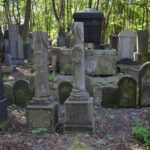
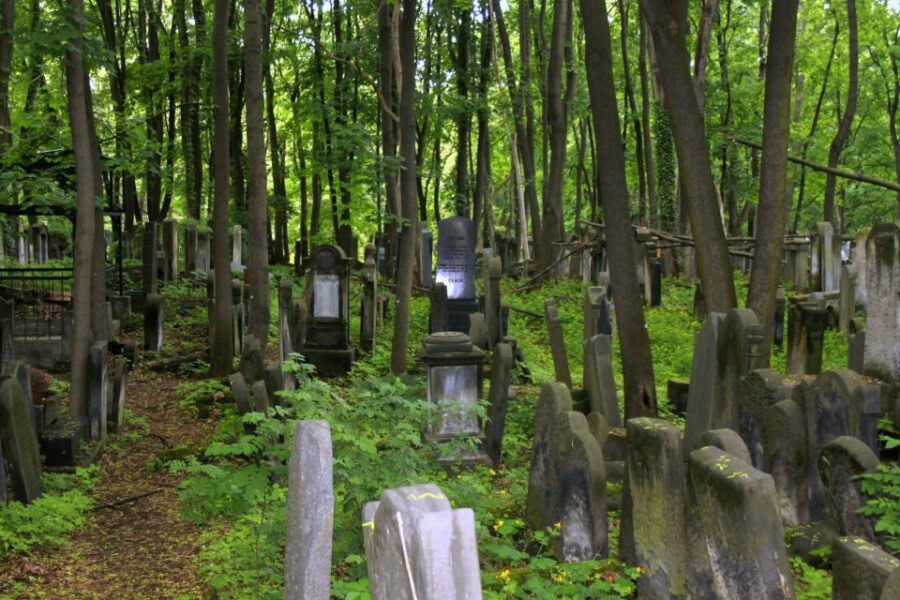
Then you’ll park and take a walk around the Jewish Cemetery area. The cemetery is described as having thousands of graves, so expect this to be a quiet, reflective walk—not a quick “photo and go” stop. The shoes advice matters here. You’ll want footwear that works well on uneven sidewalks and cold ground.
One more scheduling point: the cemetery is closed on Saturdays too. If your travel dates include a Saturday, ask your guide ahead of time how they’ll adjust the walking portion and which nearby stops can still be visited.
Other POLIN and Jewish heritage tours in Warsaw



Ghetto Heroes Monument and the Museum of the History of Polish Jews
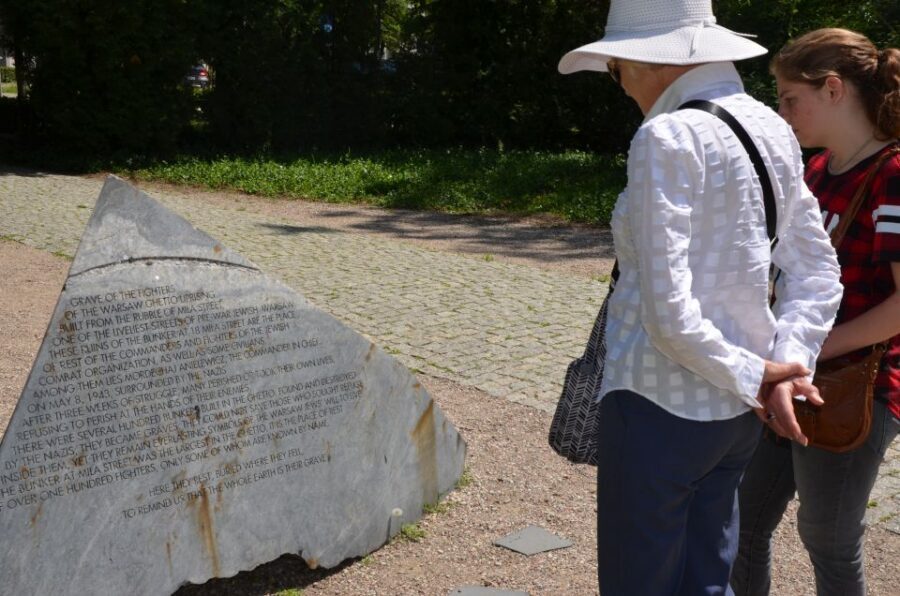
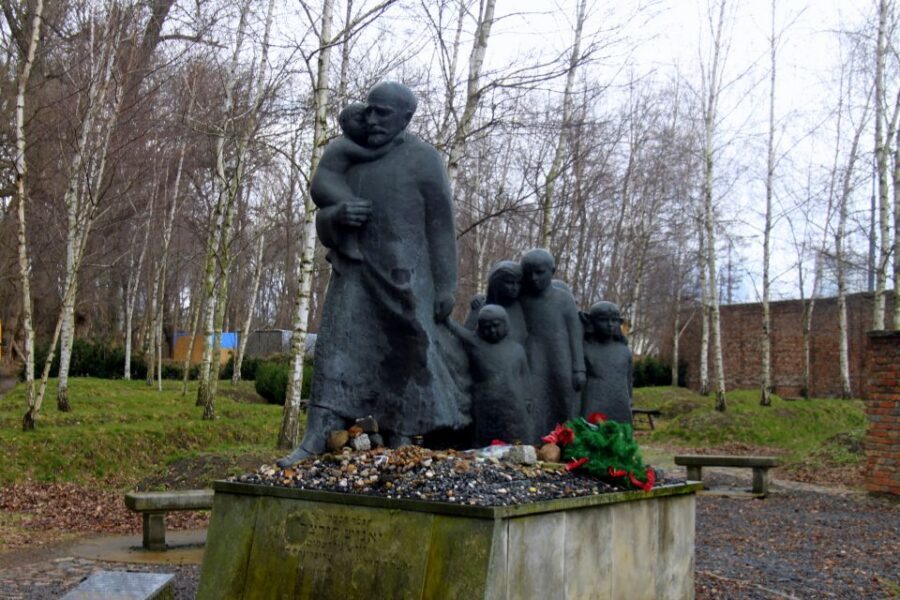
The Ghetto Heroes Monument is an anchor point. It shifts the tone from day-to-day survival inside the ghetto to recognition of resistance, memory, and collective survival. Even if you already know the broad story, it hits differently when you’re physically there and the guide ties it back to the earlier wall and synagogue stops.
Near the monument is an optional add-on: the Museum of the History of Polish Jews. This museum opened in 2013 and is described as a modernist space that documents 1,000 years of Polish Jewish life through artifacts and imagery. It’s an own-expense decision, so your guide can help you decide if you want to spend time there based on your interests and energy level.
From a value point of view, this is one of those “choose your depth” options. If you want a bit more context beyond the street-level sites, the museum is the place to do that. If you’d rather keep the pace moving and protect your emotional bandwidth, you can skip it and still leave with a solid outline of the story.
Optional Roman Polanski’s The Pianist locations in Praga-North
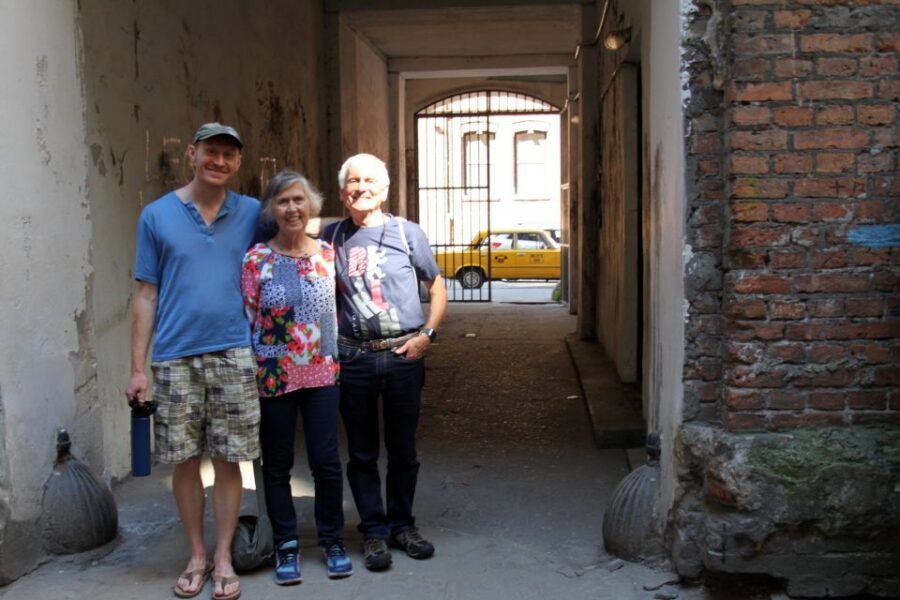
If you’re a film person, this is where your tour can become more personal. Your guide can show locations tied to Roman Polanski’s Oscar-winning movie The Pianist, set in Holocaust-era Warsaw. The route can include some settings in Praga-North (Praga-Północ).
This isn’t about spotting movie scenes for fun. It’s about using a familiar frame to understand a setting you might not otherwise grasp quickly. When the guide links the filming location to the broader Warsaw story you’ve already been walking through, it can make the geography click.
One caution: don’t treat this as guaranteed. It’s presented as an option based on your wishes and route adjustments. The best results come when you communicate early that you want these stops and you’re flexible if traffic or access affects where you can go.
Price and value: what $105 buys you in real terms
At $105 per person for a 4-hour private experience, the big value isn’t just transportation. It’s the combination of:
- a private guide who can adjust the route to your interests,
- hotel pickup and drop-off in central Warsaw,
- a historic vehicle experience (Fiat 125p, or a vintage minivan for bigger groups),
- onboard snacks and a vodka shot,
- and souvenir + emailed photos.
Entrance fees are not included, so you should budget extra if you want paid entry sites you don’t already have tickets for. Still, the structure of the day can save you time and stress. You’re not trying to stitch together opening hours, walking routes, and ticket logistics while also processing a heavy subject.
For people who like guided depth, this price makes sense because the stops are specific and the story connection matters. For people who prefer doing everything at their own pace with no guide, it might feel like more than you need. But if you want someone to connect the dots quickly—between physical boundaries, specific sites, and what daily life meant—this private format is the point.
Who this tour suits best (and who might want a different plan)
This is a strong fit if you want:
- a private route focused on Warsaw’s Jewish heritage sites tied to WWII,
- short, manageable walking with most of the time spent driving between key areas,
- a guide who can explain the context behind surviving landmarks.
It’s also good for couples, friends, or anyone traveling with a single “history brain” who wants the day to be coherent. The private setup helps the guide tailor pace and emphasis.
It may feel like a tough match if you need fully step-free, no-walking movement, because there is a moderate amount of walking. It’s also not ideal if Saturday access restrictions would block the key stops you most want to see.
Finally, if you strongly dislike being in a vehicle that feels like a museum object, remember you’re riding in a 1980s-era Fiat 125p. You still get safety and comfort, but the vibe is part of the experience.
Practical tips: comfortable shoes and smart expectations for the day
A few practical things will make the tour go smoother:
- Bring comfortable shoes. You’ll do a moderate amount of walking, including around the cemetery area.
- Dress for the weather. Cold days were specifically mentioned with positive notes about guides handling it well.
- Plan your energy. This is not a “do it like a checklist” day. The emotional weight is real, and the pacing reflects that.
- On Saturdays, expect the synagogue and cemetery to be closed, so the guide will adapt.
Also, note the snack and drink details if they matter to you. The tour includes Polish sweets, a donut, and a vodka shot onboard. If you prefer not to drink alcohol, you can still enjoy the snacks and skip the shot.
Should you book the Warsaw Jewish Heritage Private Tour in Retro Fiat?
I’d book this tour if you want a guided, street-level way to understand Warsaw’s WWII ghetto geography in just 4 hours. The combination of surviving sites—especially Nożyk’s Synagogue—and the ghetto wall fragments gives you a rare “real places, real boundaries” experience without turning the day into a marathon.
Skip it or pick another option if Saturday closures would undermine the stops you most care about, or if you can’t handle moderate walking. If you can work with those limits, this tour is a strong value: the guide-led context, the retro transport, and the carefully chosen sites make the story easier to hold onto after you leave the area.
FAQ
How long is the Warsaw Jewish Heritage Private Tour in Retro Fiat?
The tour lasts 4 hours.
What’s included in the price for this private tour?
It includes a private local guide, hotel pick-up and drop-off from centrally located Warsaw hotels, transport by Fiat 125p, snacks on board (Polish sweets and a donut), a vodka shot on board, and photos (emailed after the tour).
Do I need to pay entrance fees for the sites?
Entrance fees are not included.
Will I be picked up from my hotel?
Yes. You’ll get hotel pick-up and drop-off from centrally located Warsaw hotels, or you can be picked up from another centrally located point.
What vehicle do you use for the tour?
For this tour, transport is by Fiat 125p. For groups over 4 people, the tour is driven around in a blue vintage minivan.
Is the tour guide English-speaking?
Yes, the live guide provides the tour in English.
Are the synagogue and cemetery open on Saturdays?
No. The synagogue and cemetery are closed on Saturdays, so your route may need to adapt.