REVIEW · WARSAW
Jewish Warsaw Walking Tour
Book on Viator →Operated by Walkative! TOUR · Bookable on Viator
If you want Warsaw to make sense fast, this route helps. It links the surviving pieces of the Jewish quarter with the stories you need to understand them, street by street. You’ll move through places that survived the ghetto’s destruction and WWII—so the city feels real, not just historical.
I especially love two things here: the way the tour uses short stops with clear context, and the strong human tone of the narration. Guides often add dry humor while keeping the facts straight, which makes a heavy subject easier to follow without turning it into a lecture.
The one catch is physical time outdoors. It’s about 2 hours 30 minutes of walking (and it runs in all weather), so wear solid shoes and plan for cold wind if you go in winter.
In This Review
- Key moments worth circling on your map
- Tracing Jewish Warsaw through what is still here
- Starting at All Saints Church: where your bearings click
- Grzybowski Square: a small surviving pocket of the ghetto era
- Nozyk Synagogue: the only surviving pre-war synagogue
- Waliców street segment: walking the ghetto border
- Chłodna Street and the footbridge monument
- POLIN Museum area: moving from street-level to bigger context
- Heroes of Warsaw monument: a focused final remembrance point
- How the guides shape the experience (and why that matters)
- Walking time, weather, and what to bring
- Price and value: what you’re really paying for
- Who should book this tour
- Should you book the Jewish Warsaw Walking Tour?
- FAQ
- What is the duration of the Jewish Warsaw Walking Tour?
- How much does the tour cost, and is it in English?
- Where does the tour start and end?
- What sites are included in the walking route?
- Does the tour include admission tickets for the stops?
- Is tipping part of the plan?
Key moments worth circling on your map
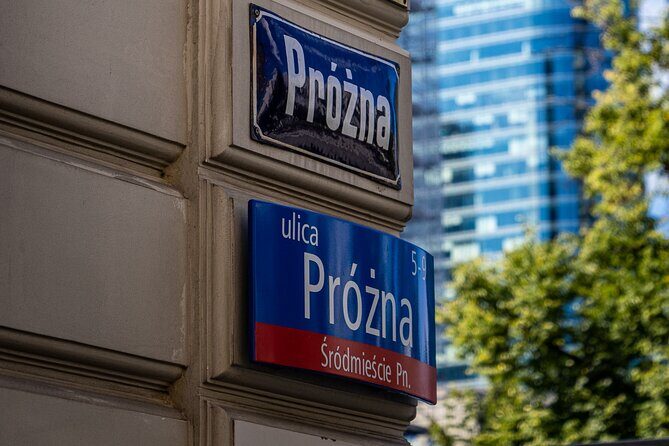
- Grzybowski Square: one of the few areas tied to the ghetto that survived the worst destruction
- Nozyk Synagogue: the only surviving pre-war Warsaw synagogue
- Waliców and the ghetto border: you walk where lines once determined who belonged where
- Chłodna Street and the footbridge monument: a memorial to connections that were cut
- POLIN Museum stop: the POLIN Museum area plus the 1948 Monument to the Ghetto Heroes
- The Heroes of Warsaw monument: a closing point that keeps the focus on remembrance, not spectacle
Tracing Jewish Warsaw through what is still here
This tour is built around a simple reality: Warsaw’s Jewish quarter doesn’t have many intact buildings left. So instead of promising you a long list of grand ruins, the walk points you to the surviving anchors and then explains what used to be there. That approach helps you understand the city’s layout and the brutal logic behind the ghetto system.
The route runs from All Saints Church (Pl. Grzybowski 3/5) to POLIN Museum (Mordechaja Anielewicza 6), starting at 10:00 am. It’s offered in English, with a mobile ticket, and groups cap at 40 travelers, which usually keeps the flow manageable.
You’ll also get pickup and drop-off from designated meeting points (hotel pickup isn’t included). That matters in Warsaw, where a short walk can feel longer once you add traffic lanes, tram stops, and crossing streets.
Other walking tours we've reviewed in Warsaw


Starting at All Saints Church: where your bearings click
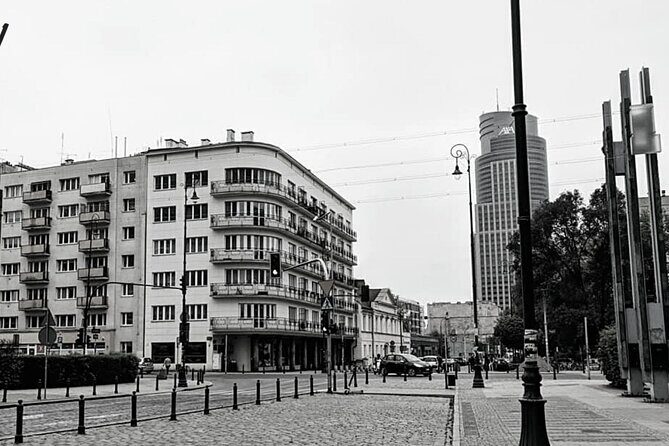
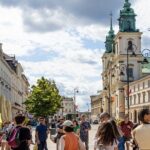
You begin at All Saints Church Warsaw, Pl. Grzybowski 3/5. This isn’t just a convenient location—it helps you orient yourself at the start, because the first stops tie into the story of the ghetto’s edges and remnants.
The meeting is time-based, and you’ll be walking for quite a while after the first few minutes. If you like to take photos, do it early—then you can stay present on the story as you move from one site to the next.
Grzybowski Square: a small surviving pocket of the ghetto era
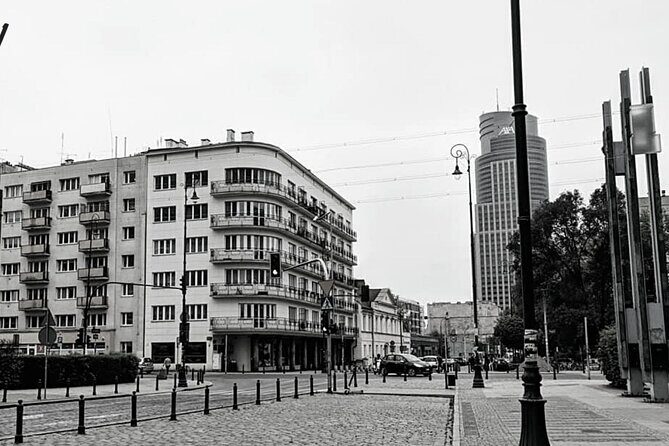
Your first stop is Grzybowski Square, about 20 minutes. This is described as one of the very few areas in Warsaw that survived the destruction of the Warsaw ghetto.
That small time window works, because the point here isn’t to “see a lot.” It’s to get a foothold: understand why this area matters, then use it as a reference as the tour moves toward other boundary points and memorials.
Admission is free for this stop. Still, expect the guide to do the heavy lifting—explaining what stood here, what changed, and why a single square can carry so much meaning when so much else is gone.
Nozyk Synagogue: the only surviving pre-war synagogue
Next is Nozyk Synagogue, about 30 minutes, with free admission. This stop is powerful because it’s the only surviving pre-war Warsaw synagogue—so it’s not just a marker; it’s an actual survival.
A synagogue is more than architecture. It’s community structure, ritual space, and identity. On a tour like this, the guide’s job is to connect that building to the people and the timeline, then show you how the ghetto era changed everything around it.
One practical note: time inside may feel limited if you’re hoping for a long visit. The tour emphasizes the walking route and the broader circuit, so use this moment to ask questions and absorb what the guide highlights inside.
Waliców street segment: walking the ghetto border
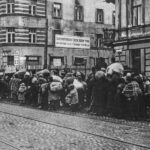
Stop 3 is Waliców, about 30 minutes, also with free entry listed for the stop. The big theme here is the ghetto border—so you’re not just admiring a street name. You’re learning how a border decided lives.
This is where the tour gets very “city-planning real.” You start noticing how streets and crossings shape movement—and how restricting movement becomes a form of control. If you like maps and want to mentally redraw the old city, this is one of the most useful parts of the walk.
Expect the guide to describe what it meant to be on the wrong side of that line and how the border shaped daily routines.
Other POLIN and Jewish heritage tours in Warsaw

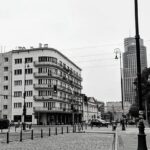
Chłodna Street and the footbridge monument
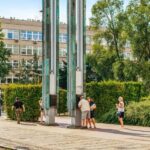
Stop 4 is Chłodna Street, about 20 minutes, where you’ll see a monument commemorating the footbridge that once connected parts of the Warsaw ghetto.
A footbridge might sound like a small detail, but memorials like this matter because they point to connections—and then to how those connections were erased. You’ll get a clearer sense of how the ghetto wasn’t one single “place.” It was broken up into controlled sections, with movement shaped by rules and walls.
This stop is usually quick, so come ready with a question if something doesn’t click. A short monument stop can still produce a strong takeaway if you’re listening for the meaning behind it.
POLIN Museum area: moving from street-level to bigger context
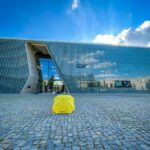
Stop 5 takes you to POLIN Museum of the History of Polish Jews, plus the 1948 Monument to the Ghetto Heroes nearby, for about 20 minutes. Like the other sites, the stop lists free admission.
This part is your “context pivot.” Street-level landmarks explain location and memory in fragments; POLIN helps stitch those fragments into a clearer timeline. Even in a short visit window, you can reset your understanding of what happened before, during, and after the ghetto years.
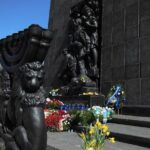
The 1948 Ghetto Heroes monument ties the story to the post-war period. That’s important because it keeps remembrance from ending at liberation. The aftermath carried its own struggles, including rebuilding, identity, and loss that didn’t vanish with the war.
Heroes of Warsaw monument: a focused final remembrance point
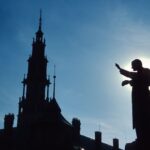
Stop 6 is the Monument to the Heroes of Warsaw, about 30 minutes. It’s listed as free admission, and it’s a strong ending because it slows the pace at the close of the walk.
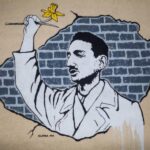
This isn’t a “finish line” where everyone rushes out for coffee. It’s meant to land emotionally and intellectually. The guide’s tone often matters most here—keeping the focus on people and choices, not just names on a wall.
If you’ve spent the last couple of hours walking and looking at boundary markers and surviving structures, this final monument helps you connect the dots: the ghetto was not an abstract idea. It was a place filled with decisions, suffering, and resistance.
How the guides shape the experience (and why that matters)
This tour can be led by different guides, and the style is consistent: clear storytelling, dry humor, and lots of room for questions. In the guide names you might see for this tour, Olivia, Jacek, Andrew, and Tomas show up, and each of them is associated with strong delivery and an ability to make the city’s surviving pieces feel like a living narrative.
One detail worth knowing: this tour follows a pay as you wish style. Your payment covers a reservation fee and the guide’s pay, and you’re encouraged to reward additional time and effort with a tip if you feel it’s deserved.
That setup is honest and usually works well if you go in prepared. If tipping makes you uneasy, still do it with intention: bring cash if you can, decide in advance on a comfort level, and base it on the guide’s pacing and clarity.
Walking time, weather, and what to bring
You’ll need moderate physical fitness for a long outdoor walk. The total time is around 2 hours 30 minutes, and while there are moments to stand still, this is not a museum-only experience.
On cold, windy days, the pace can feel relentless. I’d plan for it: wear layers, bring a hat or hood, and use gloves if it’s chilly. Good walking shoes matter more than you’d think, since you’ll be on pavements and cross-street surfaces for most of the session.
The tour operates in all weather conditions, so don’t assume you’ll be indoors. If rain hits, you’ll still be moving, so bring a compact rain layer.
Price and value: what you’re really paying for
The price is $26.59 per person, which is a reasonable deal for a 2.5-hour guided walk that touches multiple high-meaning sites. You also get local guidance plus a professional guide, and the stop list includes free admission tickets for the sites along the way.
The value isn’t just the cost—it’s the fact that the route is designed to answer the question most people have walking through Warsaw: Why does this place look like this now? With a guide, you’re less likely to walk past memorials and surviving buildings without the story attached.
What you should watch for is that transportation to and from attractions isn’t included beyond the pickup/drop-off from designated meeting points. Hotel pickup isn’t offered, so get yourself to the meeting points efficiently.
Who should book this tour
Book it if you want:
- a route that makes Warsaw’s Jewish quarter legible through surviving sites and boundary memories
- a guide-led walk that balances fact, tone, and questions
- a shorter day option that still covers several major points: Nozyk Synagogue, POLIN area, and key monuments
Consider skipping (or pairing with a museum visit later) if you strongly prefer long indoor time. The tour is built for walking, so you may not get extensive time in every interior space.
This also fits history-minded travelers who like structure. You’ll have stops that build on each other, so the story doesn’t scatter across the city.
Should you book the Jewish Warsaw Walking Tour?
Yes, if your goal is to understand Jewish Warsaw using what remains—and to do it on a schedule you can trust. At $26.59 for a 2.5-hour, English-guided route with free admissions listed at each stop, it’s a strong value, especially if you’re visiting for a limited number of days.
My advice: go in with the right mindset. This walk is about surviving traces and memorials, not cheerful sightseeing. If you can handle a serious topic with clear narration (and you dress for weather), you’ll leave with a sharper sense of the city—and a better map of what you’re seeing when you explore on your own later.
If you’d like, tell me when you’re going (month and whether you prefer more walking or more museum time), and I’ll suggest a smart add-on after POLIN based on your pace.
FAQ
What is the duration of the Jewish Warsaw Walking Tour?
The tour runs about 2 hours 30 minutes.
How much does the tour cost, and is it in English?
It costs $26.59 per person and is offered in English.
Where does the tour start and end?
It starts at All Saints Church Warsaw, Pl. Grzybowski 3/5, 00-115 Warszawa and ends at POLIN Museum of the History of Polish Jews, Mordechaja Anielewicza 6, 00-157 Warszawa.
What sites are included in the walking route?
The stops include Grzybowski Square, Nozyk Synagogue, Waliców (ghetto border), Chłodna Street (footbridge monument), POLIN Museum area with the 1948 monument, and the Monument to the Heroes of Warsaw.
Does the tour include admission tickets for the stops?
Yes. The tour information lists free admission tickets for each stop on the itinerary.
Is tipping part of the plan?
Yes. The tour notes that booking this tour joins a general pay as you wish style, where what you pay covers reservation and the guide’s payment, and you may wish to reward the guide with an additional tip.