REVIEW · WARSAW
Warsaw: the Best of the City Private Tour by Retro Minibus
Book on GetYourGuide →Operated by Warsaw Behind the Scenes · Bookable on GetYourGuide
Warsaw can feel big fast, so I like starting with a tour that gives you bearings quickly. This one works because you get a guided Old Town walk tied to real stories, then you cross to Praga to see a side of the city that still feels rooted in the past. I also like the pace: short walking stops plus scenic drives means you spend less time guessing and more time understanding.
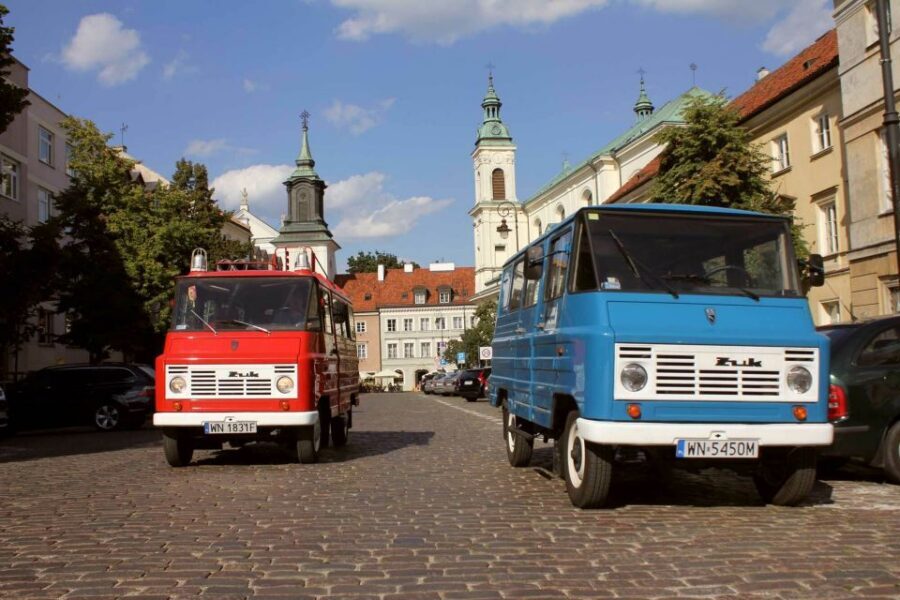
One thing to plan for: these vintage Żuk minibuses are classic, and some do not have seat belts and none are listed as having air-conditioning. Heating is included for winter, but in hot weather you’ll want to dress smart and accept that comfort is old-school.
In This Review
- Key highlights to look for
- A 3-hour Warsaw intro on a vintage Żuk minibus
- Old Town UNESCO walk: Castle Square to St. John’s Archcathedral
- Market Square and the medieval-to-modern story you can see
- Crossing to Praga: Belle Époque Warsaw that survived
- Praga’s courtyards and the feeling of pre-war Warsaw
- Communist Warsaw after 1945: wide avenues and ideology you can see
- Why the private format really helps in a short visit
- Price and value: what $165 buys you in 3 hours
- Practical tips: what to wear and what the vintage bus means
- Who should book this tour (and who might skip it)
- Should you book the Warsaw Best of the City private tour?
- FAQ
- How long is the Warsaw Best of the City private tour?
- What does the tour include?
- What stops are covered during the tour?
- Is food or drinks included?
- Where does pickup happen?
- What language is the guide?
- Are the minibuses air-conditioned and do they have seat belts?
- Are there child rules for this tour?
Key highlights to look for
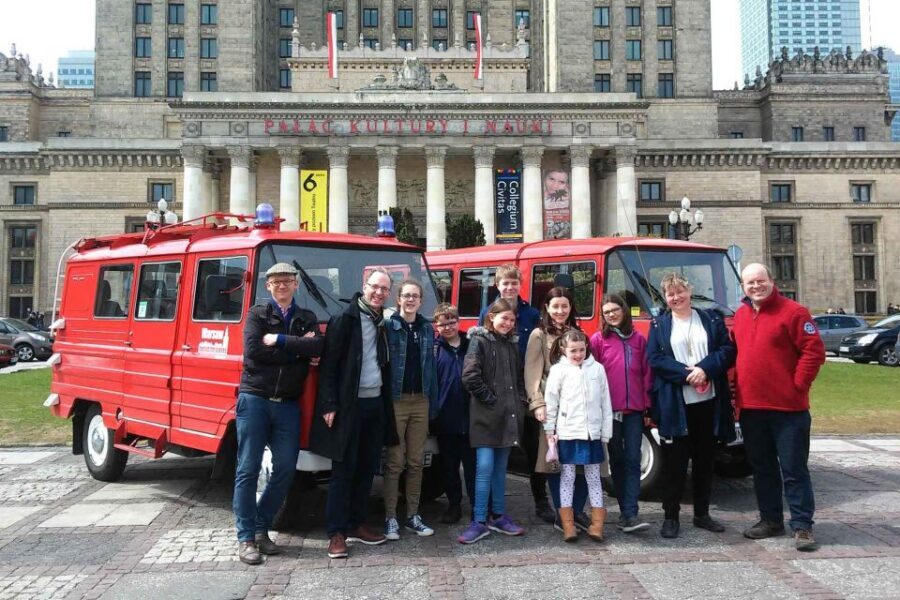
- UNESCO Old Town walk focused on Castle Square, the Royal Castle area, St. John’s Archcathedral, and Market Square
- Praga district visit: Belle Époque streets, courtyards, and the atmosphere of pre-war Warsaw
- Post-war rebuilding under communism: wide avenues, monumental architecture, and planning ideas you can actually see
- Palace of Culture and Science stop, Warsaw’s most recognizable communist-era landmark
- Private format with pickup near the city center and a guide who keeps the story flowing at your pace
- Vintage Żuk minibus ride that makes the city feel more time-travel than lecture
A 3-hour Warsaw intro on a vintage Żuk minibus
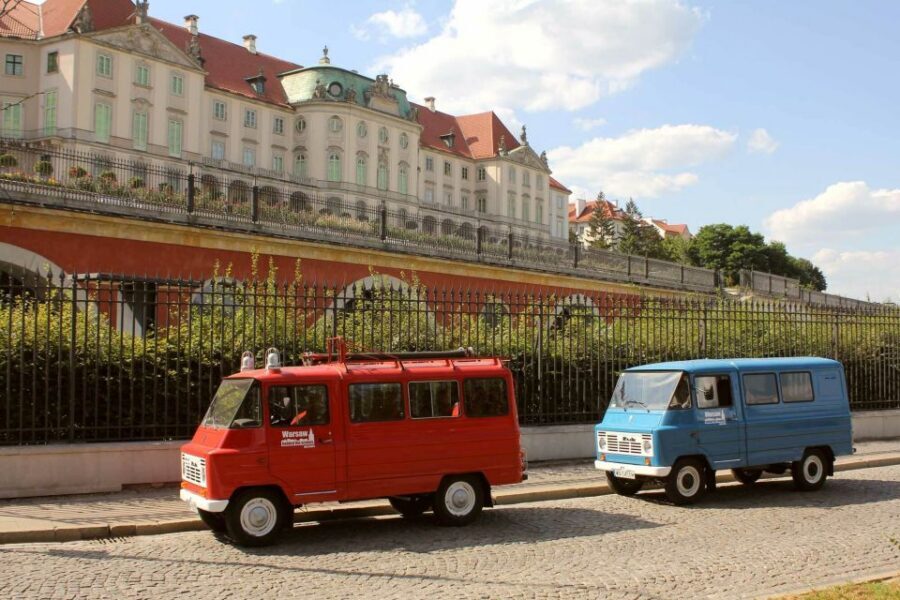
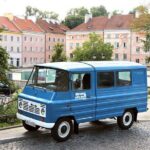
This is a tight 3-hour “best of” that doesn’t try to cram everything in. You start with pickup from accommodations within 3 kilometers of Warsaw’s city center, then you bounce between neighborhoods using a vintage Żuk minibus and short walking segments.
The minibus setup is designed for small groups: each vehicle can take up to 8 passengers, and there’s a fleet of 5 minibuses. That matters because you get real chances to ask questions, not just listen through a crowd. And in one case people even had a short layover situation at Chopin Airport, and the team waited when a plane was delayed—exactly the kind of flexibility you want in a short visit.
Because you’ll walk in multiple stops, plan your footwear like you’re sightseeing on cobblestones. The tour isn’t a sit-and-stare bus ride, even if you do get plenty of time seated between the sights.
Other private tours in Warsaw

Old Town UNESCO walk: Castle Square to St. John’s Archcathedral
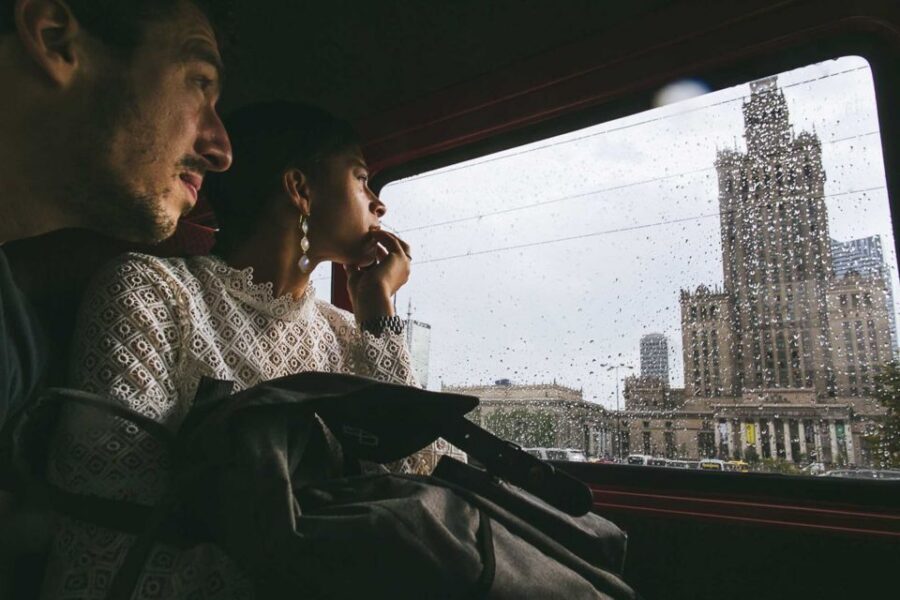
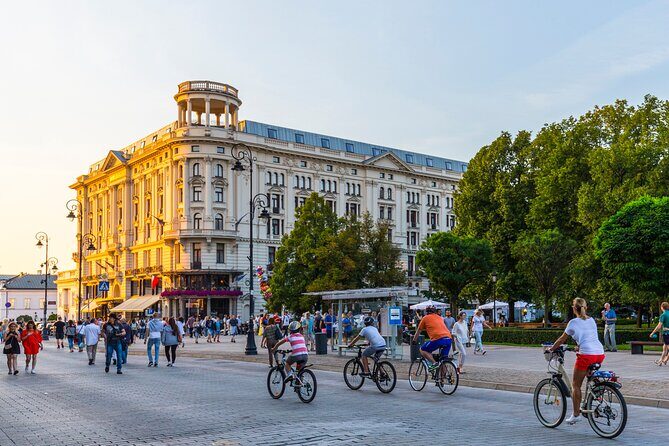
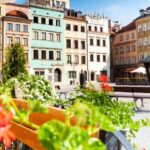
Your first proper stop is Warsaw’s Old Town, a UNESCO World Heritage Site, and it’s the best place to start if you want context fast. You’ll walk the area around Castle Square, take in the view toward the Royal Castle complex, and visit St. John’s Archcathedral. Finally, you end up at Old Town Market Square, where the city’s “everyday life” story becomes easier to picture.
What I love about this segment is how the guide connects architecture to cause and effect. You don’t just see pretty facades—you get the bigger reasons behind them. Expect talk about medieval trade routes and royal ambitions, which helps explain why certain areas grew in importance. Then you hear how wartime destruction hit the center hard, and how post-war reconstruction brought the historic core back in a way that’s still part of Warsaw’s identity today.
A practical drawback: Old Town is a walk, and some streets can feel busy depending on the time of day. If you’re sensitive to crowds, wear comfortable shoes and be ready for stop-and-start pacing near the major landmarks.
Market Square and the medieval-to-modern story you can see
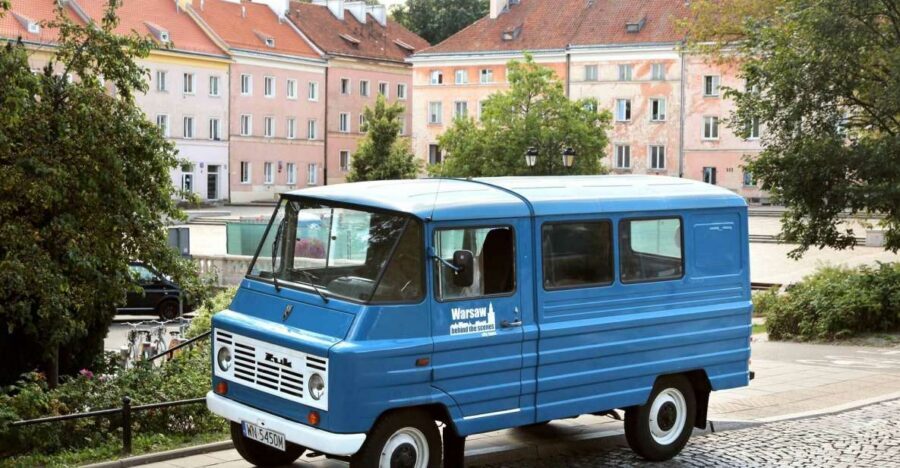
Once you’re in Old Town Market Square, the tour’s “why it matters” becomes clearer. This is where the guide’s stories about trade and daily life click. Think of the square as the city’s social center—where power, commerce, and celebration all met.
This is also where you can start spotting details you might otherwise miss. For example, it’s easier to understand what reconstruction meant when you’re standing in the heart of the historic district and hearing how the center had to be rebuilt after war.
If you’re the type who likes photos but hates wandering without a plan, this stop is valuable. It gives you a clear core area to frame your shots around, so you can enjoy the architecture without needing a full-day itinerary.
Crossing to Praga: Belle Époque Warsaw that survived
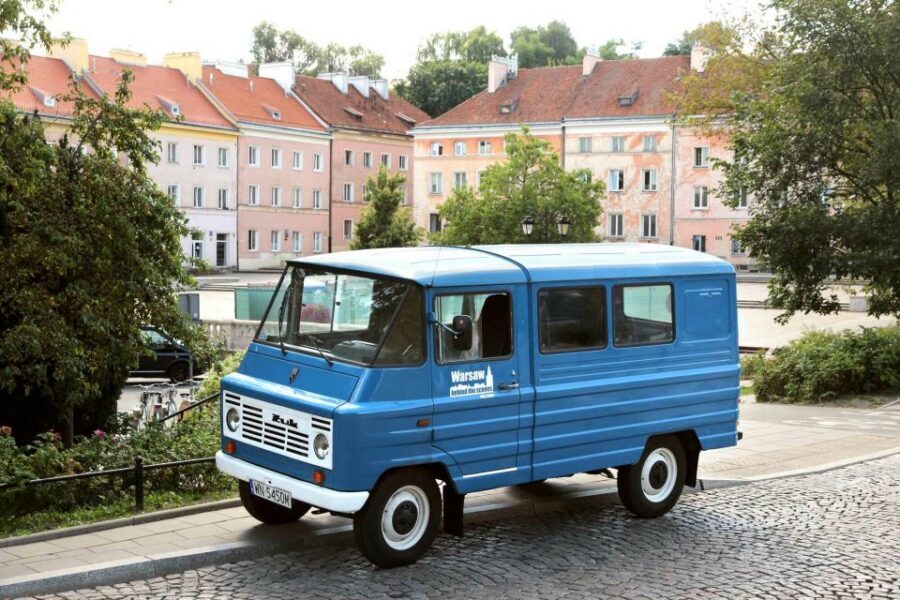
After Old Town, you cross the Vistula River to Praga, and the whole mood changes. Praga is often described as the only part of Warsaw that largely survived World War II intact, and being there makes that statement feel real.
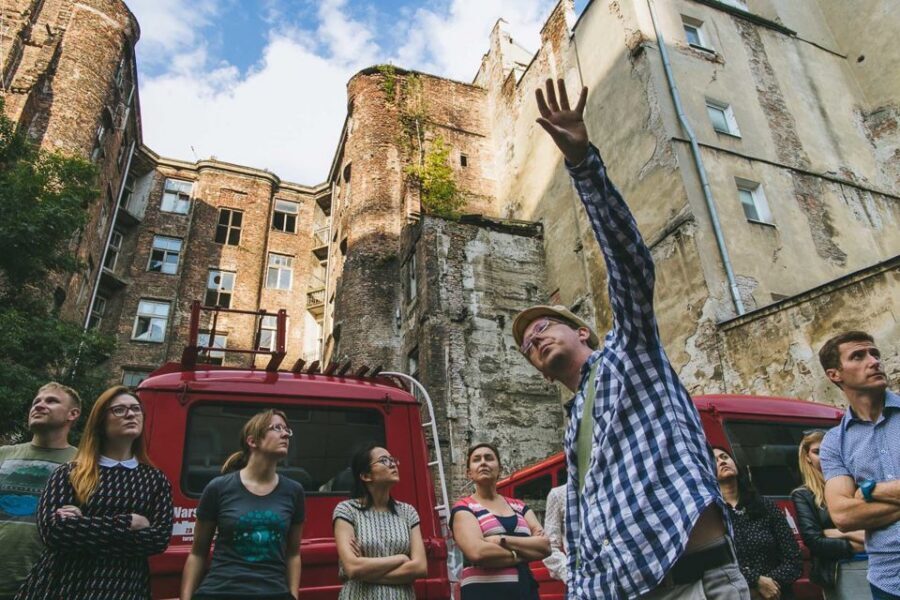
This neighborhood is known for Belle Époque buildings, lively courtyard spaces, and an atmosphere that still feels like local life rather than a theme park. When you walk the streets, you’ll notice the city’s layers: older building styles still hold the streets together, even as modern Warsaw keeps moving.
Praga also tends to be less mass-tourism focused than the Old Town core. That’s a big plus if you want a more authentic feel, plus a bit more breathing room while you explore. Still, you should expect that you’re visiting a working neighborhood, so keep your eyes up and move through the streets the way you would in any residential area.
Praga’s courtyards and the feeling of pre-war Warsaw
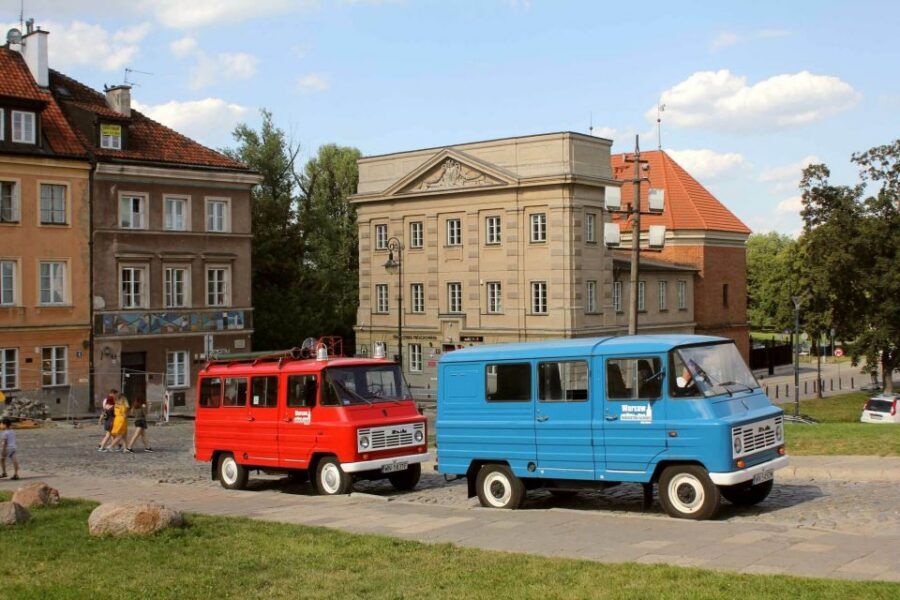
Praga’s charm isn’t only about the big exterior views. The tour focuses on courtyards and the kinds of small spaces that reveal how people lived before the city modernized the way it did elsewhere.
Why this part matters: it balances what you learned in Old Town. In one neighborhood you get royal ambitions and rebuilding stories. In Praga you get the sense of everyday life that didn’t vanish the same way. Put together, those two areas give you a clearer map of Warsaw’s transformation.
It’s also a great segment for people who enjoy photography but don’t want a strict checklist. You’ll have enough time to look, ask questions, and slow down when something catches your attention.
Other Retro Fiat city tours in Warsaw
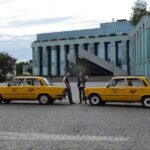

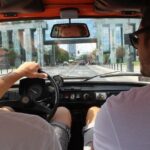


Communist Warsaw after 1945: wide avenues and ideology you can see
Back in central Warsaw, the tour shifts to what the city became after 1945 under communist rule. This is where you’ll learn how ideology shaped urban planning and everyday life—and you’ll see it in the city’s scale.
Expect talk about monumental architecture and wide avenues, plus how these design choices affected movement and power in the urban fabric. It can be abstract until you’re standing in the middle of it, and that’s why this guided drive works so well: you’re not just reading about it, you’re watching the city geography explain the ideology.
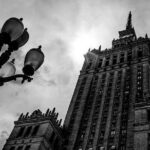
One of the key stops is the Palace of Culture and Science, which is described (and experienced) as the city’s most recognizable communist-era landmark. Even if you’ve seen photos before, it hits differently when it’s part of a guided explanation. It stops being just a photo backdrop and becomes a symbol you understand.
Why the private format really helps in a short visit
Because this is a private group, you’re not trapped in a rigid herd timeline. You can ask follow-up questions when something sparks your curiosity—history questions, architecture questions, or practical questions like how the neighborhoods changed over time.
The small vehicle size (up to 8 per minibus) also improves the experience. You’ll spend less time craning your neck and more time hearing the guide clearly. And with pickup and drop-off included, you avoid the mental workload of getting from place to place quickly, especially if your base is near the center but not right on a major transit line.
If you have limited time—like a short layover or a first evening that you want to turn into a proper orientation—this format is a strong fit. One review highlighted how the team handled a delayed arrival and still kept the plan moving, which tells me their scheduling has room for real-life chaos.
Price and value: what $165 buys you in 3 hours
At $165 per person, it isn’t the cheapest way to see Warsaw. But it is a reasonable value if you’re trying to get the most useful first overview without spending extra time organizing transport.
Here’s what you’re paying for:
- hotel/apartment pickup and drop-off within a short radius from the city center
- an English speaking guide who gives you the story behind what you’re seeing
- a vintage Żuk minibus ride that connects neighborhoods faster
- a plan that includes both walking and scenic drives, so you don’t waste time
The tour also avoids one hidden cost: confusion. When you’re only in Warsaw for a limited window, a guided “best of” can replace hours of research and solo navigation. That can easily be worth more than the difference between a guided tour and a cheaper self-guided option.
One trade-off: food and drinks are not included, so budget for at least a stop later if you need a meal. Also, because it’s only 3 hours, it’s not designed for lingering long enough to turn every stop into a deep personal detour.
Practical tips: what to wear and what the vintage bus means
Bring weather-appropriate clothing. The company also notes that vintage minibuses are not equipped with air conditioning, and some do not have seat belts (historic vehicles are allowed this way). Heating is available for winter, but summer comfort is more about your clothing and timing than technology.
Wear comfortable clothing and suitable footwear, because you’ll do walking segments at each stop. If you’re visiting in colder months, you’ll likely appreciate the heating, but you’ll still walk, so layers help.
If you’re traveling with kids, there’s one key rule: unaccompanied minors are not allowed. For a child under 150 cm, seat boosters are mandatory under Polish law, so you need to contact the operator in advance to check booster availability.
Who should book this tour (and who might skip it)
Book it if:
- you’re in Warsaw for a short time and want context without spending hours planning
- you care about the “why” behind neighborhoods, not just the photo stops
- you want a mix of Old Town + Praga + communist-era central Warsaw
- you like tours where the guide tells stories in a relaxed, engaging way
You might skip it if:
- you prefer fully independent sightseeing and dislike structured walking segments
- you have trouble with walking between stops
- you are strongly sensitive to heat, since there’s no air-conditioning on the minibuses
Should you book the Warsaw Best of the City private tour?
I’d recommend booking if you want a fast, high-value orientation that helps Warsaw make sense. The combination of UNESCO Old Town, the rarely-seen-feel of Praga, and the visible symbols of the communist rebuild gives you a balanced picture in just 3 hours.
It’s also a smart choice for first-time visitors who don’t want to gamble on timing or routes. With pickup near the city center, an English guide, and the flexibility shown in layover situations, it’s built for real schedules, not perfect ones.
If you want the easiest decision: if you care about history and you’re short on time, this tour is a practical yes. If you’re already confident with Warsaw geography and you hate walking, you can probably build a cheaper DIY plan—but you’ll miss the “story glue” that makes the city feel connected.
FAQ
How long is the Warsaw Best of the City private tour?
The tour lasts 3 hours.
What does the tour include?
It includes hotel/apartment pickup and drop-off, an English speaking guide, and travel by a vintage car (a vintage Żuk minibus).
What stops are covered during the tour?
You’ll explore Warsaw’s Old Town (including Castle Square, the Royal Castle area, St. John’s Archcathedral, and Market Square), visit the Praga district across the Vistula River, and see central sites connected to post-war rebuilding, including the Palace of Culture and Science.
Is food or drinks included?
No. Food and drinks are not included.
Where does pickup happen?
Pickup is included from accommodations within a 3-kilometer radius from the city center of Warsaw. If your location isn’t accessible by the car, you’ll be contacted with the closest meeting point.
What language is the guide?
The live guide is English.
Are the minibuses air-conditioned and do they have seat belts?
The classic vintage minibuses are not equipped with air conditioning. Some vehicles do not have seat belts, which is permitted for historic vehicles. All vehicles have heating for the winter season.
Are there child rules for this tour?
Unaccompanied minors are not allowed. For children under 150 cm, seat boosters are mandatory under Polish law, so you need to contact the operator in advance to check availability.