REVIEW · WARSAW
13-Day Highlights of Poland Tour – private for 2-10 persons
Book on Viator →Operated by Excitingpoland - Tours Krakow · Bookable on Viator
Poland hits hard and pretty fast on this 13-day route, without the usual planning headaches. You’ll get a small private group experience (max 15) with a comfortable air-conditioned vehicle, guided stops, and hotels already lined up in 3 and 4-star comfort. It’s the kind of trip that lets you focus on the moments: old towns, big wartime history, and big-sky nature days.
I especially like the built-in logistics that remove daily guesswork—airport transfer, drivers handling the road, and most entry tickets taken care of—so you don’t burn your energy on trains or ticket lines. I also love the variety: you’re not stuck in one “type” of sightseeing, from Gdansk’s maritime sites and Sopot’s wooden pier to rafting the Dunajec Gorge and walking inside the Wieliczka Salt Mine. One drawback to plan around: a few evenings are listed as dinner on your own, and the schedule includes long driving days, including a roughly 4.5-hour transfer on the way to Masuria.
In This Review
- The feel of the trip: smooth, guided, and emotionally real
- Key things that make this Poland tour worth your time
- How the 13-day Poland route is designed to feel easy
- Warsaw Old Town, Łazienki Park, and WWII memory in one afternoon
- Masuria and the Wolf’s Lair: castles, lakes, and a very specific kind of history
- Malbork and the Elbląg Canal cruise, then Gdańsk’s port-city story
- Toruń and Poznań: river cities with real “old Poland” centers
- Czestochowa and the Black Madonna, plus Auschwitz-Birkenau in a respectful guided visit
- Pieniny rafting to Zakopane: nature breaks that feel earned
- Wieliczka underground world, Schindler’s museum, and Krakow’s royal core
- Price and value: why the high number can still make sense
- Who this tour is best for (and who should pause)
- Should you book this 13-Day Highlights of Poland tour?
- FAQ
- Where does the tour start, and what time do you meet?
- Is this tour private, and how large is the group?
- What kind of transportation do you use?
- What type of hotels and meals are included?
- Are any meals not included?
- Does the tour include tickets and guided entries?
- How physically demanding is the tour?
- If I cancel, will I get a refund?
The feel of the trip: smooth, guided, and emotionally real
This tour leans on strong people behind the scenes. From the feedback I’ve seen, the guidance often comes with names you’ll remember—Grzegorz Brzostek for city touring in Warsaw, and a driver/guide called Witek who helped couples and small groups keep everything moving (arrivals, hotel check-ins, and timing). Expect a pace that keeps you moving, but not frantic; you’ll get guided context instead of just photo stops.
Still, be ready for a heavy day. The visit to Auschwitz-Birkenau is part of the program with a guided tour, and it’s the kind of place where the “full schedule” feel matters less than the mood you bring. If you know that emotionally intense sites stress you out, plan to travel with a steadier mindset and don’t schedule extra activities after.
Key things that make this Poland tour worth your time
- Private vehicle planning: You’re not juggling trains, transfers, or daily route decisions.
- Entry tickets handled: Many major attractions and guided experiences are built into the days.
- A castle stay in Masuria: Overnight in a castle setting in Lidzbark Warminski adds a rare flavor.
- Baltic coast + maritime history: Gdansk and Sopot feel like a real change of scenery, not just another city.
- Mountain nature days: Dunajec rafting and Zakopane views give you breathing room from museums.
- Underground wow factor: Wieliczka Salt Mine is a full stop, not a quick peek.
Other private tours in Warsaw
How the 13-day Poland route is designed to feel easy
Poland is a long country. If you try to DIY the classic highlights, you’ll end up spending too much time in transit, too much time wondering what’s open, and too much time searching for “the best” lunch instead of seeing the sights. This itinerary is built to solve that.
You’ll start in Warsaw (airport pickup and transfer), then move through the north and middle of the country before heading south toward Krakow. The trip is private for your group—up to 15 people total—so you won’t get steamrolled by large coach groups. The tradeoff is that the schedule is full, so you’re trading flexibility for efficiency. It’s a good deal if you want your sightseeing to happen on someone else’s calendar.
Hotels are also handled in advance, with 3 and 4-star stays. That matters more than people think on a multi-day route: checking in and out each day is tiring, and you don’t want to spend your limited energy hunting for a room that matches your ideal location and value.
Warsaw Old Town, Łazienki Park, and WWII memory in one afternoon
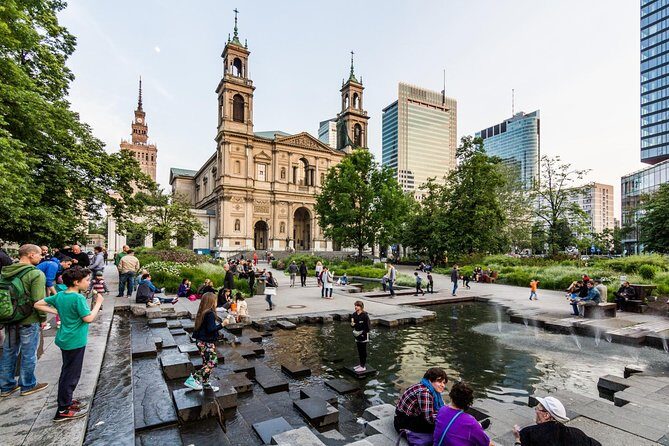
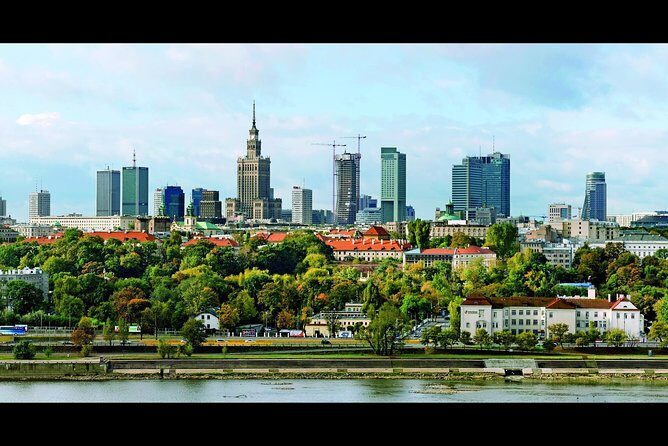
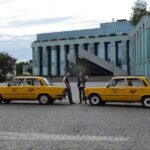
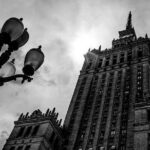
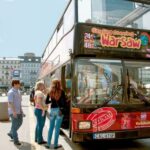
Your first day begins with arrival logistics. You meet at Frederic Chopin Airport in Warsaw at 9:00 am, then get transferred to your hotel. In the early afternoon, you meet the tour leader and get the Warsaw city orientation you need fast.
The sightseeing focuses on layers of the city:
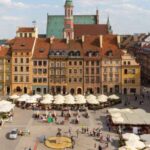
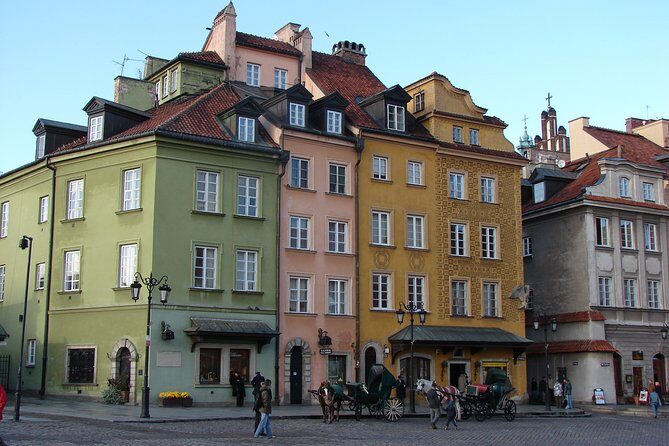
- Old Town—rebuilt after WWII, so the streets feel both historic and intentionally restored.
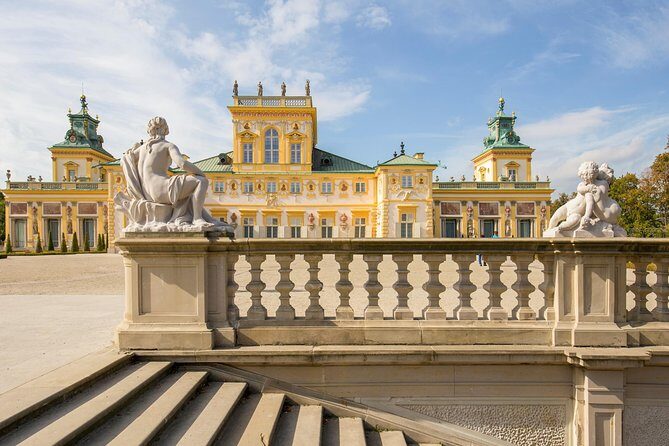
- Łazienki Park—with the Frederic Chopin monument and the Palace on the Water.
- Warsaw Uprising Monument—short but direct, and it sets the wartime tone for the trip.
- Royal Castle—more visual than rushed, with time to get oriented to the center.
It ends with a welcome dinner in the Old Town area. That’s a small detail, but it’s practical: after travel, it gives you a low-stress first evening and helps you settle into the city.
Practical note: you’ll likely start the day with a big walking block and museum-view energy. Wear comfortable shoes for day one; you’ll still be moving even if you’re excited enough to forget you’re tired.
Masuria and the Wolf’s Lair: castles, lakes, and a very specific kind of history
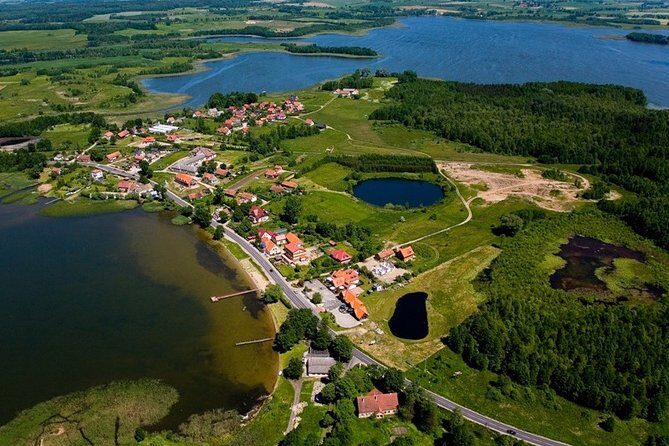
Day two shifts north into Masuria, often called the Region of Thousand Lakes. The long drive is part of the payoff—this is one of those segments where the scenery change matters.
Two standout moments anchor the day:
- A guided visit to the Wolfs Lair (Wilczy Szaniec), a WWII headquarters connected to Hitler.
- An overnight in Lidzbark Warminski, in a hotel located in a 14th-century renovated castle.
The castle stay is where the trip feels less like “touring” and more like changing environments. You get time to relax in the castle setting, and the itinerary even suggests castle-style downtime options—swimming at the castle pool, sauna time, and extras like bowling or biking if you want them (with extra cost where noted). Dinner at the castle restaurant keeps the evening calm and easy.
There’s also a short visit to Lidzbark Bishops’ Castle, tied to the same general area. Even if you’re not a “castle person,” the contrast—WWII command site in the morning, then a castle-life evening—helps you feel how Poland’s landscape holds stories from very different centuries.
Consideration: day two includes a long driving block, and it can make your energy dip even if the sights are excellent. I’d plan to keep your phone and snacks ready and avoid overpacking on that day.
Malbork and the Elbląg Canal cruise, then Gdańsk’s port-city story
If you like your history big and physical, Malbork is a strong anchor. On day three, you’ll head to the Elbląg Canal for a guided 2-hour cruise—an experience that’s different from the usual walking tours. The canal is known as one of Poland’s tourist wonders, and it adds a “how did they build this?” sense of engineering wonder before you hit the medieval heavyweights.
Then comes Malbork Castle, the Teutonic Knights’ fortress and often described as Poland’s greatest castle. Here you’re not just looking at walls—you’re getting a sense of medieval power, defense, and scale. It’s one of those places where guided context makes the architecture easier to understand instead of just impress you for ten minutes.
After Malbork, you move to Gdańsk and check into your hotel, with dinner included.
Day four is where the Baltic side really starts to show its personality. You’ll tour Gdańsk’s maritime center—the Basilica, Neptune Monument, Zuraw Gdański, the harbor—and then visit Westerplatte, the site where WWII is recognized as beginning. The day keeps a layered feel: historical port-town scenes, then a pivot into sites tied directly to the start of the war.
The itinerary also includes a concert option at Oliwa Cathedral with a baroque pipe organ. If you’ve never heard a pipe organ in a historic church setting, this is the kind of moment that makes the city feel alive, not just historic.
Later, you visit Sopot, known for its seaside vibe and for having the longest wooden pier in Europe. You’ll have time to relax with a Baltic walk, then return to Gdańsk for the night.
Practical note: seaside days can be cooler than you expect, even in mild weather. Bring a light layer you can wear during the pier walk and cathedral stops.


Toruń and Poznań: river cities with real “old Poland” centers
Day five moves south to Toruń, a beautifully positioned city on both banks of the Vistula River. You check in, then do a guided Old Town tour focusing on key landmarks like the city hall and cathedral area, plus a connection to Copernicus via the Nicolas Copernik’s Museum (and the House of Copernicus is included as part of the program).
Toruń works well in the itinerary because it feels like a palate cleanser: you get medieval urban beauty and science-history overlap without feeling like you’re repeating what you saw in Gdańsk.
Day six drives you to the historic capital Gniezno, with a stop at Biskupin—an open-air archaeological site with a reconstructed settlement dating to around 750 B.C. That’s one of the rare moments on a lot of “highlights” tours where you see not just ruins, but a rebuilt picture of how people lived.
Then you head to Poznań for check-in and dinner, and you tour Poznań’s Old Town. Expect Town Hall focus and the cathedral area, including tomb connections tied to early rulers.
If you like variety: these two days give you a blend of medieval towns, archaeology, and cathedral architecture—without making every stop feel the same.
Czestochowa and the Black Madonna, plus Auschwitz-Birkenau in a respectful guided visit
Day seven is anchored by Poznań, then continues to Czestochowa. The key highlight is the Black Madonna and the Jasna Góra Monastery, with a guide from the Pauline Fathers leading the visit. This is a “why people come here” kind of place—religious devotion and art meet in a site that feels central to Polish identity.
The itinerary also mentions evening mass as an option. You’ll want to think about whether you’re comfortable attending a service as part of your travel day. If you are, it can add a layer of authenticity that’s hard to replicate with just sightseeing.
Day eight shifts to Oświęcim (Auschwitz-Birkenau). The visit includes a guided tour and is included in the day’s plan. This is the kind of stop that doesn’t need extra drama from a tour guide, because the site speaks. What you do need is emotional preparation and a willingness to take the time you’re given.
After Auschwitz-Birkenau, you head back to your hotel for dinner and the night.
Consideration: if you’re the type who gets easily overwhelmed by heavy history, pace yourself. You’ll likely want quiet downtime afterward rather than rushing into late-night plans.
Pieniny rafting to Zakopane: nature breaks that feel earned
Day nine is one of the most “travel-memorable” segments: you head to the Pieniny mountains and experience Dunajec River rafting. Before the rafting, there’s a stop in Wadowice, tied to John Paul II’s hometown, including a basilica visit connected to his baptism. The itinerary even includes a guide-timed tasting of the famous Pope’s cream cakes.
Then you get the rafting itself, piloted by local rafters (Uplander raftsmen). The story of this rafting route is as much about scenery as it is about activity. You’ll pass views of the castles of Niedzica and Czorsztyn before entering the deep gorge, with white limestone walls around you.
You arrive in Zakopane in the evening, check in, and you’ll have dinner.
Day ten continues with Zakopane’s special character. You’ll see examples of the region’s 19th and early 20th-century wooden architecture, then ride up to Mount Gubalówka by cable car (Gubalowka is included). The payoff is a panoramic view of the Tatra Mountains.
The afternoon stays flexible: relax, browse local shops, and consider a guided walk option of about 2 hours to a valley in the Tatra National Park (where noted). Dinner is in a regional restaurant with live music, and it keeps the evening cultural without feeling like a performance.
Practical note: plan for cool mountain air and keep your layers. Also, the salt mine and caves later on are cold, so don’t pack for only “warm Poland” days.
Wieliczka underground world, Schindler’s museum, and Krakow’s royal core
Day eleven is two big hits back-to-back. First: Wieliczka Salt Mine. The itinerary specifically calls out that it runs at about 14°C, so wear something suitable. You’ll walk through underground rock-salt scenery and see St. Kinga’s Chapel, with salt sculptures and features carved from salt. The stop also includes underground corridors with mining equipment, post-excavation chambers, and even subterranean salt lakes.
Right after, you visit the Schindler Factory Museum with a guide.
Then you travel to Kraków for your hotel. Dinner is listed as on your own this day, which is helpful if you want to choose something near your lodging rather than being pulled into a set restaurant.
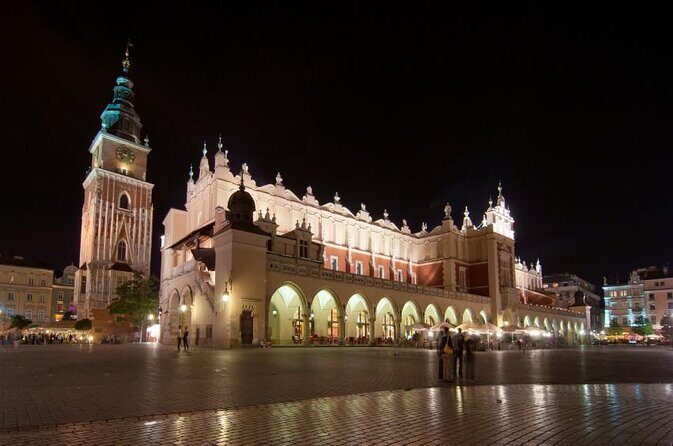
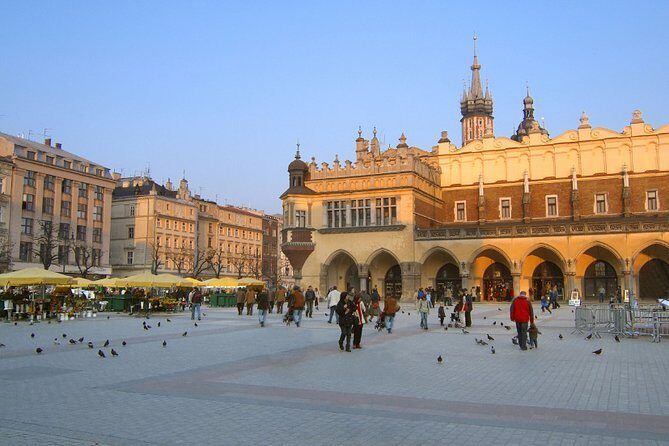
Day twelve brings you into Kraków’s heart. The walking tour begins at Wawel Hill, including the Royal Castle and Coronation Cathedral, tied to kings and notable figures. You’ll also have time to see the Royal Chambers with Flemish tapestries. Then you head into the Old Town and its defensive wall lines, the Barbican, Rynek Główny (Market Square), St. Mary’s Basilica, and the Sukiennice Cloth Hall.
This is one of the most satisfying combinations for first-timers because you get royal Kraków, classic square energy, and religious architecture all in one plan—without it turning into a checklist that ignores context.
Day thirteen is a gentle wrap-up. You check out, and if your tour ends here, you’ll get transferred by driver to Kraków airport.
Price and value: why the high number can still make sense
$5,350 per person is not a casual vacation price. The value depends on what you get for it—and this tour tries to justify it in three ways.
First, you’re buying the convenience of not planning daily logistics: airport transfers, a private air-conditioned vehicle, and scheduled guided stops across multiple regions. On a route that covers Warsaw, northern coast cities, central Poland, the Tatra region, and Kraków, that “planning time” is real money in your calendar and energy.
Second, meals and tickets reduce extra costs. You get 12 breakfasts and 12 dinners, with some evenings explicitly listed as dinner on your own. You also get entry tickets and guided experiences on the itinerary, including high-effort stops like the Elbląg Canal cruise and the guided Auschwitz-Birkenau visit.
Third, the hotel structure matters. You’re placed in 3 and 4-star hotels, rather than spending evenings negotiating location tradeoffs for the cheapest room. For a trip this packed, that comfort helps you keep up with the pace.
When it may not be a fit: if you want lots of downtime, this itinerary is not built for slow mornings. It’s for travelers who like a full day with guided context.
Who this tour is best for (and who should pause)
This tour suits you if:
- you want a wide sweep of Poland without building the route yourself
- you like guided history and religion sites with time to understand what you’re looking at
- you want nature days that still fit inside a structured plan (Dunajec rafting, Zakopane cable car views)
- you appreciate that some evenings are handled with dinner plans while you’re still traveling
You might want to consider a different style if:
- you prefer to choose restaurants every night and hate the idea of any dinner-on-your-own time
- you’re uncomfortable with a long driving day or two
- emotionally heavy history sites affect you more than you expect
Should you book this 13-Day Highlights of Poland tour?
I’d book it if you want Poland to feel like one coherent story—from rebuilt Warsaw, to port-city history, to castle and lakes, to the mountain air, and down to Kraków’s royal heart—with the hard parts of travel already solved. The strongest reason is the combination of guided stops plus the private-vehicle structure. You don’t just “see places.” You move through them with context and timing.
My decision advice is simple: if you’re okay with a packed schedule and you can handle a guided Auschwitz-Birkenau visit respectfully, this is a high-value way to cover a lot of Poland in 13 days without turning your trip into logistics management. If you’d rather go slower, or you only want one type of experience (all nature, all cities, or all museums), you may feel constrained.
If you tell me your travel dates and group size (2, 4, 8, etc.), I can help you judge whether the pace matches how you like to travel.
FAQ
Where does the tour start, and what time do you meet?
The tour starts at Frederic Chopin Airport in Warsaw, with a meeting time of 9:00 am. You’ll then transfer to your Warsaw hotel after arrival.
Is this tour private, and how large is the group?
It’s a private tour/activity, and only your group participates. The group size is limited to a maximum of 15 people.
What kind of transportation do you use?
You travel in an air-conditioned private vehicle, and the itinerary includes pickup offered plus airport transfers on arrival and departure.
What type of hotels and meals are included?
You stay in 3 and 4-star hotels. All breakfasts and dinners are included (12 breakfasts and 12 dinners across the trip).
Are any meals not included?
Yes. The itinerary lists some days with dinner on your own, including day 4, day 7, and day 11.
Does the tour include tickets and guided entries?
Yes. The itinerary includes entries and guided experiences, with admission tickets noted on multiple stops (for example, the Elbląg Canal cruise and Wieliczka Salt Mine, plus guided visits at several major sites).
How physically demanding is the tour?
You should have a moderate physical fitness level. The program also includes walking in multiple city centers and visits, and the salt mine experience is specifically noted to be cold (around 14°C), so you’ll want suitable clothing.
If I cancel, will I get a refund?
No. The experience is non-refundable and cannot be changed for any reason. If you cancel, the amount you paid will not be refunded.