REVIEW · WARSAW
World War II Warsaw Old Town, Military Cemetery Walking Tour
Book on GetYourGuide →Operated by Rosotravel Poland · Bookable on GetYourGuide
Warsaw tells WWII in stone and brick. This private World War II walking tour in Warsaw Old Town connects the German occupation to the Warsaw Rising, using the city itself as your timeline. I especially like the way a licensed guide turns major events like Hitler and Nazi rule into clear, human stories as you walk.
My second favorite part is how practical the stops feel: you don’t just look at monuments, you also pass Warsaw Ghetto boundary markers and see key memorials tied to resistance fighters like General Tadeusz Komorowski. The only drawback is the subject matter is heavy—expect serious coverage of destruction, occupation, and resistance, not a light sightseeing loop.
In This Review
- Key highlights at a glance
- Setting out from the Warsaw Mermaid and getting the timeline right
- Why the Market Square hits so hard in a WWII tour
- The German occupation and how the guide keeps it understandable
- Warsaw Uprising Monument: sacrifice made visible
- Following resistance footsteps through Old Town streets
- Warsaw Ghetto boundary markers: why this part matters
- The Tomb of an Unknown Soldier stop: a thoughtful ending
- Powązki Military Cemetery and the 4-hour option that adds context
- Inside the Military Museum in Powązki: learning that lasts
- Pickup, meeting point, and how to make the start easy
- Price and value: what $112 buys you here
- Who this tour suits best (and who might want another style)
- Should you book this WWII Warsaw Old Town and Powązki tour?
- FAQ
- How long is the WWII Warsaw Old Town and Military Cemetery walking tour?
- Where do I meet the guide?
- Is Powązki Military Cemetery included in the 2-hour tour?
- What extra is included in the 4-hour tour?
- Is the tour private?
- Will I be picked up from my hotel?
- What will I see during the Old Town portion?
- What topics does the guide cover?
- What languages are available?
- What’s the cancellation policy?
Key highlights at a glance

- Old Town Market Square as the starting point, tied to the fight for liberation and total devastation
- Warsaw Uprising Monument and the story of anti-Nazi resistance, including General Tadeusz Komorowski
- Warsaw Ghetto boundary markers that make the scale of the Nazi ghetto hard to ignore
- Tomb of an Unknown Soldier symbolic stop to pause and pay respects at the end of the walk
- Powązki Military Cemetery option with public transport tickets plus free entry to the Military Museum
Setting out from the Warsaw Mermaid and getting the timeline right
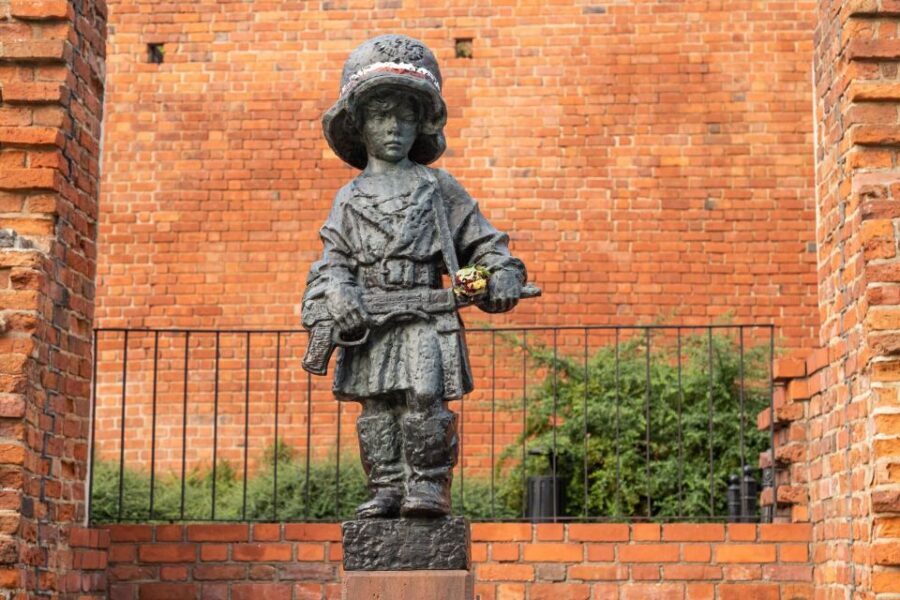
You meet your guide next to the Warsaw Mermaid (Pomnik Syrenki), right at Rynek Starego Miasta 18i. From there, the tour quickly sets expectations: this is not a random Old Town wander. It’s a guided route through the places where WWII happened, where memory is anchored, and where reconstruction can’t hide the past.
What I like here is the tone and the structure. You start at a central point, then move through sites that build a cause-and-effect story: occupation, underground resistance, escalating violence, and the eventual liberation. The guide’s job is to make the history readable while you’re walking—so you’re not trying to connect dots on your own with a map and guesswork.
Since it’s a private group, you can usually ask questions and get explanations that match how your brain wants to process the material. The tour is offered in multiple languages (German, English, French, Italian, Spanish, Russian, and Polish), which matters because WWII history is easy to misunderstand if the storytelling is simplified too much.
Other Warsaw Old Town tours and walks


Why the Market Square hits so hard in a WWII tour
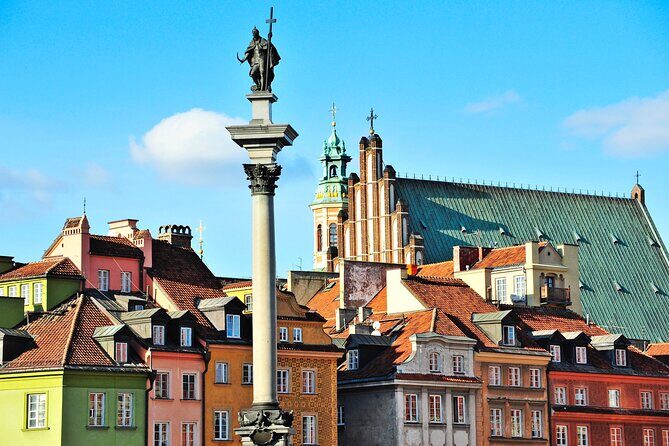
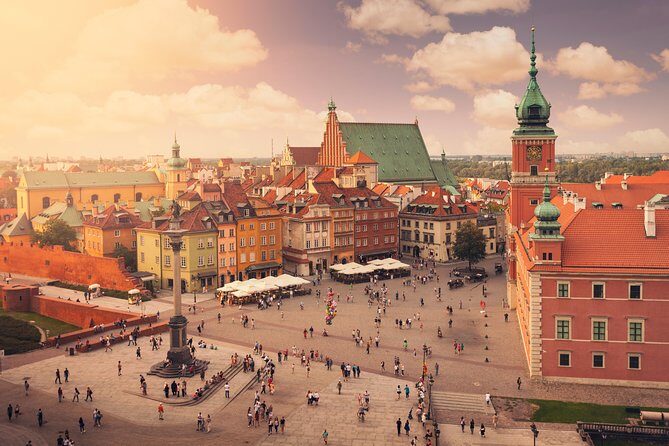
The walk begins at the Old Town Market Square, Rynek Starego Miasta. It’s easy to see why this works. The square is visually beautiful now, but it was completely destroyed during the fight for liberation from German occupation.
Your guide uses that contrast in a smart way. You don’t just hear that Warsaw suffered. You get a sense of what was lost where, and why the city you see today needed reconstruction to become functional again. That’s the first “aha” moment: Old Town isn’t just scenery here. It’s a rebuilt stage over real damage.
Practical tip: give yourself a moment before the tour to look around the square with fresh eyes. Even if you’ve visited Old Town before, this starting point changes what you notice—doorways, street layouts, monument placement, and how memory is displayed.
The German occupation and how the guide keeps it understandable
One of the tour’s main promises is clear: you’ll learn about the German occupation of Poland, the Nazis, and Adolf Hitler, along with the sequence of events that led up to the Warsaw Rising in August 1944.
The value of doing this with a guide is that occupation history can turn into a blur when you read it alone. Here, the story is anchored to specific locations in Warsaw Old Town. So instead of memorizing dates, you’re connecting what happened to where it happened. That connection is what makes the history stick.
I also appreciate that the tour includes the role of the underground movement, spies, and everyday heroes. That’s a big part of why the walking format works: the city becomes the backdrop for ordinary life under extraordinary terror. You end up with a clearer sense of how resistance networks operated and why the Warsaw Rising mattered beyond the battlefield.
Warsaw Uprising Monument: sacrifice made visible

A key stop is the Warsaw Uprising Monument, which commemorates the sacrifice of anti-Nazi resistance fighters. The guide specifically ties the monument to figures like General Tadeusz Komorowski, helping you understand why this memorial is one of the emotional centerpieces of the Old Town story.
Here’s what this stop does well for you. It forces the tour to shift from explanation to remembrance. You can hear the backstory of the Rising and then look at the site as a physical expression of that loss. It’s not just “what happened,” but “what was remembered” and how.
One consideration: plan to slow down at this stop. It’s the kind of location where you might feel like you want a few silent seconds after hearing the story. That’s normal, and it actually makes the rest of the tour land better.
Following resistance footsteps through Old Town streets
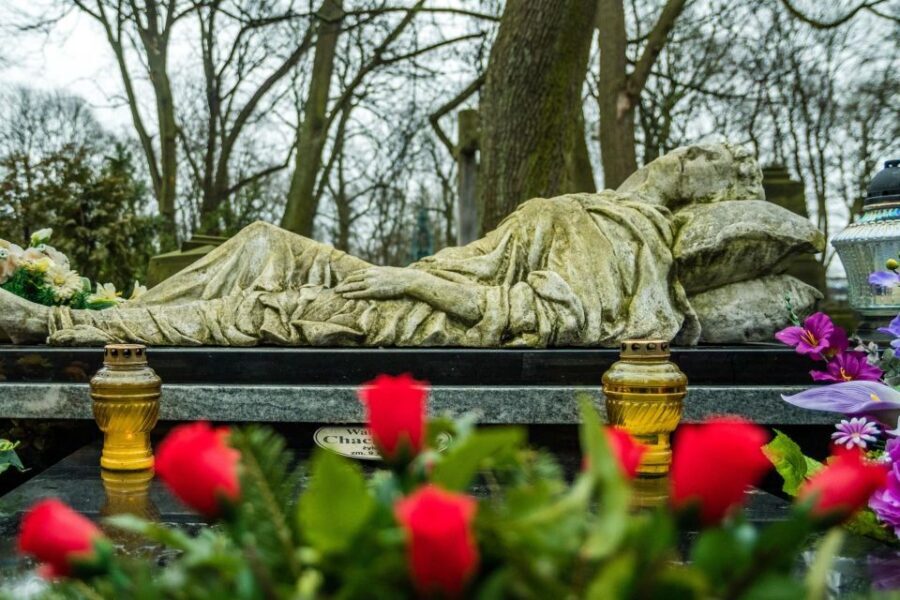
The tour is built to do more than hit obvious monuments. It follows the steps of Warsaw insurgents during the Warsaw Rising, and it keeps returning to the human side of the conflict: spies, underground networks, and people doing small things that carried huge risk.
This is where I think the private guide format shines. A good guide can explain how occupation pressures turned people into decision-makers—sometimes in ways that were desperate, sometimes in ways that were quietly brave. Since your route is short enough (2 to 4 hours), you can keep emotional and historical momentum instead of switching between random highlights.
If you like history that feels grounded rather than abstract, you’ll likely enjoy the guide’s focus on concrete events and people. The German and English offerings matter too because WWII vocabulary and names can be tricky—having a guide who can cover details in your language reduces confusion.
Other walking tours we've reviewed in Warsaw





Warsaw Ghetto boundary markers: why this part matters
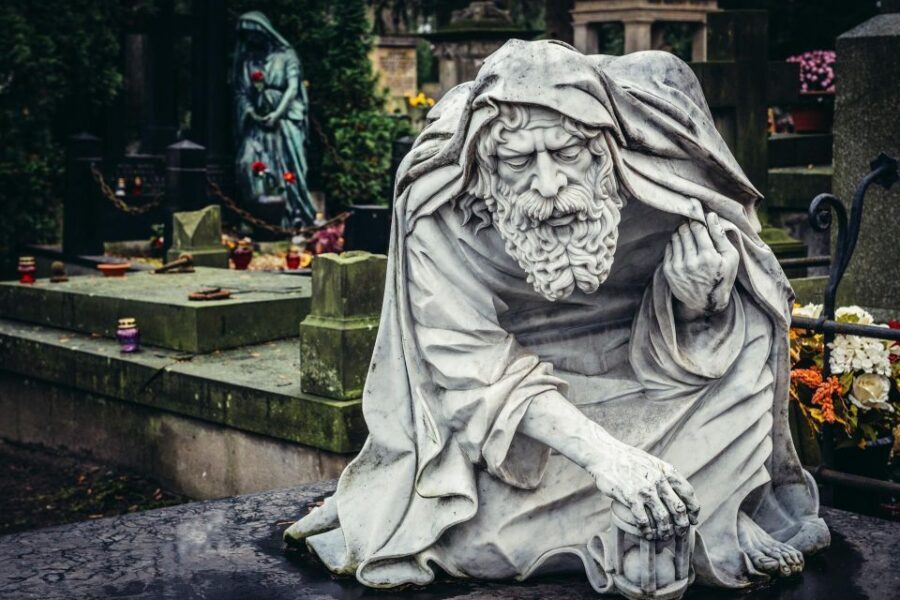
One of the most striking elements in the Old Town portion is seeing the boundary markers of the Warsaw Ghetto. These markers are important because they turn a massive, tragic chapter of WWII into something you can physically locate with your eyes while standing in the city.
This stop also helps you understand scale. You’re not just hearing that there was a ghetto. You’re seeing the outline—what was inside, what was outside, and what the boundaries meant for daily life. The tour also connects this to the ghetto uprising, which gives the story a wider arc than occupation alone.
A practical note: this part of the tour can feel intense. Give yourself permission to absorb it. If you’re the type who likes to take photos as you go, consider pausing between shots so you can actually listen. The power here comes from the words paired with the exact place.
The Tomb of an Unknown Soldier stop: a thoughtful ending
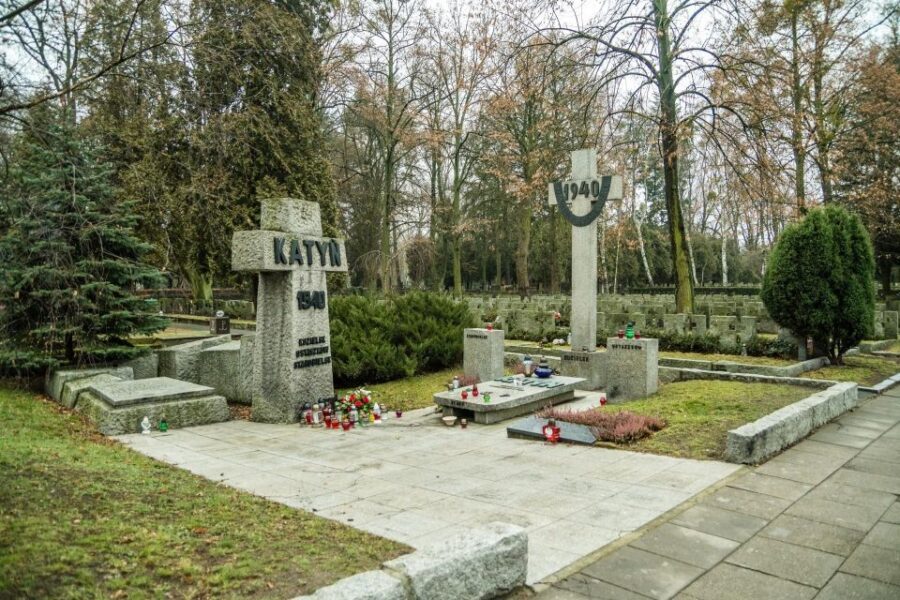
Near the end of the Old Town walking portion, you’ll have the opportunity to pay your respects at the symbolic Tomb of an Unknown Soldier. This doesn’t feel like an afterthought. It works as a reset point—after monuments and boundary markers, you get a chance to reflect rather than just keep walking.
If you’re on the shorter 2-hour option, this end point gives you a strong, complete arc: occupation context, Rising and resistance, the ghetto story, and then a moment of remembrance.
If you’re choosing the longer option, the route continues onward by transport to Powązki. Either way, the ending is designed to make you leave with a sense of closure, not just a list of sites.
Powązki Military Cemetery and the 4-hour option that adds context

If you book the 4-hour version, the tour expands beyond Old Town into Powązki Military Cemetery. This matters because cemeteries change how you interpret wartime history. Instead of focusing only on events, you start seeing the cost carried into the long years after fighting.
You’ll use public transportation to get to the cemetery, and the tour provides two-way transport tickets, so you don’t have to figure it out on the spot. That’s a practical win in a city where transit is easy to get wrong if you’re rushing or tired.
Once at Powązki, you visit the necropolis honoring members of the Polish military. Many WWII heroes are buried there, and your private guide ties the cemetery back to the occupation’s consequences and the sacrifices of Polish fighters.
One drawback to consider: adding the cemetery and museum means you’ll walk less continuously, but you’ll spend more total time on the experience. If you have a tight schedule, the 2-hour option may be the smarter fit.
Inside the Military Museum in Powązki: learning that lasts
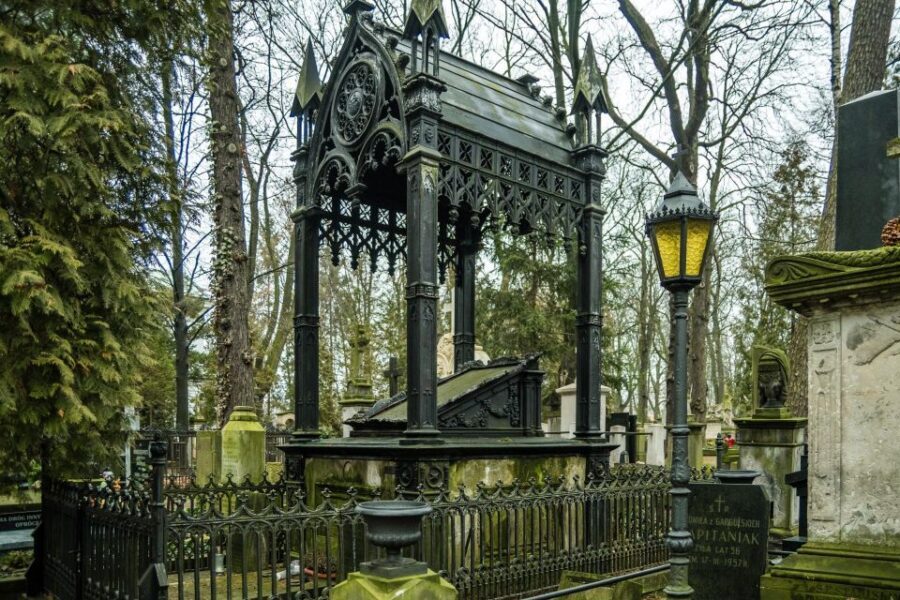
The 4-hour tour also includes free entry to the Military Museum in Powązki. This is valuable because a walking tour can only fit so much context into a couple of hours. The museum helps you pin down additional background and details so the sites don’t feel like standalone icons.
Even if you’re already familiar with WWII in Warsaw, museums often give you the missing pieces: material culture, names, explanations of how resistance and military life connected, and how the story was shaped for remembrance. Here, that added context helps you process what you saw in Old Town before you leave the cemetery area.
If you prefer learning at a slower pace, this option is the better value. It takes the tour from emotional impact to historical understanding.
Pickup, meeting point, and how to make the start easy
For the practical side: pickup is available for accommodations/hotels located in Warsaw Old Town. You’ll just need to provide your full address when booking, and the route can adjust accordingly. If your stay is more than 1.5 km away from the meeting point, the guide will meet you next to the Warsaw Mermaid at Rynek Starego Miasta 18i.
Why this matters: the beginning sets the tone. If you arrive stressed, it’s harder to absorb what the guide is saying. Aim to arrive a few minutes early so you can settle your head before the story starts.
Price and value: what $112 buys you here
At $112 per person and 2 to 4 hours, you’re paying for three main things: a private format, a licensed guide who’s fluent in your chosen language, and the structure to connect multiple WWII sites without confusion.
If you’re trying to DIY this alone, you’d need solid background knowledge to interpret what you’re seeing. The tour removes that friction by handling names, motivations, and the sequence of events. The guide also manages pacing so you aren’t racing from stop to stop.
The longer option adds transport tickets and free museum entry. That’s real value if Powązki and the museum are on your must-see list. If they’re not, the 2-hour version still gives you a focused Old Town route through occupation, Rising memorials, ghetto boundary markers, and the symbolic Tomb of an Unknown Soldier.
Who this tour suits best (and who might want another style)
This is a strong fit if you want your Warsaw history to feel grounded and specific. You’ll enjoy it if you like walking tours that take you beyond postcard viewpoints into the places where real decisions were made and real tragedies unfolded.
Choose the 2-hour option if you want a concentrated Old Town route without the cemetery leg. Choose the 4-hour option if you want the added weight of Powązki plus the museum context, and you don’t mind spending more time with the subject.
You might consider skipping (or choosing a different format) if you’re looking for a light, casual day with lots of leisure stops. This is a history-focused experience with heavy themes, and the guide doesn’t shy away from the truth.
Should you book this WWII Warsaw Old Town and Powązki tour?
I’d book it if you care about understanding WWII in Warsaw from the ground up—through the exact monuments and markers, explained by a licensed guide who can connect the dots clearly. The Old Town portion gives you the key memorial storyline, and the cemetery option adds the kind of context that makes the history feel real, not just read.
If you want your Warsaw visit to include more than reconstructed beauty, this tour does that job. It helps you see what was destroyed, what was fought for, and how memory is still mapped into the city.
FAQ
How long is the WWII Warsaw Old Town and Military Cemetery walking tour?
The tour runs for 2 to 4 hours, depending on the option you choose.
Where do I meet the guide?
Meet your guide next to the Warsaw Mermaid (Pomnik Syrenki), Rynek Starego Miasta 18i, 00-272 Warsaw.
Is Powązki Military Cemetery included in the 2-hour tour?
No. The Powązki Military Cemetery is not included in the 2-hour tour.
What extra is included in the 4-hour tour?
The 4-hour tour includes public transport tickets to Powązki Military Cemetery, free entry to the Military Museum in Powązki, and stops connected to the cemetery and Polish WWII heroes.
Is the tour private?
Yes, it’s a private group tour.
Will I be picked up from my hotel?
Pickup is available for accommodations or hotels in Warsaw Old Town. If your address isn’t provided or is more than 1.5 km from the meeting point, the guide meets you at the Warsaw Mermaid.
What will I see during the Old Town portion?
You’ll visit WWII memorial sites in Warsaw Old Town, including the Warsaw Uprising Monument, and you’ll pass by the former boundary markers of the Warsaw Ghetto. The tour also includes an opportunity to pay respects at the Tomb of an Unknown Soldier.
What topics does the guide cover?
The tour focuses on the German occupation of Poland, Nazi rule and Adolf Hitler, the Warsaw Rising, the underground movement and spies, and the ghetto uprising.
What languages are available?
The live guide is available in German, English, French, Italian, Spanish, Russian, and Polish.
What’s the cancellation policy?
You can cancel up to 24 hours in advance for a full refund.