REVIEW · WARSAW
Skip-the-Line Polin Museum Warsaw Jewish History Tour
Book on GetYourGuide →Operated by Rosotravel Poland · Bookable on GetYourGuide
Jewish Warsaw has its own pulse. This private POLIN Museum and Warsaw Ghetto tour pairs skip-the-line museum access with a guide who explains the centuries in plain, human terms, in the language you choose. If you only know the headlines, this format helps you build the timeline in your head.
I especially like two parts. First, the POLIN Museum tells a long story, starting with early Jewish life in Poland and moving through World War II, including the murder of 3,000,000 Polish Jews in the Holocaust. Second, the 4-hour option turns the ghetto landscape into a guided walking lesson, with stops tied to places like the Ulica Miła 18 resistance bunker area and the Umschlagplatz departure point for Treblinka.
One consideration: the 2-hour option is museum-only, so you will not see the Warsaw Ghetto area. Also, the skip-the-line ticket helps with the ticket office, but you will still go through entry and security checks like everyone else.
In This Review
- Key things to know before you go
- POLIN Museum first: why the story clicks faster with a guide
- Skip-the-line tickets: what they save you time on
- Entering the POLIN Museum: what you actually see in 2 hours
- The Warsaw Ghetto walking route in the 4-hour option
- How the guide experience shapes what you take away
- 2 hours or 4 hours: choosing the right fit
- Price and value: is $152 per person worth it?
- Practical tips for a smoother tour day
- Who should book this tour
- Should you book the POLIN Museum and Warsaw Ghetto skip-the-line tour?
- FAQ
- What is the main focus of the POLIN Museum part of this tour?
- What’s the difference between the 2-hour and 4-hour options?
- What does skip-the-line at the POLIN Museum cover?
- Where do I meet for the tour?
- Which languages are available for the guide?
- Is this tour private and wheelchair accessible?
- Is free cancellation and pay-later booking available?
Key things to know before you go
- Private, licensed guide in your chosen language keeps the story clear and connected as you move between exhibits and streets
- Skip-the-line is for the POLIN Museum ticket office only, not the entrance and security line
- Two route lengths: 2-hour museum visit or 4-hour museum plus Warsaw Ghetto walking sites
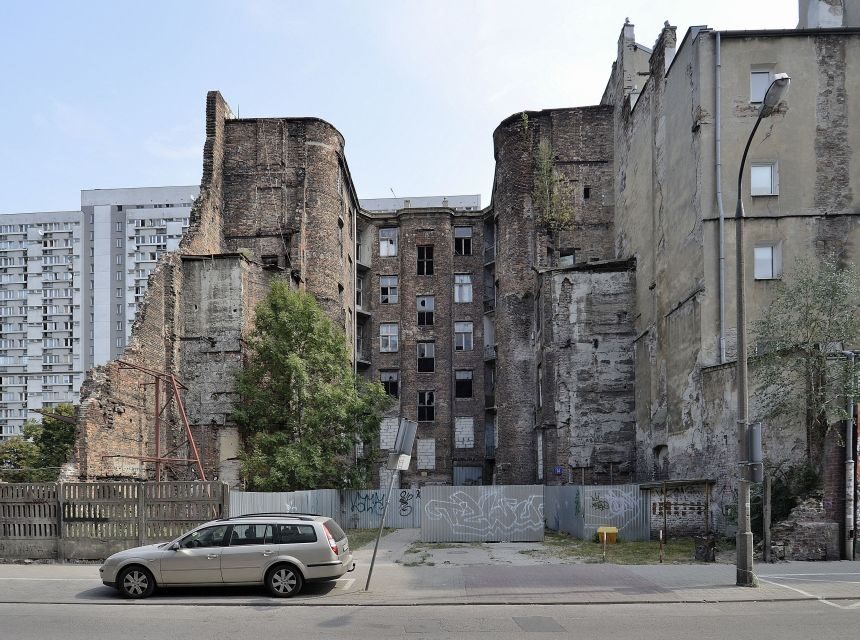
- Ghetto stops on the 4-hour walk include Monument to the Ghetto Heroes, Ulica Miła 18, and Umschlagplatz
- Museum access covers key areas: the main exhibition, an ongoing temporary exhibition, and the Heritage Gallery
- Guides are praised for storytelling (for example, Agnieszka, Jan, and Jolanta stood out for how they communicated)
POLIN Museum first: why the story clicks faster with a guide

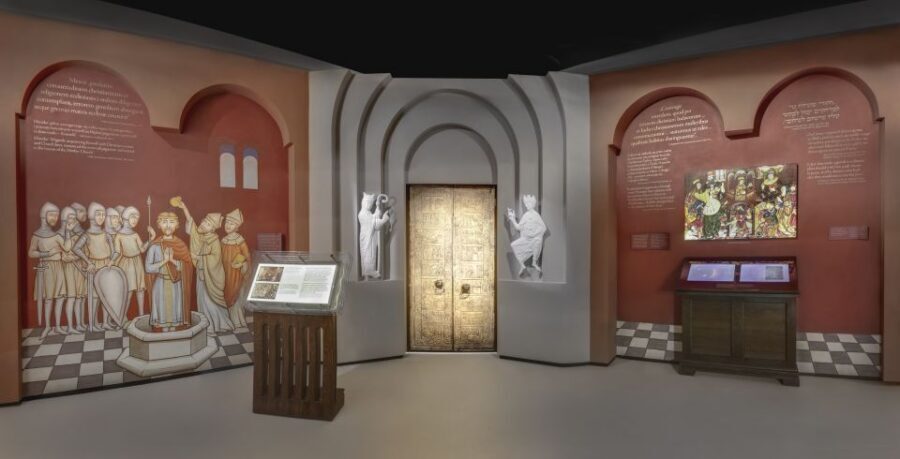
The POLIN Museum of the History of Polish Jews is one of Warsaw’s most important stops for anyone who wants context, not just scenes. The museum’s strength is the way it stretches time. You start with the first Jewish settlements in Poland, and then you move through centuries of culture and community—before the tour’s later parts confront World War II and the Holocaust.
What makes a guided version work is pacing. A museum can feel like information overload because you’re reading, looking, and processing at once. A good guide helps you choose the right details and connect them into a timeline. One guide mentioned in feedback, Agnieszka, is specifically praised for helping visitors understand Jewish culture and the ghetto history with the sites, not just the exhibits.
I also like that the tour doesn’t treat the Holocaust as a side chapter. You get expert commentary on Jewish history and the Holocaust in Poland, including the German occupation of Poland, everyday life in the Warsaw Ghetto, the uprising, Nazi concentration camps, and rescue operations. That kind of framing matters because it changes how you read each object and display.
Other POLIN and Jewish heritage tours in Warsaw



Skip-the-line tickets: what they save you time on

Let’s keep expectations practical. The skip-the-line tickets to POLIN Museum let you bypass long lines at the ticket office. That’s a real win in Warsaw, where lines can swallow time fast.
But you should still plan for the normal entry flow. The ticket helps with tickets, not with the entrance and security checks. In other words, you’re skipping paperwork and queuing for tickets, not the broader security process.
In practical terms, arrive a bit early anyway. Being early reduces the stress of the security line and helps you get settled before your guide starts pointing out what matters most in the main exhibition. If you’re the type who hates rushing through the first galleries, the skip-the-line ticket still earns its keep because you can start the museum portion with your head clear.
Entering the POLIN Museum: what you actually see in 2 hours

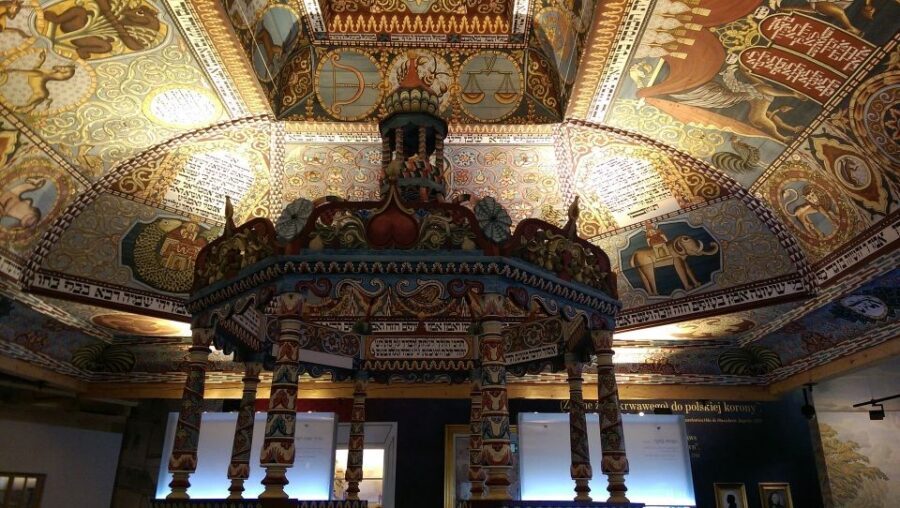
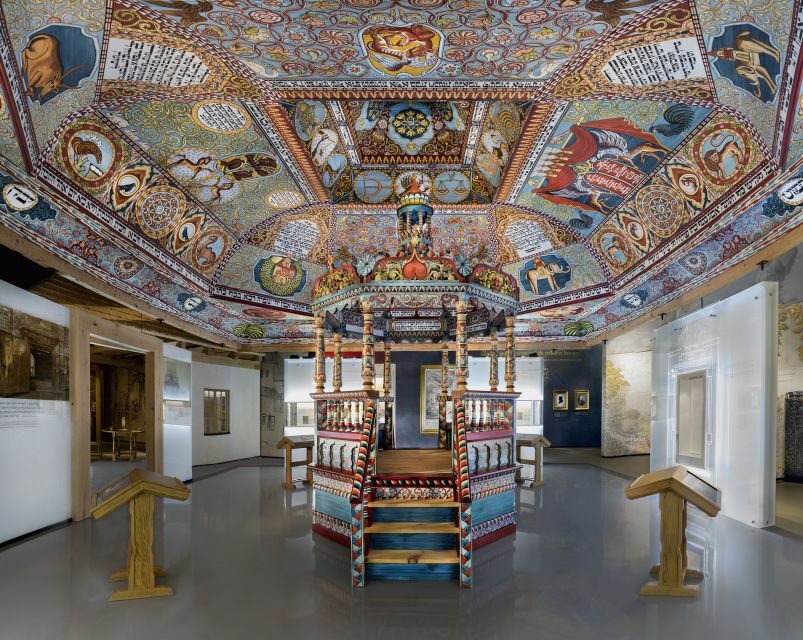
With the 2-hour private option, the museum is the whole show. You’ll use your skip-the-line ticket to get into the POLIN Museum and focus on the core parts of the story. The admission covers the main exhibition, an ongoing temporary exhibition, and the Heritage Gallery—so you’re not limited to only one fixed trail.
In that time window, the guide’s job is to show you the big turning points without trying to cover every single room. That’s where a licensed guide who speaks your language helps most. You get commentary that links themes—settlement and community, culture and daily life, then the collapse of everything under occupation and genocide.
The museum itself is modern and well laid out, which helps. Still, two hours goes quickly once you start reading labels. The tour structure helps you avoid that common trap: staring at one panel for 20 minutes and then realizing you’ve run out of time for the parts that answer your main questions.
If you want a deeper museum experience at a slower pace, you might prefer adding time elsewhere in Warsaw after the tour. For the museum portion, this route is best for people who want strong orientation and must-see context, not a week-long autopsy of every exhibit.
The Warsaw Ghetto walking route in the 4-hour option
The 4-hour version adds the street-level Warsaw Ghetto area. This is where the tour shifts from reading and artifacts to geography and memory.
You’ll visit key memorial and historical sites, including the Monument to the Ghetto Heroes. That stop matters because it’s not just a memorial wall. It frames the mindset of resistance and survival, before you head to the more specific locations that mark events and departure points.
One of the most concrete stops is Ulica Miła 18, associated with the headquarters of a Jewish resistance group bunker. Knowing that a specific building ties to organized resistance helps you see the ghetto story as more than suffering. It becomes agency—grim and brave agency.
You’ll also visit the Umschlagplatz Monument, which marks the departure point for Jews transported to Treblinka. That location grounds the history in one of the most important mechanisms of the Holocaust. Standing there after the museum context often makes the story feel less abstract and more like a real sequence of choices, orders, and consequences.
Important note: the 2-hour option does not include the ghetto walking portion at all. So if your main goal is the streets and memorials, pick the 4-hour tour.
How the guide experience shapes what you take away
This tour lives or dies by communication. In feedback, the best guides are praised for narrative clarity and for showing visitors what they would otherwise miss.
Agnieszka is singled out for taking guests around the ghetto area and pointing out multiple sites that would be easy to overlook on your own. That is exactly what a good street walk should do. Warsaw can be visually confusing—your brain keeps skipping the small plaques and sightlines unless someone draws attention to them and explains why they matter.
Jan is praised for being deeply engaged with both the city and the topic, which usually means the guide doesn’t sound like a script. Jolanta is described as an excellent historian and superb communicator, and that combination matters in a museum setting where you’re trying to connect big ideas across centuries.
Here’s the practical takeaway for you: if you care about accuracy and flow, you’ll benefit from a guide who can translate history into understandable scenes. This tour specifically provides expert commentary on Jewish history and the Holocaust in Poland, and it stays anchored to real locations.
Other historical tours in Warsaw






2 hours or 4 hours: choosing the right fit
This decision is simple if you’re honest about your priorities.
Choose the 2-hour POLIN Museum option if you:
- want the big storyline in a focused, efficient visit
- prefer museum time over outdoor walking
- plan to explore the rest of Warsaw with your own pace afterward
Choose the 4-hour option if you:
- want the museum context plus the Warsaw Ghetto area
- care about seeing monuments tied to specific episodes, including the uprising-linked resistance site area and Umschlagplatz
- like guided walking because it turns geography into understanding
The difference is not subtle. The 2-hour tour won’t take you to the Warsaw Ghetto area. So if you book it expecting the streets and memorials, you’ll be disappointed.
Both options are private, so the pace can also be more flexible than a large-group tour. Still, you should wear comfortable shoes if you pick the 4-hour walk, since you’ll be outside moving between memorial points.
Price and value: is $152 per person worth it?
At $152 per person, you’re paying for three things that add real value: a licensed guide, private pacing, and the skip-the-line museum access.
Let’s break down the value logic.
- The skip-the-line ticket helps you start faster at POLIN Museum by reducing ticket-office waiting. It doesn’t eliminate security, but it still saves time when lines are heavy.
- The guide’s commentary isn’t just storytelling. It’s historical context that connects what you see in the museum to what you see outside in the ghetto area (on the 4-hour option).
- Private format means you’re not fighting for attention in a crowd. It’s easier for the guide to explain, adjust pacing, and clarify questions.
Whether it feels like a deal depends on how you travel. If you’re the type who reads on your own and doesn’t need help organizing the story, you might find a self-guided museum visit cheaper. But if you want the museum’s long timeline plus the ghetto walking route to make sense as one coherent narrative, the guide time is the main value driver.
Also, paying for a licensed guide matters at this topic. You’re dealing with centuries of history and the Holocaust, so accuracy and clear framing change your experience.
Practical tips for a smoother tour day
Here are a few things I’d do to make the time work.
Start with the meeting point: the tour meets in front of the Pomnik Bohaterów Getta at Zamenhofa 11, Warsaw 00-001. Give yourself extra minutes to get there calmly, especially if you’re using public transport.
If you’re aiming to minimize stress, plan your schedule so this tour isn’t wedged between tight appointments. The museum portion can move quickly because you’ll cover major exhibitions, and the 4-hour walk adds outdoor time.
Finally, be ready for a serious tone. The tour’s focus includes daily life in the Warsaw Ghetto, the uprising, Nazi concentration camps, and the Treblinka deportation site. You don’t come here for light entertainment. You come here to understand.
Who should book this tour
This is a strong fit for you if:
- you want a guided introduction to Jewish history in Poland and the Warsaw Ghetto area
- you prefer expert commentary over random reading
- you’re booking for a specific language and want the guide to explain in it
- you want the museum plus key ghetto sites, not just one or the other
It may not be the best fit if:
- you only want a self-paced museum visit with no guide
- you’re expecting the skip-the-line ticket to bypass entrance security (it doesn’t)
Should you book the POLIN Museum and Warsaw Ghetto skip-the-line tour?
Book it if you want Warsaw’s Jewish history to make sense fast. This tour pairs skip-the-line museum entry with a licensed guide who can connect exhibitions to real-world locations like Ulica Miła 18 and Umschlagplatz. The 4-hour option is the one that gives you the full geography of the Warsaw Ghetto; the 2-hour option is a focused museum orientation.
If you’re deciding between the two, I’d base it on your main goal. Want the streets and memorials too? Go 4 hours. Want museum context only and then explore on your own afterward? Go 2 hours.
FAQ
What is the main focus of the POLIN Museum part of this tour?
The POLIN Museum of the History of Polish Jews covers more than 1,000 years of Jewish history in Poland, moving from early settlement and culture through World War II and the Holocaust, with expert commentary from your licensed guide.
What’s the difference between the 2-hour and 4-hour options?
The 2-hour private tour is POLIN Museum only. The 4-hour private tour includes the POLIN Museum plus a walking tour of the former Warsaw Ghetto with several memorial sites.
What does skip-the-line at the POLIN Museum cover?
The skip-the-line tickets help you avoid long lines at the ticket office, but they do not skip entrance and security checks.
Where do I meet for the tour?
Meet in front of the Pomnik Bohaterów Getta, street Zamenhofa 11, Warsaw 00-001, Poland.
Which languages are available for the guide?
The guide is available in French, German, Italian, Russian, Spanish, English, and Polish.
Is this tour private and wheelchair accessible?
Yes. It is a private group tour, and it is wheelchair accessible.
Is free cancellation and pay-later booking available?
Yes. You can cancel up to 24 hours in advance for a full refund. You can also reserve now and pay later.