REVIEW · WARSAW
Warsaw: Private 3-Hour Sightseeing Tour by Car with Pickup
Book on GetYourGuide →Operated by PolinTours · Bookable on GetYourGuide
Warsaw changes fast, and this tour keeps up. I love the mix of UNESCO Old Town streets and the Royal Route walk, because you get a quick, clear feel for how the city looks and how it got that way. In just a couple of hours, you’re not stuck staring out the window or lost in a maze of landmarks.
I also like that the English/German guide weaves the big story together: Warsaw’s World War II experience, the post-war period under Moscow’s control, and the memory of the Warsaw Ghetto. The one drawback is simple—this is short—so if you want museum time and long café stops, you’ll need to plan that on your own since lunch isn’t included.
In This Review
- Key points to know before you go
- Getting Oriented Fast: Pickup, Car Comfort, and a 2–3 Hour Rhythm
- UNESCO Old Town and the Royal Route: What You’ll Actually Learn While You Stroll
- Royal Łazienki Park: Gardens, Views, and the Palace Complex Side of Warsaw
- Marie Curie and Frédéric Chopin: Following Ideas, Not Just Buildings
- World War II, the Moscow Era, and the Warsaw Ghetto: Meaning Comes From Context
- Socialism-Era Architecture and Warsaw’s Modern Energy
- Price and Logistics: Is $93 Worth It for a Private, Guided 2–3 Hour Tour?
- What to Bring, What to Skip, and How to Stay Comfortable
- Who This Private Warsaw Tour Suits Best (And Who Might Prefer Another Plan)
- A Real-World Guide Experience: Marzena, Mary, and What Good Communication Looks Like
- Should You Book This Warsaw Car-and-Walking Tour?
- FAQ
- How long is the Warsaw private sightseeing tour?
- What’s included in the price?
- Is lunch included?
- What languages are the live guides?
- What should I bring?
- Is the tour wheelchair-friendly?
Key points to know before you go
- Car plus walking plan: you cover more ground without turning the day into a marathon.
- UNESCO Old Town and the Royal Route: ideal for getting your bearings quickly.
- Łazienki Park and the palace complex: a calmer, greener side of Warsaw with royal vibes.
- Marie Curie and Frédéric Chopin moments: history isn’t only wars and politics.
- World War II to the Moscow era to the Ghetto: the guide ties it together in a way that makes sense.
Getting Oriented Fast: Pickup, Car Comfort, and a 2–3 Hour Rhythm
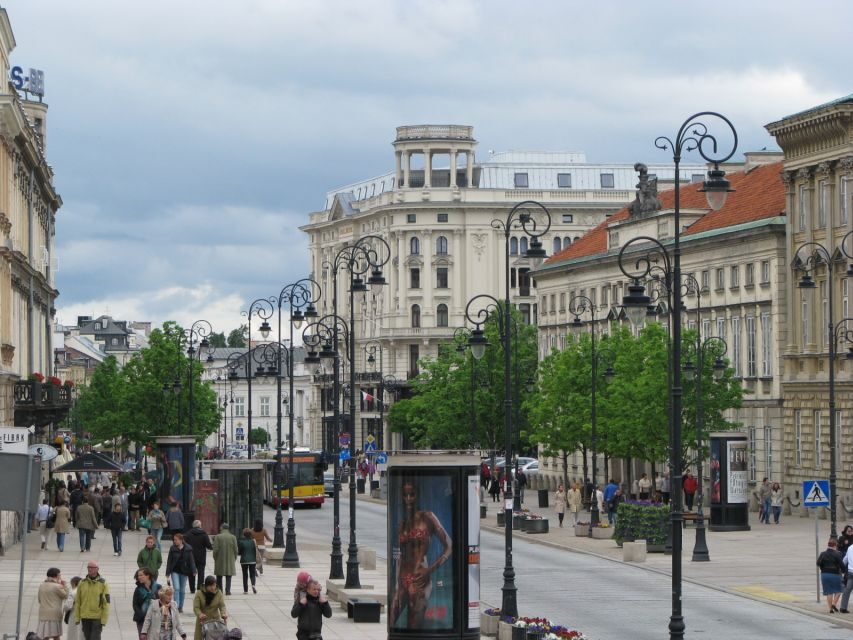
This tour is built for people who want a strong overview without giving up the rest of their day. You’ll start with pickup at your accommodation in Warsaw (or another meeting point by arrangement), then head out in an air-conditioned car to link the stops efficiently.
The timing matters here. It’s scheduled for about 2–3 hours, and the itinerary is adapted based on where you’re staying, which helps you avoid wasting time crossing the city. You’ll do both driving and walking, so expect a light street stroll rather than a nonstop hop-on/hop-off bus day.
If you’re coming in with jet lag or you just want structure, this format is practical. You’ll see major areas, but you’ll also hear the “why” behind them through a certified guide.
Other private tours in Warsaw


UNESCO Old Town and the Royal Route: What You’ll Actually Learn While You Stroll
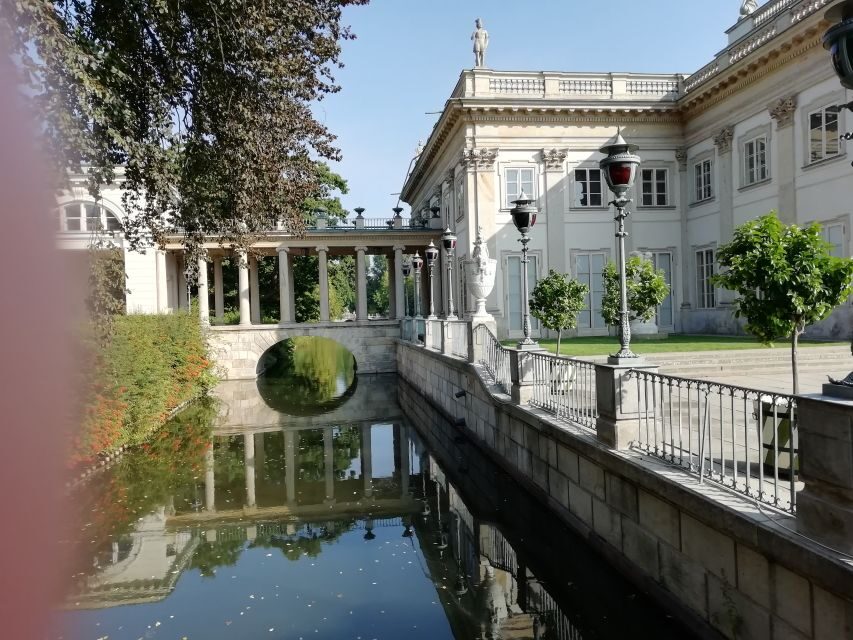
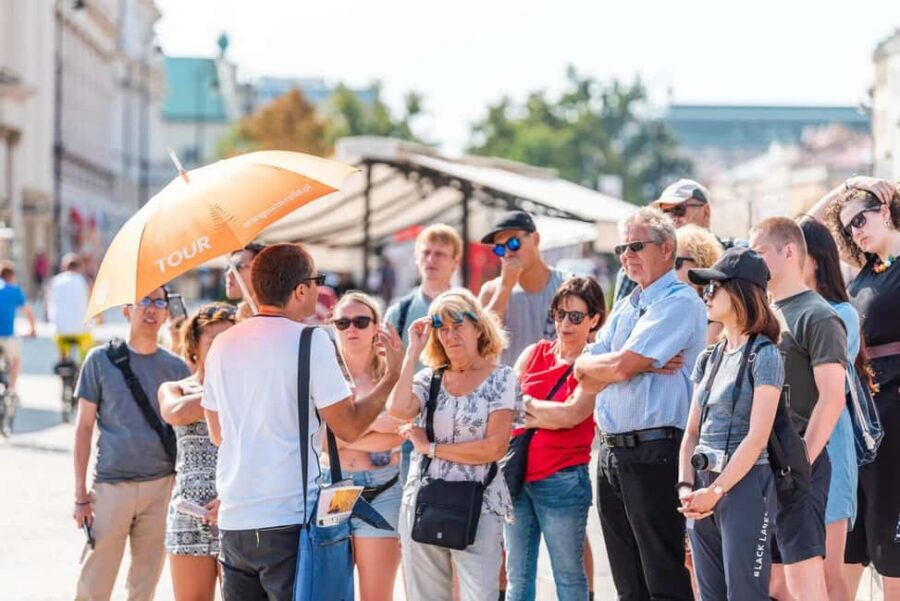
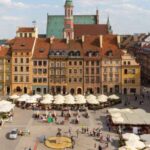
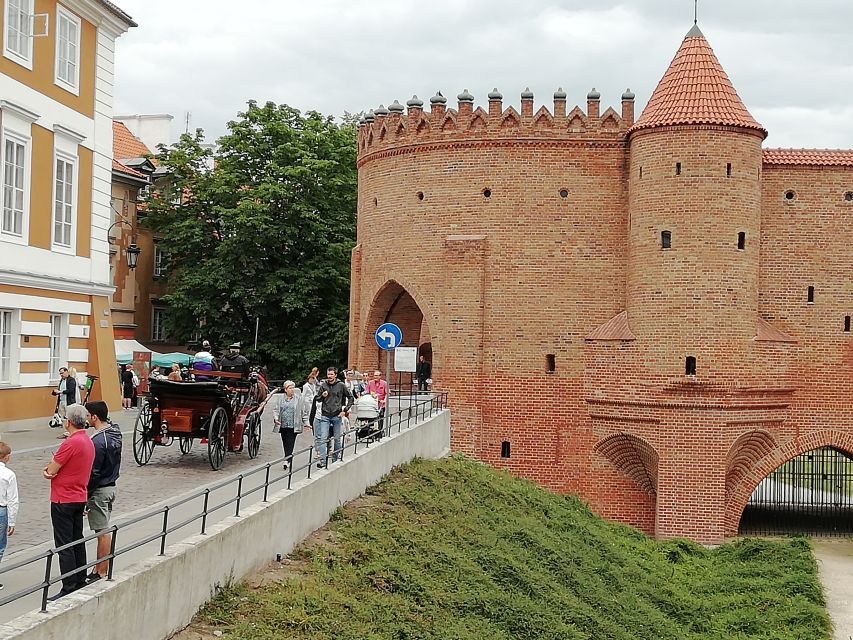
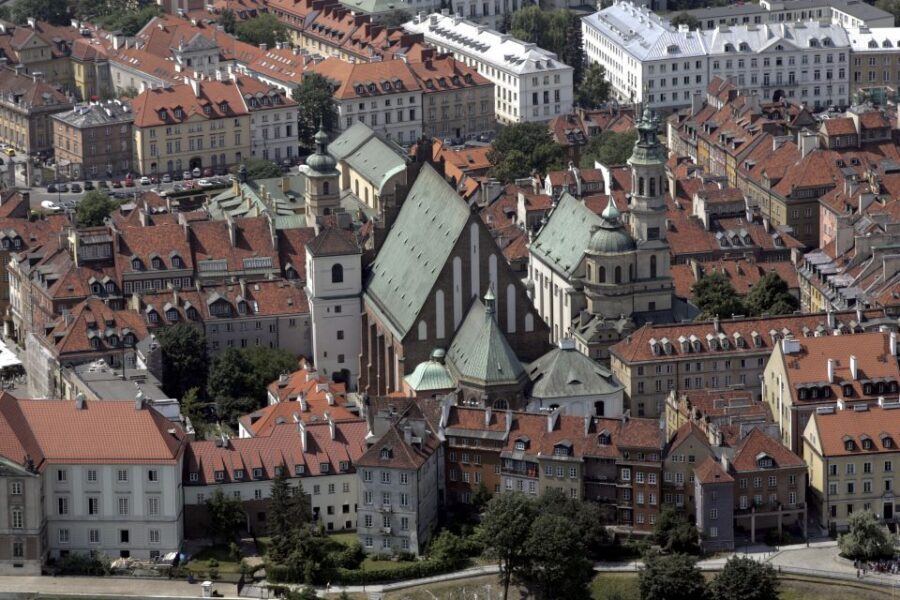
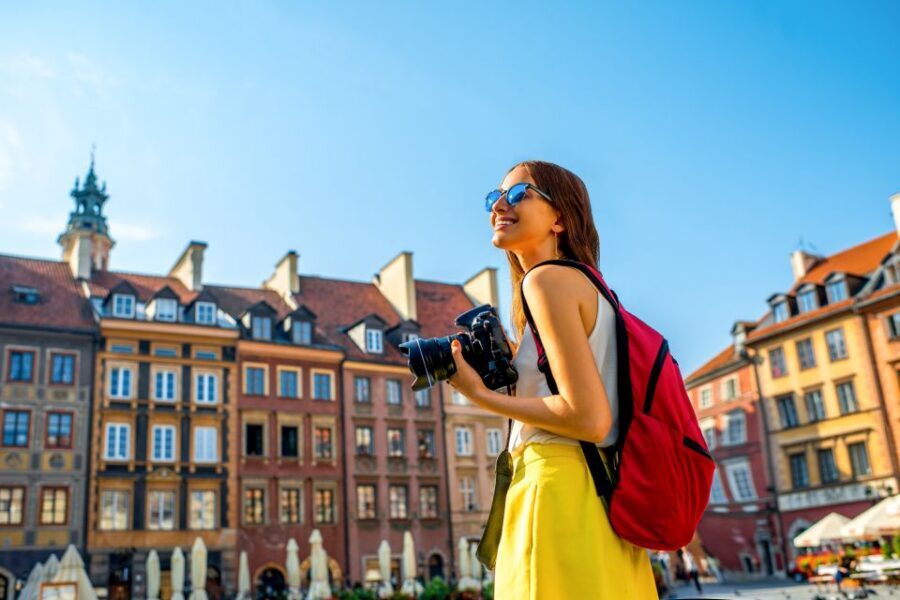
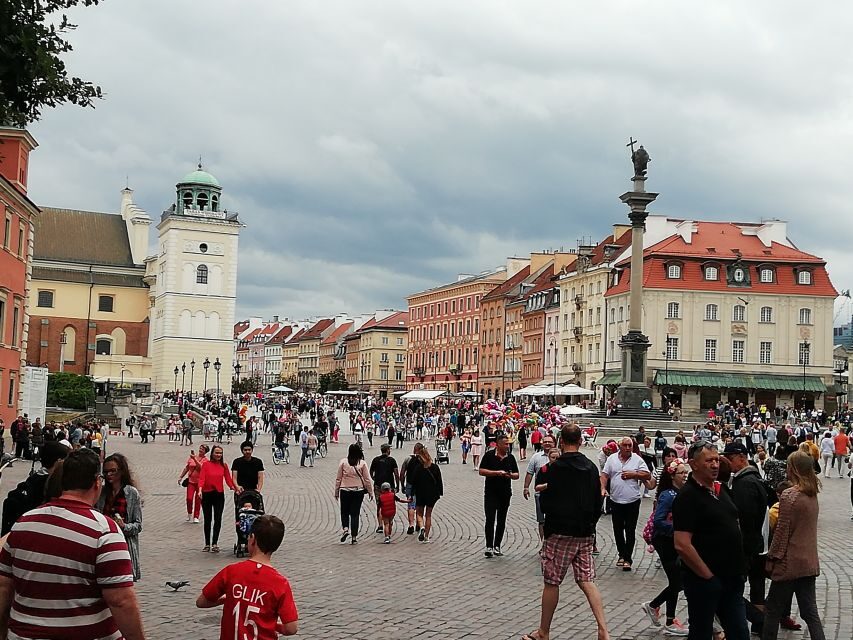
The walking portion centers on Warsaw’s Old Town, a UNESCO World Heritage Site, plus the Royal Route. This isn’t just pretty streets time. The guide connects what you see—buildings, street layout, and key landmarks—to the way Warsaw has been rebuilt and reshaped across the centuries.
One thing I really like about this style of stop is that it helps you “read” the city. When you know where the Royal Route runs and what it symbolizes, the streets stop looking random and start looking intentional. You also get that romantic old-street feeling many visitors hope for, without turning it into a slow loop.
A realistic consideration: because the tour blends walking and driving, you won’t be lingering for long photo sessions at every corner. You’ll move steadily, and you’ll want comfortable shoes if you’re tackling cobblestones or uneven pavement.
Royal Łazienki Park: Gardens, Views, and the Palace Complex Side of Warsaw
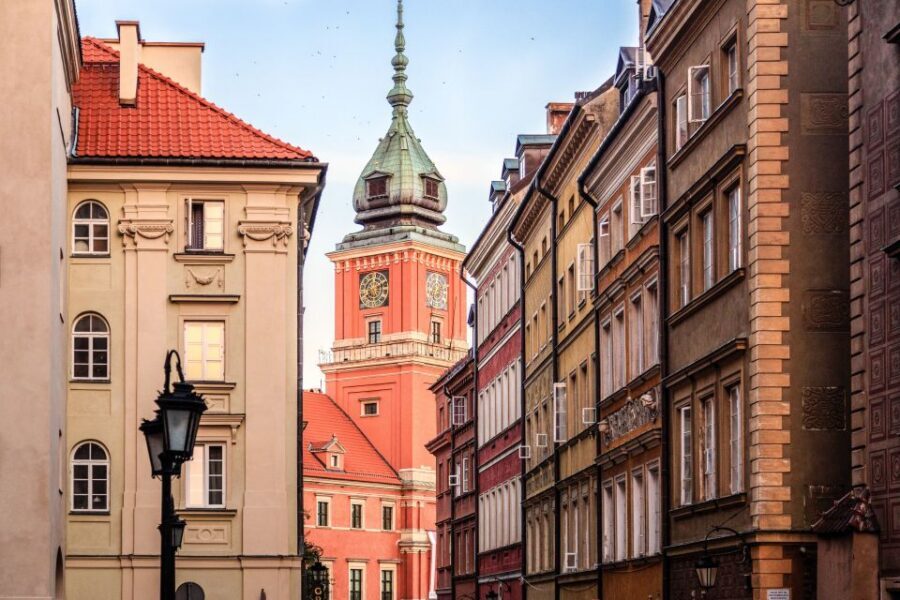
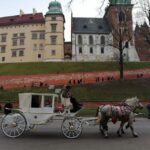
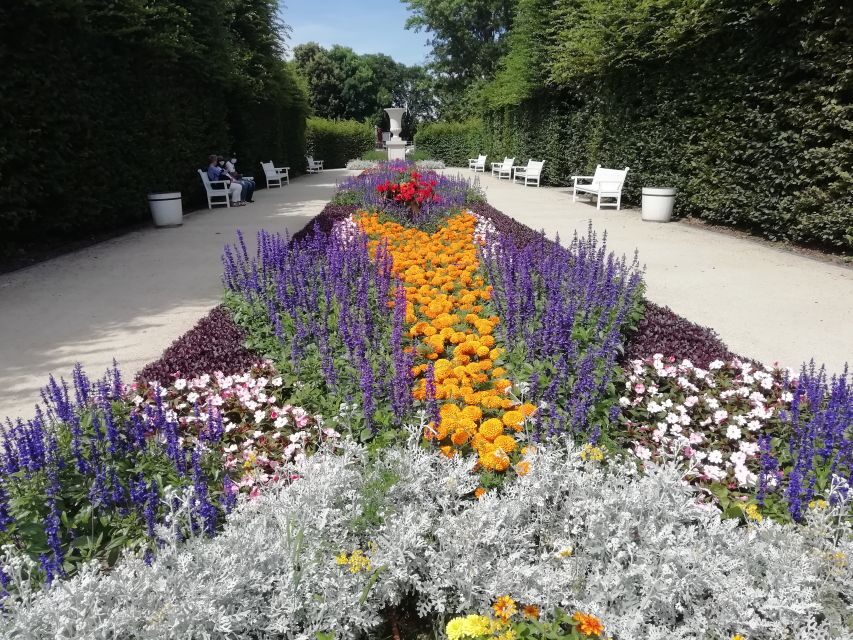
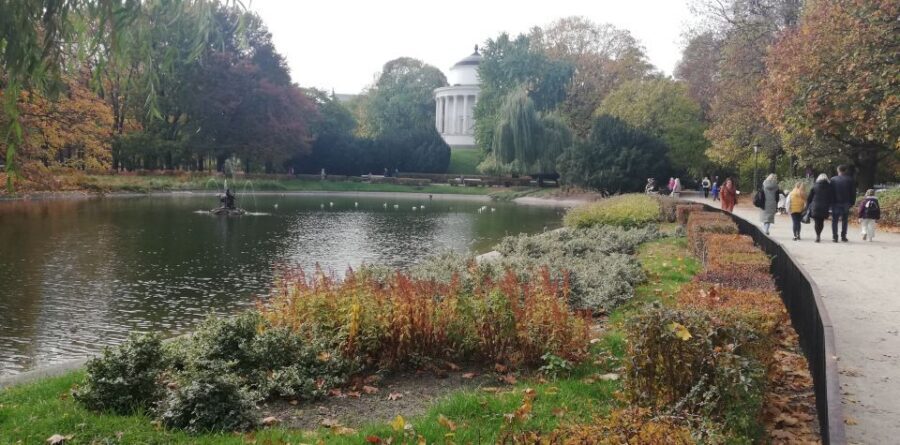
After the old-town focus, the tour shifts to Łazienki Park, one of Warsaw’s best-known garden-and-palace settings. You’ll admire the park’s gardens and the palace complex, and that alone is worth the trip if you like places that feel designed for strolling.
What makes this stop work in a short tour is the contrast. Old Town gives you the layered, historic city vibe; Łazienki gives you space to breathe and a more “royal leisure” atmosphere. Even if you’re not a dedicated garden person, you’ll likely appreciate how the setting changes the mood.
You should plan on walking outdoors here, especially if the weather cooperates. Bring sunglasses and sunscreen, and if it’s sunny, a sun hat helps more than you’d think.
Marie Curie and Frédéric Chopin: Following Ideas, Not Just Buildings
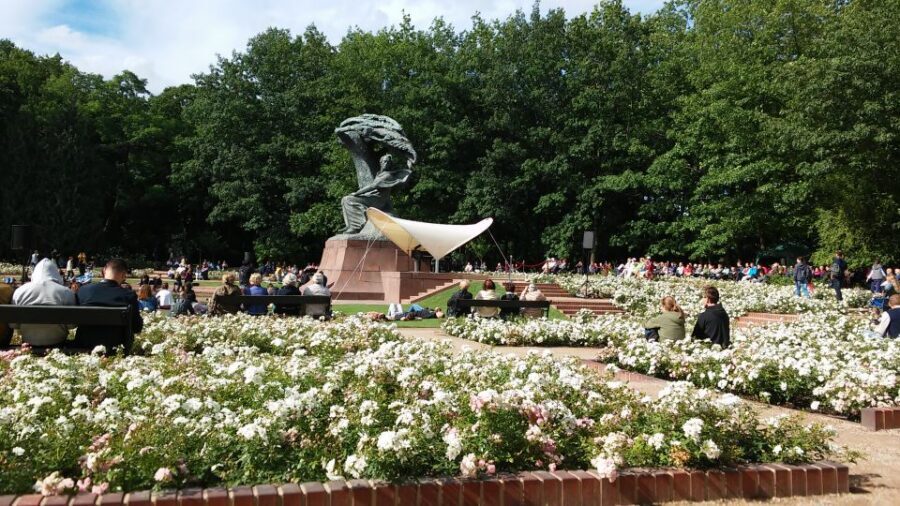
One of the highlights I appreciate is that the tour doesn’t reduce Warsaw to politics and war. It also follows in the footsteps of Marie Curie and Frédéric Chopin, linking the city to science and music.
This is a smart choice for a short tour because it broadens what “history” means. You’re not only learning what happened; you’re learning what people produced and created, and how Warsaw shaped (and was shaped by) major names.
Because the exact locations aren’t spelled out in your tour overview, don’t expect a single landmark name like a checklist. Instead, think of it as guidance through parts of Warsaw that tie to Curie and Chopin, with a narrative you can carry with you afterward.
If you care about cultural history, this will feel like the human side of the city’s story, and it helps balance out the darker WWII and post-war material.
World War II, the Moscow Era, and the Warsaw Ghetto: Meaning Comes From Context
This part of the tour is where the guide’s job really matters. You’ll visit major places and learn about events connected to World War II and the post-war period when Warsaw was under Moscow’s control.
You’ll also hear about the Warsaw Ghetto and the history of Warsaw’s Jewish community. The key benefit in a tour like this is that the guide ties together why these areas matter today, not just what happened in the past.
A possible drawback is emotional weight. If you’re someone who prefers lighter sightseeing after a travel day, build in downtime afterward. This isn’t a “fun facts” walk; it’s a memory-focused route where respectful attention is part of the experience.
Still, if you want to understand Warsaw beyond postcards, this is the section that gives the city its spine. You’ll come away with a clearer picture of what you’re seeing and why it’s not just architecture—it’s survival, loss, and rebuilding.
A few more Warsaw tours and experiences worth a look




Socialism-Era Architecture and Warsaw’s Modern Energy
The tour doesn’t stop at WWII and recovery. You’ll also see the architecture of socialism and get a look at Warsaw’s modern side—a city that’s actively developing.
Why this matters: it prevents the history from feeling like it ended decades ago. You’ll connect the post-war environment to what’s visible on the streets now, and you’ll understand the city as something alive rather than a set of monuments.
In practical terms, this portion also keeps the day moving. After the heavier historical sections, the modern streets help you reset mentally, while still staying grounded in context.
If you’re the type who likes to compare old versus new, this is a good structure. The drive sections help you notice the contrast quickly, so you don’t have to hunt for it yourself.
Price and Logistics: Is $93 Worth It for a Private, Guided 2–3 Hour Tour?
At $93 per person for a private tour, value comes from what’s bundled. You’re paying for pickup and drop-off, an air-conditioned car, a certified guide, parking fees, and even a city map and information booklets. For a short timeframe, those add up.
You’re also paying for the steering wheel-level advantage: the guide can position you for the right areas without you having to navigate transport changes or guess routes. That’s often the difference between seeing a few sights randomly and seeing the whole “story arc” in a limited window.
What isn’t included is lunch. The good news is the tour notes there’s a café where you can purchase food if you need it. I’d treat this as a half-day structure: plan to eat before or after, and bring snacks if you’re the type who gets hungry fast.
My other practical tip: budget a tip. It’s recommended to tip between 15% and 20% at the end of the tour, which is standard for guided experiences here.
What to Bring, What to Skip, and How to Stay Comfortable
This tour is easiest when you show up ready for both outdoor walking and city weather. Bring comfortable shoes, plus sunglasses, a sun hat, and sunscreen if the day is bright.
There are also simple rules to keep the day smooth. Pets aren’t allowed, and smoking, alcohol, and drugs are not allowed during the tour.
One important note to double-check: the overview says wheelchair access is available, but it also lists wheelchair users under “Not Suitable For.” If mobility is a concern, message ahead and confirm what “accessible” means for the exact walking portion and route on your day.
Also, the tour is listed as not suitable for people with a cold. If you’re feeling unwell, it’s worth planning a different activity with a gentler schedule.
Who This Private Warsaw Tour Suits Best (And Who Might Prefer Another Plan)
This is a great match if you want a guided overview of Warsaw with a clear historical backbone. It’s ideal for first-timers, people on a tight schedule, and anyone who likes structure: pickup, route, walking stops, and a guide tying it all together.
It’s also well-suited for couples or small groups who want a private pace rather than joining a larger crowd. The tour is private, and that usually means you can ask questions without feeling rushed.
You might want to skip or adjust if you:
- want long museum hours or extended time in a single site
- hate emotionally heavy historical content
- need an itinerary that’s fully indoor or fully wheelchair-friendly (given the conflicting accessibility note)
If you do go, you’ll likely appreciate that the guide can speak with you in English or German, depending on what you book.
A Real-World Guide Experience: Marzena, Mary, and What Good Communication Looks Like
The tour quality shows up in how the guide communicates and how flexible they can be. In German-speaking experiences, Marzena stands out for professionalism, friendliness, and handling schedule changes when flights run late. In English-speaking experiences, Mary is highlighted for excellent English, strong knowledge of Polish history, and being easy to talk to.
Even if your guide is someone else, that feedback points to the same goal: clear explanations, comfortable pacing, and the ability to adjust to your day. In a private tour, communication is the product—everything else just delivers it.
That’s why the map and information booklets help too. You’ll get something tangible to keep connecting dots after the tour.
Should You Book This Warsaw Car-and-Walking Tour?
If you want a smart first pass through Warsaw—Old Town, the Royal Route, Łazienki Park, plus WWII and the Warsaw Ghetto—this tour is a solid booking. The private format, pickup convenience, and guided narrative make the $93 price feel more reasonable than paying for transport plus tickets plus guide time separately.
Book it if:
- you have limited time and want a clear route plan
- you care about history with context, not just stop-and-snap sightseeing
- you’d like both the royal and the serious sides of Warsaw
Consider alternatives if:
- you need a longer stay at a museum or a slower walking pace
- you’re not up for heavy WWII and Ghetto history right now
- you have specific accessibility needs and haven’t confirmed the exact walking setup
FAQ
How long is the Warsaw private sightseeing tour?
The tour runs about 2–3 hours, with the exact timing depending on availability.
What’s included in the price?
Pickup and drop-off at your accommodation, transportation in an air-conditioned car, a certified tour guide, parking fees, and city map plus information booklets are included.
Is lunch included?
No. Lunch isn’t included, but there is a café where you can purchase food if needed.
What languages are the live guides?
The live guide is available in English and German.
What should I bring?
Wear comfortable shoes, and consider bringing sunglasses, a sun hat, and sunscreen.
Is the tour wheelchair-friendly?
The information provided is mixed: it mentions wheelchair accessible, but it also lists wheelchair users as not suitable. If you use a wheelchair, you should confirm the practical walking portion and route details before booking.