REVIEW · WARSAW
A unique walking tour of Jewish Warsaw — past and present
Book on GetYourGuide →Operated by Warsaw UnDiscovered · Bookable on GetYourGuide
Jewish Warsaw has stories you can still touch. This small-group walk connects the city’s 1,000-year Jewish presence to WWII tragedy and today’s quiet return to community life. What I love most is the way the route keeps you oriented as you move between surviving sites and heavy memorials, and how the guide’s delivery turns tough history into something you can actually follow. One thing to consider: you’ll cover about 4.5–5 km on foot, so if long walking is hard, this route may be a squeeze.
I also like the human scale of the experience. The tour is live in English with a small group (up to 10), and the guide I heard leading this route, Oliwia, brings humor and pacing without turning the subject into a lecture. You’ll finish at a well-known memorial spot, so you leave with a clear endpoint rather than drifting around on your own.
In This Review
- Key Points You Should Know Before You Go
- Why This Walking Tour Works (And Doesn’t Feel Like Just Another Ghetto Walk)
- Getting Oriented: Meeting at Sienna 53 (And What to Watch For)
- Nożyk Synagogue: The Only Warsaw Survivor—and Still Meaningful
- A consideration
- Hala Mirowska: A City Stop That Adds Texture
- What to expect
- Muranów: The Neighborhood Where History Concentrates
- The value of this stop
- Upamiętnienie Archiwum Ringelbluma: Memory Through Records
- A consideration
- POLIN Museum: A Key Stop Without the Ticket Pressure
- Why this works anyway
- Miła 18: Where Stories Feel Close to the Street
- What the guide helps you notice
- The Ghetto Wall and the Uprising Memory: Where the Walk Gets Real
- A consideration
- Finishing at Pomnik Umschlagplatz: The Deportation Story Comes to an End
- Practical emotional note
- Price and Value: Is $32 Worth It?
- Who Should Book This Tour (And Who Might Skip It)
- Should You Book? My Straight Answer
- FAQ
- How long is the walking tour?
- How far will we walk?
- Where do we meet the guide?
- Is the Nożyk Synagogue entry included?
- Is POLIN Museum entry included?
- Is the tour wheelchair accessible?
Key Points You Should Know Before You Go
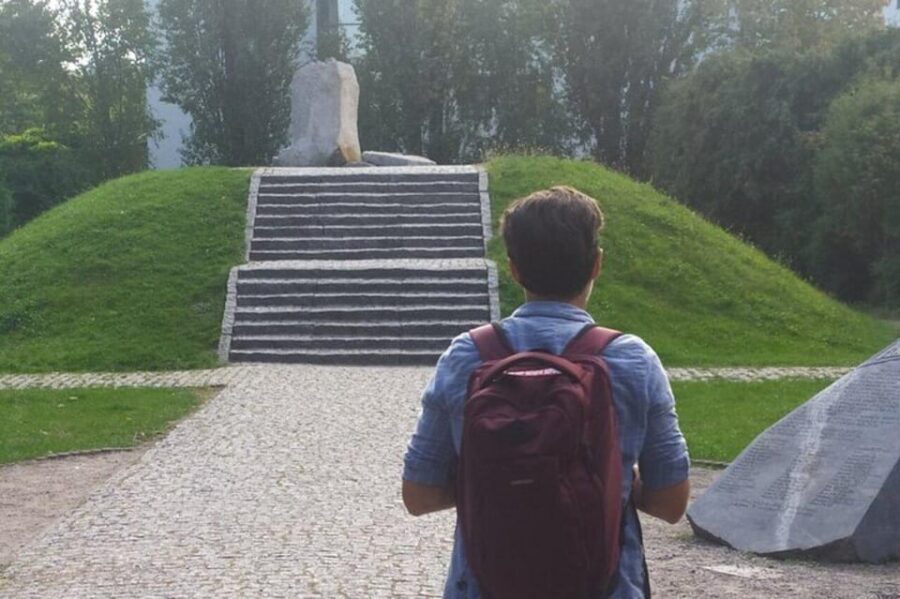
- Surviving synagogue, still in use today: Nożyk Synagogue is the only Warsaw synagogue that made it through the war and remains standing.
- Ghetto wall remnants: You’ll see one of the few remaining parts of the wall that defined life for Warsaw’s Jews during WWII.
- Treblinka transports remembered: You visit the place connected to the transport of 300,000 Jews to Treblinka.
- Heroism memorialized: Several monuments on the route focus on Jewish resistance and the Warsaw Ghetto uprising.
- A past-and-present storyline: The walk connects WWII history to the current situation of the Jewish community in Warsaw.
- Small group walking tour: Limited to 10 people, about 3 hours, around 4.5–5 km.
Why This Walking Tour Works (And Doesn’t Feel Like Just Another Ghetto Walk)
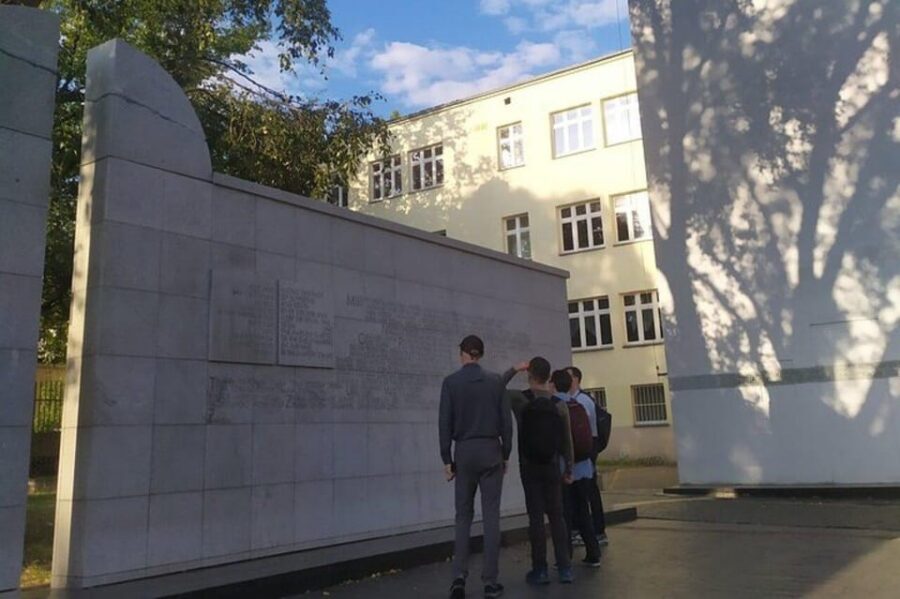
Warsaw doesn’t let you stay neutral. You walk past ordinary streets and then hit sites where history went straight for the jugular. This tour handles that tension well. It’s not only about dates and numbers. It’s about how the city’s Jewish life grew over centuries, got crushed during WWII, and then slowly reappeared afterward.
You’ll also get a guided thread that helps you connect the dots. The route is built around three big themes:
- how Jews settled and expanded in Poland and Warsaw
- what the ghetto did to daily life, and how people resisted
- how the community exists now, not just as a memory
At the end, you’re not left with vague emotions and a blurry map. You end at Pomnik Umschlagplatz, tied to the history of deportations. That matters because it gives the story a hard, legible landing.
Other walking tours we've reviewed in Warsaw


Getting Oriented: Meeting at Sienna 53 (And What to Watch For)
The meeting point is in front of Baguette Mi restaurant at Sienna 53. Look for your guide holding a white and green umbrella.
This detail is small, but it’s how you start the day smoothly. A walking tour lives or dies by early momentum. If you show up a few minutes early, you’ll settle in before the guide starts setting expectations.
Practical tip: wear comfortable shoes. The tour covers roughly 4.5–5 km over about 3 hours. It’s not a marathon, but it’s long enough to matter if you’re wearing the wrong footwear.
Nożyk Synagogue: The Only Warsaw Survivor—and Still Meaningful
The tour begins with Nożyk Synagogue, with about 15 minutes of guided time.
This synagogue stands out for an obvious reason: it’s the only Warsaw synagogue that survived the war and is still there today. That alone makes it emotionally powerful, because the building is not a reconstruction based on guesswork. It’s a surviving witness.
What I like about stopping here early is that it gives you a baseline. Before the ghetto story turns darker, you see a living marker of Jewish religious life in Warsaw. It helps you understand what WWII tried to erase.
A consideration
Entry into Nożyk Synagogue is not included, so plan on separate payment if you want to go inside beyond the guided stop. Even if you keep it exterior, the guide’s context can still make the site hit hard.
Hala Mirowska: A City Stop That Adds Texture
Next comes Hala Mirowska for about 10 minutes.
This part of the walk is less about one single tragic event and more about city texture—how Warsaw functioned as a place where communities lived, shopped, worked, and moved. The guide’s job here is to connect the physical setting to the human story.
When history is heavy, a shorter, lighter segment helps you absorb the bigger picture without burning out.
Other POLIN and Jewish heritage tours in Warsaw




What to expect
This is a quick stop, so you won’t get a museum-style experience here. You’re meant to connect the dots the guide draws between neighborhoods and the changing reality for Warsaw’s Jewish population.
Muranów: The Neighborhood Where History Concentrates
Then you move to Muranów for about 30 minutes.
This is where the tour shifts from general context to the ghetto-era geography of Warsaw. Muranów is the kind of area where street corners can feel like narrative chapters. The guide uses the space to explain how the ghetto system shaped where people could go and what life became.
The value of this stop
You’ll get the idea that the ghetto wasn’t only a set of walls. It was also a system that squeezed time, space, and options. In practical terms, that’s why the next stop—ghetto wall remnants and deportation points—matters so much. You’re building understanding step by step.
Upamiętnienie Archiwum Ringelbluma: Memory Through Records
You’ll visit Upamiętnienie Archiwum Ringelbluma for about 10 minutes.
This stop is a reminder that people didn’t only survive by hiding or fighting. Some also preserved evidence. Ringelblum’s archive is tied to the idea of documenting what was happening so the world wouldn’t be able to pretend it didn’t know.
That’s why this segment lands with a different kind of weight than pure monument-viewing. It’s about the intent to leave a record, not just to mark a tragedy.
A consideration
Because it’s brief, you’ll get the main point through the guide’s explanation rather than through long on-site reading. If you like to read slowly, bring that habit after the tour when you have more time.
POLIN Museum: A Key Stop Without the Ticket Pressure
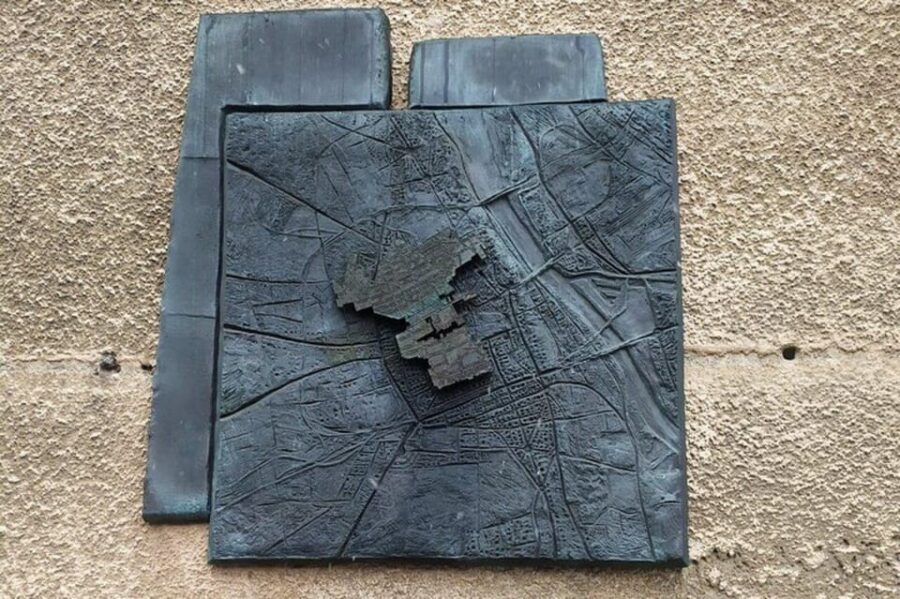
The tour includes a guided visit segment at POLIN Museum of the History of Polish Jews for about 10 minutes.
Here’s the practical twist: entry fee to the museum isn’t included. That means you get guide-led context, but you’re not automatically paying for a full gallery run.
Why this works anyway
Even a short stop at POLIN can be useful because it gives you a sense of structure. You see the museum as a hub for the larger story of Polish Jewish life—so if you later want to go deeper, you’ll know what kind of exhibits to prioritize.
If you do decide to purchase entry, plan extra time. This is the kind of museum that rewards a calm pace.
Miła 18: Where Stories Feel Close to the Street
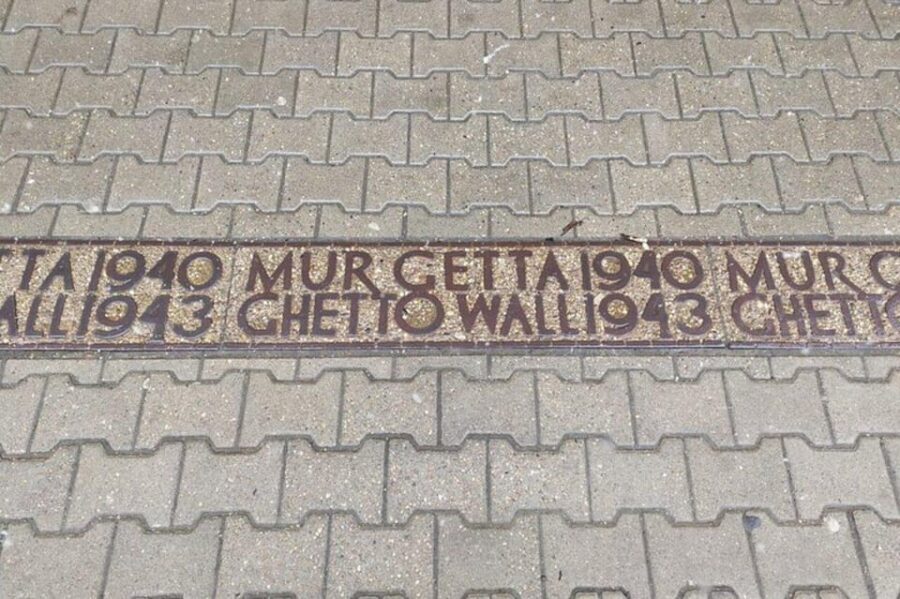
Next is Miła 18 for about 10 minutes.
This is one of those stops that can feel simple on the outside and heavy underneath. Addresses like this matter because they turn history into something anchored to a specific place, not a floating concept.
What the guide helps you notice
The value of a guided walk is that you don’t just see an address. You learn what it represented in the broader WWII story—how people were affected and how the ghetto era unfolded at ground level.
The Ghetto Wall and the Uprising Memory: Where the Walk Gets Real
By the time you reach the core memorial areas, the tour focuses on the realities that shaped the Warsaw Ghetto:
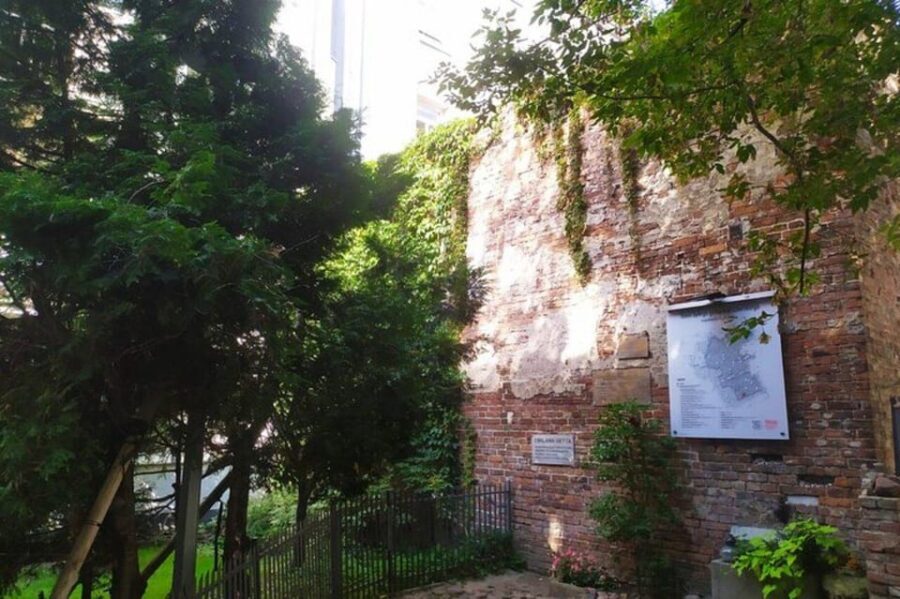
- you’ll see one of the few remaining parts of the ghetto wall
- you’ll connect the 300,000 Jews transported to Treblinka to the place associated with those deportations
- you’ll pass several monuments that remind you of the Jews’ heroic struggle
- you’ll hear why people initiated the Jewish Uprising in 1943, even with the knowledge they were likely doomed
This is the emotional spine of the whole experience. The guide’s pacing matters here. The goal isn’t shock. It’s understanding: what choices were made, what desperation looked like, and how resistance took form in real time.
A consideration
These portions of the walk include difficult history. If you know you prefer lighter sightseeing right after memorials, plan your meal and sightseeing around this. Let yourself decompress afterward.
Finishing at Pomnik Umschlagplatz: The Deportation Story Comes to an End
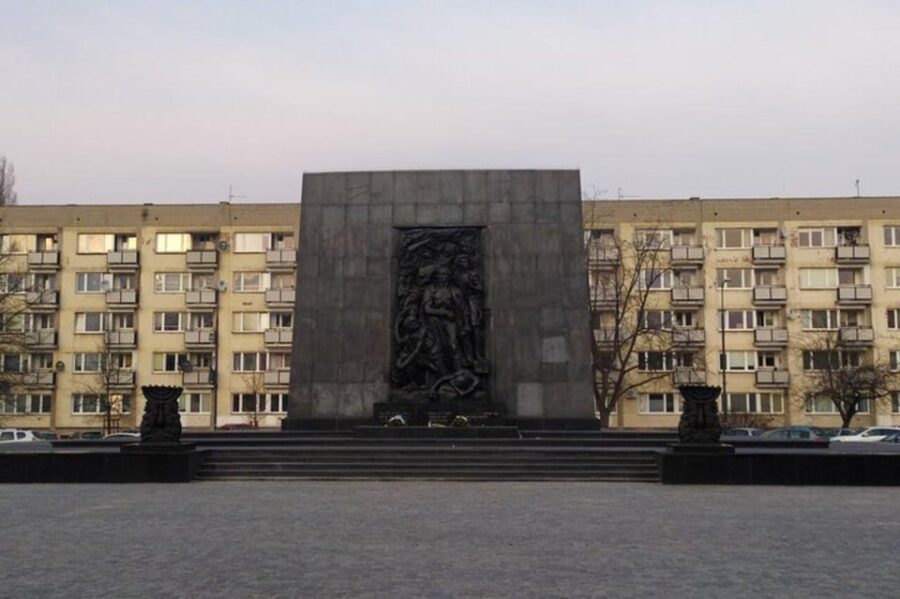
The tour ends at Pomnik Umschlagplatz.
This endpoint is not random. Umschlagplatz is tied to deportations during the Holocaust, and ending here gives the walking route a clear narrative closure. Instead of ending somewhere convenient, you end somewhere historically meaningful.
Practical emotional note
Umschlagplatz can hit hard because it turns transport into a physical, named place. If you’re traveling with anyone who needs a moment, build in that buffer. Don’t rush off right away for photos if you don’t feel ready.
Price and Value: Is $32 Worth It?
At $32 per person for about 3 hours and a guided, small-group route, I think this is strong value—especially if you want context rather than just a list of sights.
You’re paying for three things:
- guided interpretation across multiple sites (not just one main attraction)
- a structured story from early Jewish settlement through WWII, then into today
- a small group limit (10 people), which keeps the walk from turning into crowd noise
Entry fees are extra for Nożyk Synagogue and POLIN Museum, so your total cost may rise if you want to go inside. But even without those tickets, the guided route gives you the storyline and the key stopping points.
Who Should Book This Tour (And Who Might Skip It)
This tour is a great fit if you want:
- a focused walk that explains Jewish Warsaw as a timeline, not isolated facts
- key surviving and surviving-remnant sites like Nożyk Synagogue and the ghetto wall remains
- a guide who tells the story clearly in English, with strong delivery and pacing (Oliwia is praised for humor, intonation, and extensive knowledge)
It may be less ideal if:
- walking long distances is tough for you, since the route is about 4.5–5 km
- you only want museum-heavy experiences, since the visit times at places like POLIN are short and entry isn’t included
Should You Book? My Straight Answer
If you like history that’s organized, human-scaled, and tied to real places, I’d book this. It’s not just about seeing memorials. You walk through the logic of how Warsaw’s Jewish community changed—then you end at a site that anchors the deportation story.
If you’re worried about the walk length, check your comfort level first. Otherwise, plan to wear good shoes, bring patience for heavy themes, and let the guide’s style do what a good guide should: make you understand what you’re looking at.
FAQ
How long is the walking tour?
The tour lasts about 3 hours.
How far will we walk?
You’ll cover approximately 4.5–5 km.
Where do we meet the guide?
Meet in front of Baguette Mi restaurant at Sienna 53. Look for a guide with a white and green umbrella.
Is the Nożyk Synagogue entry included?
No. Entry to Nożyk Synagogue is not included.
Is POLIN Museum entry included?
No. Entry to the POLIN Museum is not included.
Is the tour wheelchair accessible?
Yes, the tour is wheelchair accessible. It’s also noted as not recommended for travelers who have problems with walking long distances.