REVIEW · WARSAW
Warsaw: Praga District Tour with Vodka Museum and Tasting
Book on GetYourGuide →Operated by PT Team · Bookable on GetYourGuide
Praga in Warsaw tells a different story. I like the way this tour mixes street-level details (shrines, murals, old courtyards) with big historical context (churches, WWII memory, and rescue efforts), and I also love ending with a focused Polish Vodka Museum tasting rather than a random stop. One drawback to consider: the tour is only 4 hours, so if you hate cobblestones or you want to avoid alcohol completely, you may need to plan your expectations around that.
You get a fully private outing with pickup and drop-off, led by a real person who can answer questions as you go. Guides such as Margarita and Paul have been specifically praised for their calm confidence and their ability to connect Warsaw’s layers without turning the day into a lecture. If you’re looking for a quick, authentic slice of the east bank, this is a good fit.
In This Review
- Key Points Worth Noting
- Praga on the East Bank: Why This Side of Warsaw Feels Different
- Hidden Courtyards, Shrines, and Murals You’ll Miss Alone
- Communism-Era Blocks and Praga’s Post-Industrial Soho Feel
- Zabkowska Street and the Flow of a Neighborhood Walk
- Bazaar Rozyckiego: The Food Stop That Actually Feels Local
- St. Florian’s and St. Mary Magdalene: Two Churches, Two Traditions
- Żabiński Villa: A Personal Stop With Warsaw’s Rescue History
- Koneser Centre Polish Vodka Museum: 500 Years of Taste in One Room
- Price and Pacing: Is $81 Good Value for This 4-Hour Private Tour?
- What Makes the Guiding Here Work: Real Personality, Not Just Facts
- Should You Book the Warsaw Praga District Tour With Vodka Museum Tasting?
- FAQ
- How long is the Praga district tour with the Vodka Museum?
- What does the tour include for the Vodka Museum part?
- Is hotel pickup and drop-off provided?
- Is this a private tour?
- Which languages are available for the live guide?
- What are some of the main stops during the tour?
Key Points Worth Noting
- Praga on the east bank: a side of Warsaw that survived WWII with its character largely intact
- Hidden shrines and murals: small details you’d miss on your own
- Bazaar Rozyckiego food stop: pyzy and flaki are the kind of comfort you’ll remember
- Two religious landmarks: St. Florian’s Cathedral and the Orthodox Cathedral of St. Mary Magdalene
- Żabiński Villa visit: a concrete way to understand Warsaw’s rescue story
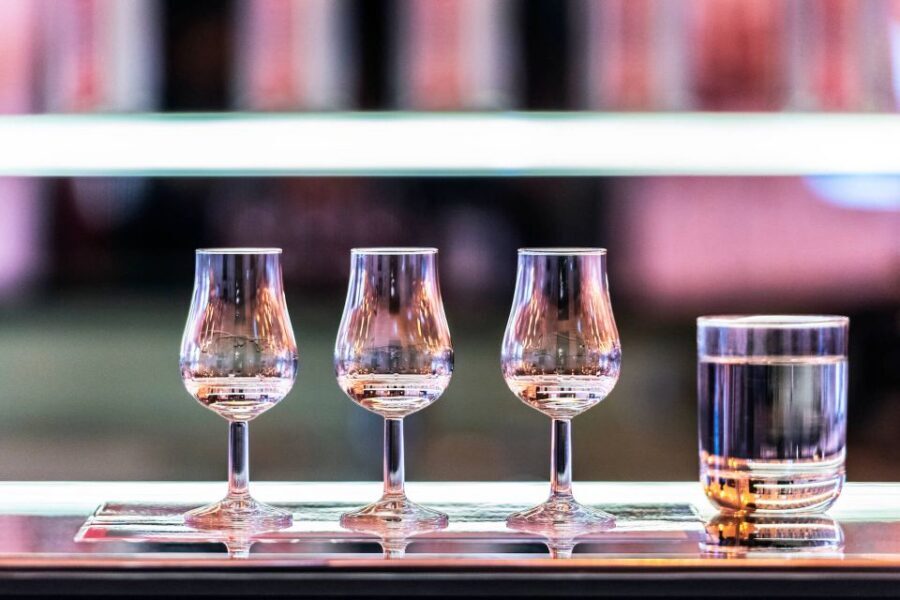
- Koneser Vodka Museum tasting: three Polish vodkas plus an interactive history trail
Praga on the East Bank: Why This Side of Warsaw Feels Different
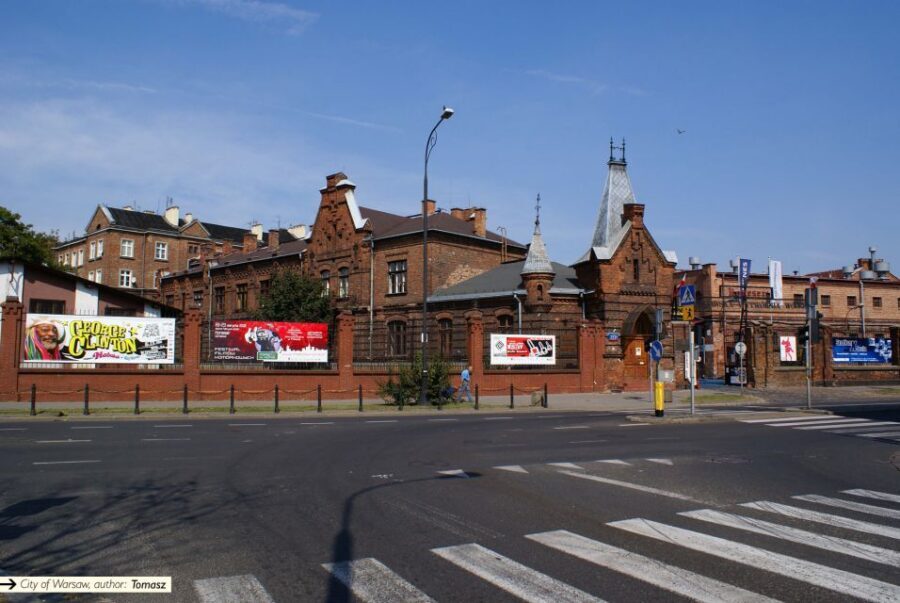
Praga is the part of Warsaw east of the Vistula River where history is written in plain sight. For centuries, it was culturally, ethnically, and religiously diverse, and that shows up in the mix of churches, streetscapes, and everyday life. What makes it especially compelling is that Praga was not destroyed during World War II in the way much of the city was, so you can still walk through areas that feel closer to the past than the “rebuilt” core.
I love how the tour starts by getting you across the bridge early, then orienting you fast. Once you’re on the east bank, it’s not just a change of scenery. It’s a shift in mood: older tenement lines, courtyards tucked behind street fronts, and a sense that you’re seeing Warsaw the way locals might describe it to a friend.
At $81 for about 4 hours, it’s priced like an experience-tour, not a budget stroll. The value comes from combining guided walking, multiple meaningful stops, and a guided museum tasting rather than scattering your time between unrelated sights.
Other Polish vodka tours and tastings in Warsaw


Hidden Courtyards, Shrines, and Murals You’ll Miss Alone
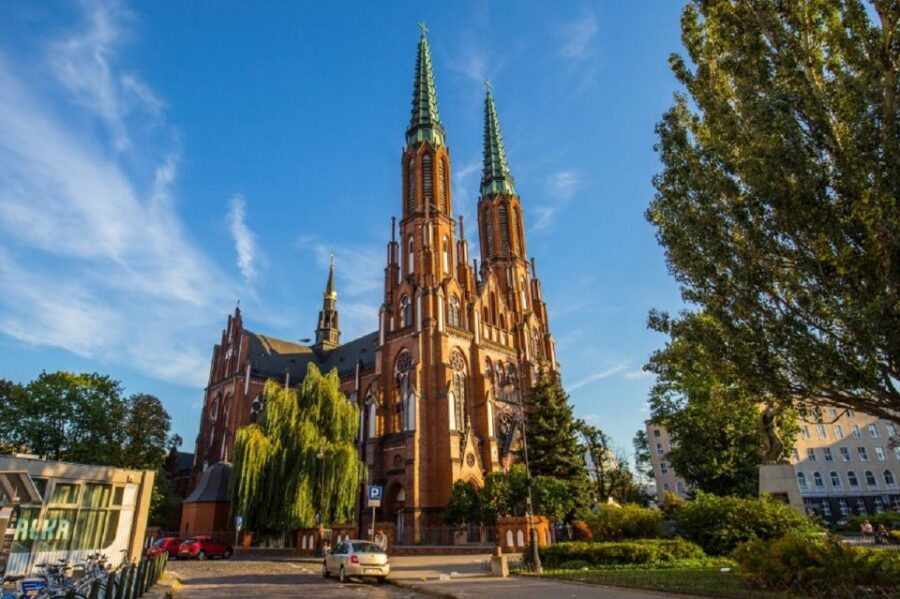
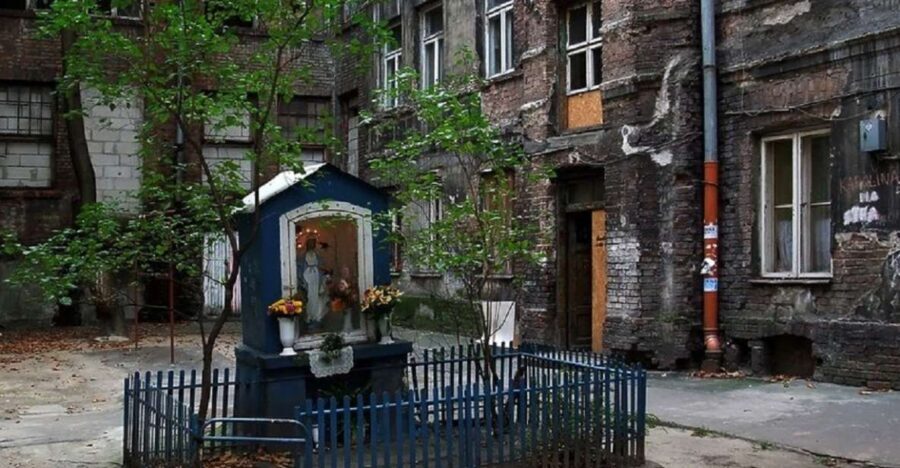
One of the best reasons to book a guide here is simple: Praga contains details that don’t announce themselves. You’ll see little shrines tucked away in courtyards and along main streets, plus original murals on older buildings. On your own, you can walk past these without noticing the symbols, the placement, or why they’re there.
This tour is built to slow you down in the right places. The guide helps you look at the city like a puzzle: street first, then what’s behind the street. That’s how you start to understand Praga as a living neighborhood rather than just a filming location or a “sight.”
Also, the walking is the kind that rewards comfortable shoes. You’ll go along cobbled roads among pre-war tenement houses, so plan for your feet to be part of the day. If you’re the type who enjoys noticing texture, weathered brick, and small signs of faith and community, this is where the tour really clicks.
Communism-Era Blocks and Praga’s Post-Industrial Soho Feel
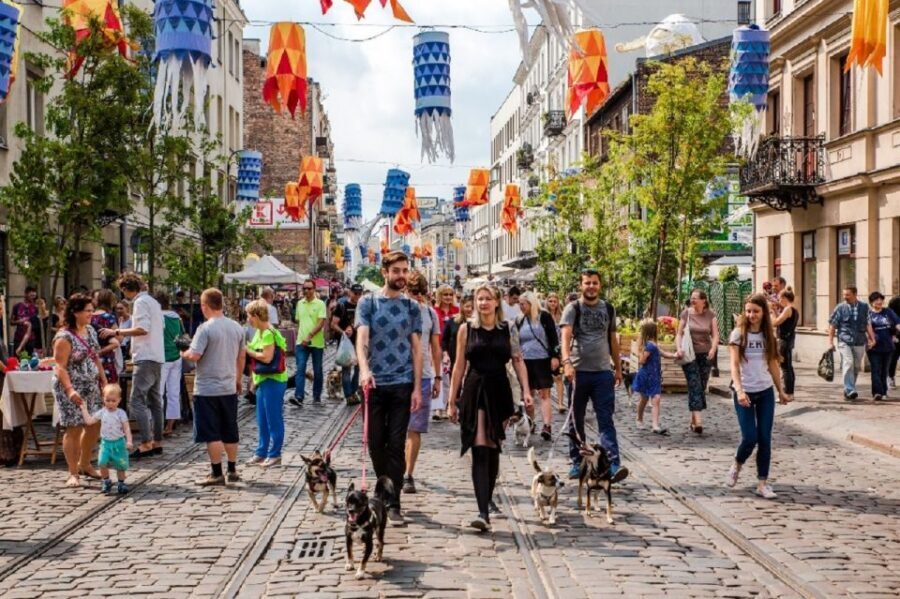
Praga has more than just old buildings. You’ll also pass through blocks from the communism era and areas with a Soho-like, post-industrial vibe. That contrast matters, because it changes how you interpret what you see. Warsaw isn’t frozen; it keeps updating its urban layers, even when the past stays visible.
When I think about why this tour design works, it’s because the guide doesn’t treat these places as separate worlds. They become part of the same story: how people lived under different political periods, how industry shaped neighborhoods, and how modern creative energy can occupy older spaces.
This kind of “reading the street” isn’t something a map can do for you. The guide helps you notice what changed, what stayed, and why those buildings still matter. If you want a tour that feels more like city history through your eyes and legs, rather than through captions, Praga is a strong choice.
Zabkowska Street and the Flow of a Neighborhood Walk
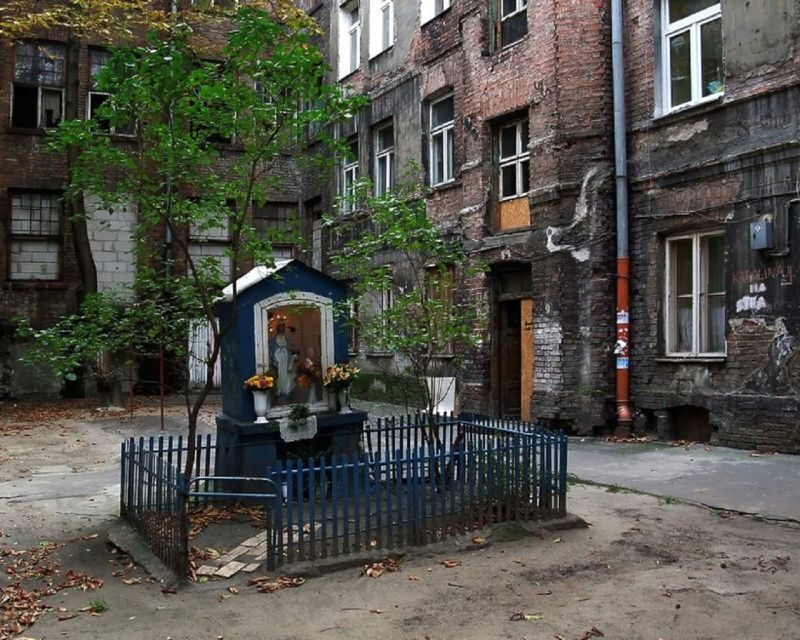
You’ll spend time on some of Praga’s most popular streets, including Zabkowska Street, one of the main arteries where daily life is visible. It’s the kind of route that keeps your pace moving while still leaving room to pause for stories. The cobbled feel and the pre-war tenement fronts give you that back-in-time sensation, but you’re not just looking at “old Warsaw.” You’re watching how old structures coexist with current street activity.
For me, this is also where the private format helps. You can ask questions as they pop up. Why is a shrine here? What does that building tell you? How did this neighborhood change over time? With a private group, the guide can answer without worrying about keeping a larger schedule moving.
If you’re short on time in Warsaw but you still want something more meaningful than a quick highlight-bus loop, a neighborhood walk like this is a smart compromise. You get context, pace, and atmosphere all at once.
Bazaar Rozyckiego: The Food Stop That Actually Feels Local
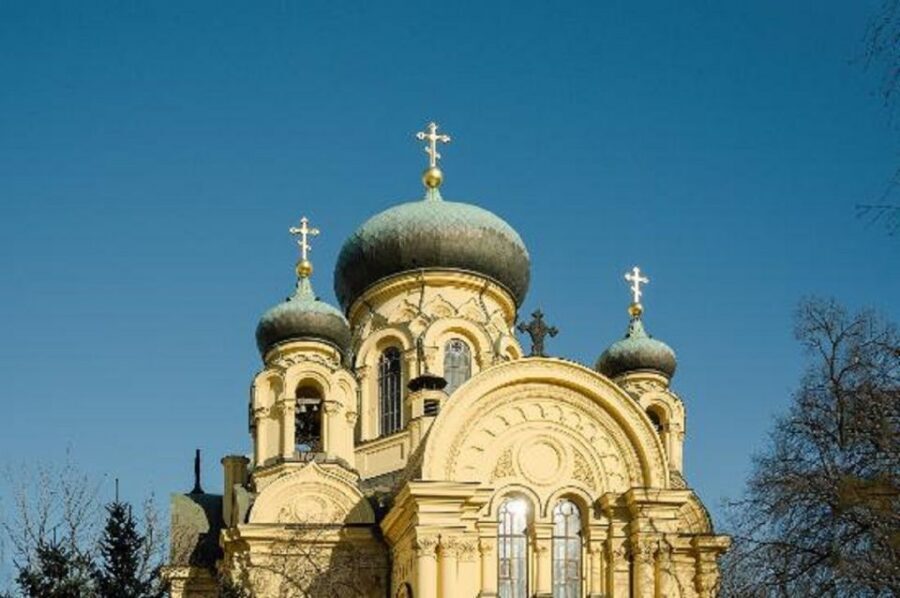
A good walking tour in a real neighborhood should end up feeding you something you can’t easily replicate. Here, that’s where Bazaar Rozyckiego comes in. You’ll step into one of the oldest market settings in the area and taste pyzy and flaki.
Pyzy are a comfort classic, and flaki is the Polish dish that turns many first-timers into believers once they actually try it. Even if you don’t know the flavors beforehand, the point is that you’re eating what the neighborhood has turned into tradition. It’s not a tourist-style “show meal.” It’s a market-based moment that fits the day’s theme.
One practical note: you’ll likely start the tour with walking and viewpoints, then shift into food. If you’re the type who gets distracted easily, eat slowly and let the guide finish a story before you start chewing. That way the market stop doesn’t just become a break. It becomes part of the narrative.
Other Praga district tours in Warsaw


St. Florian’s and St. Mary Magdalene: Two Churches, Two Traditions
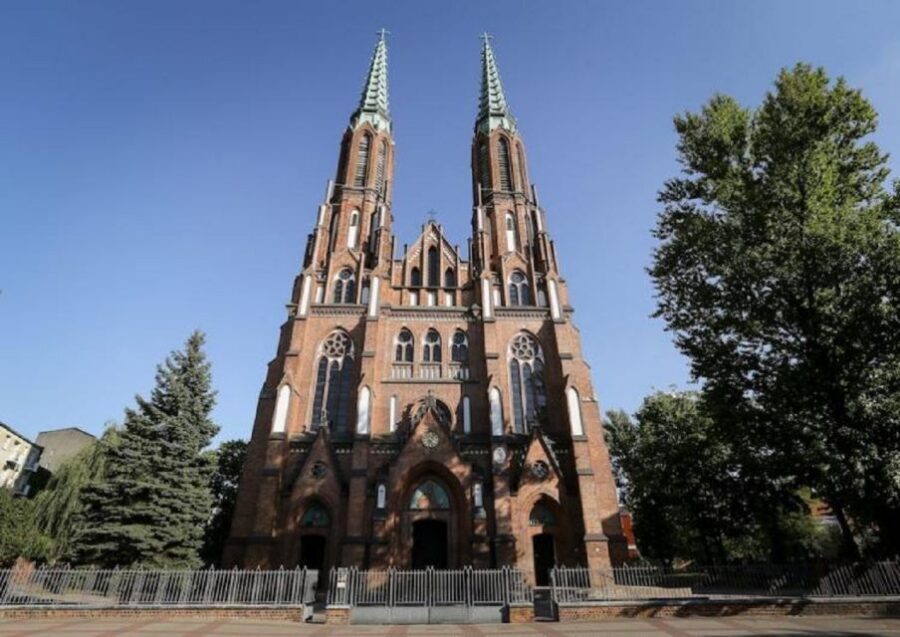
The tour includes two major churches that show the area’s religious mix. You’ll visit St. Florian’s Cathedral (Catholic) and the Cathedral of St. Mary Magdalene (Orthodox). Seeing both in the same tour day does something subtle but important: it trains your eye to recognize Warsaw’s long history of different faiths living close to one another.
The guide’s job here is more than pointing out architecture. It’s connecting place to meaning. Why are these landmark buildings here? How do they reflect community life? What does it mean for a neighborhood to keep multiple traditions visible?
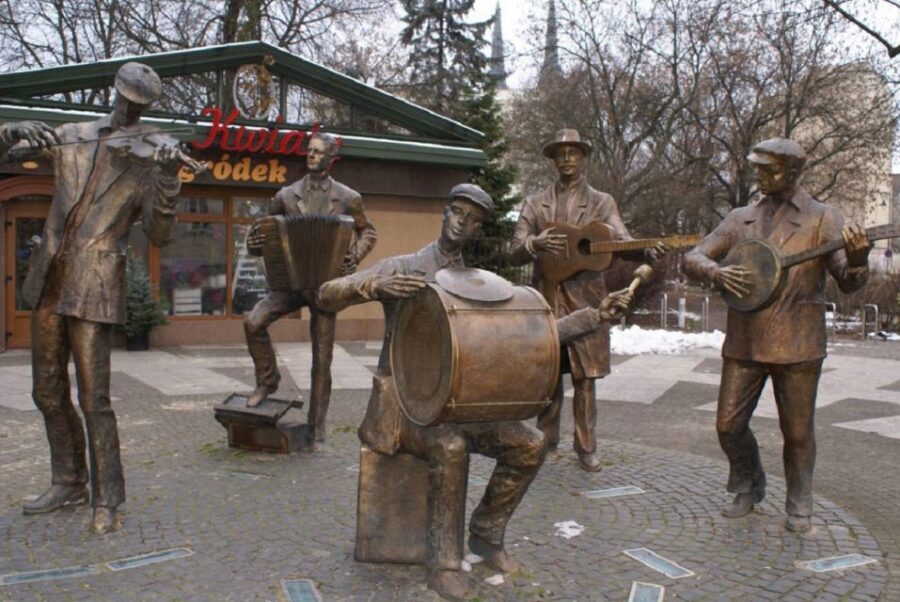
You’ll also see the Monument to the Prague Backyard Band as you pass through the area. A monument can feel like a throwaway stop on some tours. Here, it works because it sits in the flow of street-level exploration. It’s another marker of how Praga carries stories forward in public space.
Żabiński Villa: A Personal Stop With Warsaw’s Rescue History
One of the most affecting stops on this tour is the Żabiński Villa, where Jews from the Warsaw ghetto were hidden. This isn’t a museum “in the abstract.” It’s a real site tied to a real network of rescue, and it changes the way you feel about everything you’ve walked past earlier.
This is also one of those moments where I think a knowledgeable guide matters most, even if you consider yourself “not into history.” The power of the stop is in grounding the story. You see the place, then you understand what happened there, and the details you picked up on streets and courtyards suddenly become more than atmosphere.
If you’re sensitive to WWII subject matter, this tour is still worth considering, because it handles the topic through a specific, concrete location rather than vague references. Just be ready for an emotional pivot near the end of your sightseeing time.
Koneser Centre Polish Vodka Museum: 500 Years of Taste in One Room
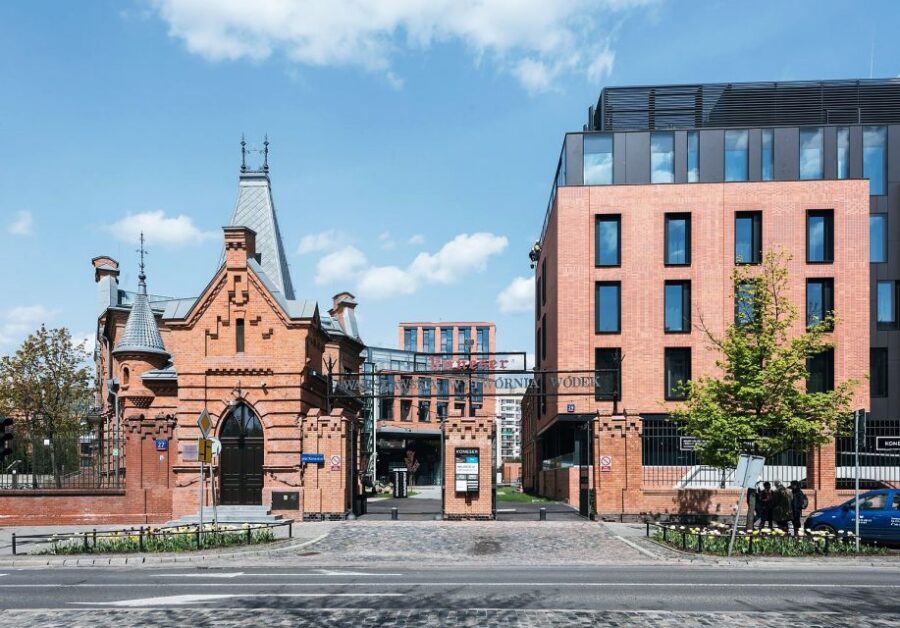
The final act is at the Polish Vodka Museum inside the renovated Koneser centre. This is where the tour shifts gears from streets and churches to something hands-on and modern-feeling, yet rooted in tradition.
At the museum, you’ll explore an interactive exhibition that traces over 500 years of history and tradition connected to the Polish national beverage. That matters because it explains the cultural reasons vodka became famous worldwide, not just the idea that it exists. You also get guidance on the tasting process and how to assess different styles.
Then you actually taste: three different Polish vodkas, served as three shots as part of the included degustation. The tasting part is a big reason the day feels complete. You don’t just learn; you finish the tour with a sensory memory.
A quick practical thought: three shots means you’ll want to slow down after the museum. If you’re sensitive to alcohol, consider how you’ll handle the rest of the evening. Since pickup and drop-off are included, it’s a good moment to plan your own timing so you don’t feel rushed.
Price and Pacing: Is $81 Good Value for This 4-Hour Private Tour?
At $81 per person for a 4-hour private tour, you’re paying for three things: private guiding, local transport, and a museum experience with tasting. Compared with cheaper “walk only” tours, the vodka museum and tasting are a meaningful upgrade. Compared with premium full-day tours, the shorter duration is a real benefit if you want Praga without sacrificing the rest of your Warsaw plan.
Pacing-wise, you’ll have a structured route with multiple stops, plus walking time to absorb the neighborhood. The tour is short enough that you won’t get bored, but long enough to cover multiple themes: street heritage, religious landmarks, market food, rescue history, and the Koneser tasting room.
If you’re deciding whether this fits your travel style, think about your tolerance for movement. This isn’t a sit-down museum-only outing. It’s a guided neighborhood day with cobbled sections and multiple transitions. Comfortable shoes matter.
What Makes the Guiding Here Work: Real Personality, Not Just Facts
The guides associated with this tour have stood out for one main reason: they bring the city to life in a human way. Margarita, for example, has been praised for being charming and genuinely passionate, plus for being attentive and quick to answer questions. She’s also been described as speaking Spanish with almost no Polish accent, which can make the history feel easier to follow if you’re Spanish-speaking.
Paul has also been highlighted as a cool guide who presents Praga history in a refreshing way, tailored to the group. In one case, there was also a mention of the guide coordinating with her partner Mariano, who waited in the car while the tour ran. That kind of smooth coordination matters more than it sounds. It keeps the day moving without feeling rushed.
Bottom line: the guide’s role here isn’t to recite. It’s to help you notice and connect dots. When the route includes courtyards, shrines, religious landmarks, and WWII memory sites, that guidance is what turns “a list of places” into a single experience.
Should You Book the Warsaw Praga District Tour With Vodka Museum Tasting?
Book this tour if you want a guided look at Praga’s real streets plus a food-and-history finish that doesn’t feel like a tourist trap. It’s ideal when you have limited time but still want depth: old neighborhoods, communism-era blocks, post-industrial corners, two churches, market food, and a rescue-story stop at Żabiński Villa, followed by a proper museum and tasting.
Skip it or adjust expectations if you dislike walking on cobblestones or if you strongly prefer tours without any alcohol. The vodka tasting is a fixed part of what’s included, so your enjoyment will depend on how you feel about that.
If you like tours that feel personal, private, and flexible in conversation, this one is a strong match. You’ll leave with a clearer sense of Warsaw’s east bank and an ending you can taste, not just remember.
FAQ
How long is the Praga district tour with the Vodka Museum?
The tour lasts 4 hours.
What does the tour include for the Vodka Museum part?
Entry to the Polish Vodka Museum with a degustation is included, and the tasting includes 3 shots of Polish vodka.
Is hotel pickup and drop-off provided?
Yes. Hotel pickup and drop-off are included, and pickup is optional based on your arrangements.
Is this a private tour?
Yes, it is a private group tour.
Which languages are available for the live guide?
The live guide is available in English, Spanish, German, Russian, Polish, French, Italian, and Portuguese.
What are some of the main stops during the tour?
The route includes Praga streets and courtyards, Bazaar Rozyckiego (with pyzy and flaki), St. Florian’s Cathedral and the Cathedral of St. Mary Magdalene, Żabiński Villa, and the Polish Vodka Museum at the Koneser centre.